
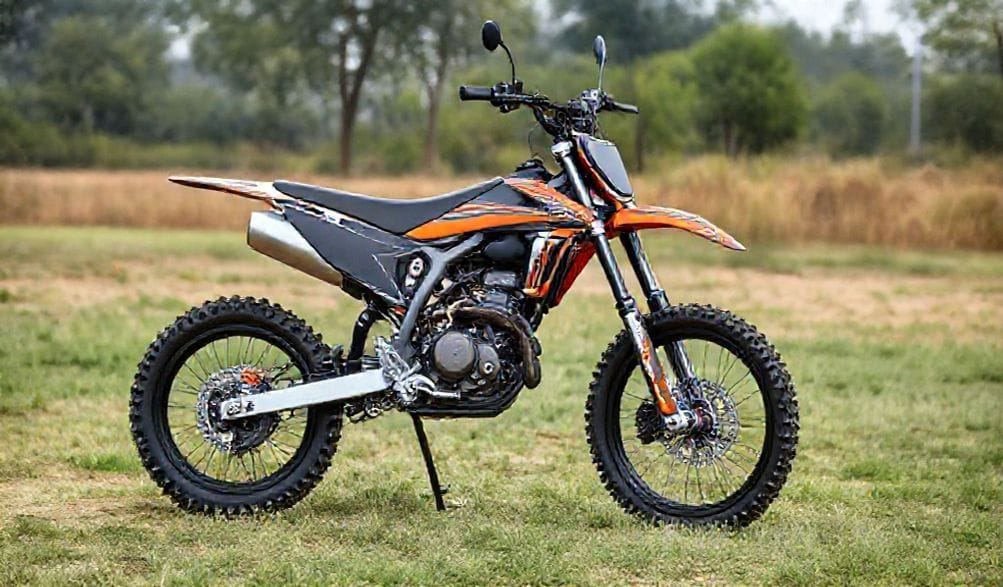
The Ultimate Guide to 3000W Electric Dirt Bikes: Power, Performance & What to Know Before You Buy
You twist the throttle. There’s no clutch to feather, no gear to find. Just a deep, electric whirr that instantly translates into a silent, savage surge forward. The handlebars pull at your arms as the landscape blurs into a green and brown streak. This isn’t just riding; it’s being launched. This is the visceral, game-changing thrill of a modern 3000W electric dirt bike, and it’s redefining what it means to ride off-road.
Gone are the days when electric bikes were seen as underpowered toys. Today’s 3000W machines are serious pieces of performance hardware, capable of trading blows with their gas-powered counterparts on the trail and the track. But with great power comes a need for great understanding. As someone who has spent countless hours testing, tuning, and tearing down these bikes—and consulting with engineers and veteran riders—I’ve seen the incredible potential and the potential pitfalls.
This guide is born from that hands-on experience and deep-dive research. Whether you’re a seasoned rider curious about making the switch from gas, an enthusiast looking to upgrade, or a newcomer drawn to the electric revolution, you’re likely seeking clear, unbiased facts. You want to know what “3000 watts” truly means for your ride, what separates a quality machine from a dangerous dud, and how to ensure your investment is a sound one.
We’re going to dissect the 3000W electric dirt bike from every angle. We’ll demystify the specs, compare it fairly to other power classes, break down the critical components that define quality, and arm you with a comprehensive 2024 buyer’s checklist. By the end, you’ll have the knowledge to navigate the market with confidence and choose a bike that delivers exhilaration, not disappointment.
What Does “3000 Watts” Really Mean for an Electric Dirt Bike?
At its core, a watt is a unit of power. In the context of an electric motor, 3000 watts (or 3 kilowatts) represents its potential power output. But raw numbers are abstract. To understand why 3000W is such a sweet spot for performance riding, we need to look at how that power is delivered.
Power vs. Torque: The Electric Advantage
This is where electric dirt bikes fundamentally diverge from their gas-powered ancestors. A gas engine must build revolutions per minute (RPM) to reach its “power band”—the narrow RPM range where it produces optimal torque and horsepower. This requires clutch work and gear shifting to stay in that sweet spot.
An electric motor, however, delivers its maximum torque from zero RPM. Think of it as a sprinter exploding off the starting blocks, already at full strength. The moment you twist the throttle, 100% of the motor’s twisting force (torque) is available. This 3000W motor isn’t just powerful; its power is instantly accessible. This translates to explosive acceleration out of corners, effortless lofting of the front wheel over obstacles, and relentless climbing power on steep, technical hills where a gas bike might bog down.
Real-World Performance Expectations
So, what does this feel like on the trail or track?
- Speed: A well-designed 3000W electric dirt bike can achieve top speeds typically ranging from 40 to 55+ miles per hour. Some performance-focused models with optimized gearing and controllers can push even higher. It’s crucial to understand that top speed is influenced by rider weight, terrain, tire choice, and most importantly, the bike’s gearing (if it’s a mid-drive) or motor wind (if it’s a hub motor). This speed range is more than sufficient for aggressive trail riding, motocross tracks, and dune riding.
- Acceleration: This is the party trick. The acceleration from a standstill or at low speeds is often described as “violent” or “mind-bending.” It can outpace many 250cc gas bikes off the line. This instant thrust isn’t just for straight lines; it allows for incredible mid-corner corrections and explosive exits.
- Riding Experience: The combination of instant torque, linear power delivery, and near-silent operation creates a uniquely connected feeling. You hear the tires gripping and the suspension working. The control is incredibly precise, allowing for smoother throttle modulation over obstacles. It’s a more intuitive, less mechanical, and intensely focused form of riding.
3000W vs. Other Power Classes: Finding Your Fit
Context is key. Is 3000W a lot? It depends on what you’re comparing it to and what you intend to do with it.
Stepping Up from 1000W-2000W Bikes
If you’re coming from a lower-powered electric bike, the jump to 3000W is significant. A 1000W-2000W bike is often a great entry point or perfect for lighter-duty, casual trail riding. A 3000W machine represents a move into serious performance territory. You gain substantial top-end speed, vastly improved hill-climbing ability, and the power to comfortably carry heavier adult riders (200+ lbs) without feeling sluggish. It’s the difference between a bike that can handle trails and a bike that dominates them.
How It Compares to Gas-Powered Equivalents (cc Rating)
This is the most common question. In terms of raw torque and acceleration, a quality 3000W electric dirt bike often feels comparable to a modern 250cc four-stroke gas bike. However, the experience is different. The electric bike will have a decisive advantage in initial snap and low-end grunt, while the gas bike may have a higher top speed and a familiar, visceral character through its power band.
The Pros of 3000W Electric:
* Instant, linear torque.
* Nearly zero maintenance (no oil, filters, spark plugs, valves).
* Silent operation (more trail access, less noise pollution).
* Lower operating cost per ride.
* Can be ridden in more places (some backyards, private land where noise is an issue).
The Cons vs. Gas:
* Range Anxiety: A gas bike can be refueled in minutes anywhere. An electric bike has a fixed range and requires hours to recharge.
* Refuel/Recharge Time: Even with fast chargers, you’re looking at downtime.
* Upfront Cost: A comparable-quality 3000W electric bike often has a higher initial purchase price than a 250cc gas bike.
Is 3000W Right for You?
- Ideal For: Adult riders (16+), intermediate to advanced skill levels, aggressive trail and single-track riders, motocross practice, hill climb enthusiasts, and riders who value low maintenance and quiet operation.
- Potential Overkill For: Young or very small beginners, riders who exclusively putt around neighborhoods or flat fields, or those on a very tight budget where a lower-wattage bike would suffice. The power demands respect and proper riding technique.
Anatomy of a Quality 3000W Electric Dirt Bike
Not all 3000W bikes are created equal. Wattage is a marketing headline; the underlying components determine whether you get a reliable performer or a garage ornament. Here’s what to scrutinize.
The Heart: Motor Types (Hub vs. Mid-Drive)
- Hub Motor: The motor is built into the center of the rear wheel. Pros: Simple, often less expensive, direct drive. Cons for Dirt Bikes: It adds unsprung weight to the rear wheel, harming suspension performance and handling. It also doesn’t leverage the bike’s gears, making it less efficient on steep climbs. Verdict: Generally not recommended for serious off-road performance at this power level.
- Mid-Drive Motor: The motor is mounted centrally on the frame, driving the rear wheel through the bike’s chain and sprockets (transmission). Pros: Better weight distribution (lower center of gravity), leverages the bike’s gearing for massive torque multiplication and efficiency, allows for easier wheel changes, and results in less unsprung weight. Verdict: This is the unequivocal choice for a performance 3000W electric dirt bike. It unlocks the true potential of the motor.
The Fuel Tank: Battery Specifications Decoded
The battery is the single most expensive and critical component. Don’t just look at watt-hours (Wh).
- Voltage (V): A true 3000W performance bike will typically use a 72V system. Some may use 60V, but 72V is more efficient at delivering high power with less current (heat). Higher voltage is a mark of a more serious powertrain.
- Amp-Hours (Ah): This is the battery’s “fuel tank” size. A higher Ah rating means more range. For a 72V system, look for batteries in the 20Ah to 35Ah range.
- The Critical Details: The brand of the lithium-ion cells inside is paramount. Look for names like LG, Samsung, or Panasonic. A high-quality Battery Management System (BMS) is non-negotiable—it protects against over-charging, over-discharging, and overheating. Finally, a strong warranty (2-3 years) on the battery is the manufacturer’s vote of confidence in its quality.
The Backbone: Frame, Suspension & Brakes
This power needs a proper chassis to control it.
- Frame: 6061 or 7005 aluminum alloy is the standard for a reason—strong, lightweight, and corrosion-resistant. Avoid mystery “alloy steel” frames on performance bikes; they’re often heavy and flexy.
- Suspension: At minimum, you want adjustable hydraulic forks with at least 180mm (7 inches) of travel in the front and a matching adjustable rear shock. This is essential for absorbing impacts at speed and maintaining control.
- Brakes: Hydraulic disc brakes are absolutely mandatory. The stopping power and modulation of cable-actuated brakes are insufficient for a bike this powerful and heavy. Look for reputable brands like Tektro, Shimano, or Magura. Large rotors (203mm+) are a bonus.
The Critical Buyer’s Checklist for 2024
Use this as your actionable guide when evaluating any 3000W electric dirt bike.
Pre-Purchase Research: Beyond the Spec Sheet
- Vet the Brand: Is it an established company with a track record? Do they have a professional website, clear contact information, and accessible customer service? Avoid fly-by-night brands only found on obscure marketplaces.
- Seek Independent Reviews: Don’t just trust the manufacturer’s glowing testimonials. Search for long-term ownership reports, YouTube tear-downs, and forum discussions. Look for mentions of reliability, part availability, and customer service experiences.
- Local Support: Does anyone in your area service this brand? Having a local dealer or a mechanic willing to work on it is a huge advantage for maintenance and repairs.
Key Specifications to Verify
Your shortlist should only include bikes that check these boxes:
* Motor Type: Mid-Drive.
* Battery: 72V, with branded cells (LG/Samsung/Panasonic) and a clear warranty (2+ years).
* Brakes: Hydraulic Disc, front and rear.
* Suspension: Adjustable, with 180mm+ of travel.
* Frame: 6061/7005 Aluminum Alloy.
* Max Load Capacity: Should be at least 250 lbs to ensure a robust build.
* IP Rating: Look for at least IP54 or higher for protection against dust and water splashes.
Safety & Legal Considerations
- Gear is Non-Negotiable: A DOT/SNELL certified full-face helmet, motocross boots, goggles, gloves, knee/shin guards, and a chest protector are essential. This power level demands full protection.
- Know Your Local Laws: Regulations for off-road vehicles (OHVs) vary wildly by state, county, and even town. Research where it is legal to ride (designated OHV areas, private land with permission). Check for age restrictions, registration, and insurance requirements.
- Ride Responsibly: Get proper training if you’re new. Respect trail closures, right-of-way, and the environment. The quiet nature of e-bikes comes with a responsibility to be extra courteous to other trail users.
Living with a 3000W E-Dirt Bike: Ownership Insights
Maximizing Your Range and Battery Life
- Riding Style: Smooth, consistent throttle use is far more efficient than aggressive stop-and-start riding. Use higher gears (on a mid-drive) when possible.
- Terrain & Tire Pressure: Hard-packed trails offer more range than deep sand or mud. Proper tire pressure for your terrain reduces rolling resistance.
- Battery Care: Avoid draining the battery to 0%. Try to keep it between 20-80% for daily use. Store it in a cool, dry place (not in freezing temps or direct sun). Use only the manufacturer’s charger.
Maintenance Musts vs. Gas Bike Myths
You Eliminate: Engine oil changes, air filter cleaning, spark plug changes, carburetor jetting, valve adjustments, and muffler repacking.
You Must Still Maintain:
* Chain: Clean, lubricate, and adjust tension regularly.
* Brakes: Check pad wear and bleed hydraulic lines as needed.
* Suspension: Keep seals clean and get it serviced periodically.
* Bolts: Regularly check and tighten critical bolts (axles, motor mounts, handlebar clamps) due to vibration.
* General Cleanliness: Wash the bike after muddy rides, paying attention to electrical connectors.
The Upgrade Path: Customization Ideas
- Tires: The first and best upgrade. Choose a tread pattern for your primary terrain (intermediate, soft, hard pack).
- Handlebars/Controls: Adjust width, bend, and rise for your comfort. Upgrade grips.
- Seat: A more comfortable seat can transform long rides.
- Tuning (Advanced): Some controllers allow for tuning power delivery maps via Bluetooth apps. Warning: This can void warranties and increase stress on components if done incorrectly.
FAQ Section
Q: How far can a 3000W electric dirt bike go on a single charge?
A: Real-world range is typically 25-50 miles, but this is the most variable spec. A lighter rider on flat, hard-packed trails at moderate speeds may see 40-50 miles. An aggressive rider in hilly, soft terrain can see range drop to 20-25 miles. Always buy for more range than you think you need.
Q: How long does it take to charge the battery?
A: Using the standard charger, expect 4 to 8 hours for a full charge from empty. Optional “fast chargers” can cut this to 2-4 hours but may reduce long-term battery lifespan. Overnight charging is the standard practice.
Q: Are electric dirt bikes good for trail riding?
A: They are exceptional. The instant torque is perfect for technical climbs and obstacles. The quiet operation reduces noise pollution and often grants access to trails closed to gas bikes. Always verify that e-bikes are permitted on your specific trail network.
Q: What is the typical price range for a good quality 3000W bike?
A: For a reliable model with a quality mid-drive motor, name-brand battery, and proper suspension/brakes, expect to invest between $3,500 and $6,500+. Prices below $3,000 often involve significant compromises on these critical components, especially the battery.
Q: Can I ride it in the rain or through water?
A: Check the bike’s IP rating. Most with a rating of IP54 or higher can handle light rain, mud, and shallow puddles. They are not submarines. Avoid submerging the motor, controller, or battery. Always dry the bike thoroughly after a wet ride, focusing on electrical connectors.
Conclusion
The 3000W electric dirt bike represents a compelling zenith in today’s off-road electric vehicle market. It offers a transformative riding experience—combining gas-rivaling power with the simplicity, silence, and low-maintenance benefits of electric propulsion. It’s a tool for serious riders who want to focus on the ride, not the mechanics.
Remember, the key to unlocking this potential lies not in the wattage number alone, but in the quality of the components that harness it. Prioritize a reputable brand with a proven mid-drive system, a high-quality battery with a strong warranty, and a chassis with legitimate suspension and hydraulic brakes. This guide is your blueprint. Use it to ask the right questions, do your research, and if possible, arrange a test ride. Feel that instant torque for yourself.
Invest in your safety gear with the same seriousness as you invest in the bike. The electric off-road community is growing rapidly, driven by incredible innovation. By making an informed choice, you’re not just buying a bike; you’re stepping into the future of riding. Now, go find your trail.
METADATA_START—
DISPLAY_TITLE: The Ultimate Guide to 3000W Electric Dirt Bikes (2024 Buyer’s Guide)
SEO_TITLE: 3000W Electric Dirt Bike Guide 2024 | Power, Performance & Reviews
META_DESC: Our ultimate 2024 guide to 3000W electric dirt bikes. Learn about real-world performance vs. gas, key components, a vital buyer’s checklist, and FAQs. Make an informed decision.
IMG_PROMPT: A dynamic, professional action shot of an adult rider on a modern, aggressive-looking 3000W electric dirt bike, mid-jump on a forest trail. The bike should have a visible mid-drive motor, hydraulic disc brakes, and quality suspension. The rider is in full safety gear. The scene is sharp, with motion blur in the background, emphasizing speed and power.
—METADATA_END—