
Dust Motorcycles: Your Ultimate Guide to Dirt Bikes Built for Adventure
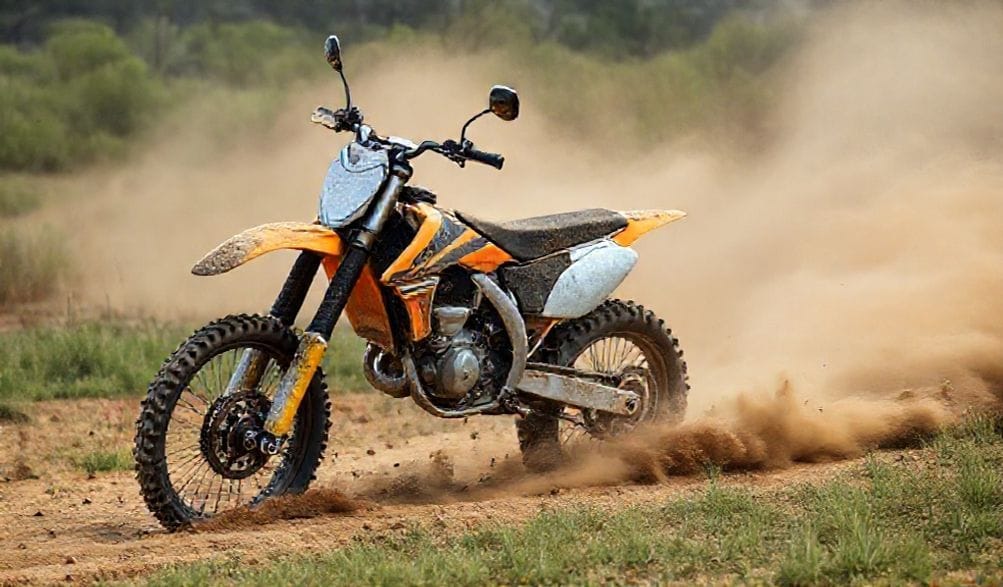
There’s a singular sensation that defines true freedom on two wheels, and it’s not found on smooth asphalt. It’s the rooster tail of dirt arcing behind you, the precise slide of a rear tire through a berm, the suspension soaking up a root-laden trail, and the earthy scent of loam and dust hanging in the air. Off-road riding is a visceral, challenging, and profoundly rewarding pursuit that connects rider, machine, and terrain in a raw, unfiltered dialogue.
But this dialogue requires the right vocabulary. Venturing into the wilderness on a machine built for the street is an exercise in frustration and danger. Success, safety, and sheer enjoyment hinge on choosing equipment engineered for the task. This is where the concept of the “dust motorcycle” comes into sharp focus. More than just a catchy phrase, it encapsulates the entire category of motorcycles—dirt bikes, dual-sports, and adventure bikes—specifically designed to conquer loose, unpaved, and unpredictable environments.
This guide is your comprehensive roadmap to understanding these specialized machines. We’ll move beyond marketing jargon to explore the core philosophy of off-road design, break down the different types of bikes for different missions, and delve into the critical features that separate a true dirt bike from a pretender. We’ll also arm you with essential maintenance knowledge for dusty conditions and provide a practical framework for choosing the bike that matches your skills and dreams. Consider this your expert-backed manual to finding the perfect partner for your next dusty adventure.
What is a “Dust Motorcycle”? Defining the Dirt Bike
Beyond the Name: The Core Philosophy of Off-Road Machines
The term “dust motorcycle” isn’t a formal classification found in a manufacturer’s catalog. Instead, it’s a descriptive, purpose-driven label for any motorcycle whose fundamental design prioritizes performance in loose, unpaved, and challenging conditions—conditions where dust, dirt, mud, and rocks are the primary surfaces.
To understand this, contrast it with a street bike. A sportbike is a masterpiece of pavement performance: stiff suspension for cornering precision, slick tires for maximum grip on clean asphalt, a heavy focus on top-end horsepower, and aerodynamic bodywork. Take it onto a gravel road, and it becomes a nervous, fragile handful.
A dust dirt bike flips this script. Its entire existence is geared towards capability and durability where the road ends. The philosophy prioritizes:
* Lightweight Agility: To change direction quickly over obstacles.
* Long-Travel Suspension: To absorb massive impacts from jumps, rocks, and ruts.
* Knobby Tires: To dig into and find traction in soft, loose, or slippery surfaces.
* Manageable Power Delivery: To provide controllable torque for climbing and technical sections, not just peak speed.
* Durability and Simplicity: To withstand crashes and the invasive nature of dust and debris.
A Brief History of Dirt Bike Evolution
The modern dust dirt bike is the product of decades of evolution. In the early 20th century, enthusiasts simply took standard motorcycles off-road. The 1940s and 50s saw the rise of purpose-built scramblers. The true revolution began in the late 1960s and 70s with Japanese manufacturers like Honda and Yamaha, who introduced lightweight, high-revving two-strokes that dominated motocross and trail riding.
The 1980s brought water-cooling and significant suspension advancements. The 1990s and 2000s witnessed the return and dominance of the four-stroke engine, offering tractable, user-friendly power. Today, the off-road motorcycle is a highly specialized piece of technology, with electronic fuel injection, adjustable mapping, sophisticated linkage-assisted suspension, and lightweight materials like carbon fiber and titanium becoming commonplace—all in the relentless pursuit of mastering dust and dirt.
Types of Dirt Bikes for Dust and Dirt Terrain
Not all off-road bikes are the same. Choosing the right category is the first and most critical step in your search for the perfect dust dirt bike.
Motocross Bikes: For Track Performance
- Characteristics: These are the purebred race machines. They are incredibly lightweight, with powerful, peaky engines designed for explosive acceleration out of corners. Their suspension is stiff and aggressive, tuned for absorbing the big jumps of a manicured motocross track. They typically lack lights, a kickstand, or a quiet muffler.
- Best For: Closed-course competition on prepared dirt tracks. They are demanding to ride and ill-suited for trail riding or public land.
Trail/Enduro Bikes: The Versatile All-Rounder
- Characteristics: This is often the ideal dust dirt bike for most enthusiasts. Trail bikes feature a softer, more manageable power delivery, perfect for technical terrain. They have lighting (often with a headlight and taillight), a kickstand, wider-ratio transmissions for both slow crawling and faster sections, and suspension tuned for unpredictable trail obstacles rather than stadium jumps. They are built for durability and long days in the saddle.
- Best For: Single-track trails, rocky paths, hill climbs, and general off-road exploration. Models like the Honda CRF250F, Yamaha WR250F, or KTM 300 XC-W epitomize this category.
Dual-Sport/Adventure Bikes: On and Off the Pavement
- Characteristics: These bikes are street-legal from the factory, equipped with all necessary lighting, signals, mirrors, and a license plate. They are heavier than pure dirt bikes due to added components and larger fuel tanks. Suspension is softer and travel is shorter, prioritizing comfort over extreme off-road capability. Engines are tuned for a broad powerband and reliability.
- Best For: Riders who need to connect trails via public roads, or who enjoy adventure touring that mixes pavement with fire roads and moderate off-road trails. Think of the Suzuki DR-Z400S or the larger Honda Africa Twin.
Choosing Your Category: Aligning Bike Type with Riding Goals
Ask yourself:
1. Where will I ride 90% of the time? (MX track, tight forest trails, or a mix of road and dirt?)
2. Do I need a license plate to get to my riding areas?
3. What’s my priority: aggressive performance or manageable, friendly fun?
Your answers will point you clearly to one of the three categories above.
Essential Features of a True Off-Road Dirt Bike
Once you know the type, understanding these core features will help you evaluate specific models.
Suspension System: Soaking Up the Rough Stuff
This is arguably the most important system on a dust dirt bike. Quality suspension maintains tire contact with the ground, providing control and safety. Key terms:
* Travel: The distance the wheel can move upward. More travel (often 11-12+ inches) handles bigger hits.
* Adjustability: The ability to tune preload, compression, and rebound damping to match your weight, skill, and terrain. Good suspension feels plush over small bumps but resists bottoming on big impacts.
Tire Technology: Grip and Traction in Loose Conditions
The right knobby tire is your connection to the terrain. Patterns vary drastically:
* Hard Terrain Tires: Have closely spaced, sharp knobs for gripping hard-packed dirt and rocks.
* Soft/Intermediate Terrain Tires: Feature taller, widely spaced knobs that flex to claw into sand, mud, and soft loam. For a true dust dirt bike, an intermediate tire is often the best all-around choice.
Engine Performance: Power Delivery for Control
The engine character is crucial.
* Two-Stroke: Lighter weight, simpler design, and a “hit” of power higher in the RPM range. Requires more clutch work in technical terrain but offers exhilarating acceleration. Requires mixing oil with fuel.
* Four-Stroke: Heavier but delivers smooth, tractable torque from low RPMs, making them easier for beginners and experts alike to manage on tricky trails. More complex but typically requires less frequent, though more involved, maintenance.
For dust and dirt, a linear, controllable powerband (often found in four-strokes and modern fuel-injected two-strokes) is usually more beneficial than explosive, hard-to-manage power.
Frame Geometry and Weight: The Agility Factor
A lightweight chassis with well-balanced geometry inspires confidence. A shorter wheelbase makes a bike flickable in tight woods, while a slightly longer one can improve high-speed stability. The goal is a bike that feels neutral, allows you to move around easily, and doesn’t fight you when the terrain gets loose.
Critical Maintenance for Dusty and Dirty Environments
Riding in dust and dirt is punishing on machinery. Adhering to a strict maintenance regimen is non-negotiable for reliability, performance, and safety. This is where practical expertise separates seasoned riders from newcomers.
The Air Filtration System: Your Engine’s First Line of Defense
In dusty conditions, this is the most frequent and vital task. A clogged air filter allows abrasive dust into the engine, causing rapid wear.
* Frequency: Clean and re-oil the air filter after every single ride in extremely dusty conditions. For moderate dust, every other ride is a minimum.
* Process: Use proper air filter cleaner and specific filter oil (which is tacky to trap dust). Ensure the filter is properly seated with no gaps for unfiltered air to bypass.
Post-Ride Cleaning and Inspection Protocol
Don’t let dirt sit on your bike.
1. Gentle Wash: Spray off mud and dirt, avoiding direct high-pressure spray on bearings, seals, and the air filter intake.
2. Chain Care: Clean, dry, and lubricate the chain to prevent rust and wear from abrasive grit.
3. Bolt Check: Systematically check critical fasteners (axle nuts, brake caliper bolts, subframe bolts) for looseness—vibration can work them free.
4. Inspection: Look for leaks, cracks in the frame or components, and check wheel, steering, and suspension bearings for smooth movement.
Wear Item Monitoring: Brakes, Tires, and Sprockets
Abrasive dust and dirt accelerate wear.
* Brake Pads: Check thickness regularly. Contaminated or worn pads reduce stopping power.
* Tires: Worn knobs equal lost traction. Replace tires before they become dangerously slick.
* Drive Sprockets & Chain: Hooked or pointed teeth on sprockets and a stiff, kinked chain need replacement as a set to ensure smooth power delivery.
How to Choose the Best Dirt Bike for You
Assessing Your Skill Level: Honesty Leads to Better Rides
- Beginner: Prioritize a bike with mild, predictable power, lower seat height, and a reputation for durability (e.g., Honda CRF250F, Yamaha TT-R230).
- Intermediate: You can handle more power and want better suspension. Look at full-size trail bikes or milder enduro models (e.g., Kawasaki KLX300R, Beta 350 RR-S).
- Advanced: You’ll want a bike with high-performance suspension, aggressive power, and lightweight components that match your aggressive riding style.
The Importance of Ergonomics and Fit
A bike must fit your body. You should be able to touch the ground comfortably (at least balls of your feet). Controls should feel natural. Always sit on a bike before buying. A test ride is ideal, but not always possible for new bikes.
New vs. Used: A Balanced Perspective
- New: Warranty, latest technology, no hidden history. Higher upfront cost.
- Used: More bike for your budget. Requires diligent inspection for:
- Frame cracks or bends.
- Fork seal leaks and shock performance.
- Engine condition (check for odd noises, smoke, and smooth operation).
- General upkeep—a clean, well-maintained bike is a good sign.
Budgeting Beyond the Purchase Price
The bike’s price tag is just the start. Factor in:
* Safety Gear: $500 – $1500+ for quality head-to-toe protection.
* Maintenance: Oil, filters, tires, chains/sprockets.
* Repairs: Crashes happen. Budget for levers, plastics, and potential larger fixes.
* Transportation: A truck, trailer, or hitch carrier.
Gearing Up for Safety and Performance
Expert advice always prioritizes rider safety. The right gear is as important as the right bike.
Non-Negotiable Safety Gear
Never ride without:
1. Helmet: DOT and preferably SNELL or ECE certified. It must fit snugly.
2. Goggles: With a tear-off or roll-off system for muddy/dusty conditions.
3. Boots: Sturdy, purpose-built motocross boots with ankle support and protection.
4. Gloves: For grip and hand protection.
5. Body Armor: A roost protector or full chest/back armor is essential for impacts and debris.
6. Pants & Jersey: Durable, breathable materials designed for the sport.
Gear Features that Shine in Dusty Conditions
- Goggle Systems: Tear-offs (layers you rip off) or roll-offs (a fresh roll of film) are crucial for maintaining vision when your lens gets plastered with mud.
- Ventilation: Look for gear with ample mesh panels to keep you cool.
- Moisture-Wicking: Base layers that pull sweat away from your skin increase comfort on long, dusty rides.
FAQ Section
Q1: What’s the best dirt bike brand for beginners?
A: It’s less about brand and more about specific models. Japanese brands like Honda and Yamaha are renowned for their bulletproof reliability and user-friendly beginner bikes (CRF-F, TT-R lines). European brands like KTM and Husqvarna offer high-performance machines that can be great for beginners in their lower-displacement, trail-focused models. Focus on the bike’s purpose, power delivery, and seat height.
Q2: How often should I service my dirt bike if I ride in dusty conditions?
A: Manufacturer service intervals are for ideal conditions. In dust, you must be proactive. The air filter may need service every ride. Engine oil and filter changes should happen 2-3 times more frequently than the manual suggests. Always perform condition-based maintenance—if the oil looks dirty or the filter is clogged, service it.
Q3: Can I make a street-legal motorcycle into a good dirt bike?
A: You can improve a street bike’s off-road capability with knobby tires and crash protection, but you cannot overcome its fundamental design: heavy weight, limited suspension travel, and street-oriented geometry. For serious dirt and dust, a purpose-built dust dirt bike or a factory dual-sport is a far better and safer choice.
Q4: What is the most important skill for riding in loose dirt?
A: Throttle control and looking ahead. Smooth, deliberate throttle inputs prevent the rear wheel from spinning out. Your bike goes where you look, so focus on your intended path, not the obstacle you want to avoid. Taking a certified off-road riding course is the fastest way to build these foundational skills.
Q5: Is a two-stroke or four-stroke better for trail riding?
A: It’s a classic debate with no single winner. Four-strokes are generally preferred for their tractable, easy-to-use low-end torque, making technical climbs and trail riding less demanding. Two-strokes are lighter and have a snappier powerband, which some riders prefer for their agility and explosive power. Modern fuel-injected two-strokes have bridged the gap, offering more controllable power. The best choice often comes down to personal riding style and preference.
Conclusion
The journey to finding your perfect dust dirt bike is a thrilling part of the adventure itself. It’s a process of aligning a purpose-built machine—defined by its agile chassis, capable suspension, and dirt-focused components—with your honest assessment of your own skills and riding aspirations. Remember, the ultimate goal is the ride: the spray of dirt, the challenge conquered, the freedom found far from the pavement.
Success in this sport is a four-part equation: the right machine, a commitment to meticulous maintenance, an investment in quality safety gear, and a dedication to continuous skill development. Now that you’re armed with knowledge, the next step is to get hands-on. Visit a reputable dealership, sit on some bikes, talk to experienced riders, and gear up properly. Your next great dusty adventure awaits.
METADATA_START—
DISPLAY_TITLE: Dust Motorcycles: The Ultimate Guide to Dirt Bikes for Off-Road Adventure
SEO_TITLE: Dust Dirt Bike Guide 2024 | Types, Features, Maintenance & How to Choose
META_DESC: Your complete guide to dust motorcycles & dirt bikes. Learn about types (MX, Trail, Dual-Sport), essential off-road features, critical maintenance for dusty conditions, and how to choose the best bike for your adventure.
IMG_PROMPT: A dynamic, professional photograph of a modern dirt bike in action on a dusty desert trail. The bike (a Honda CRF or similar) is leaning into a corner, kicking up a dramatic rooster tail of brown dirt. The rider is fully geared in colorful motocross apparel. The scene is shot in late afternoon with warm, golden hour sunlight highlighting the dust cloud. The background shows rugged, arid terrain and a clear blue sky.
—METADATA_END—