
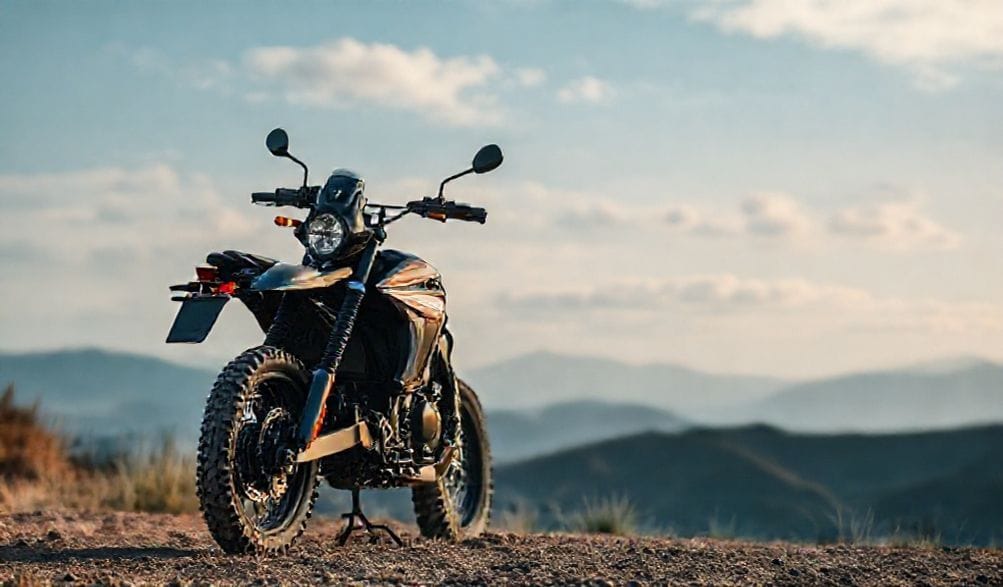
The Ultimate Guide to Electric Adventure Motorcycles: Off-Road Capability Meets Zero Emissions
Imagine cresting a remote mountain pass, the only sounds being the crunch of gravel under your tires and the whisper of the wind. You glide through a silent forest, observing wildlife undisturbed by the mechanical roar of an internal combustion engine. This is the promise of the electric adventure motorcycle—a fusion of off-road capability, long-distance touring potential, and zero-emissions exploration. It’s not a distant future concept; it’s a growing segment of the motorcycle industry, redefining what it means to venture into the unknown.
The broader shift towards electrification on two wheels is undeniable, but the adventure segment presents a unique and demanding crucible for this technology. These bikes aren’t just urban commuters; they are built for punishing terrain, variable weather, and journeys far from the comfort of city infrastructure. The transition here is about more than swapping a gas tank for a battery. It’s about reimagining the rhythm of adventure itself.
This guide serves as your comprehensive resource for navigating the exciting, evolving world of electric adventure motorcycles. We’ll move beyond the spec sheets to explore the core philosophy of these machines, evaluate the current models hitting the trails, and dissect the real-world riding experience—the unparalleled joys and the practical puzzles. We’ll cover essential ownership considerations, from charging logistics to cost, and offer concrete advice for planning your first electric adventure tour. Drawing on manufacturer data, rider reports, and industry analysis, this overview aims to provide a balanced, expert perspective for the curious rider ready to explore the silent frontier.
What Defines an Electric Adventure Motorcycle?
Core Design Philosophy: Capability Over Compromise
At its heart, an adventure motorcycle is a tool for exploration. Its design is a deliberate compromise, blending the durability and suspension travel of a dirt bike with the comfort, weather protection, and load-carrying capacity of a touring machine. An electric adventure motorcycle must uphold this same philosophy. It requires robust construction, long-travel suspension, commanding ergonomics for all-day comfort, and mounting points for luggage. The electric powertrain isn’t a gimmick; it’s integrated to serve this core purpose of capable, versatile travel, whether on a paved alpine pass or a rocky desert track.
Key Technical Differentiators from Gas-Powered ADV Bikes
The electric drivetrain fundamentally changes the mechanical experience:
* Instant Torque Delivery: The most transformative feature. Electric motors deliver 100% of their torque from 0 RPM. This translates to effortless, precise power on technical terrain—crawling over obstacles, navigating slippery roots, or climbing steep hills with impeccable control, without the need to manage a clutch or select the perfect gear.
* The Absence of a Transmission: Most electric motorcycles use a single-speed reduction gear. This simplifies operation enormously—there’s no clutch lever and no gear shifting. Engine braking is often managed through regenerative braking systems, which can feel different than the compression braking of a gas engine but offers customizable levels of deceleration.
* Lower Center of Gravity: The heaviest component, the battery pack, is typically mounted low in the frame, often in the traditional engine cavity. This gives many electric adventure bikes a notably low center of gravity, enhancing stability and making them feel less top-heavy than their gas-powered counterparts, especially at low speeds.
How “Range” Means Something Different Off-Road
For an electric car, range is a relatively predictable highway number. For an electric adventure motorcycle, the stated range is merely a starting point. Off-road, energy consumption skyrockets. Variables like:
* Terrain: Deep sand, mud, and rocky climbs demand high power.
* Speed: Slow, technical riding uses energy continuously.
* Elevation Gain: Climbing a mountain consumes battery; regenerating on the descent only recovers a fraction.
* Rider Weight & Luggage: Added mass has a direct impact.
A bike with a 150-mile highway range might deliver only 60-80 miles of aggressive off-road riding. Understanding and planning for this “real-world” range is the first lesson in electric adventure.
Evaluating the Current Landscape of Electric ADV Bikes
Production Models Available Today (2024)
The market is small but maturing rapidly, with a few key players establishing distinct positions.
- Zero Motorcycles DSR/X: Positioned as the premium, full-featured electric ADV tourer. It boasts impressive specs (up to 180 city miles of range), sophisticated software (Cypher III+) with multiple ride modes and customizable regen, and ADV-specific features like standard cruise control and a tall windscreen. It’s the closest electric equivalent to a BMW R 1250 GS Adventure in spirit and capability.
- Energica Experia: The Italian contender focuses on high-performance touring. Its liquid-cooled motor is a powerhouse, and it stands out with true DC fast-charging capability (via CCS), allowing for quicker top-ups on long journeys. Its design leans more toward the sport-touring side of adventure but with the suspension and ergonomics to handle light off-pavement duties.
- Segway Cycle Xyber: A newer, more affordable entrant with a radical, cyberpunk aesthetic. It offers a compelling price-to-performance ratio and brings a fresh design language to the category, appealing to a rider looking for something distinctly different from traditional ADV styling.
The Promise of Upcoming Models & Concepts
The landscape is poised for growth. Brands like Stark Future, which revolutionized electric motocross with the VARG, have clearly demonstrated the potential for high-performance, lightweight electric off-road platforms. An adventure variant from such a company is a logical and highly anticipated next step. Other prototypes and concept bikes from both startups and established manufacturers suggest a future with more options, lighter weights, and longer ranges.
Conversion Kits and DIY Electric ADV Projects
For the true tinkerer, converting an existing gas-powered adventure bike to electric is a niche but passionate pursuit. Companies offer conversion kits that replace the engine with a motor and battery pack. The pros include ultimate customization and breathing new life into a beloved chassis. The cons are significant: high cost, technical complexity, and the challenge of packaging batteries without compromising the bike’s geometry or functionality. It’s a path for experienced enthusiasts, not a turnkey solution.
The Real-World Riding Experience: Pros and Cons
Unmatched Advantages on the Trail
- Silent Exploration: This is the most profound benefit. The quiet operation deepens the connection to the environment, allows you to hear subtle trail sounds, and dramatically increases wildlife sightings. It’s a more immersive, less intrusive way to experience nature.
- Instant, Controllable Power: The throttle becomes a precision instrument. Power delivery is smooth, linear, and immediate. This builds immense confidence in tricky sections where controlled power is paramount.
- Low Maintenance: The drivetrain simplification is a huge ownership benefit. Say goodbye to oil changes, coolant flushes, air filter servicing, spark plug replacements, and valve adjustment checks. The chain or belt and brakes still need care, but the list of routine chores is slashed.
- Regenerative Braking: This isn’t just for extending range. On long descents, setting a high regen level can provide significant engine braking, saving your physical brakes and offering a unique, one-pedal-like control feel.
The Practical Challenges of Electric Adventure
- Range Anxiety & Route Planning: The freedom of “going wherever the road takes you” requires more forethought. Trips must be planned around energy, not just distance. This can feel restrictive but also adds a new layer of strategic engagement to tour planning.
- Charging Infrastructure in the Wilderness: There are no gas stations on single-track. Success requires identifying charging points at destinations: campgrounds with RV outlets (NEMA 14-50), lodges, or even friendly businesses. Portable solar arrays are an option, but they are slow and best for topping up over a multi-day camp.
- Weight Considerations: While the low CG helps handling, the overall weight of current electric adventure motorcycles (often 500+ lbs) is a factor. Picking up the bike in deep mud or on a steep slope is a physical challenge, and heavy weight can accelerate fatigue in demanding off-road sections.
- Charge Time vs. Refuel Time: A 5-minute gas stop becomes a 1-2 hour fast-charging session or an overnight Level 2 charge. This changes the rhythm of a journey, encouraging longer stops to explore a town or enjoy a meal—a shift some riders welcome and others find frustrating.
Essential Ownership Considerations
Understanding Battery Health and Longevity
The battery is the heart of the bike. Modern lithium-ion packs are durable, but their lifespan is influenced by:
* Charging Habits: Avoiding consistently charging to 100% or draining to 0% for daily use helps longevity. Most BMS (Battery Management Systems) allow setting a daily charge limit.
* Temperature: Extreme heat and cold stress batteries. Storing the bike in a moderate climate is ideal.
* Warranty: Most manufacturers offer 5-year/unlimited-mile battery warranties, guaranteeing the pack will retain a certain capacity (e.g., 70%) over that period.
The Charging Ecosystem: From Home to Backcountry
- Home Base: A 240V Level 2 charger is highly recommended for convenient overnight charging. A standard 120V outlet (Level 1) works but is very slow.
- On the Road: Public DC Fast Charging (CCS or CHAdeMO) is the highway-touring solution. Understanding your bike’s plug type and using apps like PlugShare is essential.
- In the Backcountry: Your toolkit expands to include a heavy-duty extension cord, a variety of adapters (for TT-30, NEMA 14-50, etc.), and a plan to find outlets. Portable power stations or solar are for emergency backups, not primary charging.
Calculating Total Cost of Ownership (TCO)
Electric adventure motorcycles have a higher upfront purchase price. The TCO analysis, however, tells a different story:
* Savings: Eliminate costs for gas, engine oil, filters, and many mechanical services.
* Energy Cost: “Fueling” with electricity is significantly cheaper per mile than gasoline.
* Future Cost: The potential need for a battery replacement after many years is a future cost to consider, though by the time it’s needed, replacement costs will likely have fallen.
For a high-mileage rider, the savings can offset the initial premium over time.
Preparing for an Electric Adventure Tour
Trip Planning and Navigation Tools
Specialized tools are your best friend:
* A Better Routeplanner (ABRP): The gold standard for EV route planning. It factors in your bike’s efficiency, weight, elevation changes, and weather to plot routes with necessary charging stops.
* Rever: A popular motorcycle-focused app that is integrating EV charging station data, allowing you to overlay charging points onto your favorite scenic routes.
* PlugShare: The community-driven database for all charging stations, complete with user reviews and photos to check outlet types and accessibility.
Essential Gear for the Electric Adventurer
Beyond standard ADV gear (tools, tubes, first-aid), pack:
* Charging Cables & Adapters: Your bike’s mobile charging cable plus adapters for common outlet types (NEMA 5-15 to 14-50, TT-30, etc.).
* Heavy-Duty Extension Cord: A 50-foot, 12-gauge outdoor-rated cord to reach distant outlets.
* Battery-Powered Tire Inflator: A compact, high-PSI inflator is lighter and more convenient than trying to power a 12V compressor from your bike’s accessory port.
* Large-Capacity Power Bank: To keep your phone, GPS, and headset charged, as you may not want to drain the bike’s 12V system for accessories.
Mastering Efficient Riding Techniques
- Use Regen Wisely: In hilly terrain, use high regen on descents to recapture energy. On flat ground, lower regen can make for a coasting, more efficient ride.
- Manage Speed: Aerodynamic drag is a major range killer. A steady, moderate pace is far more efficient than high-speed blasts.
- Read the Terrain: Anticipate obstacles to maintain momentum rather than stopping and starting. Smooth throttle inputs are key.
Frequently Asked Questions (FAQ)
Q: What is the real-world range I can expect on mixed terrain?
A: For current production models, plan for 60 to 120 miles on a mixed route of pavement and off-road. Aggressive, slow-speed technical riding will push you toward the lower end, while gentle gravel roads at moderate speeds will extend it toward the upper limit. Always plan a conservative buffer.
Q: How long does it take to charge, and can I charge anywhere?
A: Charging time varies dramatically. A standard 120V household outlet (Level 1) can take 12+ hours for a full charge. A 240V Level 2 charger cuts that to 4-8 hours overnight. DC Fast Charging can bring the battery from 20% to 80% in about 1-2 hours. You can charge anywhere you can access a compatible outlet, which is both an advantage and a logistical challenge.
Q: Are electric adventure motorcycles good for beginners?
A: They have beginner-friendly traits: no clutch to stall, smooth power delivery, and simple operation. However, their high weight and premium cost are significant barriers. A lighter, less expensive standard electric motorcycle or a traditional beginner bike is often a more practical starting point.
Q: Is the maintenance really that much lower?
A: Yes, significantly. You eliminate all engine- and transmission-related fluids, filters, and adjustments. You will still maintain tires, brakes, suspension linkages, steering head bearings, and the final drive (chain or belt). The electrical system and battery require no routine owner maintenance.
Q: What happens if I run out of battery in a remote area?
A: Prevention is key. Use conservative range planning and apps. If you do get stranded, your options are limited: call for a flatbed tow, or if you have a portable power source (like a large power station you’ve charged beforehand), you might get enough juice to reach the next outlet. Always have a communication device (satellite messenger) and share your itinerary.
Conclusion
The electric adventure motorcycle represents not just a change in propulsion, but a new philosophy of exploration. It trades the roar and ritual of internal combustion for silent immediacy and mechanical simplicity. It offers a profoundly different, more connected way to experience the trails, coupled with tangible ownership benefits.
The current verdict is balanced. These machines are not yet the do-it-all, go-anywhere replacements for their gas-powered cousins, primarily due to the realities of energy density and charging logistics. Instead, they are ideal for a specific rider: the tech-embracing adventurer who values a lower environmental impact, minimal maintenance, and enjoys the strategic challenge of energy management as an integral part of the journey. They excel at destination-based adventures, forest service road exploration, and tours where charging can be incorporated into the daily stop.
The future is bright. As battery technology advances, charging infrastructure expands, and more manufacturers enter the fray, the compromises will shrink, and the capabilities will grow. The electric adventure motorcycle is more than a niche; it’s a compelling glimpse into the future of two-wheeled travel. If you’re curious, the best advice is to seek out a demo ride. Feel the instant torque, experience the silence, and decide if this new kind of adventure calls to you. The trail ahead is quiet, and it’s waiting.
METADATA_START—
DISPLAY_TITLE: The Ultimate Guide to Electric Adventure Motorcycles (2024)
SEO_TITLE: Electric Adventure Motorcycle Guide 2024: Models, Range, Charging & Riding Tips
META_DESC: Considering an electric adventure motorcycle? Our ultimate 2024 guide covers top models like Zero DSR/X, real-world range, charging logistics, costs, and how the riding experience differs from gas-powered ADV bikes.
IMG_PROMPT: A sleek, modern electric adventure motorcycle parked on a rocky mountain trail at sunrise, with a panoramic landscape of mountains and forests in the background, highlighting its rugged design and clean, zero-emissions technology.
—METADATA_END—