
The Ultimate Guide to Electric Dirt Bikes: Style, Power & Off-Road Adventure
For many, the raw, aggressive look of a dirt bike is the epitome of two-wheeled freedom. It’s a symbol of rebellion, capability, and a direct connection to untamed trails. But what if you could capture that iconic style without the noise, fumes, and high maintenance of a gas engine? Enter a new breed of electric bikes engineered to look and perform like their gas-powered counterparts. This guide is crafted from extensive research and industry knowledge to help you navigate the exciting world of electric bikes that look like dirt bikes. We’ll cut through the marketing to explore the top models, key features, and real-world considerations, empowering you to choose an e-bike that delivers both thrilling aesthetics and authentic off-road capability.
Why Choose an Electric Bike That Looks Like a Dirt Bike?
The search for electric bikes that look like dirt bikes isn’t just about transportation; it’s about fulfilling a specific desire. It’s for the rider who wants the visceral thrill and rugged appearance of a motocross machine but values the practicality and accessibility of modern e-bike technology.
The Allure of the Dirt Bike Aesthetic
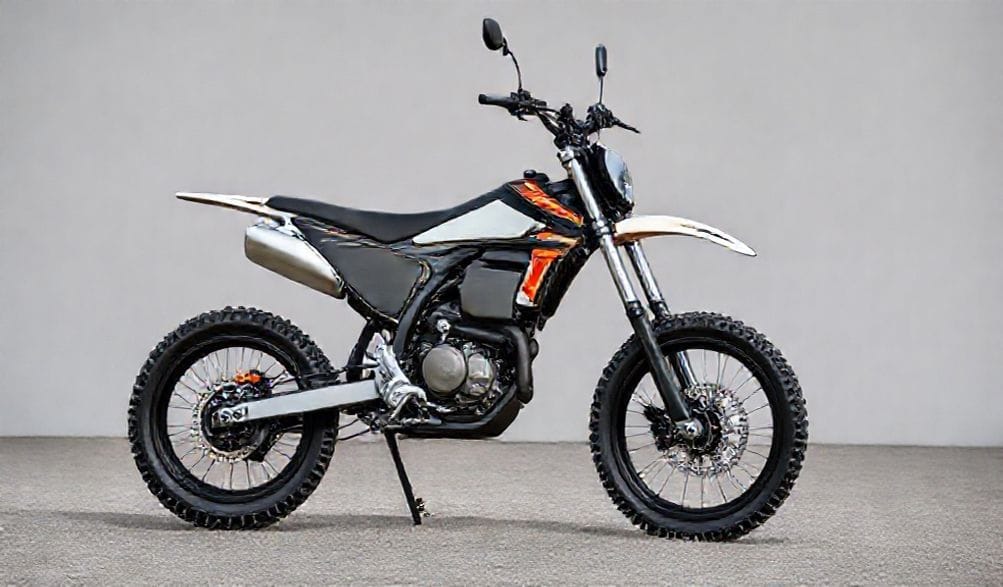
The design language of a dirt bike is unmistakable: an exposed, cradle-style frame, long-travel suspension, knobby tires, a high-mounted front fender, and minimalist bodywork that screams performance. Choosing an e-bike with this aesthetic is a statement. It sets you apart from the sea of commuter and cruiser e-bikes, projecting an image of adventure and capability before you even hit the throttle. It taps into a rich motorsport culture, offering a piece of that identity in a more accessible, everyday package.
Practical Advantages Over Traditional Dirt Bikes
Beyond looks, these e-bikes offer compelling practical benefits that address the pain points of gas-powered ownership:
- Silent Operation: This is a game-changer. You can explore nature trails at dawn, ride through wooded areas, or practice in local spaces without disturbing wildlife, hikers, or violating noise ordinances. The quiet hum of the motor lets you hear the world around you.
- Radically Lower Maintenance: Forget oil changes, spark plugs, air filter cleaning, and carburetor tuning. Electric drivetrains have far fewer moving parts. Maintenance revolves around the battery, brakes, chain, and tires—drastically reducing cost, complexity, and downtime.
- Ease of Use: Instant, linear torque from a standstill makes technical climbs easier. There’s no clutch to feather or gear to stall in. The simplified controls (often just a throttle and pedal assist settings) make off-roading more accessible to beginners and less physically demanding for experts.
- Environmental & Cost Benefits: Zero direct emissions means a cleaner ride. “Refueling” costs pennies per charge compared to gasoline, and home charging is incredibly convenient.
Legal and Accessibility Perks
In many regions, electric bikes that look like dirt bikes can enjoy privileges their gas twins cannot. Most qualify as Class 1, 2, or 3 e-bikes (pedal-assist with speed limits), granting them access to a vast network of bike paths, greenways, and multi-use trails where motorized vehicles are prohibited. Often, they require no motorcycle license, registration, or insurance, removing significant barriers to entry. Always check your local laws, as regulations vary.
Key Features to Look For in an Electric Dirt Bike
Not all e-bikes with knobby tires are created equal for off-road duty. To ensure your bike matches its aggressive looks with real performance, focus on these critical specifications.
Motor Power & Torque: The Heart of Performance
For off-road riding, torque is king. Look beyond just wattage (e.g., 750W). Pay attention to Newton-meters (Nm), which measure rotational force. A high-torque motor (65Nm+) will claw its way up steep, loose hills where a less powerful motor would falter.
- Mid-Drive vs. Hub Motor: For serious electric bikes that look like dirt bikes, a mid-drive motor is almost always superior. Mounted at the bike’s cranks, it leverages the bicycle’s gears, providing better weight distribution (lower center of gravity), more efficient power delivery on climbs, and less strain on the rear wheel. Hub motors can struggle with heat dissipation during sustained climbs and affect handling.
Battery Range & Real-World Expectations
Manufacturer range claims are best-case scenarios. The true measure is watt-hour (Wh) capacity (Volts x Amp-hours). A 750Wh battery will generally last longer than a 500Wh one.
Your actual range will be slashed by:
* Terrain: Hills consume power rapidly.
* Rider Weight & Cargo: More mass requires more energy.
* Assist Level/Throttle Use: Max power and constant throttle drain the battery fastest.
* Tire Pressure & Terrain: Soft sand or mud increases rolling resistance.
For trail riding, a minimum of 500Wh is recommended, with 700Wh+ being ideal for longer adventures. Integrated batteries often enhance the dirt bike aesthetic and improve frame rigidity.
Frame Geometry, Suspension & Brakes
This is where the “dirt bike” functionality is proven.
* Frame & Geometry: Seek a sturdy aluminum or steel frame with an aggressive stance—a slack head tube angle for stability at speed and a high bottom bracket for ground clearance.
* Suspension: Don’t compromise. Look for an air-sprung or coil-sprung fork with at least 120mm of travel and a quality rear shock if it’s a full-suspension model. This soaks up impacts, maintains traction, and protects both bike and rider.
* Brakes: Hydraulic disc brakes are non-negotiable. They offer superior modulation, consistent power in wet/muddy conditions, and less hand fatigue than mechanical discs. Large rotors (180mm+) provide better heat dissipation on long descents.
Tires, Weight, and Build Quality
- Tires: Authentic, wide knobby tires (2.4” to 3.0” wide) are essential for loose dirt, gravel, and mud traction. Look for reputable, puncture-resistant brands.
- Weight: Yes, electric bikes that look like dirt bikes are heavy—often 60-80 lbs. However, the motor’s power effectively neutralizes this weight while riding. The trade-off is a more planted, stable feel at the cost of manual maneuverability when lifting or pushing the bike.
Top Electric Bikes with Dirt Bike Style (2024)
Here are three standout models that exemplify the category of electric bikes that look like dirt bikes, catering to different riders and budgets.
High-Performance Contender: Super73 S2 / RX Series
- Best for: The rider who prioritizes iconic, motocross-inspired style and potent throttle performance for trails and urban exploration.
- Key Specs: 1000W+ peak power hub motor (high torque variants available), 20″ x 5″ ultra-knobby tires, full suspension on RX models, hydraulic brakes. Known for its massive battery options (up to 40Ah).
- Aesthetic Analysis: The Super73 defined the “moped-style” e-bike craze. Its long bench seat, minimal frame, and moto-style body panels are a direct homage to 1970s dirt bikes and pit bikes. It’s arguably the most recognizable silhouette in the category.
Best Value & Versatility: Ride1Up Revv 1
- Best for: Riders seeking a true moped-style experience with incredible spec-for-dollar value and dual-purpose (trail/street) capability.
- Key Specs: 750W (1400W peak) mid-drive motor, full suspension, hydraulic brakes, 20″ x 4″ tires. Offers both pedal-assist and a twist-grip throttle for a motorcycle-like feel.
- Aesthetic Analysis: With its moto-style handlebars, dual-crown fork, and integrated lighting, the Revv 1 looks like a street-legal dirt bike or supermoto. It balances aggressive styling with practical features like turn signals and a horn for road legality.
Lightweight & Agile Option: Luna Cycles Eclipse
- Best for: Experienced riders and performance enthusiasts who want a lightweight, nimble, and wildly powerful e-MTB that can be built to mimic a downhill or enduro dirt bike.
- Key Specs: Built around high-end mountain bike frames (like the Surly Karate Monkey) with a ludicrously powerful Bafang M600 mid-drive motor. Features premium components like Fox suspension and Magura brakes. Lightweight relative to its power.
- Aesthetic Analysis: This is a stealth approach. It looks like a serious, high-end mountain bike at first glance, but the aggressive geometry, long-travel suspension, and massive motor give it the capability and stance of an electric enduro motorcycle. It’s for those who want performance first, with the aesthetic being a byproduct of that function.
Riding and Ownership Considerations
Where Can You Legally Ride?
This is the most critical question. The law distinguishes based on power, top speed, and whether it has operable pedals.
* Class 1/2/3 E-Bikes: Have functional pedals, motor assists only up to 20mph (Class 1/2) or 28mph (Class 3). Typically allowed on bike paths and many non-motorized trails. Most of the bikes discussed here, when using pedal-assist modes, fall into these classes.
* Electric Motorcycles/Mopeds: If a bike is throttle-only and can exceed 28mph without pedaling, it is likely classified as a moped or motorcycle, requiring license, registration, and insurance. It is typically not allowed on bike paths or non-motorized trails.
Crucial Disclaimer: Always verify the classification of your specific e-bike model and your local city, county, and state laws before riding on any trail or path. Land management agencies (like BLM or USFS) also have their own rules for motorized use.
Safety Gear is Non-Negotiable
If you’re riding an electric bike that looks like a dirt bike on trails, you should dress like a dirt bike rider. The capability invites more aggressive riding, which increases risk.
* Full-Face Helmet: Protects your chin and face in a forward fall.
* Goggles: Keep dirt, dust, and branches out of your eyes.
* Gloves: Improve grip and protect your hands in a fall.
* Boots: Sturdy, over-the-ankle boots protect your feet and ankles.
* Body Armor/Jersey: Padded jackets, knee/shin guards, and elbow guards can prevent serious injury.
Maintenance Basics for Longevity
While simpler than a gas bike, maintenance is still key:
1. Chain & Drivetrain: Clean and lubricate regularly, especially after muddy rides.
2. Brakes: Check pad wear and bleed hydraulic lines as needed.
3. Tires: Maintain proper pressure for terrain and check for wear/cuts.
4. Suspension: Keep stanchions clean and service according to the manufacturer’s schedule.
5. Battery Care: Store in a cool, dry place. Avoid draining it to 0% or leaving it at 100% charge for extended periods. Use the manufacturer’s charger.
Frequently Asked Questions (FAQ)
Q: Do I need a license to ride an electric bike that looks like a dirt bike?
A: It depends entirely on the bike’s classification. Most pedal-assist e-bikes (Classes 1-3) do not require a license in the US. However, if it’s a throttle-only vehicle with high speed/power that can be operated without pedaling, it may be classified as a moped or motorcycle, requiring registration, insurance, and a license. Always check your local DMV regulations.
Q: How fast can these electric dirt bikes go?
A: When configured as legal Class 2 e-bikes, their motor assistance cuts off at 20 mph. Class 3 cuts off at 28 mph. Some models have “off-road” modes that remove this governor, but using such modes on public land may be illegal and is only advisable on private property.
Q: Are they good for actual off-roading and trails?
A: The high-performance models with robust suspension, knobby tires, and mid-drive motors are excellent for single-track trails, fire roads, and technical terrain. However, they are generally not built for the extreme jumps and impacts of professional motocross. They excel at trail exploration, hill climbs, and rugged adventure riding.
Q: What’s the typical price range?
A: Expect to pay a premium for this specialized style and performance. Quality electric bikes that look like dirt bikes start around $2,500, with high-end performance models easily reaching $5,000 to $8,000+. This reflects their specialized frames, motors, batteries, and suspension components.
Q: Can they get wet? Are they waterproof?
A: Most have an IP rating for water and dust resistance (e.g., IP65). They can handle rain, puddles, and muddy conditions. However, they are not submarines. Avoid submerging the motor or battery, and high-pressure spray directly at electrical connections is not advised. Always check the manufacturer’s specific waterproofing claims.
Conclusion
Choosing an electric bike that looks like a dirt bike is about more than just finding a novel way to get around. It’s about merging a passion for iconic motorsport style with the smart, sustainable, and accessible benefits of modern electric technology. These machines offer a thrilling, low-barrier gateway to off-road adventure, community, and a unique form of self-expression.
Your perfect match depends on balancing desired performance with budget and, most importantly, a clear understanding of local riding laws. Prioritize the key features that matter for your terrain: a torque-rich mid-drive motor, realistic battery capacity, and serious suspension. Test ride if possible, invest in safety gear equal to the bike’s capability, and purchase from a reputable company with strong customer support.
Now, get out there and explore the trail—quietly, powerfully, and in undeniable style.
METADATA_START—
DISPLAY_TITLE: The Ultimate Guide to Electric Bikes That Look Like Dirt Bikes (2024)
SEO_TITLE: Electric Bikes That Look Like Dirt Bikes: 2024 Buyer’s Guide & Top Picks
META_DESC: Want the style of a dirt bike with e-bike ease? Our expert guide reviews the best electric bikes that look like dirt bikes, covering power, range, laws, and top models for off-road adventure.
IMG_PROMPT: A dynamic, professional photo of a rider on a sleek, black electric bike with a dirt bike aesthetic, hitting a forest trail. The bike has knobby tires, motocross-style bodywork, and full suspension. The rider is wearing a full-face helmet and protective gear. Sunlight filters through the trees, conveying adventure and power.
—METADATA_END—