
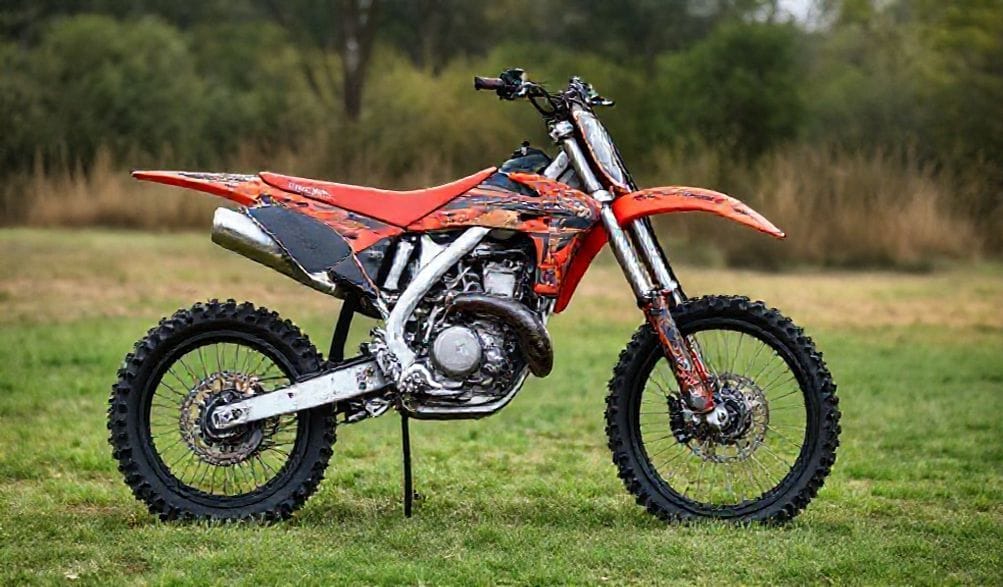
Finding a Reliable Dirt Bike for $500: A Realistic Guide for Beginners
Introduction
The dream is universal: the freedom of the trails, the thrill of the ride, all without breaking the bank. It’s why searches for a “300 dollar دراجة طريق وعرة” أو “dirt bikes for 500” are incredibly common among hopeful new riders and budget-conscious parents. This guide is written directly for you. We’re here to address that search intent with a heavy dose of honesty and years of hard-earned mechanical expertise.
Let’s be clear from the start: finding a safe, functional, and reliable dirt bike at this price point is a significant challenge. It’s the bargain-hunter’s extreme sport. But with the right knowledge, a sharp eye, and managed expectations, it’s not impossible. This isn’t just a list of bikes for sale; it’s a practical roadmap built on real-world experience. Our core mission is to steer you away from dangerous money pits and toward a smart, safe purchase that leads to genuine enjoyment. We adhere to a simple principle: safety and long-term value must always trump a tempting, too-good-to-be-true price tag. Let’s begin by understanding the landscape you’re about to enter.
Understanding the Real-World Market for Budget Dirt Bikes
Before you open a single marketplace app, you need a firm grasp on what $500 truly means in the world of dirt bikes. This isn’t about pessimism; it’s about setting a strategic foundation for your search.
The Truth About “New” Dirt Bikes Under $500
If you see an ad for a brand-new dirt bike priced at $300-$500, proceed with extreme caution. Legitimate, name-brand entry-level models from Honda, Yamaha, Kawasaki, or KTM start at nearly triple that price for a reason—engineering, materials, and safety testing cost money.
The bikes you’ll find in this ultra-cheap “new” category are typically generic, no-name brands sold on Amazon, Walmart, or other big-box retailers. From hands-on experience, these machines are fraught with risk:
- Poor Materials: Components like levers, footpegs, and frame welds are often made from brittle, low-grade metals and plastics that can snap under stress.
- Zero Parts Support: When (not if) something breaks, finding a replacement brake lever or clutch cable can be a nightmare. There’s no dealership network or standardized parts diagrams.
- Serious Safety Concerns: We’ve seen everything from throttles that stick open, to brake lines that fail, to front forks that buckle on light impacts. These are not minor inconveniences; they are crash-inducing failures.
The Experience Bottom Line: That $300 new bike will almost certainly cost you another $400 in immediate repairs, upgrades, and frustration, assuming you can even find the parts. It’s a false economy.
The Pre-Owned Market: Your Primary Hunting Ground
For a $500 budget, the used market is your only viable arena. This is where patience and knowledge become your greatest assets. A used bike from a reputable brand, even if it’s 15 years old, is almost always a better investment than a new generic bike.
To set expectations, here are typical price ranges (varying heavily by region) for common, durable entry-level bikes in different conditions:
- Project/Non-Running: $100 – $300. A major gamble requiring mechanical skill.
- Running, but Needs Work: $300 – $600. This is your target zone. The bike starts and moves, but will require immediate safety and maintenance items (tires, chain, brakes).
- Good, Ready-to-Ride Condition: $800 – $1,500+. A bike in this category is usually outside the strict $500 budget but represents a significantly better starting point.
Your mission is to find a diamond in the “Running, but Needs Work” rough. The key is knowing what to look for.
Critical Pre-Purchase Inspection Checklist (Expertise in Action)
This is the most important section. Never buy a used dirt bike based on photos or promises alone. Always inspect it in person. Bring a friend, a flashlight, and this checklist.
Safety-First Mechanical Inspection
Start with the fundamentals that keep the bike (and you) in one piece.
- Frame & Fork: Run your hands along the frame tubes, especially near welds and engine mounts. Look for any cracks, deep rust, or obvious bends. Check the front forks for straightness and any signs of major oil leakage.
- Wheels & Tires: Spin both wheels. They should spin freely without wobbling side-to-side (a “wobble” indicates a bent rim). Squeeze spokes; none should be loose or missing. Tires should have decent tread left and no deep cracks or gashes.
- المكابح: Pull the front brake lever and press the rear brake pedal. They should feel firm, not mushy or go all the way to the handlebar/grip. Visibly check brake pad thickness through the caliper and look at the rotor/drum for deep grooves.
- نظام التعليق: Push down hard on the handlebars and the seat. The suspension should compress and rebound smoothly without making nasty squeaking or clunking sounds. Look for oil residue on the fork seals or shock body.
Engine & Drivetrain Health Assessment
Now, assess the heart of the machine.
- The Cold Start: This is non-negotiable. You must hear the bike start from completely cold. A bike that “just needs a carb clean” often has deeper issues. Listen for excessive rattling, knocking, or screeching.
- Smoke & Leaks: As it starts and idles, look at the exhaust. A little white smoke (condensation) is normal. Blue smoke means the engine is burning oil—a sign of worn piston rings or valve seals, a potentially expensive fix. Look under the bike for fresh puddles or significant oil coating the engine cases.
- Transmission: With the bike warmed up and the clutch pulled in, click through the gears. It should shift without loud clunks or refusing to engage. Test the clutch engagement; it should be smooth, not grabby or slipping.
- المكابح: A worn drivetrain is a telltale sign of neglect. Look at the rear sprocket teeth. If they are hooked or sharp like shark fins, it’s worn out. A rusty, stiff, or overly loose chain also needs replacement.
The All-Important Test Ride (If Possible)
If the seller allows and you are in a safe, open area, a short test ride is invaluable.
- المكابح: Test them at low speed. Do they stop the bike effectively and evenly?
- Throttle Response: Is it crisp, or does the engine bog or hesitate?
- Handling: Does the bike track straight, or does it pull to one side (indicating a bent frame or fork)?
- Listen: Beyond the engine, listen for clunks from the suspension, grinding from the brakes, or rattles from loose parts.
The Best “Budget-Friendly” Dirt Bike Models to Look For
Your $500 will go furthest if you target known, reliable platforms. These bikes were over-engineered for durability, and parts are still plentiful and affordable.
Trusted Entry-Level Models (Older Years)
Focus your search on these workhorses. A well-maintained example from the early 2000s is a far wiser purchase than a flashy, unknown bike from last year.
- هوندا: The king of reliability. Look for the XR50R, XR70R, XR100R, or the newer CRF50F, CRF70F, CRF100F. These air-cooled, four-stroke bikes are simple, tough, and easy to work on.
- ياماها: Another stellar brand. The PW50 is the iconic beginner bike. The TTR-90, TTR-110, and TTR-125 are fantastic, trail-friendly four-strokes.
- كاواساكي: الـ KLX110 is a direct competitor to Honda’s CRF and Yamaha’s TTR line, known for its great suspension and bulletproof engine.
The Expert Verdict: A 2005 Honda XR100 that needs a new chain and tires is a superior project to a 2022 “Amazon Special” that’s never been ridden.
Pit Bikes and Mini Bikes: A Note of Caution
You’ll see many small “pit bikes.” There’s a crucial distinction:
* Name-Brand Minis: Like the Honda CRF50 or Yamaha PW50. These are quality, scaled-down motorcycles.
* Generic Pit Bikes: Often Chinese-made clones of Honda designs.
الإيجابيات: They are undeniably cheaper upfront and can be fun for casual, low-speed use.
Cons (From Experience): Quality control is a lottery. Fasteners strip easily, electrical systems are flaky, and while parts exist online, finding the right part for your specific model can be a headache. They rarely hold value.
Factoring in the Hidden Costs of a $500 Bike
This is where trust is built—by being brutally honest about the true cost. The purchase price is just the entry fee.
Immediate “Must-Do” Repairs and Maintenance
Assume your new $500 bike needs the following for safety and basic reliability. You can do some work yourself to save money.
- Fluids Change: Engine oil, filter, and coolant (if liquid-cooled). ~$30-$50
- مرشح الهواء: Clean or replace. ~$15-$25
- Chain & Sprocket Set: If worn. ~$60-$120
- Tires & Tubes: If cracked or bald. ~$100-$200+
- Brake Pads/Fluid: ~$30-$60
- Miscellaneous: Grips, levers, cables. ~$20-$50
Realistic Immediate Investment: $200 – $500+. This is why a $300 bike rarely stays a $300 bike.
Essential Safety Gear: Non-Negotiable Expenses
This budget is separate from the bike and is not optional. You can find quality used gear, but never a used helmet.
- Helmet (DOT/SNELL certified): ~$100-$250
- نظارات الوقاية: ~$30-$60
- القفازات: ~$20-$50
- Boots (Motocross/Off-Road): ~$100-$250+
- Chest Protector/Jersey/Pants: ~$100-$200+
Gear Investment: $350 – $800+. Protecting your body is infinitely more important than the bike you ride.
Where to Search and How to Negotiate
Best Platforms for Finding Deals
- Facebook Marketplace: The most active. Use saved searches for model names (e.g., “XR100”, “TTR125”).
- Craigslist: Still a viable source, often with less noise.
- Local Motocross Forums/Clubs: The best source for well-maintained bikes from knowledgeable riders.
Spotting Scams: Avoid deals where the seller can’t meet in person, rushes you, or asks for payment upfront. “Title in hand” is a major plus.
Smart Negotiation Strategies
Your inspection is your bargaining power. Be polite but factual.
- Leverage Your Checklist: “أنا مهتم حقًا، لكنني لاحظت أن السلسلة والتروس تالفة تمامًا، والإطارات متشققة. سأحتاج إلى استثمار حوالي $200 فيها فورًا. هل تفكر في خفض السعر إلى $400؟”
- النقد هو الملك: الحضور بمبلغ النقد المحدد في اليد يُعد حافزًا قويًا للبائع.
- كن مستعدًا للانسحاب: إذا كانت الدراجة تحتوي على عيب قاتل (هيكل مشقوق، تدخين شديد) أو كان البائع غير معقول، فانسحب. ستظهر دراجة أخرى.
قسم الأسئلة الشائعة
س: هل يمكنني حقًا الحصول على دراجة نارية للطرق الوعيرة آمنة بـ $300؟
أ: الأمر في غاية الصعوبة والمخاطرة. بهذا السعر، ستتطلب الدراجة على الأرجح استثمارًا إضافيًا كبيرًا في الإصلاحات وقطع الغيار المتعلقة بالسلامة لتكون موثوقة. من المرجح جدًا أن تصل التكلفة الإجمالية الشاملة أو تتجاوز $500.
س: ما هي المشكلة الأكثر شيوعًا في دراجات الطرق الوعيرة الرخيصة؟
أ: الإهمال. يؤدي نقص الصيانة الأساسية - مثل تغيير الزيت، وتنظيف فلتر الهواء، وضبط السلسلة - إلى تسارع تآكل المحرك ونظام الدفع. يكون إصلاح هذا الإهمال أكثر تكلفة بكثير من تكلفة الصيانة الأصلية.
س: أيهما أفضل لدراجة أولى رخيصة، ذات دورة ثنائية أم رباعية؟
أ: بالنسبة للمبتدئ المطلق ذو الميزانية المحدودة والخبرة الميكانيكية القليلة، فإن الدراجة ذات الدورة الرباعية (مثل XR أو TTR) هي عمومًا التوصية الأكثر أمانًا. فهي تتميز بتوصيل طاقة أكثر تساهلاً وتدرجًا، وأسهل في القيادة، وغالبًا ما تكون أبسط وأرخص في الصيانة على المستوى الأساسي.
س: كم يجب أن أخصص من الميزانية الإجمالية لدراجتي النارية المستعملة الأولى للطرق الوعيرة؟
أ: لتمهيد طريقك للنجاح، فإن إجمالي الميزانية الأولية الأكثر واقعية هو $800-$1,200. هذا يسمح بشراء دراجة بقيمة $500-$800 والصيانة الفورية الأساسية ومعدات السلامة غير القابلة للتفاوض.
س: هل يجب علي فقط ادخار المزيد من المال بدلاً من ذلك؟
أ: إذا كانت أهدافك الأساسية هي السلامة، والموثوقية، والمتعة الفورية دون المرور بمرحلة “المشروع”، فإن نعم، ادخار المزيد هو أفضل نصيحة. ميزانية بقيمة $1,200-$1,800 للدراجة وحدها سوف تفتح عالمًا من الموديلات الأحدث، والمصانة جيدًا، والجاهزة للقيادة من ماركات ذات سمعة طيبة، مما يوفر مقدمة للممارسة الرياضية أفضل بشكل كبير وأقل إرهاقًا.
الخلاصة
البحث عن دراجة نارية موثوقة للطرق الوعيرة حول سعر $500 هو اختبار للصبر، والبحث، والتبصر الميكانيكي. إنه مشروع يمكن أن يكون مجزيًا بشكل لا يصدق للشخص المناسب. من خلال التركيز الاستراتيجي في بحثك على الموديلات القديمة، جيدة الصنع من الماركات الموثوقة، وإجراء فحص صارم يركز على السلامة، يمكن بالفعل العثور على آلة جديرة بالثقة.
تذكر هذا المبدأ التوجيهي: السعر المعلن هو مجرد بداية القصة المالية. التكلفة الحقيقية تشمل العمل الأساسي لجعل الدراجة صالحة للسير والاستثمار الحاسم في حمايتك الشخصية. تتطلب هذه الرحلة مزيجًا من التسوق الذكي والحذر الميكانيكي. من خلال إعطاء الأولوية للهندسة المتينة والسلامة بدلاً من المظهر البراق والرخيص، تضع الأساس السليم. ذلك الأساس – حتى لو كان عمره عقدًا من الزمن – هو ما يفتح حقًا الباب أمام الإثارة الدائمة والحرية التي توفرها ركوب الدراجات النارية.
بداية البيانات الوصفية—
عنوان العرض: العثور على دراجة ترابية موثوقة بسعر $500: دليل واقعي للمبتدئين
عنوان تحسين محركات البحث: هل يمكنك الحصول على دراجة ترابية آمنة بسعر $300؟ دليل واقعي للمشتري
META_DESC: تبحث عن دراجة نارية للطرق الوعيرة بـ 300 دولار؟ يكشف دليلنا الخبير الحقيقة عن سوق الميزانية المحدودة، وقائمة فحص حرجة، والتكاليف الخفية، وكيفية العثور فعليًا على دراجة نارية مستعملة آمنة وموثوقة للطرق الوعيرة بحوالي $500.
IMG_PROMPT: لقطة مقرّبة مفصلة لدراجة هوندا XR100 نارية للطرق الوعيرة كلاسيكية وبها بعض علامات الاستخدام، مع يد ميكانيكي ترتدي قفازًا وتشير إلى السلسلة والترس لفحص التآكل. الدراجة موجودة في ورشة جراج مع أدوات في الخلفية، وأشعة الشمس تتسلل إلى الداخل. الصورة فوتوغرافية واقعية، بتركيز حاد.
—METADATA_END—