
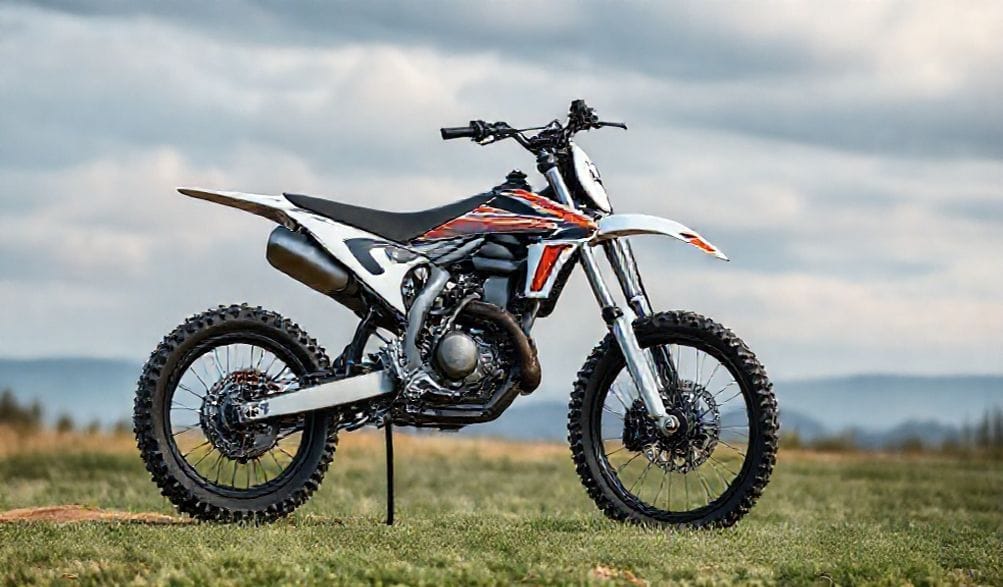
The Ultimate Guide to Electric Motocross Bikes: Performance, Tech & Buying Advice
Introduction
For decades, the visceral roar of a two-stroke and the thunderous crackle of a four-stroke have defined the soul of motocross. It’s a sound synonymous with adrenaline, competition, and raw mechanical power. But a new, quieter revolution is gaining momentum, carving fresh lines on tracks and trails worldwide. The electric motocross bike has evolved from a curious novelty into a formidable performance machine, challenging the very foundations of off-road riding.
Gone are the days of dismissing electric power as weak or novelty-driven. Today’s leading models deliver jaw-dropping torque, championship-level suspension, and a riding experience that is both familiar and radically different. This shift isn’t just about swapping fuel for electrons; it’s redefining aspects of performance, maintenance, accessibility, and the sport’s environmental footprint.
This comprehensive guide is crafted for riders of all stripes—the curious beginner intrigued by the silence, the seasoned vet skeptical of the hype, and the trail enthusiast seeking new freedoms. We’ll move beyond marketing claims to deliver a clear, evidence-based analysis of what it truly means to own and ride an electric motocross bike. We’ll dissect the technology, weigh the tangible benefits against the current limitations, survey the top models, and provide a practical framework for making your decision. Whether you’re considering a switch or simply future-proofing your knowledge, this is your unbiased resource for navigating the دراجة ترابية كهربائية landscape.
1. What is an Electric Motocross Bike?
At its core, an electric motocross (E-MX) bike is a purpose-built off-road motorcycle that replaces the internal combustion engine (ICE) with an مجموعة نقل الحركة الكهربائية. This fundamental shift in propulsion creates a machine that shares the geometry, suspension, and rider ergonomics of a traditional motocross bike but operates on a completely different set of principles.
The key differentiation from street-legal electric motorcycles is focus: E-MX bikes are lightweight, aggressive, and stripped-down for maximum off-road performance, with no concessions for mirrors, lights, or license plates. They are tools for the track, trail, and everything in between.
1.1 Core Technology & How It Works
Understanding the basics demystifies the experience.
- The Powertrain: The system is elegantly simple. A high-voltage battery pack (typically 60V-80V) stores the energy. The controller acts as the bike’s brain, regulating power flow from the battery to the المحرك الكهربائي based on your throttle input. Most high-performance E-MX bikes use a mid-drive motor mounted near the bike’s center, which drives the rear wheel via a chain or belt. This setup optimizes weight distribution and handling.
- Instant Torque & Power Delivery: This is the electric bike’s party trick. An electric motor delivers 100% of its available torque the instant you twist the throttle, from 0 RPM. There’s no clutch to slip, no powerband to wait for—just immediate, linear, and massive thrust. This transforms acceleration out of corners and over obstacles.
- Regenerative Braking: Many models feature regen braking. When you close the throttle or apply the brakes, the motor temporarily acts as a generator, converting kinetic energy back into electricity to top up the battery. This provides a subtle engine-braking effect, useful for managing speed on descents and slightly extending range.
1.2 Electric MX vs. Gas-Powered MX: A Fundamental Comparison
- The Sound & Sensory Experience: The most obvious difference. The deafening roar is replaced by a futuristic whir and the amplified sounds of tires gripping dirt and suspension working. This heightens your connection to the terrain but removes the auditory feedback many riders use to gauge RPM.
- Power Curve & Riding Technique: A gas bike has a narrow, peaky powerband managed by the clutch. An electric motocross bike offers a flat, linear torque curve. This simplifies power application but demands refined throttle control. Techniques like clutch-popping to lift the front wheel are replaced by precise throttle modulation. Cornering and jumping feel different but can become more intuitive.
- Heat & Performance Consistency: Gas bikes lose power as engines overheat in tight trails or on hot days. Electric motors run remarkably cool and consistent. However, extreme performance can heat the battery and controller, which may trigger power reduction to protect components—a trade-off for their consistent output.
2. Evaluating the Key Benefits of Electric Motocross
The advantages of E-MX are not just theoretical; they are felt immediately by riders and supported by engineering.
2.1 Performance Advantages
- Instantaneous Throttle Response: The elimination of mechanical lag provides a tangible competitive edge. Power is available now, making it easier to clear unexpected obstacles, correct mistakes mid-air, and rocket out of berms. It can make technical, slow-speed sections less daunting.
- Lower Center of Gravity: The dense battery pack is mounted low in the frame, often where the gas tank and engine used to be. This dramatically lowers the bike’s center of gravity, resulting in a feel that is more planted, easier to flick side-to-side, and more confidence-inspiring in ruts and whoops.
- Simplified Maintenance: This is a game-changer for many. You eliminate an entire universe of ICE maintenance: no engine oil changes, air filter service, spark plug replacements, coolant flushes, valve adjustments, or top-end rebuilds. Maintenance shifts to the chassis (fork seals, linkage bearings, brake pads) and basic electrical system checks.
2.2 Practical & Environmental Perks
- Ride Anywhere, Anytime: The drastically reduced noise pollution is a social and practical superpower. It opens up riding opportunities in noise-sensitive areas, allows for early morning or late evening sessions without disturbing neighbors, and reduces the risk of land closures due to complaints.
- At-Home “Refueling”: Simply plug the bike into a standard wall outlet or a dedicated charger in your garage. No more storing volatile fuel, last-minute gas station runs, or transporting fuel cans. For daily riders or those with home tracks, the convenience is unparalleled.
- Reduced Operating Costs: Electricity is far cheaper than premium unleaded fuel. Combined with the drastic reduction in routine maintenance parts (oil, filters, plugs), the cost per ride plummets. While not free to run, the ongoing expenses are significantly lower.
3. Addressing the Real Challenges & Considerations
An honest assessment is crucial. Electric motocross technology is advancing fast, but it has real-world constraints.
3.1 Range and Ride Time
This is the most common concern, and for good reason.
* Understanding Battery Capacity: Range is measured in kilowatt-hours (kWh), not gallons. A larger kWh number means more energy storage. For motocross, think in terms of ride time rather than distance. Most performance E-MX bikes offer 1-2 hours of aggressive track riding, which is enough for several practice sessions but requires planning on race day.
* Factors That Drain Range: Aggressive riding (constant hard acceleration), steep hill climbs, soft terrain, and cold temperatures all reduce range. Riding like a pro will drain the battery much faster than a casual trail pace.
* Charging Logistics at the Track: This is the critical puzzle. A full charge on a standard 110V outlet can take 6-12 hours. To ride multiple sessions, you need a 240V Level 2 charger (2-4 hours) and access to a power source at the track. Portable generators or track-side charging stations are becoming part of the E-MX toolkit.
3.2 Upfront Cost and Long-Term Value
- Price Comparison: Currently, a top-tier electric motocross bike commands a significant premium over a comparable gas bike, often 50-100% more. You are paying for cutting-edge battery and power electronics technology.
- Battery Lifecycle & Replacement: Lithium-ion batteries degrade over time and charge cycles. A high-quality battery should retain ~80% of its capacity after 500-1000 full cycles (several years of regular use). However, replacement costs are high (often $2,000-$5,000), making the battery warranty a key part of the purchase decision.
- Resale Value & Market Evolution: The secondary market for E-MX bikes is nascent and volatile. As technology improves rapidly, older models may depreciate faster than established gas bikes. This is a risk of being an early adopter.
4. Top Electric Motocross Bikes on the Market (2024)
The market is expanding rapidly. Here’s a snapshot of leading contenders by category.
4.1 For the Competitive Racer
- Stark VARG: The current benchmark. With a claimed 80 hp, 80+ customizable power maps via an app, and a weight rivaling 250cc MX bikes, it’s a serious pro-level machine. Its adoption by top riders has proven its capability.
- Cake Kalk OR: A Swedish marvel focused on precision and agility. Its minimalist design, carbon fiber components, and direct-drive motor offer a uniquely sharp and connected feel, ideal for technical tracks.
4.2 For the Trail & Enduro Enthusiast
- Sur-Ron Light Bee X: The “gateway drug” of electric dirt biking. Incredibly popular due to its low price, high modifiability, and playful power. More of a lightweight trail/play bike than a full-size MX weapon, but immensely capable and fun.
- كيه تي إم فري رايد إي-إكس سي: From a legacy manufacturer, this bike offers familiar KTM ergonomics and quality for enduro use. It’s less powerful than dedicated MX models but excels in technical single-track where its quiet operation and instant torque shine.
4.3 For Beginners & Younger Riders
- Segway Dirt eBike Xyber: Offers a more accessible entry point with lower power modes, a manageable seat height, and a robust design. A great tool for learning fundamentals without the intimidation of a loud, powerful gas bike.
5. Your Buying Guide: How to Choose the Right E-MX Bike
Follow this framework to match a bike to your needs.
5.1 Assessing Your Riding Profile
- Primary Use Case: Be honest. Is it for 30-minute motos at the track, all-day trail exploration, or backyard fun? This dictates needed range and suspension.
- Skill Level: Don’t over-bike yourself. Many electric bikes have adjustable power modes. Start lower and grow into the capability.
- Typical Ride Duration: If your standard ride is 2+ hours, range becomes your top priority. For shorter, intense sessions, peak power may be more important.
5.2 Key Specifications to Scrutinize
- Motor Power & Torque: Look at continuous power (kW) for sustained output and torque (Nm) for that instant shove. High torque numbers define the E-MX feel.
- Battery Capacity & Voltage: Capacity (kWh) = range. Higher voltage systems (e.g., 80V vs. 60V) generally deliver power more efficiently and with less heat.
- Suspension, Brakes & Chassis: Never compromise here. Quality inverted forks, a linkage rear shock, and strong brakes are as vital on an electric bike as on a gas bike. This is where budget models often cut corners.
5.3 Test Ride Essentials and Final Checks
- What to Feel For: Focus on throttle modulation—is it smooth or jerky? Feel the weight distribution in corners. Ensure the ergonomics fit your body.
- Questions for the Dealer: Get clear details on the ضمان البطارية (years and capacity retention guarantee). Ask about service support, software update processes, and recommended charger options.
6. The Future of Electric Motocross
The trajectory is clear and accelerating.
6.1 Technological Innovations on the Horizon
- Solid-State Batteries: The next leap. They promise higher energy density (more range), faster charging, improved safety, and longer lifecycles, potentially solving today’s biggest limitations.
- Advanced Power Management: AI-driven software that automatically adjusts power delivery based on terrain, rider style, and remaining charge for optimal performance and efficiency.
- Lightweight Materials: Wider use of carbon fiber, advanced alloys, and new battery packaging to continue shaving weight and improving power-to-weight ratios.
6.2 The Changing Landscape of the Sport
- New Competition Formats: Silent racing allows events in new venues. It also changes the spectator dynamic, placing more focus on rider skill and line choice.
- Mainstream Adoption: As prices fall and range improves, electric options will become the default for new riders and an increasingly common sight for all. Major manufacturers are all developing platforms.
- تطوير البنية التحتية: Expect to see charging stations become a standard amenity at major motocross tracks and trailhead networks, just like RV hookups are today.
الأسئلة الشائعة (FAQ)
Q: How long does it really take to charge an electric motocross bike?
أ: Charge time varies dramatically. Using a standard household outlet (Level 1, 110V), a full charge can take 6-12 hours. With a dedicated 240V Level 2 charger (often purchased separately), this can be reduced to 2-4 hours. True DC fast charging is rare in current models but may become standard.
س: هل يمكنني قيادة دراجة موتوكروس كهربائية تحت المطر أو عبر المياه؟
أ: معظم دراجات موتوكروس الكهربائية عالية الجودة تتمتع بتصنيفات حماية (IP) عالية ضد الماء والغبار (مثل IP65)، مما يعني أنها يمكنها تحمل الأمطار الغزيرة، البرك، والطين العميق. ومع ذلك، لا يُنصح بغمر الدراجة تمامًا. يُرجى دائمًا الرجوع إلى دليل المالك المحدد لدراجتك للحصول على إرشادات الشركة المصنعة بشدا التعرض للماء.
س: هل دراجات موتوكروس الكهربائية أفضل فعليًا للبيئة؟
أ: إنها لا تنتج أي انبعاثات من العادم، مما يقلل بشكل كبير من تلوث الهواء المحلي والتلوث الضوضائي. يعتمد البصمة البيئية الشاملة لها على مصدر الكهرباء المستخدمة لشحنها (الطاقة المتجددة مقابل الوقود الأحفوري) وإدارة دورة حياة بطارية الليثيوم أيون. إنها خطوة كبيرة نحو تقليل التأثير البيئي المباشر لهذه الرياضة.
س: هل الصيانة أسهل حقًا إلى هذا الحد؟
أ: نعم، في عدة مجالات رئيسية. تتخلص من كل الصيانة المرتبطة بعملية الاحتراق: لا زيت محرك، ولا مرشحات، ولا شمعات إشعال، ولا ضبط صمامات، ولا إعادة حشو عادم. تركز الصيانة الأساسية على الهيكل (التعليق، المحامل، الفرامل)، والإطارات، والحفاظ على البطارية والوصلات الكهربائية نظيفة وجافة. نظام نقل الحركة نفسه أبسط بكثير.
س: هل ستجعلني الدراجة الكهربائية راكبًا أسرع؟
أ: يمكنها تغيير أسلوبك في القيادة. عزم الدوران الفوري يمكن أن يساعد في مواقف معينة، مثل تخطي العقبات أو التسارع عند الخروج من المنعطفات. ومع ذلك، تعتمد السرعة الإجمالية على مهارة الراكب، وإعدادات الدراجة، ونظام التعليق. يتضمن منحنى التعلم إدارة التحكم في مسرع الدراجة بدون قابض والتكيف مع طريقة توصيل الطاقة المختلفة.
الخلاصة
الـ electric motocross bike لقد وصلت بقوة، منتقلةً من مفهوم مستقبلي إلى واقع أداء في الوقت الحاضر. إنها تقدم تجربة قيادة فريدة ومثيرة ومتطورة تُعرّف بالقوة الصامتة الفورية، وتقليل المتاعب الميكانيكية، والقدرة المتحررة من القيود للقيادة في أماكن أكثر وفي أوقات أكثر. سيكون لصرخة محرك ذي الأشواط الثنائية مكانتها دائمًا، لكن أزيز المحرك الكهربائي يمثل فصلًا جديدًا مقنعًا.
قرار التحول إلى الكهرباء هو معادلة شخصية، تزن فوائده التحويلية مقابل القيود الحالية مثل اعتبارات مدى القيادة والتكلفة المبدئية. بالنسبة للراكب المتقن للتكنولوجيا، أو المدافع عن الوصول إلى المسارات، أو المتحمس المتعب ببساطة من أعمال الصيانة، فإن المقايضات أصبحت تستحق العناء بشكل متزايد.
مع قفزات تكنولوجيا البطاريات إلى الأماه ونضوج السوق، فإن دراجة موتوكروس الكهربائية تتجه لأن تنتقل من بديل إلى تيار رئيسي، مشكلةً ثقافة وإمكانية الوصول وصوت رياضة القيادة على الطرق الوعرة نفسه. أهم خطوة يمكنك اتخاذها؟ ابحث عن عرض تجريبي أو اختبار قيادة. أدر مسرع الدراجة، اشعر بموجة عزم الدوران الصامتة، ودع تلك التجربة تكون مرشدك النهائي.
بداية البيانات الوصفية—
DISPLAY_TITLE: الدليل الشامل لدراجات موتوكروس الكهربائية (2024): الأداء، التكنولوجيا ونصائح الشراء
SEO_TITLE: دليل دراجات موتوكروس الكهربائية 2024: المراجعات، المزايا وكيفية الاختيار
META_DESC: هل تفكر في شراء دراجة موتوكروس كهربائية؟ دليلنا الشامل لعام 2024 يغطي مقارنة الأداء مع الدراجات التي تعمل بالبنزين، أفضل الموديلات مثل ستارك فارج، مدى القيادة في الواقع، التكاليف، وكيفية الاختيار. اقرأ قبل الشراء.
IMG_PROMPT: لقطة ديناميكية عالية الإثارة لدراجة موتوكروس كهربائية حديثة، مثل ستارك فارج، في منتصف الهواء أثناء قفزة على مضمار موتوكروس مشمس. يرتدي السائق ملابس ومعدات كاملة، الدراجة أنيقة ومستقبلية، بدون أنبوب عادم. الخلفية ضبابية، مؤكدة على السرعة والقوة، مع تركيز على التفاصيل الميكانيكية النظيفة للدراجة.
—METADATA_END—