
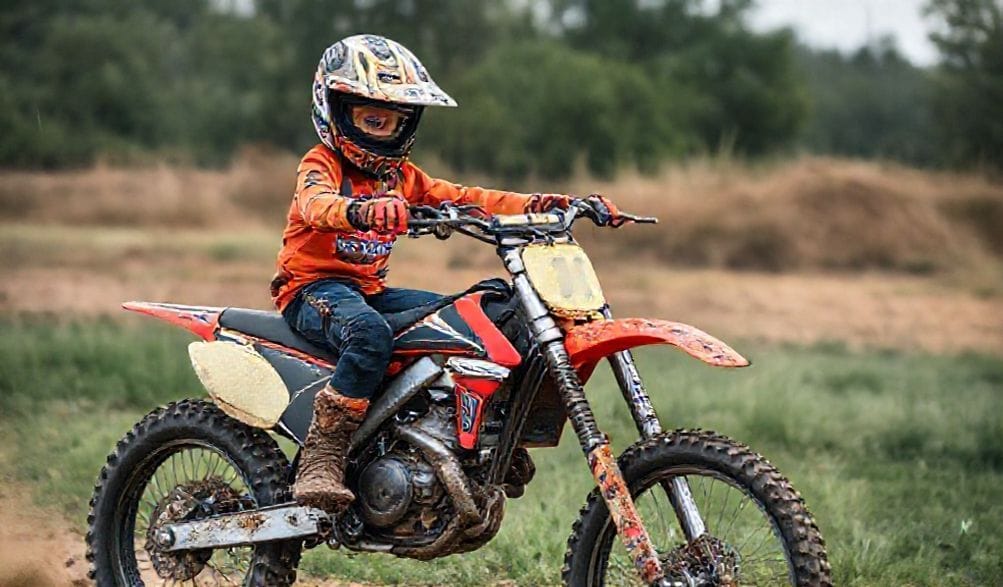
The Ultimate Parent’s Guide to Youth Dirt Bikes: Safety, Selection, and Getting Started
You see it in their eyes first—that unmistakable spark of awe and excitement when a dirt bike rips by or sits gleaming on a showroom floor. For a child, it represents pure freedom, adventure, and a thrilling challenge. For you, the parent, that excitement is almost instantly tempered by a cascade of questions and concerns. Is it safe? How do I even choose one? What if they get hurt? Can we afford this? If you’re feeling this mix of enthusiasm and anxiety, you’re exactly where you should be. This journey is a significant one, and starting with research is the mark of a responsible parent.
From my years of coaching young riders and navigating this path as a parent myself, I can tell you this: the world of youth dirt biking, when approached correctly, is one of the most rewarding activities a family can share. It builds confidence, coordination, and a deep appreciation for the outdoors and mechanical responsibility. But the key phrase is “when approached correctly.” This guide is designed to cut through the confusion, prioritize safety above all else, and provide you with the practical, trustworthy advice you need. We’ll move beyond just picking a cool-looking bike and build a foundation for a positive, thrilling, and safe experience for your young rider. Let’s dive into the essential world of dirt bikes youth.
Understanding Youth Dirt Bikes: More Than Just Small Motorcycles
It’s easy to think of a youth model as simply a shrunken-down version of an adult motorcycle. That misconception can lead to poor choices. In reality, youth dirt bikes are meticulously engineered tools for learning and development.
How Youth Dirt Bikes Are Engineered Differently
Manufacturers don’t just scale down the blueprints. They re-engineer the entire machine with a young, developing rider in mind. This means:
* Lower Seat Heights: To help a child reach the ground and build confidence.
* Significantly Reduced Weight: A lighter bike is easier to pick up, maneuver, and control, which is crucial when learning.
* Governed Engines: Many beginner bikes have restrictors or are tuned for very manageable, linear power delivery, preventing overwhelming bursts of speed.
* Softer Suspension: Set up to absorb bumps for a lighter rider and provide more forgiveness.
* Simplified Controls: Some entry-level models even feature automatic clutches to let the rider focus on balance and throttle control.
These aren’t toys, but they are purpose-built learning platforms designed to grow skill progressively.
Key Types of Youth Dirt Bikes: Motocross vs. Trail
The first major decision point is understanding the two primary categories, as they are built for different purposes.
-
Motocross Bikes (MX): Think of these as the sportscars of the dirt bike world. Models like a Yamaha YZ85 or KTM 65 SX are built for closed-course, competitive racing on manicured tracks. They are typically lighter, have more aggressive, peaky powerbands, and feature stiffer suspension to handle big jumps. For a true beginner, these are often too much bike and can be intimidating and difficult to learn on.
-
Trail/Off-Road Bikes: These are the family SUVs—versatile, user-friendly, and built for exploration. Bikes like the Honda CRF110F or Kawasaki KLX140 are designed for recreational trail riding. They prioritize ease of use with features like electric start, kickstands, softer and more plush suspension for rough terrain, and wide-ratio transmissions that are forgiving in various situations. Their power delivery is smooth and predictable.
For the vast majority of first-time young riders, a trail bike is the unequivocally correct starting point. It allows them to learn fundamental skills in a less stressful, more controllable environment.
The #1 Priority: Safety Gear That’s Non-Negotiable
Let’s be unequivocal: the most critical investment you make is not in the motorcycle itself, but in the gear that protects the rider. This is not an area for hand-me-downs, compromises, or “good enough.” Proper safety gear is the barrier between a minor tip-over and a life-altering injury. It is absolutely non-negotiable, every single time the bike is started.
The Essential Safety Gear Checklist
Consider this your mandatory shopping list before the bike even arrives home:
- Helmet (DOT/SNELL Certified): This is the most important piece. It must be new (never buy a used helmet), fit perfectly (snug without pressure points), and be certified. A full-face, motocross-style helmet is the only option.
- نظارات الوقاية: Clear vision is safety. Goggles protect eyes from dirt, rocks, and branches. Look for anti-fog coating and a comfortable fit with the helmet. Have multiple lenses for different light conditions.
- Boots (Motocross Specific): Street boots or hiking boots are dangerously insufficient. Motocross boots provide critical ankle support, pivot protection, shin guards, and a sole designed to grip bike pegs. They are rigid for a reason—to prevent hyperextension and crushing injuries.
- القفازات: Protect hands from blisters, vibration, and abrasion in a fall.
- الجيرسي والبنطال: Motocross-specific gear is made from durable, tear-resistant material and is designed to breathe and provide some padding.
- واقي الصدر/مصد الرش: Shields the torso, ribs, and back from impacts with the ground or rocks kicked up (“roost”) by other bikes.
- Knee/Elbow Guards: These are essential for protecting joints during falls. For serious trail or motocross riding, consider upgrading to knee braces, which offer superior ligament protection.
Why Each Piece of Gear Matters: Real-World Protection
This gear isn’t just for looks; each item addresses a specific risk:
* The الخوذة protects against traumatic brain injury.
* نظارات واقية prevent temporary blindness or eye injury from debris.
* Boots are designed to prevent the most common dirt bike injuries: broken ankles and crushed feet.
* The chest protector absorbs impact to the sternum and ribs and protects the spine.
* Knee guards prevent painful impacts and lacerations that can sideline a rider.
Dressing your child in full gear before their first ride instills the right mindset: safety is part of the sport.
How to Choose the Right Dirt Bike for Your Child’s Age & Size
A bike that’s too big or too powerful is dangerous and will shatter a beginner’s confidence. One that’s too small will be outgrown quickly and hinder skill development. Finding the “Goldilocks” bike is crucial.
The Golden Rule: Fit Over Age or Experience
Manufacturer age recommendations are a starting point, but children’s sizes vary wildly. The best test is the “sit test.”
* Have your child sit on the bike in riding position.
* They should be able to place the balls of both feet flat on the ground. If they are on their tiptoes or can only get one foot down, the bike is too tall.
* They should be able to comfortably reach the handlebars and controls without stretching.
* Weight Matters: Can they maneuver the bike slightly while standing next to it? If it’s so heavy they can’t tip it upright or walk it, it’s too heavy for safe learning.
Youth Dirt Bike Sizing Guide (CC & Wheel Size)
Use this chart as a guideline, but always defer to the fit test. Engine size (cc) is less important than physical bike dimensions.
| Typical Age Range | Engine Size (4-Stroke) | Wheel Size (Front/Rear) | Example Models |
| :— | :— | :— | :— |
| 4-6 years old | 50cc | 10″ / 8″ | Honda CRF50F, Yamaha PW50, KTM 50 SX Mini |
| 7-9 years old | 70cc – 110cc | 14″ / 12″ | Kawasaki KLX110, Suzuki DR-Z70, Yamaha TT-R110E |
| 10-12 years old | 110cc – 140cc | 17″ / 14″ or 19″/16″ | Honda CRF125F/Big Wheel, Yamaha TT-R125LE, Kawasaki KLX140 |
| Teenagers/Small Adults | 150cc – 250cc | Full-Size (21″/19″) | Honda CRF250F, Yamaha TT-R230, Kawasaki KLX230R (These are full-size frames with manageable engines) |
New vs. Used: A Practical Consideration for Parents
- الدراجة الجديدة: Offers peace of mind with a warranty, known history, and the latest safety/engineering features. The cost is higher, but it’s a turn-key solution for a busy parent.
- الدراجة المستعملة: A cost-effective way to start, especially since kids outgrow bikes quickly. الحذر هو الأمر الأهم. If you’re not mechanically inclined, bring a friend who is. Inspect for:
- Frame Damage: Look for cracks, bends, or repaired welds.
- Engine Condition: Check for excessive smoke from the exhaust, strange noises, and ask about recent maintenance.
- نظام التعليق: Check fork seals for oil leaks. Do the forks and shock move smoothly?
- Bearings & Wheels: Lift the wheels and check for play in the wheel, steering head, and swingarm bearings.
- Title Status: Ensure it has a clear title if your state requires one.
Preparing for the First Ride: Education and Environment
The bike is in the garage, the gear is on. Now what? Rushing to the nearest sand pit is a mistake. Proper preparation sets the stage for success.
Foundational Skills to Teach Before Starting the Engine
Use your driveway or yard as a classroom:
1. وضعية الجسم: Teach the “attack position”—standing on the pegs, knees bent, elbows up, looking ahead.
2. Control Familiarization: With the engine OFF, have them practice squeezing the clutch lever, rolling the throttle on and off, and pressing the front and rear brakes. Make it a game.
3. The “Dismount Drill”: Teach them how to safely lay the bike down and step away if they feel out of control, rather than holding on and crashing with it.
Choosing the Perfect First Riding Location
The ideal first riding spot is:
* A Wide-Open, Flat Field: Grass or hard-packed dirt. No hills, ditches, trees, or water.
* Legal: Always ride on designated Off-Highway Vehicle (OHV) areas, private land with explicit permission, or organized tracks. Riding on unauthorized public land is illegal and gives the sport a bad name.
* Uncrowded: Avoid the distraction and pressure of other riders during the first few sessions.
The Role of Professional Training
This is the single best investment you can make in your child’s safety and enjoyment. A certified instructor from the مؤسسة سلامة الدراجات النارية (MSF) or a local reputable riding school provides structured, professional training that you, as an emotionally invested parent, often cannot. They teach proven techniques for braking, turning, and obstacle crossing in a controlled environment. Frame it not as a lesson, but as “dirt bike school” where they get to learn cool tricks from a pro.
Maintenance & Ownership: Keeping the Bike (and Rider) Safe
A well-maintained bike is a safe bike. Involving your child in basic care builds responsibility and a deeper connection to the sport.
Basic Pre-Ride Maintenance Checks for Young Riders
Teach them the “T-CLOCS” inspection (adapted for dirt bikes):
* Tires & Wheels: Air pressure, tread, no cracks or loose spokes.
* Controls: Levers, throttle, and cables move freely and aren’t damaged.
* Lights/Electrics (if equipped): Kill switch works.
* Oil & Fluids: Check engine oil level. Check coolant if liquid-cooled.
* Chassis: Look for loose bolts or cracks in the frame.
* Stands: Kickstand spring is tight.
The Ongoing Costs of Youth Dirt Biking
Be prepared for costs beyond the initial purchase:
* استبدال المعدات: الأطفال يكبرون. الخوذات لها عمر افتراضي 5 سنوات. الأحذية والملابس ستحتاج إلى الترقية.
* المستهلكات: زيت المحرك، المرشحات، مرشحات الهواء، شمعات الإشعال، البنزين.
* الأجزاء القابلة للتآكل: الإطارات، السلاسل، المسننات، وسادات الفرامل.
* النقل: شاحنة، مقطورة، أو حامل مثبت على وصلة الجر.
* الرسوم: تصاريح متنزه OHV، عضوية النوادي، رسوم دخول السباقات.
تعزيز المسؤولية: إشراك طفلك في الصيانة
ابدأ ببساطة. اجعل تنظيف الدراجة معًا بعد كل رحلة طقسًا معتادًا. علمهم كيفية فحص ضغط الإطارات باستخدام المقياس، وتشحيم السلسلة، وتنظيف مرشح الهواء. هذا يزيل الغموض عن الآلة، ويعلم مهارات قيمة، ويعزز فخر الملكية.
الأسئلة الشائعة (FAQ) حول دراجات الأطفال الترابية
س1: ما أفضل دراجة ترابية مبتدئة لطفل عمره 10 سنوات؟
أ: لطفل متوسط الحجم بعمر 10 سنوات، تعتبر دراجة السير الهادئ رباعية الأشواط بسعة 110 سي سي إلى 125 سي سي عادةً نقطة البداية المثالية. موديلات مثل هوندا CRF125F (خاصة نسخة “العجلة الكبيرة”) أو ياماها TT-R125LE تشتهر بموثوقيتها التي تعمل كالدرع، وقوتها السلسة، وحجمها السهل التعامل معه. دائماً قم بإجراء “اختبار الجلوس” أولاً.
س2: أي المحركات أفضل للمبتدئين، ثنائية الأشواط أم رباعية الأشواط؟
أ: للمبتدئين،, محركات رباعية الأشواط هي الخيار الأفضل في أغلب الحالات. فهي توفر القوة بطريقة خطية يمكن التنبؤ بها، مما يجعل تعلم التحكم في مسرع الدراجة أسهل بكثير. وهي أيضًا عمومًا أكثر تسامحًا، ولها عزم دوران أكبر عند السرعات المنخفضة لتسلق العوائق، وتتطلب صيانة أقل تكرارًا (وإن كانت أحيانًا أكثر تعقيدًا). أما المحركات ثنائية الأشواط فلها “نطاق طاقة” – وهو اندفاع مفاجئ وقوي للطاقة يمكن أن يكون صعبًا ومخيفًا للفارس الجديد.
س3: كيف أضمن أن يركب طفلي بأمان مع أصدقائه؟
أ: حدد قواعد أساسية غير قابلة للتفاوض: 1) ممنوع الركوب منفردًا. استخدم نظام الرفقة. 2) على جميع الدراجين ارتداء معدات السلامة الكاملة. 3) حدد حدودًا جغرافية واضحة والتزم بها. 4) الإشراف البالغ مطلوب. ضغط الأقران يمكن أن يؤدي إلى سلوكيات محفوفة بالمخاطر؛ وجود شخص بالغ يساعد في الحفاظ على بيئة آمنة وممتعة.
س4: هل ركوب الدراجات الترابية خطير جدًا على الأطفال؟
أ: ركوب الدراجات الترابية، مثل كرة القدم أو التزلج أو ركوب الدراجات، هو نشاط به مخاطر متأصلة. ومع ذلك، يمكن إدارة تلك المخاطر بشكل منهجي وجذري. معادلة الركوب الآمن هي: تدريب احترافي + معدات سلامة معتمدة + دراجة بالحجم المناسب + إشراف بالغ. عند اتباع هذا الإطار، يصبح ركوب الدراجات الترابية رياضة مُتحكم فيها تبني المهارات. المكافآت – الثقة، والتنسيق، وتقدير الطبيعة، والتقارب الأسري – غالبًا ما تفوق بكثير المخاطر المُدارة، على غرار رياضات الشباب السائدة الأخرى.
الخلاصة
انطلاق رحلة ركوب الدراجات الترابية مع طفلك هو بداية مغامرة رائعة. إنه طريق يؤدي إلى ابتسامات متسخة بالطين، ورائحة الهواء النقي والبنزين، والتوهج الفخور بإتقان مهارة جديدة. من خلال التركيز على المبادئ الأساسية الموضحة هنا –الاستثمار في معدات السلامة غير القابلة للتفاوض، واختيار دراجة بناءً على الملاءمة وليس الضجة، والالتزام بالتدريب الاحترافي والممارسة تحت الإشراف—أنت لا تقوم فقط بشراء لعبة محركة.
أنت تُعزز شغفًا يدوم مدى الحياة مبنيًا على أساس من الاحترام: احترام الآلة، واحترام البيئة، والأهم من ذلك، احترام بروتوكولات السلامة التي تحافظ على استمرار المتعة. هذه الرياضة تعلم التنسيق، والفهم الميكانيكي، والمثابرة، ومتعة اللعب في الهواء الطلق الخالصة.
خطوتك التالية؟ قم بزيارة وكالة محلية ذات سمعة طيبة مع طفلك. دعهم يجلسون على دراجات مختلفة. اطرح الأسئلة على الموظفين. اشعر بالمجتمع. ثم، ابحث عن مدرسة MSF للدراجات الترابية أو برنامج المبتدئين في متنزه ركوب محلي. خذ نفسًا عميقًا، واستعد لرحلة العمر. الطريق أمامكم ينتظر.
بداية البيانات الوصفية—
DISPLAY_TITLE: الدليل الشامل للوالدين حول دراجات الأطفال الترابية
SEO_TITLE: دراجات الأطفال الترابية: دليل الوالدين للسلامة، والمقاس المناسب، والبدء
META_DESC: مرتبك بشأن دراجات الأطفال الترابية؟ دليلنا للوالدين يغطي معدات السلامة، واختيار المقاس المناسب (من 50 سي سي إلى 250 سي سي)، والفرق بين دراجات الطرق الوعرة وسباق الموتوكروس، وكيف تبدأ رحلة طفلك في القيادة بأمان.
IMG_PROMPT: طفل صغير سعيد يرتدي معدات السلامة الكاملة على دراجة ترابية بحجم مناسب في حشيش مفتوح مشمس، مع والد مبتسم يجلس على ركبتيه بجانبه، ويشير بإبهامه للأعلى. الدراجة من نوع هوندا CRF110F. كلاهما يرتدي خوذة كاملة، ونظارات واقية، وجيرسي، وأحذية سباق.
—نهاية البيانات الوصفية—