
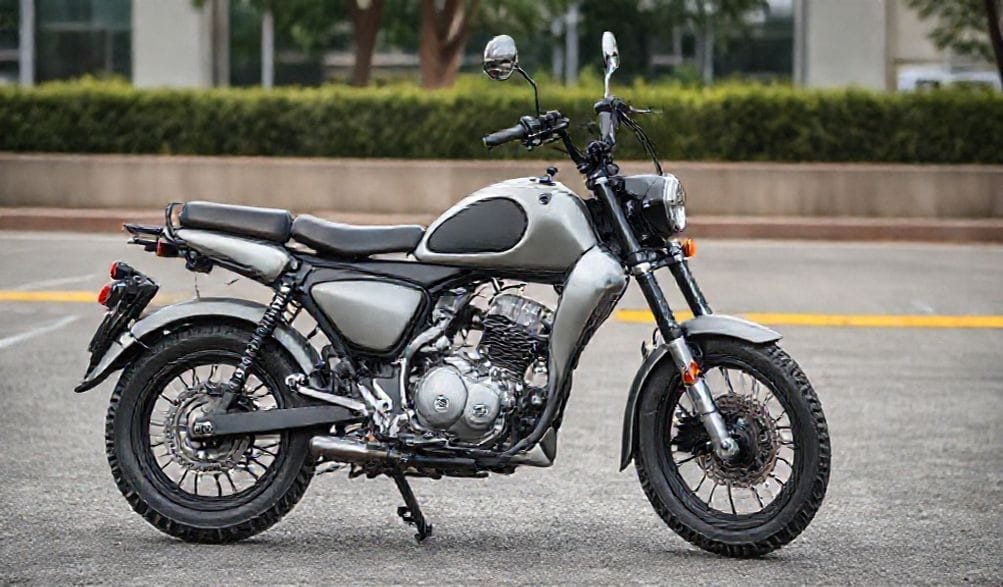
The Complete Guide to Buying a Used Electric Motor Bike: Savings, Safety & Smart Tips
The electric bike revolution is in full swing, transforming commutes, errands, and weekend adventures. But with premium new models often carrying premium price tags, many savvy riders are looking for a smarter entry point: the used electric motor bike market. The potential savings are substantial—often 30-50% off the original retail price. Yet, the process can feel daunting. Concerns about battery life, hidden mechanical issues, and the fear of getting a lemon are real.
As someone who has spent years testing, reviewing, and even repairing e-bikes, I understand that hesitation. This guide is born from that hands-on experience, designed to transform your apprehension into confidence. We’ll tackle your core concerns head-on and provide a clear, step-by-step framework. By the end, you’ll know exactly how to find, inspect, and purchase a reliable used electric motor bike, empowering you to make a decision that’s both financially smart and personally rewarding.
Why Consider a Used Electric Motor Bike? The Pros and Cons
Like any major purchase, buying a used e-bike comes with a distinct set of advantages and challenges. Understanding both sides of the equation is the first step to making an empowered decision.
The Compelling Advantages (The “Pros”)
- Significant Cost Savings: This is the most powerful motivator. E-bikes depreciate most sharply in their first year or two. By buying used, you let the original owner absorb that initial depreciation hit, allowing you to access the e-bike lifestyle for a fraction of the cost.
- Higher Quality for Your Budget: Your $1,500 might only get you an entry-level new e-bike. In the used market, that same budget could unlock a well-cared-for model from a premium brand like Trek, Specialized, or Gazelle, complete with superior components, a more refined motor system, and better overall construction.
- Depreciation Avoidance: When you buy a used e-bike that’s already a few years old, its value has largely stabilized. If you decide to sell it in a year or two, you’re likely to recoup most of your investment, making it a far more economical cycle than buying new.
- Eco-Friendly Choice: Purchasing a used e-bike is the ultimate form of vehicular recycling. You’re extending the life of a product, reducing demand for new manufacturing, and keeping a functional machine out of a landfill. It’s a green choice in more ways than one.
The Potential Pitfalls & How to Mitigate Them (The “Cons”)
- Battery Health & Degradation: This is the single biggest concern and cost center. An e-bike battery is a consumable component that loses capacity over time and with each charge cycle. A degraded battery means drastically reduced range. Mitigation: We will dedicate an entire section to inspecting and testing the battery—it’s that important.
- Unknown Maintenance History: Unlike a car, there’s no standardized service record for bikes. You have to trust the seller’s word on how well the drivetrain, brakes, and bearings have been cared for. Wear and tear can be hidden. Mitigation: A meticulous in-person inspection and a post-purchase professional tune-up are non-negotiable.
- Limited or No Warranty: Most manufacturer warranties are not transferable to a second owner. You are buying the bike “as-is,” so any repairs come directly out of your pocket. Mitigation: This risk underscores the importance of buying from a reputable source (like a dealer) and thoroughly vetting the bike’s condition.
- Outdated Technology: The e-bike industry evolves rapidly. A model from 5+ years ago may lack modern features like torque sensors (which provide more natural pedal assist), integrated lighting systems, sleek displays, or smartphone app connectivity. Mitigation: Define which features are “must-haves” versus “nice-to-haves” during your research phase.
Your Pre-Purchase Checklist: What to Research Before You Shop
Jumping straight to marketplace listings is a recipe for confusion. First, lay the groundwork by defining exactly what you need.
Define Your Needs & Riding Style
Ask yourself: What is this bike’s primary job?
* Urban Commuting: You’ll prioritize comfort, integrated lights, fenders, a rack, and a reliable motor for stop-and-go traffic.
* Recreation & Fitness: A lighter frame, a range of assist levels, and a comfortable riding position for longer rides may be key.
* Cargo Hauling: You need a robust frame, a powerful motor (often a mid-drive), and a high weight capacity.
* Off-Road/Trail Riding: Look for a mountain e-bike with front (or dual) suspension, wide, knobby tires, and a durable drive system.
From this, determine your core specs: the necessary range (be realistic, range estimates are optimistic), adequate motor power (250W-500W for road, 500W+ for cargo/hills), and the correct bike type (step-through, hybrid, mountain, folding).
Set a Realistic Budget (Including Hidden Costs)
Your budget isn’t just the listing price. A comprehensive budget includes:
1. Purchase Price: Based on your market research.
2. Essential Accessories: A high-quality lock ($80-$150), a helmet ($50-$200), and possibly a rack or panniers.
3. The “New Battery” Fund: Set aside $500-$800 as a contingency for eventual battery replacement. This mental reserve is crucial.
4. Immediate Servicing: Assume you will spend $100-$200 at a local bike shop for a safety check and tune-up immediately after purchase.
Research Reputable Brands & Models
Not all used electric motor bikes are created equal. Prioritize brands known for reliability, durability, and a strong dealer network for service and parts. This is critical for long-term ownership.
Pay close attention to the core systems:
* Drive System: Mid-drive systems (from Bosch, Shimano, Yamaha, or Brose) are generally preferred for their natural feel, better weight distribution, and efficiency, especially on hills. Hub motors are common and can be very capable, particularly for flat-terrain commuting.
* اجعل هذا طقسًا تمارسه مع طفلك: Look for the watt-hour (Wh) rating (e.g., 500Wh). A higher number generally means more potential range. Brand-name batteries (from the motor manufacturers above) are typically more reliable and serviceable than generic ones.
* Frame & Components: Aluminum frames are common and durable. Check the quality of the brakes (hydraulic disc brakes are superior to mechanical), gears, and suspension from known brands like Shimano, SRAM, or RockShox.
Where to Find Reliable Used Electric Bikes for Sale
Your buying source significantly impacts risk, price, and peace of mind.
Specialized Online Marketplaces
- Examples: The Pro’s Closet, Pinkbike Buy/Sell, eBay (with Top-Rated Seller status and buyer protection).
- الإيجابيات: Vast, nationwide selection. Some sellers offer “certified pre-owned” bikes that have been professionally inspected. Great for finding specific, high-end models.
- السلبيات: You cannot inspect the bike in person before payment. Shipping costs can be high, and returns are often complicated or impossible.
Local Bike Shops & Authorized Dealers
This is the most trustworthy source for a used electric motor bike.
* Pros (A Major E-E-A-T Signal): These bikes are often trade-ins that have been professionally serviced, safety-checked, and sometimes come with a short-term store warranty. You get expert advice, support, and the peace of mind that comes from a legitimate business. You can test ride freely.
* السلبيات: The price will be higher than a private sale, reflecting the added value of inspection and support. Inventory will be smaller and more localized.
Community Platforms: Facebook Marketplace & Craigslist
- الإيجابيات: The potential for the best deals. It’s local, so you can inspect and test ride easily. You might find a motivated seller.
- السلبيات: The highest risk. Requires maximum due diligence from the buyer.
- Safety & Vetting Tips:
- Scrutinize the seller’s profile/history.
- Insist on meeting in a safe, public place (some police stations offer designated “safe exchange” zones).
- Never pay a deposit before seeing the bike.
- Be wary of deals that seem too good to be true—they almost always are.
The Critical In-Person Inspection: A Step-by-Step Guide
Never buy a used e-bike sight-unseen from a private seller. This hands-on inspection is your primary tool for risk mitigation.
Step 1: The Battery – The Heart of the E-Bike
This is your #1 priority. A new battery can cost as much as the used bike itself.
* Visual Check: Look for any physical damage, cracks, dents, or swelling of the battery case. Check the contacts for corrosion. Ensure it locks securely into the frame.
* The History Question: Ask the seller how it was stored. Ideal storage is indoors, in a climate-controlled space, at a 40-60% charge for long periods.
* The Key Test: Ask the seller to have the battery fully charged before you meet.
1. Note the displayed range estimate on a full charge. Compare it to the bike’s original specification (you can look this up on your phone).
2. Take the bike for a test ride that includes a steady incline. Watch the battery level indicator. A healthy battery will discharge steadily. A failing battery may show a full charge that plummets rapidly under load (this is called voltage sag).
Step 2: The Motor & Drivetrain
- Motor Test: In a safe area, test every level of pedal assist. The transition between levels should be smooth. Listen intently for any unusual noises—grinding, clicking, or a loud whining could indicate bearing or internal gear issues. If equipped, test the throttle for immediate, smooth engagement.
- Drivetrain Check: Lift the rear wheel and pedal by hand. Shift through all the gears. The chain should move smoothly and quietly. Look at the chain and the teeth on the cassette (rear gears). If the teeth are sharp, pointed, or hooked like a shark’s fin, they are worn and will need replacement.
Step 3: The Frame, Brakes, & Components
- Frame Inspection: Wipe down the frame, especially around all weld points (head tube, bottom bracket, rear dropouts). Look for hairline cracks, dents, or significant rust. A cracked frame is a deal-breaker.
- Brake Test: Squeeze the brake levers. They should feel firm, not mushy or touch the handlebar. Look at the brake pads; if they are less than 2mm thick, they need replacing. Spin the wheels; they should rotate freely without rubbing on the brake pads.
- Wheels & Bearings: Grab each wheel and try to wiggle it side-to-side. Any play indicates worn wheel bearings. Look down the rim as you spin it to check if the wheel is “true” (not wobbly).
Step 4: The Electronics & Display
- Turn the system on and off several times. Ensure the display is clear and all buttons (up/down, power, light) are responsive.
- Check for any error codes on the display.
- Test all integrated lights and any other electronic features like a USB port.
Essential Questions to Ask the Seller
Come prepared with these questions to uncover the bike’s story:
* Establishing History: “Why are you selling the bike?” (A logical reason like “upgraded” or “moving” is better than a vague answer).
* Service & Usage: “Do you have the original receipt, manual, and any service records?” “What is the approximate mileage or how often was it ridden?” “Has it ever been professionally serviced?”
* Battery Specifics: “How was the battery stored during the off-season?” “Have you noticed the range decreasing over time?”
* Accidents & Issues: “Has the bike been in any crashes or had any major component failures repaired?” (Look for mismatched paint or new components as you ask).
Negotiating, Closing the Deal & Next Steps
Fair Pricing & Negotiation Tactics
Use your inspection findings as leverage. Phrases like, “I’m excited about the bike, but I will need to immediately budget for a new chain, cassette, and a tune-up, which will cost about $X. Would you consider $Y?” are fair and factual. Have recent “sold” listings from your research to back up your offer.
Paperwork & Transfer of Ownership
Always get a bill of sale. It should include:
* Date of sale
* Buyer and seller names, addresses, and signatures
* Bike make, model, year, and serial number (usually found on the underside of the bottom bracket)
* Final sale price
For very high-end bikes, you can ask the seller to contact the manufacturer with you to inquire about a warranty transfer—it’s rare, but worth a try.
Post-Purchase Priority #1: A Professional Safety Check
This is the most important piece of advice in this guide.
Before you embark on any significant rides, take your newly purchased used electric motor bike to a reputable local bike shop. Pay for a full safety inspection and basic tune-up. This $100-$200 investment will:
* Confirm your inspection findings.
* Ensure brakes, bearings, and torque on all bolts are safe.
* Give you a baseline for future maintenance.
* Provide ultimate peace of mind. It is non-negotiable.
FAQ: Your Used Electric Motor Bike Questions, Answered
س: ما هو أهم شيء يجب فحصه في الدراجة الكهربائية المستعملة؟
أ: The battery’s state of health, without question. It’s the costliest component. Always test it from a full charge under load (on a hill) and ask detailed questions about its storage and usage history.
Q: How many miles is too many for a used electric bike?
أ: There’s no fixed number. A well-maintained e-bike with 2,000 miles from a reputable brand can be a fantastic buy. A neglected, no-name bike with 500 miles can be a money pit. Focus on the condition from your inspection, not just the odometer.
Q: Can I test ride a used e-bike before buying?
أ: Absolutely, and you should insist on it. Any reasonable seller will allow it. For security, they may ask to hold your car keys, driver’s license, or the cash while you ride. Use this time to test different assist levels and terrain.
Q: Are used e-bikes from big brands (Trek, Specialized, Giant) safer buys?
أ: Generally, yes. Major brands invest in higher-quality frame engineering and use proven, name-brand motor and battery systems (Bosch, Shimano, etc.). They also have extensive dealer networks, which is crucial for getting service, software updates, and replacement parts years down the line.
الخلاصة
Buying a used electric motor bike is a journey of diligent research and careful inspection. By defining your needs, researching reputable models, knowing where to look, and conducting a meticulous, step-by-step evaluation, you transform a potentially risky purchase into a strategic and rewarding one. You can absolutely join the e-bike revolution in a budget-friendly way, securing a high-quality ride that will provide years of service and joy.
Use this guide as your checklist. And remember, your final and best step is to partner with a professional. A local, expert bike mechanic is your greatest ally for validating your purchase and ensuring your safety on the road. Now, go forth and find your perfect electric steed.
بداية البيانات الوصفية—
DISPLAY_TITLE: The Complete Guide to Buying a Used Electric Motor Bike
SEO_TITLE: Used Electric Motor Bikes: The Smart Buyer’s Guide (2024) | Savings & Safety Tips
META_DESC: Thinking of buying a used electric motor bike? Our expert guide covers pros/cons, where to buy, a step-by-step inspection checklist, key questions to ask, and how to avoid scams. Save money confidently.
IMG_PROMPT: A detailed, close-up photo of a person’s hands inspecting the battery compartment of a modern electric bike in a sunny, urban setting, with a bike tool nearby. The focus is on the connection points and battery health, conveying a sense of careful evaluation and savvy purchasing.
—نهاية البيانات الوصفية—