
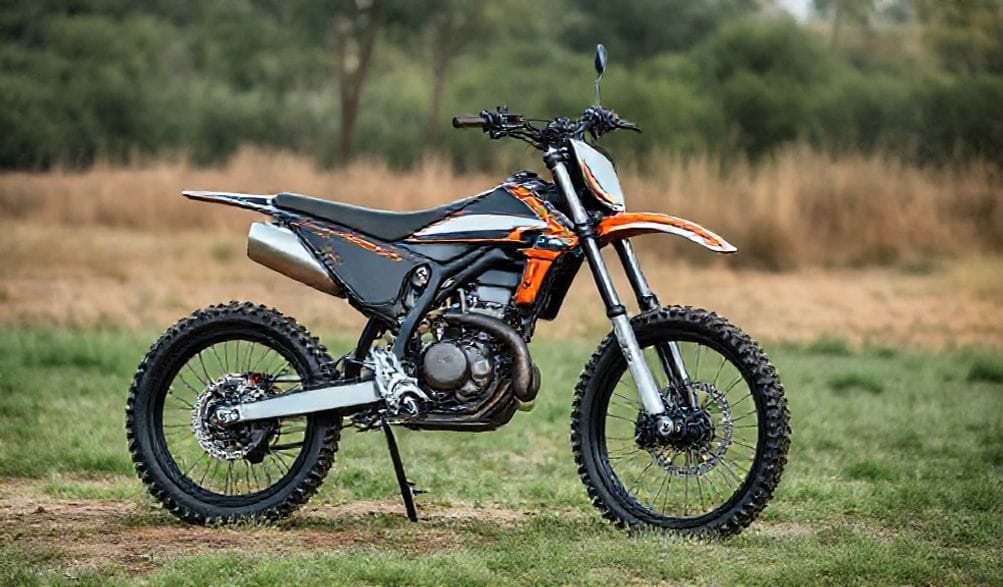
The Ultimate Guide to Electric Dirt Bikes: Power, Performance & Off-Road Adventure
The call of the trail is timeless—the smell of pine, the crunch of dirt under tires, the thrill of navigating a challenging climb. For generations, that call has been answered by the distinctive snarl of a gasoline engine. But a new sound, or rather, a profound quiet, is reshaping the off-road landscape. Welcome to the era of the دراجة ترابية كهربائية, a machine that swaps the roar for a whirr and the fumes for pure, instantaneous torque. This isn’t just a niche curiosity; it’s a high-performance revolution that’s winning over motocross champions, trail explorers, and eco-conscious adventurers alike.
If you’re intrigued by the idea of an electric bike with dirt bike style and capability, you’re in the right place. This guide is designed to cut through the hype and provide a comprehensive, grounded look at what electric dirt bikes offer. We’ll delve into the technology that powers them, the tangible benefits you’ll feel on the trail, the crucial factors to consider before buying, and an overview of the leading models defining this exciting category. Whether you’re a seasoned rider curious about “going electric” or a newcomer seeking a cleaner, quieter entry into off-road riding, consider this your trusted roadmap to silent, electric-powered adventure.
What is an Electric Dirt Bike? Defining a New Era of Riding
At first glance, an electric dirt bike looks the part: aggressive knobby tires, long-travel suspension, and a rugged motocross or enduro stance. But beneath the familiar silhouette lies a completely different heart. Understanding this distinction is key to appreciating what makes them special.
Beyond the Label: More Than Just a “Quiet Dirt Bike”
An electric dirt bike is a purpose-built, off-road motorcycle powered by an electric motor and a rechargeable حزمة بطارية ليثيوم أيون. It is designed from the ground up to handle the rigors of motocross tracks, mountain single-track, and everything in between.
It’s critical to distinguish them from الدراجات الجبلية الكهربائية (e-MTBs). While both are electric and off-road capable, an e-MTB is fundamentally a bicycle with pedal assist, limited to lower power outputs (often 250W-750W), and is meant for human-powered trail riding with a boost. An electric dirt bike, however, is a throttle-controlled motorcycle. It delivers power measured in kilowatts (comparable to 10-50+ horsepower), features heavy-duty motorcycle-grade suspension with 8+ inches of travel, and is built for performance that directly rivals its gas-powered counterparts. The “electric bike dirt bike style” is not an imitation; it’s a reimagination of off-road power.
Core Components: How an Electric Dirt Bike Works
The simplicity of an electric drivetrain is its genius. It replaces hundreds of moving parts with a few key systems:
- The Battery Pack (The Fuel Tank): This is your energy source, typically a high-voltage (e.g., 60V, 72V, 102V) lithium-ion pack. Its capacity, measured in watt-hours (Wh), directly determines your range. Think of it as your gas tank—the bigger it is, the longer you can ride.
- The Electric Motor (The Muscle): Usually a brushless DC motor mounted near the swingarm or in the frame. This is where the magic happens. It converts electrical energy from the battery directly into rotational force (torque) at the wheel.
- The Controller (The Brain): This component manages the power flow from the battery to the motor. It interprets your throttle input and dictates how much power and torque is delivered. In a traditional bike analogy, it combines the roles of the carburetor/EFI and the ignition system.
- Regenerative Braking (A Clever Bonus): Many models feature regen braking. When you let off the throttle or apply the brakes, the motor temporarily acts as a generator, converting kinetic energy back into electricity to slightly recharge the battery. It also provides a noticeable engine-braking effect.
Why Go Electric? The Tangible Benefits for Off-Road Riders
The advantages of electric dirt bikes aren’t just theoretical; they translate into a distinctly different and often superior riding experience.
Instant Torque and Unmatched Control
This is the game-changer. A gas engine needs to build revs to produce peak torque. An electric motor delivers maximum torque instantly, from 0 RPM. The moment you twist the throttle, you have 100% of the bike’s pulling power. This transforms technical riding:
* Effortless Hill Climbs: Tractoring up steep, loose inclines becomes more controlled, as you have precise, linear power right from the start.
* Simplified Operation: Most have a single-speed transmission. No clutch, no stalling, no missed shifts. You focus entirely on riding, not gear management.
* Exact Throttle Modulation: The immediate, linear response allows for incredibly precise power delivery over obstacles, through corners, and on slippery surfaces.
The Joy of Stealth Riding: Access and Responsibility
The noise reduction is profound. The loudest sound is often the tires on the dirt and the wind. This “stealth” factor offers multiple benefits:
* Expanded Riding Access: Ride early in the morning or late in the evening near residential areas without disturbing the peace. Some trails previously closed due to noise complaints may become accessible.
* Reduced Trail Conflict: Share multi-use trails with hikers, bikers, and horseback riders more harmoniously. A quiet approach prevents startling others.
* Immersive Experience: Hear the sounds of nature, communicate easily with riding buddies, and enjoy a more connected, less intrusive adventure.
Lower Long-Term Maintenance & Operating Costs
Electric drivetrains are mechanically simple, eliminating a long list of routine maintenance items and consumables:
* No More: Engine oil changes, oil filters, air filter cleaning/replacement, spark plugs, coolant, clutch adjustments, or complex valve checks.
* “Fueling” Cost: Charging a battery costs a fraction of filling a gas tank. Expect to pay roughly 10-30 cents for a “full tank” of electricity versus $10-$15 for gasoline.
* Durability: With far fewer moving parts subject to wear and tear (no piston rings, valves, gears constantly meshing), the core powertrain is exceptionally robust.
Environmental Impact: A Cleaner Ride
The environmental benefit is clear and direct:
* Zero Local Emissions: No exhaust means no CO2, NOx, or unburned hydrocarbons are emitted on the trail. You leave behind only tire tracks.
* Reduced Overall Footprint: When charged from a renewable energy source (solar, wind, hydro), the carbon footprint is minimal. Even on a standard grid mix, it’s typically lower than a gas bike’s lifecycle emissions.
* Ecosystem Protection: No risk of spilling gasoline or oil into sensitive trailside ecosystems.
Key Considerations Before You Buy
Switching to electric requires a new way of thinking about your ride. Being honest about your needs is crucial.
Understanding Range and Battery Life Realistically
Range anxiety is the top concern, and manufacturer claims can be optimistic. Real-world range is affected by:
* التضاريس: Hard-packed fire roads vs. technical, hilly single-track.
* Rider Input: Aggressive, throttle-happy riding drains the battery much faster than a conservative pace.
* Rider Weight and Gear: More mass requires more energy to move.
* Mode Settings: Eco/Trail modes extend range; Sport/MX modes maximize power but reduce it.
* As a rule of thumb: For aggressive trail riding, plan for 20-40 miles on most light-to-midweight bikes. Full-size performance models may offer 50-80 miles at moderate paces. Always plan your ride with a buffer.
عمر البطارية: Quality lithium batteries last 800-1500+ full charge cycles. With regular use, this typically means 3-5 years or more before you notice significant capacity loss. Replacement costs are significant ($800-$2500+), so factor this into long-term ownership.
Power and Performance Metrics: Decoding kW and Nm
Forget cubic centimeters (cc). Electric bike performance is measured in:
* Kilowatts (kW): The unit of power. 1 kW ≈ 1.34 horsepower. A 10kW bike has roughly 13.4 hp; a 30kW bike has about 40 hp.
* Newton-Meters (Nm): The unit of torque. This is the rotational force. High Nm (e.g., 250-500 Nm) means incredible low-end grunt and acceleration.
* الجهد الكهربائي (V): The system’s electrical pressure. Higher voltage (e.g., 72V vs. 60V) generally allows for more efficient power delivery and higher potential performance.
Suspension, Frame, and Build Quality
Electric power doesn’t excuse poor chassis components. A true “dirt bike style” machine needs:
* Quality Suspension: Look for adjustable, name-brand forks and shocks (e.g., DNM, Fast Ace, Öhlins on premium models) with sufficient travel (8+ inches) for your discipline.
* Robust Frame: Aluminum or chromoly steel frames are standard. Ensure the design looks well-finished and the battery is integrated securely.
* المكابح: Hydraulic disc brakes are essential for control and managing the bike’s weight, which can be concentrated and feel different than a gas bike.
Where to Ride: Legalities and Trail Access
This is the most critical responsibility for any rider. The law is struggling to keep pace with this new technology.
* Classification Varies Wildly: In some jurisdictions, certain electric dirt bikes may be classified as “motor-driven cycles,” “off-highway vehicles (OHVs),” or even “motorcycles,” requiring registration, insurance, and a driver’s license. Others may lump lower-power models into e-bike categories with different rules.
* Trail Access is Not Universal: Just because it’s quiet doesn’t mean it’s legal. Many public trails (USFS, BLM, state parks) have specific rules about motorized vehicle use, and “electric” does not always mean “exempt.”
* Your Responsibility: You must check the specific regulations for your state and the exact trail systems you plan to ride. Start with the websites of your state parks department, Bureau of Land Management (BLM), and local off-road riding associations. Never assume access.
Top Electric Dirt Bike Styles & Models to Consider
The market has matured, offering options for every type of rider.
Lightweight Trail & Enduro Models
These are the agile, flickable bikes that have popularized the category. Perfect for tight single-track and technical trails.
* Examples: Sur-Ron Light Bee X, Talaria Sting R, Segway Dirt eBike X260.
* Profile: ~150 lbs weight, ~8-10 kW power, ~40-50 mph top speed. They feel like a hyper-capable mountain bike on steroids and are often the gateway into electric dirt biking.
Full-Size Performance Machines
These are direct competitors to 250cc-450cc gas dirt bikes, built for motocross, hard enduro, and high-speed trail riding.
* Examples: Zero FX, Cake Kalk OR, KTM Freeride E-XC, Stark Varg.
* Profile: 220-300 lbs weight, 20-45+ kW power, 70-85+ mph top speed. They feature premium motorcycle components, sophisticated suspension, and offer the closest experience to a traditional race bike, minus the noise and maintenance.
Youth and Entry-Level Options
Designed to introduce new riders to the sport safely and cleanly.
* Examples: Razor MX650, Kuberg Trial Hero, Sur-Ron Storm Bee (in lower power modes).
* Profile: Lower seat heights, reduced power output (often with multiple, parent-controlled modes), and durable construction to handle the learning curve.
Living with an Electric Dirt Bike: Ownership FAQs
How do I charge it on the trail or at a campsite?
Planning is key. For remote adventures:
* Portable Charger: Always carry the standard charger.
* Portable Power Station: Large-capacity lithium power stations (e.g., from Jackery, EcoFlow) can provide 1-2 full charges.
* Inverter Generator: A small, quiet inverter generator is the most reliable way to charge deep in the backcountry. Ensure it produces clean, stable power (pure sine wave).
Is it safe to ride in wet conditions or through water?
تحقق من تصنيف IP (الحماية من الدخول) للدراجة. تصنيف IP65 يعني أنها محكمة ضد الغبار ومحمية من نفث المياه منخفضة الضغط من أي اتجاه - مناسبة للأمطار الغزيرة والبرك. ومع ذلك،, لا يُنصح بالغمر لأي موديل قياسي، لأنه قد يتلف الأختام والمكونات الإلكترونية. تقدم بحذر عند عبور المياه العميقة.
كيف يقارن توزيع الوزن بدراجة البنزين؟
هذه ميزة تعامل كبيرة. يتم تركيب أثقل مكون - البطارية - في أسفل الهيكل، غالبًا في منطقة لوحة الاحتكاك. وهذا يخلق مركز ثقل منخفض للغاية. والنتيجة هي دراجة تشعر بأنها مستقرة بشكل ملحوظ، وتنعطف بجهد أقل، وأقل عرضة للانقلاب، خاصة عند السرعات المنخفضة، مقارنة بدراجة البنزين غير المستقرة ذات خزان الوقود والمحرك المرتفعين.
الأسئلة الشائعة (FAQ)
س: ما السرعة القصوى لدراجة التراب الكهربائية؟
أ: تختلف السرعات بشكل كبير. تصل الموديلات الخفيفة لمسارات الطرق الوعرة مثل سور-رون إلى حوالي 45-50 ميلاً في الساعة. بينما يمكن للدراجات عالية الأداء بالحجم الكامل مثل ستارك فارج أو زيرو إف إكس تجاوز 85 ميلاً في الساعة. معظمها يحتوي على أوضاع قيادة قابلة للبرمجة أو الاختيار تحد من السرعة القصوى.
س: كم تدوم البطارية قبل الحاجة إلى استبدالها؟
أ: عادةً ما توفر بطارية ليثيوم أيون عالية الجودة 800 إلى 1500+ دورة شحن كاملة قبل أن تتدهور سعتها إلى حوالي 80٪ من حالتها الأصلية. مع الاستخدام المنتظم، هذا يعني 3-5 سنوات أو أكثر من الخدمة قبل أن تفكر في الاستبدال، مشابهة لبطارية السيارة الكهربائية.
س: هل دراجات التراب الكهربائية جيدة للمبتدئين؟
أ: يمكن أن تكون ممتازة. يبسط عدم وجود دورة ناقل حركة وتغيير سرعات التشغيل بشكل كبير، مما يسمح للراكبين الجدد بالتركيز على التوازن والتحكم. التشغيل الهادئ أقل ترويعًا. ومع ذلك، فإن عزم الدوران الفوري والقوي يتطلب الاحترام. يجب على المبتدئين دائمًا البدء في وضع الطاقة الأدنى وممارسة التحكم في دواسة الوقود في منطقة آمنة ومفتوحة.
س: هل يمكنني تحويل دراجة التراب التي تعمل بالبنزين إلى كهربائية؟
أ: بينما توجد مجموعات تحويل في السوق، إلا أنها مشاريع هندسية معقدة ومكلفة. نادرًا ما يطابق المنتج النهائي التصميم المتكامل، وتوزيع الوزن المُحسَّن، والأداء، أو الموثوقية، أو السلامة لدراجة تراب كهربائية مصنعة. بالنسبة لمعظم الراكبين، فهي ليست طريقًا عمليًا أو موصى به.
الخلاصة
لم تعد دراجة التراب الكهربائية مفهومًا مستقبليًا؛ بل هي حقيقة راهنة تقدم بديلاً مثيرًا وعالي الأداء لهواة الطرق الوعرة. فهي توفر مزيجًا فريدًا من الطاقة الفورية والقابلة للتحكم، والوصول المتخفي للمسارات، والملكية المبسطة التي تكسب المتحولين عبر طيف الركوب. لم يُخفَّض الإثارة الغريزية للركوب - بل تعززت بنوع جديد من الاتصال بالآلة والبيئة.
تبدأ رحلتك بتقييم صريح لأسلوب ركوبك الأساسي، المدى المطلوب، احتياجات الأداء، والميزانية. الموديل المناسب لسباق الموتوكروس يختلف عن موديل مستكشف المسارات في عطلة نهاية الأسبوع. بمجرد تضييق نطاق تركيزك، خذ الخطوة الأكثر أهمية: ابحث عن وكيل أو فعالية واختر قيادة تجريبية. الشعور بتلك الدفعة الصامتة اللحظية لعزم الدوران هو الطريقة الوحيدة لفهم الثورة حقًا.
أخيرًا، احتضن هذا العصر الجديد بمسؤولية. كن سفيرًا لهذه الرياضة من خلال البحث الدقيق واتباع اللوائح المحلية، واحترام قواعد الوصول إلى المسارات، وإظهار أن المغامرة القوية والمثيرة يمكن أن تتعايش مع بصمة أخف. مستقبل ركوب الطرق الوعرة قد حان، وهو كهربائي مثير.
دعوة للعمل: مستعد لتجربته بنفسك؟ ابحث عن وكيل معتمد لقيادة تجريبية، واستشر موقع الحدائق والحياة البرية الرسمي للولاية للحصول على توجيهات قانونية قاطعة، وانضم إلى منتديات الملاك الموثوقة عبر الإنترنت للحصول على رؤى عملية طويلة المدى من مجتمع الركّاب.
بداية البيانات الوصفية—
عنوان العرض: الدليل الشامل للدراجات الترابية الكهربائية: القوة، الأداء والمغامرة
عنوان تحسين محركات البحث: دليل الدراجات الترابية الكهربائية 2024: الطراز، الأداء ونصائح الشراء
وصف التعريف: تفكر دراجة كهربائية بطراز دراجة ترابية؟ دليلنا الشامل يغطي الأداء، الموديلات الرائدة، المدى والاعتبارات الشرائية الرئيسية لمغامرة الطرق الوعرة.
موجه الصورة: لقطة ديناميكية عالية الحركة لدراجة ترابية كهربائية أنيقة حديثة بتصميم عدواني تقفز في الهواء فوق منصة ترابية على مسار غابي، مع راكب بكامل عدته، وأشعة الشمس تتخلل الأشجار، ناقلةً كلًا من القوة والمغامرة الهادئة الصديقة للبيئة.
—METADATA_END—