
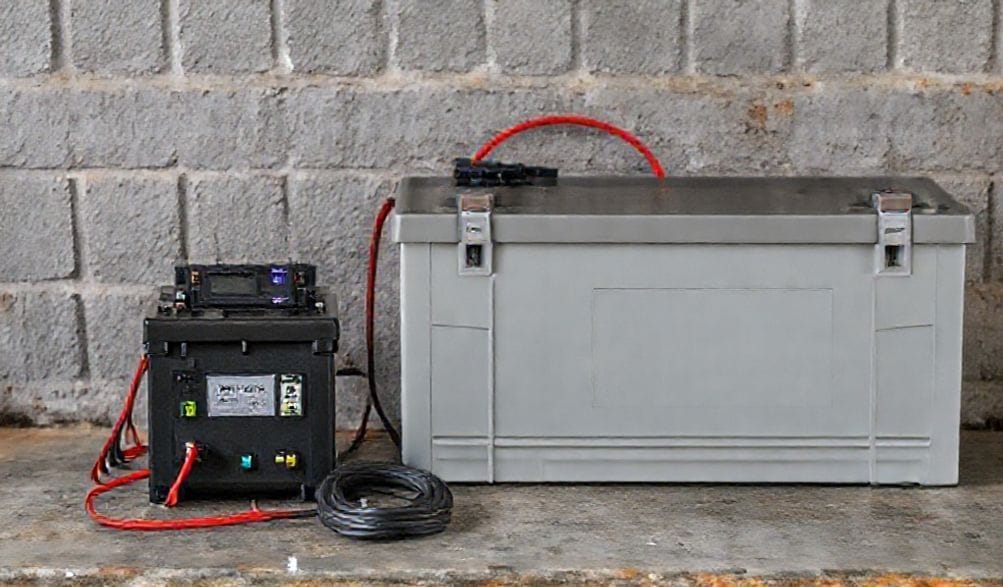
The Complete Guide to 72V Battery and Controller Systems for Electric Vehicles
Welcome, builders and enthusiasts. Whether you’re pushing the boundaries of an e-bike, engineering a high-performance electric scooter, or crafting a custom EV from the ground up, the heart of your project lies in its power system. This comprehensive guide is born from electrical engineering principles and countless hours in the workshop, soldering, testing, and tuning 72V systems. My goal is to translate that hands-on experience into reliable, actionable knowledge for you. Understanding the symbiotic relationship between your 72V 电池 和 motor controller isn’t just technical jargon—it’s the difference between a thrilling, reliable machine and a costly, potentially dangerous disappointment. We’ll delve deep into how these components work, how to choose them, and how to integrate them safely to unlock superior power, range, and efficiency.
Understanding 72V Battery Systems: Core Components and Specifications
A 72V battery pack is more than just a power source; it’s the energy reservoir for your entire vehicle. The “72V” refers to its nominal voltage—the average operating voltage. A fully charged lithium-based 72V pack can actually reach over 84V. This higher voltage is key, as it allows your system to deliver more power (Watts) without demanding excessively high current (Amps), leading to better efficiency and less heat.
Battery Chemistry Breakdown: Lithium-ion vs. LiFePO4 for 72V Applications
Your first critical choice is chemistry. The two main contenders for 72V EV applications are Lithium-ion (Li-ion, often NMC or NCA) and Lithium Iron Phosphate (LiFePO4 or LFP).
- Lithium-ion (NMC/NCA): This is the champion of energy density. You get more Watt-hours (Wh) per kilogram, meaning a lighter, more compact pack for a given range. This makes it ideal for performance applications like electric motorcycles or high-speed e-bikes where weight and space are at a premium. The trade-offs? It has a more sensitive chemistry, requiring a robust Battery Management System (BMS). Its lifespan is typically shorter (500-1000+ cycles), and it is more susceptible to thermal runaway if damaged or improperly charged.
- Lithium Iron Phosphate (LiFePO4): This is the champion of safety and longevity. LiFePO4 chemistry is inherently more stable, dramatically reducing fire risk. It boasts an exceptional cycle life (2000-5000+ cycles), making it perfect for daily drivers, utility vehicles, or any project where long-term reliability is paramount. The downsides are lower energy density (heavier/bulkier packs) and a lower nominal cell voltage, requiring more cells in series to reach 72V.
结论: Choose Li-ion for maximum performance and lightness; choose LiFePO4 for maximum safety, lifespan, and total cost of ownership.
Key Specifications: Capacity (Ah), Energy (Wh), and C-Rating
Reading a battery spec sheet is essential:
* Capacity (Ah): Think of this as the size of your fuel tank. A 72V 20Ah battery can theoretically deliver 20 amps for one hour before depleting. Higher Ah = more range.
* Energy (Wh): This is the true measure of total stored energy, calculated as Voltage (V) x Capacity (Ah). A 72V 20Ah pack stores 1440Wh. This number is crucial for comparing different voltage systems and estimating range.
* Continuous & Peak C-Rating: This defines the battery’s current delivery capability. A “C” is equal to the pack’s Ah rating. A 20Ah battery with a 2C continuous rating can safely deliver 40A continuously. A 5C peak rating means it can handle 100A in short bursts (e.g., for acceleration). Matching this to your controller’s current draw is non-negotiable.
Battery Management Systems (BMS): The Guardian of Your 72V Pack
The BMS is the silent, intelligent protector inside your battery pack. A quality BMS is non-negotiable for safety and longevity. Its core functions include:
* 电芯均衡: Ensures all individual cells in the 72V series string charge and discharge evenly, preventing weak cells from being overstressed.
* Overcharge/Over-discharge Protection: Cuts off current to prevent cells from exceeding safe voltage limits, the primary cause of lithium battery failure.
* Over-current & Short-Circuit Protection: Acts as a high-speed electronic fuse to protect against dangerous current spikes.
* 温度监控: Disables charging/discharging if cell temperatures exceed safe operating windows.
Never use a 72V lithium battery pack without a fully functional, appropriately rated BMS.
72V Motor Controllers: The Brain of Your Electric Drive System
If the battery is the heart, the motor controller is the brain and nervous system. It’s a sophisticated electronic switchboard that takes DC power from your battery and converts it into precisely timed AC pulses to drive a brushless DC (BLDC) or AC induction motor.
How Motor Controllers Work: PWM and Phase Currents Explained
At its core, a controller uses Pulse Width Modulation (PWM). Imagine flipping a power switch on and off thousands of times per second. By varying the **宽度** of the “on” pulse, the controller varies the average voltage and current sent to the motor. A 50% duty cycle delivers half the average power of a 100% duty cycle. This is how it controls speed smoothly.
For a 3-phase brushless motor, the controller doesn’t just send power—it orchestrates it. Using feedback from hall sensors in the motor, it sequentially energizes pairs of the three phase wires (A, B, C) in a rotating pattern. This creates a rotating magnetic field that “pulls” the motor’s permanent magnets, producing torque. The sophistication of this phase current control directly impacts smoothness, efficiency, and torque.
Matching Controller to Motor: Phase Amps, Battery Amps, and Voltage Limits
Compatibility is critical. Mismatching can instantly destroy components.
* Voltage Rating: 您的控制器额定输入电压必须为72V标称电压。将72V电池用于60V控制器很可能将其损坏。 必须 be rated for at least 72V nominal. Ideally, its maximum voltage should exceed your battery’s full charge voltage (~84V for Li-ion).
* Battery Current (Amps): This is the current drawn from the battery pack. The controller’s rated battery amps must be within the battery pack’s continuous discharge rating (C-Rating x Ah).
* Phase Current (Amps): This is the current the controller can deliver to the motor. It is typically 2-3 times higher than the battery current due to the controller’s internal modulation. This phase current rating must not exceed your motor’s maximum current rating, as it determines peak torque.
Simple Rule: Battery Voltage & Current specs must align with your battery. Phase Current specs must align with your motor.
Programmable Controllers vs. Fixed Settings: Flexibility and Optimization
基础控制器采用固定参数。. 可编程控制器, (通过USB或蓝牙访问)是DIY与性能项目的革命性产品,允许您对以下参数进行调校:
* 电流限制: 精确调节电池电流和相电流,以匹配您的具体组件。.
* 油门响应: 将油门输入映射到功率输出(线性、指数曲线等模式)。.
* 低压截止保护: 设定控制器为保护电池而切断电源的精确电压值。.
* 能量回收制动: 启用并调节制动时的能量回收强度。.
* 软启动与弱磁控制: 提升低速平顺性或实现更高的极速(但会牺牲效率)。.
这种可编程性让您能够针对扭矩、极速、效率或平衡模式进行优化,根据您的确切需求定制系统。.
系统集成:为您的72V电池匹配合适的控制器
现在是关键环节:将所有部件连接成一个协调、安全且功能完整的系统。.
电压-电流-功率关系:计算您的需求
使用以下基本公式来规划您的构建:
* 功率(瓦特)= 电压(伏特)x 电流(安培)。.
* 示例:一个从72V电池汲取50A电流的系统,其功率为 72V x 50A = 3600W 。.
* 估算所需电池容量:确定您的期望续航里程和平均每英里瓦时消耗量(请根据您的车型进行研究)。. 所需电池瓦时数 = 期望续航里程(英里)x 平均每英里瓦时数。.
* 选择控制器规格:确定您的目标功率。. 控制器电池电流额定值 ≥ (目标功率瓦特数 / 电池标称电压)。.
高压系统的布线、连接器与安全注意事项
72V系统要求采用专业级操作规范:
* 线规: 参考线规表。对于承载50-100A电流的电池到控制器主线,您很可能需要 8 AWG 到 4 AWG 的硅胶外皮、多股绞合导线。.
* 连接器: 可通过 使用XT90、安德森Powerpole或类似的 大电流连接器。避免使用可能熔化的廉价塑料连接器。. 务必对连接点进行焊接并加热缩管保护。.
* 熔断保护: 必须在电池正极引线上安装额定值合适的 直流熔断器或断路器 ,并尽可能靠近电池端子。这是您首要的防火安全装置。.
* 开关装置: A 主接触器或重型开关 对于安全断开高压线路至关重要。切勿带电插拔大电流连接器。.
油门与霍尔传感器兼容性:确保无缝通信
控制信号与电源线同样重要:
* 油门: 多数使用0-5V模拟信号或1-4V信号。请确保控制器的油门输入类型与您的油门输出类型匹配。有些使用霍尔效应传感器,有些则使用电位器。.
* 霍尔传感器: 电机引出的三根细线提供转子位置反馈。其连接器必须与控制器的插座匹配。如果不匹配,您可以重新接线序,但必须通过测试正确识别线色代码。.
* 测试: 在最终组装前,进行“台架测试”(使车轮离地),以验证电机转向、油门操作和刹车断电功能。.
性能优化与实际应用
系统正常运行后,您现在可以根据具体目标进行微调。.
最大化续航 vs. 最大化功率:系统配置策略
这通常是相互矛盾的优先目标:
* 追求最大续航: 在控制器上设置 较低的电流限制 (例如30A而非50A)。这降低了峰值功耗,最小化电压骤降和以热能形式浪费的能量。编程设置平缓的油门响应,并尽可能利用再生制动。优先选择 更高安时容量 (更多瓦时)的电池,并保持中等速度行驶。.
* 追求最大功率: 在控制器上设置 设置高电流限制 ,并选择具有高相电流倍数的控制器以获得爆发性扭矩。这将大幅增加能耗和发热。您需要一个具有很高 C倍率 的电池,以支持大电流放电而不会电压骤降或过热。热管理变得至关重要。.
常见应用:电动自行车、电动滑板车、电动摩托车及定制项目
- 大功率电动自行车: 72V属于“超级电动自行车”范畴。预期速度可达40-60+英里/小时。重点关注高倍率锂离子电池组、用于扭矩调节的可编程控制器,以及 极其坚固的刹车和车架。.
- 电动滑板车/轻便摩托车: 是实现公路行驶速度(50-70英里/小时)的理想选择。需要摩托车级别的组件、适当的悬架和照明系统。磷酸铁锂电池因其耐用性是此处的绝佳选择。.
- 电动摩托车: 72V是轻型至中型电动摩托车的常见电压。系统集成较为复杂,涉及CAN总线通信、仪表盘和OEM级别的安全系统。.
- 定制项目(卡丁车、全地形车、船只): 原理相同。重点在于使电机的扭矩/转速特性(KV值)与车辆的传动比和重量相匹配。.
热管理:确保72V系统在负载下保持冷却
热量是电子设备和电池的敌人。.
* 控制器: 安装在具有 气流. 的位置。使用铝制安装板作为散热器。对于持续高负载,考虑使用带有 内置风扇 的控制器或增加外部冷却风扇。.
* 电池: 不要将电池密封在密闭箱体中。提供 通风槽. 。对于极端性能,一些制造者会使用 温度传感器 ,连接到BMS或独立的报警器。主动式液冷很少见,但存在于顶级系统中。.
* 监控温度: 高强度运行后,触摸组件(小心!)感受温度。如果热到无法触摸超过几秒钟(>60°C/140°F),则需要改进冷却或降低电流限值。.
维护、安全与故障排除
72V系统是一项投资。通过适当的维护来保护它。.
72V电池组常规维护检查清单
- 每月: 目视检查所有大电流连接是否紧固,有无腐蚀或熔化。.
- 每充放电10-20次: 通过BMS平衡线(如果可访问)检查各电芯组电压,确保电池组保持均衡。.
- 储物空间: 若存储时间超过1个月,请将电池充电或放电至 约50%的荷电状态(锂离子电芯约3.7V,磷酸铁锂电芯约3.3V). 。存储在阴凉干燥处。.
- 常规机械检查(电池之外) 始终使用制造商指定的充电器。在防火安全区域充电,切勿长时间无人看管。.
常见问题诊断:电压骤降、控制器故障和错误代码
- 负载下严重电压骤降: 表明存在 电池问题——可能是连接不良、电芯组故障,或电池的C倍率不足以满足控制器的电流需求。.
- 控制器切断/复位: 可能是 过温保护, 车牌、 、由电压骤降触发的 低压截止保护,或霍尔传感器/油门连接松动。.
- 电机顿挫或抖动: 通常是 霍尔传感器问题. 。检查霍尔传感器连接器和线路。也可能是相线连接问题。.
- 错误代码: 请参阅控制器手册。常见代码涉及过流、过温、霍尔传感器故障或油门错误。.
长期存储与电池寿命保持
- 避免完全放电: 切勿常规性地将电池用到控制器的截止电压。这会严重损耗电芯。.
- 避免满电存储: 锂电池在长期保持满电状态下衰减最快。.
- 温度是关键: 避免将电池暴露在极端高温下(如夏季的炎热车内)或在冻结状态下充电。.
- 遵循80/20规则(以延长寿命): 如果日常不需要满续航里程,仅充电至80-90%,仅放电至20-30%。这可以使电池组的循环寿命延长两到三倍。.
常见问题部分
Q1:与较低电压系统相比,72V系统危险吗?
答: 所有电气系统都需要谨慎对待,但72V在正常干燥条件下通常被认为是特低电压,不会致命。然而,它能输送危险电流并产生严重的电弧闪光,可能引发火灾或造成烧伤。必须采取适当的绝缘、熔断和断开措施。始终以对待市电同样的谨慎态度对待它。.
Q2:我可以用60V控制器搭配72V电池吗?
A:绝对不行。. 超过控制器的最大额定电压会立即损坏其电容器和MOSFET,通常会导致剧烈的、冒烟的故障,造成严重的火灾隐患。务必确保控制器的电压额定值匹配或超过电池的标称电压和最大充电电压。.
Q3:如何计算我的72V系统的近似续航里程?
答: 使用基于能量的公式: 续航里程(英里)= [电池瓦时数] / [平均每英里瓦时数]. 例如,一辆搭载72V 20Ah电池(1440Wh)的车辆,若能耗为30 Wh/英里,可提供约48英里的续航。而一辆能耗为50 Wh/英里的重型摩托车,则只能获得约29英里的续航。地形、重量、速度及驾驶风格会显著影响能耗。.
Q4:什么是再生制动,我的72V控制器支持此功能吗?
答: 再生制动通过在制动时将电机转变为发电机,回收动能并将电流送回电池。这需要控制器和电池管理系统专门设计用于双向电流。并非所有72V系统都具备此功能;在假定其可用前,必须核对控制器的规格说明。.
Q5:我应该多久对72V锂电池组进行一次电芯均衡?
答: 这取决于使用情况和BMS质量。若配备性能良好、具备主动均衡功能的BMS,可能几乎无需手动干预。一般建议每进行10-20次完整充放电循环,或发现续航里程显著下降时,进行一次完整的慢速均衡充电。许多充电器设有专用的“均衡”模式。请务必参考电池制造商的具体建议。.
结论
成功实施72V电池与控制器系统是一项富有成就感的工程挑战,它融合了细致的规划、扎实的电气原理掌握以及对细节的一丝不苟。本指南已引导您走完整个旅程——从选择合适的电池化学类型和解码控制器规格,到安全集成与长期维护的关键步骤。请记住,投资信誉良好的制造商生产的优质组件,并反复核查所有兼容性规格,不仅是为了实现峰值性能,更是构建安全可靠车辆的基础。对于复杂或高功率项目,请随时咨询合格的电动汽车技术人员。通过负责任地运用此处的知识,您现在已具备能力,去充分利用一个设计精良、调试得当的72V系统所提供的显著动力、效率和续航优势。明智构建,安全骑行,享受电动革命。.
METADATA_START—
DISPLAY_TITLE: 电动汽车72V电池与控制器系统完全指南
SEO_TITLE: 72V电池与控制器指南 | 性能、安全与集成
META_DESC: 通过我们完整的72V电池与控制器指南掌握您的电动汽车构建。学习如何选择、集成和优化以实现安全、续航和最大功率。包含DIY技巧。.
IMG_PROMPT: 一张详细、专业的照片,展示一个高性能72V锂电池组和一个可编程电机控制器置于工作台上,旁边放置有粗规格线缆和连接器。风格应技术化、简洁、光线良好,突出工程组件。.
—METADATA_END—