
The Ultimate Guide to Motorcycle Dirtbikes: Choosing, Riding & Maintaining Your Off-Road Machine
For over a decade, I’ve felt the pure adrenaline of clearing a tabletop jump and the quiet satisfaction of perfectly navigating a wooded single-track. That deep, hands-on experience with motorcycle dirtbikes—the triumphs, the mistakes, the repairs—is what fuels this comprehensive guide. Whether you’re a complete newcomer puzzling over the “dirtbike vs. motorcycle” difference, a parent researching a first bike for your child, or an intermediate rider looking to upgrade, this resource is built from the ground up to answer your questions. We’ll cut through the confusion and marketing hype to provide clear, actionable advice to help you make informed decisions and enjoy this incredible sport safely and confidently.
What is a Dirtbike? Understanding the Core Off-Road Motorcycle
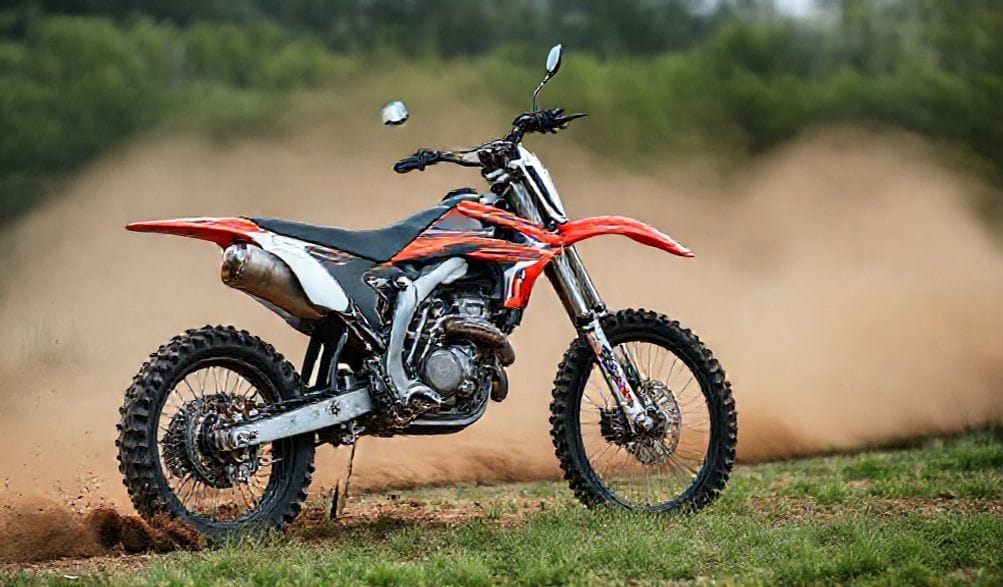
Before we dive into buying and riding, let’s define our subject. A motorcycle dirtbike is a specialized motorcycle designed exclusively for off-road use. It’s a purpose-built machine that prioritizes agility, durability, and performance over unpaved, rough, and often unpredictable terrain. Unlike their street-going cousins, these bikes are all about conquering nature’s obstacles.
Key Characteristics of a Dirtbike
- Lightweight Frame & Aggressive Suspension: The chassis is built to be flickable and strong, while the long-travel suspension (often 10+ inches) is tuned to absorb massive impacts from jumps, rocks, and ruts.
- Knobby, Deep-Tread Tires: These provide the essential “bite” needed for traction in mud, sand, loam, and gravel. The large gaps between tread blocks (knobs) help self-clean and dig in.
- High-Mounted Exhaust & Minimal Bodywork: The exhaust pipe is routed high to avoid damage from rocks and logs. Bodywork is sparse and functional, designed to shed mud and survive crashes with minimal damage.
- Lack of Street-Legal Equipment: Pure dirtbikes typically have no headlight, tail light, turn signals, mirrors, or horn. They are not intended for public road use.
Dirtbike vs. Street Motorcycle: A Fundamental Breakdown
Understanding this distinction is crucial for your safety, enjoyment, and wallet.
* Purpose & Design: A dirtbike is a scalpel for the dirt—light, tall, and suspended for impact. A street motorcycle is designed for stability, comfort, and speed on smooth pavement, with lower ground clearance and street tires.
* 骑行姿势: On a dirtbike, you ride aggressively, often standing on the footpegs with bent knees and elbows up, ready to shift your weight. Street riding is predominantly a seated, forward-leaning or upright posture.
* Legal Differences: This is the most critical distinction. Riding a non-street-legal motorcycle dirtbike on public roads is illegal and dangerous. They belong on private property or designated off-road areas (OHV parks, trails, motocross tracks).
Choosing the Right Dirtbike: A Buyer’s Guide Based on Experience
This is where many first-timers go wrong. The right bike isn’t about the coolest graphics or the biggest engine; it’s about matching the machine to your skill level, physical size, and intended use.
Determining Your Riding Style and Terrain
Be honest with yourself about where you’ll spend 80% of your time.
* Motocross/Track Riding: This means jumps, berms, and whoops on a groomed, closed course. Bikes for this (e.g., Yamaha YZ, Honda CRF-R, KTM SX) have very stiff suspension, powerful brakes, and engines tuned for explosive power. They are high-strung and require frequent maintenance. Not recommended for beginners.
* Trail/Enduro Riding: This is exploring woods, mountains, and desert trails. Trail bikes (e.g., Honda CRF-F, Yamaha TT-R, Kawasaki KLX) have softer, more compliant suspension, a torquier and more manageable engine, a wider-ratio transmission, and often include a kickstand and a spark arrestor. Ideal for most beginners.
* Adventure/Dual-Sport Exploration: Want to connect trails via backroads? A dual-sport is a street-legal motorcycle dirtbike. They are heavier than pure dirtbikes due to lighting, mirrors, and emissions equipment but offer incredible versatility (e.g., Honda CRF300L, Suzuki DR-Z400S).
Engine Size and Type: 2-Stroke vs. 4-Stroke
The engine defines the bike’s character.
* 2-Stroke Dirtbikes: Lighter and mechanically simpler. They produce power in a sudden, explosive “hit” (powerband) and require mixing oil with fuel. They can be less expensive to rebuild but require a more active, clutch-modulating riding style. The smell and sound are iconic.
* 4-Stroke Dirtbikes: The modern standard. They are torquier, with a smoother, more predictable power delivery from low to high RPMs. They run on gasoline alone (oil in a separate sump) and are generally more beginner-friendly. However, they are more complex and can be very expensive to repair if a major internal failure occurs.
CC Displacement Guide:
* 50cc-110cc: Youth bikes. Perfect for children and small beginners.
* 125cc (2-Stroke) / 150cc-250cc (4-Stroke): The classic beginner-to-intermediate size for teens and adults. A 250cc 4-stroke trail bike is arguably the perfect starting point for most adults.
* 250cc (2-Stroke) / 350cc-450cc (4-Stroke): Expert-level power. These are full-race machines with power that can easily overwhelm a novice. Respect them.
New vs. Used Dirtbikes: Pros and Cons
- 全新车: You get a warranty, the latest technology, and peace of mind with zero hidden history. The downside is the significant upfront cost and the instant depreciation the moment you ride it off the lot.
- 二手车: This is how most people enter the sport. It offers a much lower financial barrier. The key is vigilant inspection. Look for signs of proper maintenance (clean air filter, fresh oil, tight chain) and avoid bikes with obvious crash damage (bent frame, cracked engine cases, leaking forks). A used, well-maintained trail bike from a major Japanese brand (Honda, Yamaha, Kawasaki) is often the smartest first purchase.
Essential Dirtbike Gear: Non-Negotiable Safety Equipment
If you skimp here, you are gambling with your health. A motorcycle dirtbike is unforgiving, and falls are a matter of “when,” not “if.”
- 护目镜: 支持服务至关重要。选择信誉良好、提供强力保修(例如车架、电机和电池保修2年以上)且关键是有本地经销商网络提供服务的品牌,相比没有本地支持、直接面向消费者的陌生品牌,是更安全的长期选择。. Full-face only. Look for DOT certification at a minimum, with SNELL or ECE 22.06 ratings being superior indicators of advanced protection. It must fit snugly without pressure points.
- 牛仔布或越野摩托车骑行服等耐用材料能防止擦伤("路面皮疹")。 MX boots are rigid, ankle-high boots with reinforced soles, shank plates, and buckles. They prevent twists, breaks, and crush injuries. Street boots or work boots are utterly inadequate.
- 全指手套能增强抓握力,保护双手不起水泡,并在摔倒时防止擦伤。 Protect your eyes from roost, branches, and mud. Get a comfortable pair with a dual-pane lens to prevent fogging. Tear-offs or roll-offs are essential for muddy conditions.
- 坚固的及踝高靴(越野摩托车靴或坚固的工作靴)对于脚踝支撑和保护至关重要。 Provide grip, protect from blisters, and offer abrasion resistance in a fall.
- 护甲/胸甲: A roost guard or full pressure suit protects your torso, back, and shoulders from impacts and rocks thrown up by other riders.
- 服装: MX-specific jersey and pants are designed to be durable, breathable, and work in conjunction with knee/shin guards (another highly recommended piece) and your boots.
Basic Dirtbike Maintenance You Can Do Yourself
A well-maintained bike is a safe and reliable bike. This isn’t a car; neglect leads directly to breakdowns and failures, often far from the truck.
骑行前与骑行后检查清单
Before You Ride (T-CLOCS):
* Tires & Wheels: Check pressure (12-14 PSI is common for trails) and for damage.
* Controls: Levers, throttle, and cables should operate smoothly.
* Lights & Electrics (if equipped): Battery charge, kill switch function.
* Oil & Fluids: Check engine oil and coolant levels.
* Chassis: Check chain tension (1.5-2 inches of free play) and lubricate it. Inspect frame and suspension linkage.
* Stands: Ensure the bike is secure.
骑行后:
* Wash the bike (avoid direct pressure on bearings and air filter).
* Lubricate the chain while it’s warm.
* Check for any loose bolts or new leaks.
* Service a dirty air filter. This is the single most important maintenance task for engine longevity.
Common Maintenance Tasks
- Changing Engine Oil and Filter: This is simple. Warm up the bike, drain the oil via the drain bolt, replace the crush washer, and swap the filter. Refill with the exact type and quantity specified in your manual. Do this frequently (every 10-15 riding hours for 4-strokes).
- Replacing Brake Pads: When pads are worn thin, simply remove the retaining pin, slide out old pads, compress the caliper piston (with the reservoir cap open), and slide in new pads. Re-insert the pin. Bleeding brakes (removing air from the line) is the next-level skill to learn if the lever feels spongy.
Getting Started: Basic Dirtbike Riding Techniques
Throwing a leg over a motorcycle dirtbike for the first time is exhilarating. Focus on fundamentals before speed.
- 核心原理: Start on flat, open ground. Learn the friction zone of the clutch—the point where the bike starts to move. Use this to control your speed slowly. Keep your head and eyes up, looking where you want to go. Stand on the footpegs with your weight centered, knees and elbows bent. This “attack position” is your stable platform for everything.
- 通过障碍: For hills, maintain momentum and shift your weight forward going up, back going down. For ruts, look ahead and let the bike follow the channel while you stay light on the bars. For small logs, approach at a steady speed, lift the front wheel slightly with a clutch pop and body shift, then shift your weight forward to bring the rear wheel over.
- The Importance of Professional Instruction: This is the best money you can spend. Organizations like the Motorcycle Safety Foundation (MSF) offer off-road courses. A good instructor will teach you proper techniques in a controlled environment, accelerating your learning curve and safety dramatically.
Dirtbike FAQ: Answering Your Most Common Questions
Q1: What is the best beginner dirtbike for an adult?
答: For most adult beginners, a 4-stroke trail bike in the 230cc to 250cc range (e.g., Honda CRF250F, Yamaha TT-R230) offers the perfect blend of manageable, linear power, forgiving suspension, and low seat height. The absolute “best” depends on your size, strength, and primary riding area. When in doubt, go smaller and less powerful.
Q2: Do I need a license to ride a dirtbike?
答: On private property, no. For designated public off-road areas (state forests, BLM land), you typically need an off-road vehicle permit from that state’s parks department. For 双运动 bikes on public roads, a standard motorcycle endorsement on your driver’s license is mandatory. Always, always check your specific local and state laws.
Q3: How much does it cost to get into dirt biking?
答: Beyond the bike ($2,500-$4,000 for a decent used beginner setup), budget $800-$1,500+ for quality, new safety gear. Then factor in ongoing costs: insurance (for theft/damage, not liability), maintenance (~$200/year in basics), fuel, and possible trail/membership fees ($50-$500/year). A realistic total entry point is $3,500-$5,000.
Q4: What’s the difference between motocross, enduro, and dual-sport bikes?
答: Motocross (MX) bikes are purebred racers for tracks: stiff, powerful, minimalistic. Enduro/Trail bikes are the versatile workhorses for the woods: softer, torquier, with lights/wide-ratio gearbox for technical terrain. 纯粹可靠的能力, bikes are street-legal enduro bikes, adding mirrors, signals, and a horn to meet road regulations, often at the cost of some off-road performance.
Q5: How often does a dirtbike need maintenance?
答: Much more frequently than a street bike. Service intervals are measured in riding hours. In dusty conditions, clean the air filter 每次. Change engine oil every 10-15 hours (4-stroke) or 40 hours (2-stroke, gear oil). Grease suspension and linkage bearings every 30-50 hours. Your owner’s manual is your bible.
结论
Choosing and riding a motorcycle dirtbike opens up a world of freedom, physical challenge, and a profound connection with the outdoors. It’s a sport that rewards patience, continuous learning, and respect—for your machine, the terrain, and other riders. Start by honestly assessing your experience level and goals. Invest properly in safety gear before you even think about engine mods. Seek professional training to build a foundation of good habits. The journey of a thousand miles of epic single-track begins with a single, well-informed decision. Now, get out there, start slow, and enjoy the ride.
Ready to look at specific models? Use the guidelines in this post to narrow your search. Remember, seat height and feel are critical—always try to sit on a bike before you buy. For visual learners, our detailed maintenance tutorials and riding technique videos can be found on our [YouTube Channel / Video Library].
METADATA_START—
DISPLAY_TITLE: The Ultimate Guide to Motorcycle Dirtbikes: Choosing, Riding & Maintaining Your Off-Road Machine
搜索引擎优化标题:2024越野摩托车指南:如何选择、骑行与保养 | 初学者贴士
META_DESC: Your complete guide to motorcycle dirtbikes. Learn how to choose the right bike, essential safety gear, basic maintenance, and beginner riding techniques from an experienced rider.
IMG_PROMPT: A dynamic, wide-angle action shot of a rider on a modern dirtbike, mid-jump over a sun-drenched trail, with roost flying and the rider in full safety gear, showcasing the excitement of the sport.
—METADATA_END—