
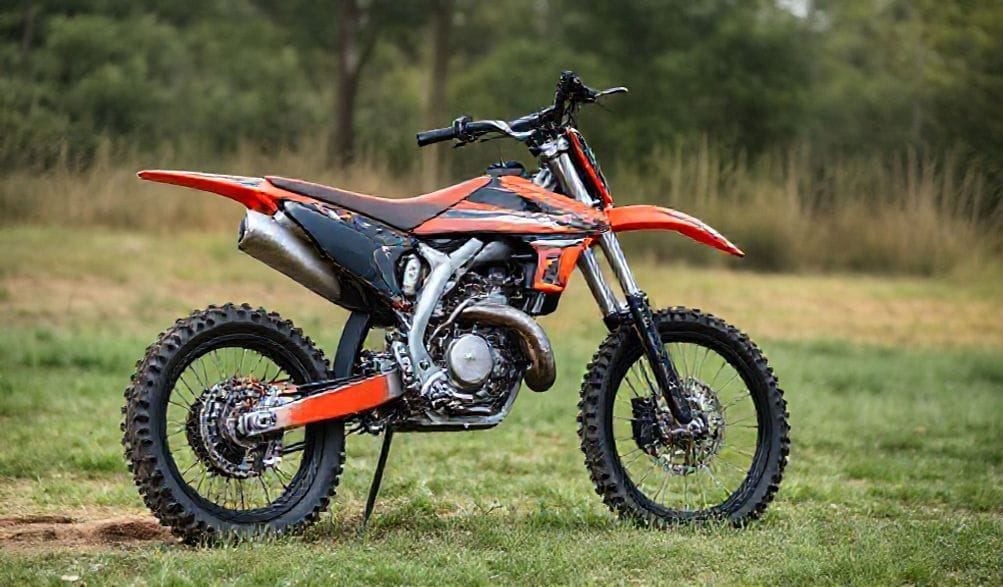
The Ultimate Guide to Battery-Powered Dirt Bikes: Performance, Benefits & Top Picks
The roar of a two-stroke engine echoing through the woods has long been the soundtrack of off-road adventure. But a quiet revolution is reshaping the trails. A new breed of machine is emerging, trading the smell of premix and the snarl of a piston for the silent surge of electrons. This is the era of the battery-powered dirt bike. For riders, a pressing question arises: Is an electric dirt bike right for your next adventure, or is it a compromise waiting to strand you in the backcountry?
This guide is your comprehensive, unbiased resource. We’ve cut through the hype and the skepticism to provide a clear-eyed look at the electric dirt bike landscape. Based on technical deep-dives, performance comparisons, and real-world rider insights, we’ll help you navigate this exciting new category. By the end, you’ll understand the core technology, weigh the undeniable benefits against the practical considerations, and get to know the top models leading the charge in 2024. Whether you’re a seasoned motocrosser, a trail enthusiast, or a parent looking for a kid’s first bike, we promise you’ll have the knowledge to make an informed decision.
What is a Battery-Powered Dirt Bike? Understanding the Electric Revolution
At its core, a battery-powered dirt bike replaces the internal combustion engine with an electric drivetrain. It’s a purpose-built off-road motorcycle that draws its power from a rechargeable battery pack, delivering it to the wheel via an electric motor and a sophisticated controller. This fundamental shift in propulsion isn’t just about being “green”—it redefines the mechanical simplicity, riding feel, and very culture of dirt biking.
Core Technology Explained: Motors, Batteries, and Controllers
Let’s demystify the three key components that make an electric dirt bike tick:
- The Electric Motor: This is the heart of the bike, converting electrical energy into motion. Most e-dirt bikes use a brushless DC motor for its efficiency, power, and reliability. You’ll encounter two main placements:
- Mid-Drive: The motor is mounted centrally, near the bike’s crank, and drives the rear wheel via a chain or belt. This preserves traditional bike balance and allows for a transmission (often a single-speed with adjustable gearing via sprockets).
- Hub Motor: The motor is integrated directly into the rear wheel hub. This design is simpler, often lighter, and requires almost no maintenance, but can affect unsprung weight and handling.
- The Battery Pack: This is the bike’s fuel tank. Almost universally, modern bikes use Lithium-ion (Li-ion) cells for their high energy density and rechargeability. Key specs are Voltage (V) and Amp-hours (Ah). Think of voltage as the “pressure” of the electrical system—higher voltage (e.g., 72V vs. 48V) generally means more potential power and speed. Amp-hours represent the “capacity”—how many amps the battery can deliver for one hour. A higher Ah rating typically translates to longer range.
- The Controller: This is the bike’s brain. Sitting between the battery and the motor, it regulates the power flow based on your throttle input. It manages acceleration curves, regenerative braking (on some models), and protects the system from overload. A high-quality controller is crucial for smooth, responsive power delivery.
How It Compares to Traditional Gas-Powered Models
| Feature | Battery-Powered Dirt Bike | Gas-Powered Dirt Bike |
| :— | :— | :— |
| Power Delivery | Instant, full torque from 0 RPM. Linear, seamless acceleration. | Builds power with RPMs. Requires clutch modulation and gear shifts. |
| Noise Level | Very quiet (motor whine, tire noise). | Loud (engine exhaust). |
| Maintenance | Very low. No engine oil, filters, spark plugs, coolant, or complex transmission. | Regular, intensive. Oil changes, air filter cleaning, valve adjustments, etc. |
| Refuel/Recharge | Plug-in recharge (1-6 hours). Can use standard outlets. | Quick liquid fuel fill-up (2-5 mins). Requires gas stations. |
| Direct Emissions | Zero at point of use. | CO2, NOx, hydrocarbons. |
| Initial Cost | Typically higher. | Typically lower (for comparable performance). |
| Operating Cost | Very low (electricity cost). | High (gasoline, oil, frequent parts). |
Key Benefits of Choosing an Electric Dirt Bike
The electric advantage isn’t a single feature; it’s a combination of performance, practical, and experiential benefits that create a compelling case.
Instant Torque and Responsive Power Delivery
This is the game-changer. An electric motor delivers 100% of its torque the instant you twist the throttle. There’s no lag, no clutch slip, no waiting for the powerband to hit. This translates to explosive acceleration out of corners and effortless lofting of the front wheel over obstacles. For technical trail riding, the precise, linear throttle control offers incredible traction and finesse. You can put power down exactly where and when you need it, making challenging sections more manageable. It’s a different kind of power—less frantic, more telepathic.
Significantly Reduced Maintenance and Operating Costs
Forget the Saturday morning ritual of changing oil, cleaning air filters, adjusting valves, and jetting carbs. An electric dirt bike’s drivetrain has a fraction of the moving parts. There’s no complex internal combustion engine to maintain. Your primary maintenance shifts to universal motorcycle items: brake pads, tires, suspension servicing, and keeping bolts tight. The “fuel” cost is a fraction of gasoline; a full charge often costs less than a dollar. Over the lifetime of the bike, the savings on maintenance and energy can significantly offset the higher initial purchase price.
Eco-Friendly and Trail-Access Friendly Riding
The zero direct emissions mean you ride without contributing to local air pollution. Perhaps more immediately impactful for riders is the radically reduced noise pollution. The near-silent operation is a courtesy to other trail users, wildlife, and landowners. This quiet nature is opening doors to riding areas where gas bikes have long been banned due to noise complaints. It’s fostering better relationships with land managers and preserving trail access—a huge win for the sport. It’s important to present a balanced view: the environmental footprint includes battery manufacturing and the source of your electricity (coal vs. renewables). However, the overall lifecycle impact is generally lower, and the on-trail benefit is undeniable.
Quiet Operation for Enhanced Riding Experience
Beyond trail access, the silence is transformative. You can hear the tires gripping the dirt, the wind, and your own thoughts. Communication with riding buddies is easy without shouting. It creates a more immersive, almost meditative connection with the terrain. You become more aware of your surroundings, which can enhance both safety and enjoyment. It’s not the absence of sound, but the presence of a different, more intimate soundscape.
Important Considerations Before You Buy
Electric dirt bikes are incredible, but they aren’t a perfect, one-size-fits-all solution. Honest evaluation of your needs is key.
Understanding Range, Charge Time, and Real-World Usage
“Range anxiety” is the top concern. A manufacturer’s claimed range is a best-case scenario. Real-world range is affected by:
* Terrain: Hard-packed fire roads vs. technical, hill-climbing single-track.
* Rider Input: Aggressive, throttle-happy riding drains the battery fast.
* Rider Weight and Bike Setup: Heavier riders and knobby tires increase load.
* Temperature: Cold weather reduces battery efficiency.
Charge times vary from 1.5 hours with a fast charger to 6-8 hours on a standard 110V household outlet. Planning is essential. The strategy shifts from “where’s the gas station?” to “where’s the outlet?” For long days, some riders carry a spare battery or plan loops back to a charging point (like a vehicle with an inverter).
Upfront Cost Analysis and Long-Term Value
There’s no sugarcoating it: the sticker price of a performance-oriented battery powered dirt bike is often higher than a comparable gas bike. However, this is a classic case of judging Total Cost of Ownership (TCO). When you factor in the near-zero maintenance (no $100 oil changes, $50 air filters, $500 top-end rebuilds) and the pennies-per-ride “fuel” cost, the financial picture evens out over several years. For a casual rider, the payback period is longer; for a frequent rider, it can be surprisingly short.
Power and Performance Specifications to Decode
Don’t get lost in the numbers. Here’s a quick decoder:
* kW vs. HP: 1 kilowatt (kW) is roughly 1.34 horsepower (HP). A 30kW motor is about 40 HP.
* Nm (Torque): This is the rotational force. Electric bikes excel here, with numbers often dwarfing their gas counterparts (e.g., 250+ Nm). Higher is better for acceleration and hill-climbing.
* Voltage (V): This indicates the system’s power potential. A 72V system will generally be more powerful and faster than a 48V system, all else being equal.
Top Battery-Powered Dirt Bike Models and Brands for 2024
The market is evolving rapidly. Here’s a snapshot of standout categories.
Top-Tier Performance Models (For Serious Riders)
- Stark VARG: The current performance benchmark. With up to 80 HP, 900 Nm of torque, and over 100 customizable “virtual” engine maps (to mimic any 2-stroke or 4-stroke), it’s a bona fide motocross and enduro weapon with pro-level race specs.
- Sur-Ron Light Bee X / Ultra Bee: The pioneers that brought high-performance e-dirt bikes to the masses. The Light Bee X is an incredibly agile and capable trail/play bike, while the Ultra Bee ups the power and refinement for more aggressive riding. Huge aftermarket support.
- Cake Kalk: Swedish design meets performance. Known for their minimalist, premium aesthetics and capable performance, Cake bikes are for the rider who values design and engineering as much as trail prowess.
Best Value and Entry-Level Options
- Talaria Sting R: Often seen as a direct competitor to the Sur-Ron, offering similar performance and quality at a very competitive price point. A fantastic platform for those wanting high performance without the top-tier price tag.
- Segway Dirt eBike Xyber: A new entrant from a known mobility brand, offering a full-size dirt bike experience with features like a fully adjustable suspension and robust construction, aiming at the value-conscious serious rider.
Specialized Picks for Kids and Young Riders
This is where electric power truly shines. Kids’ electric dirt bikes eliminate the complexities of a clutch and gearbox, allowing them to focus on balance and throttle control. Key features to look for:
* Adjustable Speed Limiters: Lets you cap top speed as they learn.
* Removable Training Wheels: For the very young.
* Durable Construction: They will be dropped.
* Size Appropriateness: Match the bike’s seat height to the child’s inseam.
Brands like Razor, Kuberg, and Oset have excellent reputations in this space. Always prioritize a bike that matches the child’s skill level, not one they will “grow into” too quickly, for safety’s sake.
Maintaining Your Electric Dirt Bike for Longevity
While maintenance is minimal, proper care ensures years of reliable service.
Essential Battery Care and Storage Tips
The battery is your most expensive component. Treat it well:
* Do: Follow the manufacturer’s charging guidelines. Use the provided charger.
* Do Not: Regularly drain the battery to 0%. Avoid leaving it at 100% charge for extended periods (weeks).
* Storage: For long-term storage (winter), charge the battery to about 50-60% and store in a cool, dry place.
* Temperature: Avoid charging a battery that is extremely hot or cold from riding.
Routine Mechanical Checks and Servicing
Your maintenance checklist is refreshingly short:
* Brakes: Check pads and fluid levels regularly.
* Tires: Maintain proper pressure and check for wear.
* Chain/Belt: Clean, lubricate (chain), and adjust tension.
* Suspension: Keep forks and shock clean. Service per manufacturer intervals.
* Bolts and Frame: Periodically check critical fasteners for tightness after off-road use.
* Keep it Clean: Wash the bike, but avoid direct high-pressure spray on electrical connectors, the display, or the charger port.
Frequently Asked Questions (FAQ)
Q: How long does the battery last on a single charge?
A: Anywhere from 1 to 6 hours of ride time, depending on the model, battery size, and, most importantly, how and where you ride. Refer to the “Real-World Usage” section above.
Q: Can you ride a battery-powered dirt bike in the rain?
A: Most are designed to handle light rain and wet conditions, but they are not submarines. Check the bike’s IP (Ingress Protection) rating. An IP67 rating, for example, is highly water-resistant. Always avoid submerging the bike, especially the battery and controller. Consult your manual and exercise caution.
Q: Are electric dirt bikes as powerful as gas bikes?
A: In terms of raw acceleration and torque, high-end electric models now meet or exceed comparable 250cc-450cc gas bikes. The power delivery is different—instant and linear. Top speeds can be similar, though gas bikes may still have an edge in sustained high-speed runs. For technical riding and acceleration, electric is often superior.
Q: What is the average lifespan of the battery?
A: A quality lithium-ion battery is rated for 500 to 1000+ full charge cycles before it degrades to about 80% of its original capacity. With typical use, this can mean 3-5 years or more of good performance. After that, it may still work but with reduced range. Replacement batteries are a significant cost, so factor this into long-term planning.
Q: Where can I get an electric dirt bike serviced?
A: The network is growing. Many traditional motorcycle dealers are adding electric lines. Direct-to-consumer brands (like Sur-Ron, Stark) have authorized service centers. Much of the maintenance (brakes, tires, suspension) can be done by any competent mechanic or the owner. For motor or battery issues, you’ll rely on the manufacturer’s support network, so buy from a brand with a reputation for good customer service.
Conclusion
The battery-powered dirt bike is no longer a curious novelty; it’s a mature, high-performance alternative that redefines off-road riding. The benefits are transformative: the visceral thrill of instant torque, the liberation from constant maintenance, the courtesy of quiet operation, and the promise of preserved trail access. These come with honest considerations—managing range, understanding charging logistics, and accepting a higher initial investment.
The right choice depends entirely on your individual priorities. Are you a racer seeking every competitive edge? A trail rider craving simplicity and immersion? A parent wanting a safe, fun introduction for your child? There’s likely an electric option that fits.
The innovation in this space is breathtaking, with battery density, charging speed, and performance leaping forward each year. The revolution on the trails is just beginning. The best way to truly understand it is to experience that silent surge of power for yourself. We encourage you to seek out a demo day or a dealer test ride. Feel the torque, appreciate the quiet, and imagine the possibilities. Your next adventure might just be electric.
METADATA_START—
DISPLAY_TITLE: The Ultimate Guide to Battery-Powered Dirt Bikes (2024)
SEO_TITLE: Battery Powered Dirt Bike Guide 2024: Performance, Benefits & Reviews
META_DESC: Thinking of buying a battery powered dirt bike? Our ultimate 2024 guide covers performance, range, costs, maintenance, and top models from Sur-Ron to Stark VARG. Make an informed decision.
IMG_PROMPT: A sleek, modern electric dirt bike with a rider in full gear, silently navigating a scenic, sun-dappled forest trail, kicking up a small plume of dirt. The bike is clean and high-tech, contrasting with the natural environment.
—METADATA_END—