
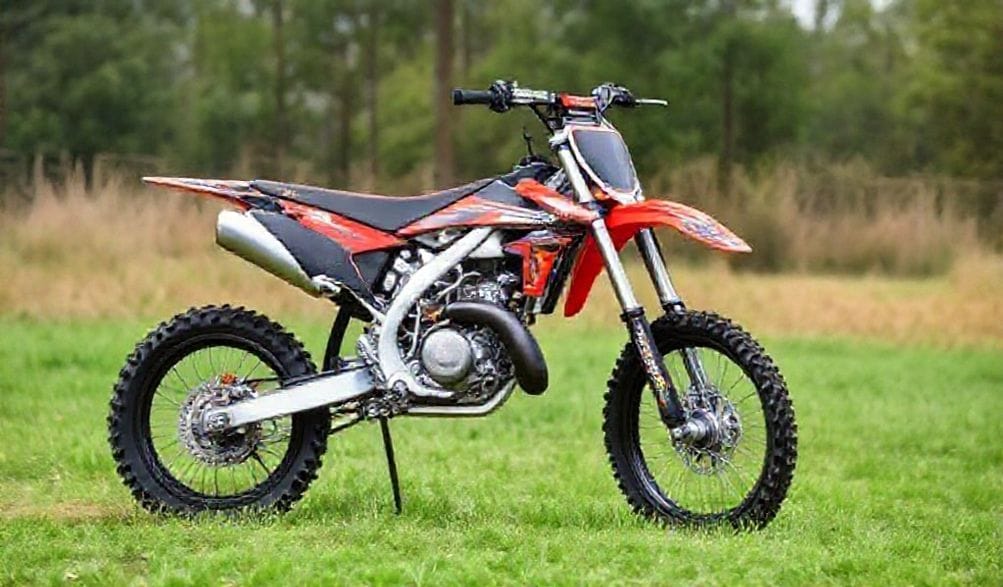
The Best Dirt Bikes for 12-Year-Olds: A 2024 Safety & Performance Guide
The roar of an engine, the smell of fresh earth, and the triumphant grin of a kid conquering a trail—dirt biking offers more than just a thrill. For a 12-year-old, it’s a gateway to building unshakeable confidence, razor-sharp coordination, and a lifelong love for the outdoors. It’s about problem-solving on the fly, learning respect for machinery, and experiencing pure, unadulterated joy. If you’re searching for the best dirt bike for your 12-year-old, you already know this is a pivotal moment. They’re rapidly outgrowing those beginner 50cc and 70cc bikes but are clearly not ready for the towering power and weight of adult machines. The quest is for that perfect middle ground: a machine that balances manageable power, appropriate size, and built-in safety to foster growth, not fear.
This guide is built on a foundation of hands-on experience, meticulous analysis of manufacturer specifications, and, above all, a paramount focus on safety. Our goal is to cut through the noise and help you make a confident, informed decision for your young rider. We’ll break down the key factors—from engine size and seat height to critical safety features—provide detailed reviews of 2024’s top models, and outline the essential gear that completes the package for thrilling and safe adventures.
Why Choosing the Right Bike for a 12-Year-Old is Crucial
At age 12, a child is at a unique crossroads of physical and skill development. Getting the bike wrong here can either stunt their passion with a machine that’s too intimidating or bore them with one they’ve outgrown before the season ends. The right choice fuels progression.
The 12-Year-Old Rider Profile: Skills and Growth
The average 12-year-old boy stands between 4’8″ and 5’2″ and weighs 75 to 100 pounds. Girls are typically in a similar height range, perhaps slightly shorter on average. But averages are just a starting point—measuring your child is key. This age marks a significant transition from a pure beginner to an intermediate rider. They’ve (hopefully) mastered the basics: throttle control, braking, balance, and turning. Now, they’re ready to link those skills together, tackle varied terrain, and perhaps even learn controlled acceleration and jumping. The bike must cater to this evolving skillset, offering enough performance to be engaging but not so much that it becomes uncontrollable. Furthermore, with growth spurts on the horizon, considering a bike with a little “room to grow”—but not too much—is a smart financial and practical move.
Safety First: The Non-Negotiables
Safety in youth riding is inextricably linked to proper equipment, and the bike itself is the most critical piece. A bike that is too tall forces a rider to tip-toe at stops, leading to drops and instability. One that is too heavy becomes unmanageable in tricky situations, increasing fatigue and the risk of a crash. Most importantly, a bike that is overpowered is a direct safety hazard. It can easily outpace a young rider’s reaction time and skill level, leading to whiskey-throttle incidents and loss of control. Conversely, an underpowered bike can be dangerous in its own right, struggling to climb hills or get out of obstacles, potentially causing frustration and poor riding habits. The right fit manages power delivery and physical dimensions to keep the rider in control.
Key Factors in Choosing a Dirt Bike for a 12-Year-Old
Navigating specifications can be daunting. Let’s translate the key metrics into practical decision-making tools.
Engine Size (cc): The Power Sweet Spot
For most 12-year-olds, the engine sweet spot lies between 110cc and 125cc. This range provides ample power for trails, fields, and introductory track riding without being overwhelming.
* 110cc: Often found in “big wheel” versions of popular mini bikes (e.g., KLX110R). Excellent for lighter riders, beginners, or those moving up from a 50/70cc. Focuses on manageable, linear power.
* 125cc: The quintessential bike for this age group (e.g., CRF125F, TT-R125). Offers more torque and top-end speed, perfect for riders with some experience or those on the taller/heavier side.
You’ll also encounter the 2-stroke vs. 4-stroke debate. For this age group:
* 4-Stroke (e.g., Honda, Yamaha, Kawasaki trail bikes): The default recommendation. They deliver smooth, predictable torque, are easier to ride, and are more forgiving. Maintenance is generally simpler (oil changes, valve checks), and they are quiet and fuel-efficient.
* 2-Stroke (e.g., KTM 85 SX): Designed for aggressive, track-oriented riding. They have a “power band”—sudden, explosive power that hits higher in the RPM range. They require more precise clutch and throttle control, are louder, and need gas/oil mixing. Best suited for a competitive, experienced young rider with adult supervision.
Fit and Ergonomics: More Than Just Seat Height
Seat height is the most critical measurement. Here’s how to get it right:
1. Have your child stand in their riding boots.
2. Measure their inseam (from crotch to floor).
3. The bike’s seat height should be no more than 1-2 inches above their inseam. At a minimum, they should be able to comfortably touch the balls of both feet to the ground. Flat-footing is ideal for beginners.
Weight is equally crucial. A bike weighing 150-200 lbs needs to be manageable for a 75-100 lb child to maneuver, pick up, and control. Japanese trail bikes often strike a good balance here.
Bike Type: Motocross vs. Trail Bikes
- Motocross (MX) Bikes: Lightweight, powerful, with stiff suspension designed for jumping and high-speed track performance. They often lack features like electric start and lights. Best for dedicated track use by an experienced rider.
- Trail/Play Bikes: Built for durability, ease of use, and versatility. They feature softer, more forgiving suspension for rough terrain, often have electric start, and are geared for tractable power. This is the recommended category for the vast majority of 12-year-olds.
Key Features to Look For
- Electric Start: A game-changer for young riders. Eliminates the frustration and fatigue of kick-starting, especially after a stall on a hill.
- Adjustable Throttle Limiter: A plastic screw that limits how far the throttle can be twisted. An invaluable tool for parents to restrict power while a rider gains confidence.
- Braking: Disc brakes (especially hydraulic) offer superior stopping power and control compared to older drum brakes. Look for them at least on the front wheel.
Top 5 Dirt Bikes for 12-Year-Olds: 2024 Reviews
1. Honda CRF125F
The All-Around, No-Drama Champion
Key Specs: 125cc 4-Stroke, Seat Height: 29.5″, Weight: 203 lbs.
Pros: Legendary Honda reliability and build quality. Ultra-smooth, predictable power perfect for learning. Low-maintenance engine. Excellent resale value.
Cons: Heavier than some competitors. Still uses a kick-start (though it’s famously easy).
Best For: The rider who values durability, ease of use, and a trusted brand above all. The quintessential “do-it-all” trail bike.
2. Kawasaki KLX110R
The Playful Confidence-Builder
Key Specs: 112cc 4-Stroke, Seat Height: 26.8″ (L version: 29.3″), Weight: 168 lbs.
Pros: Incredibly lightweight and nimble. Very low seat height on the standard model helps shorter riders. Smooth, controllable power. Often comes with a throttle limiter.
Cons: The standard model can be outgrown quickly by taller 12-year-olds (opt for the KLX110R L with bigger wheels).
Best For: Younger 12-year-olds, lighter riders, or those transitioning from a 50cc. Builds fantastic fundamentals.
3. Yamaha TT-R125LE
The User-Friendly Favorite
Key Specs: 125cc 4-Stroke, Seat Height: 31.1″, Weight: 194 lbs.
Pros: Electric start is a massive advantage. Smooth, tractable engine. Great, plush suspension for trail riding. A bit more modern feel than the Honda.
Cons: Slightly taller seat height may exclude shorter riders.
Best For: The rider who wants modern conveniences (e-start) and a slightly more performance-oriented feel than the CRF125F, while maintaining total manageability.
4. KTM 85 SX
For the Aspiring Motocross Racer
Key Specs: 85cc 2-Stroke, Seat Height: 35.0″, Weight: 154 lbs.
Pros: Extremely lightweight and powerful for its size. Top-tier, adjustable suspension and components. A true competitive race bike.
Cons: Aggressive powerband requires skilled clutch/throttle control. Tall seat height. High-strung, requiring more maintenance. Kick-start only.
Best For: The experienced, aggressive 12-year-old who lives at the motocross track and is ready for competitive racing under expert guidance.
5. Suzuki DR-Z125L
The Capable and Sturdy Contender
Key Specs: 125cc 4-Stroke, Seat Height: 31.5″, Weight: 194 lbs.
Pros: Robust and simple design. Proven, reliable engine shared with its predecessors. Good, predictable power for trails.
Cons: Design is a bit dated compared to rivals. Often lacks the latest features (e.g., no e-start on base model).
Best For: The rider or parent looking for a dependable, no-frills workhorse that gets the job done without breaking the bank.
Essential Safety Gear: Completing the Package
The bike is only half the equation. Gear is non-negotiable safety equipment, not optional accessories.
The Absolute Must-Haves
- Helmet: Must be DOT-certified at a minimum; SNELL or ECE 22.06 are superior standards. It must fit snugly without pressure points. Replace after any significant impact.
- Boots: Motocross-specific boots are critical. They protect ankles from twists and breaks, shield feet from impacts, and provide essential support. Street boots or work boots are dangerously inadequate.
- Gloves: Protect hands from blisters, branches, and abrasion in a fall. Improve grip and control.
Highly Recommended Protection
- Goggles: Protect eyes from dirt, rocks, and branches. Look for anti-fog and tear-off features.
- Chest Protector: Shields the torso, ribs, and back from roost and impacts.
- Knee/Shin Guards: Protect these vulnerable joints and bones from impacts with the bike or ground.
- Neck Brace: A serious but valuable investment that helps prevent severe cervical spine injuries by limiting excessive neck movement in a crash.
Parent’s Guide to Getting Started
Pre-Ride Preparation and Maintenance Checks
Instill the habit of a pre-ride check:
1. Tires: Check pressure and for damage.
2. Chain: Check tension and lubrication.
3. Controls: Ensure throttle snaps back, brakes work, levers are tight.
4. Fluids: Check fuel and oil levels.
5. Fasteners: Give critical bolts (axles, handlebar clamp) a visual check for tightness.
Finding Places to Ride Legally and Safely
- Motocross Tracks: Often have practice days for all skill levels.
- OHV (Off-Highway Vehicle) Parks: Designated public lands for trail riding.
- Private Land: Always get explicit permission.
- Rider Courses: Organizations like the MSF (Motorcycle Safety Foundation) offer dirt bike schools that are invaluable for teaching correct fundamentals in a controlled environment.
Teaching Fundamentals and Supervision
Start in a flat, open area. Practice basic drills: figure-eights, braking, slow-speed balance. Your role is coach and safety officer, not just spectator. Set clear boundaries and rules. Ride together if you can—it’s the best way to supervise and share the experience.
Frequently Asked Questions (FAQ)
Q: What is the best starter dirt bike for a 12-year-old with no experience?
A: Typically, a 4-stroke 110cc trail bike (like the Kawasaki KLX110R or Honda CRF110F) is ideal. Their low seat height, light weight, and ultra-manageable power are perfect for building fundamentals safely.
Q: Can a 12-year-old ride a 250cc dirt bike?
A: Not recommended. A full-sized 250cc bike is overwhelmingly powerful, heavy (230+ lbs), and tall (37″+ seat height) for nearly all 12-year-olds. It poses a significant safety risk and can quickly extinguish a new rider’s confidence. Always match the bike to the rider’s current size and skill.
Q: How much should I expect to spend on a new dirt bike for a 12-year-old?
A: New bikes in the 110cc-125cc category range from approximately $2,500 to $4,500 MSRP. Crucially, always budget an additional $500 to $1,000 for essential, high-quality safety gear.
Q: Is buying a used dirt bike for my child a good idea?
A: It can be a great way to save money, if you are knowledgeable or can bring a trusted mechanic. Inspect thoroughly for frame damage (cracks, bends), engine condition (smoke, strange noises), and general wear. A poorly maintained used bike can be unsafe and end up costing more in repairs.
Q: What should I do if the bike is slightly too tall for my child?
A: Minor adjustments like lowering links (for the rear suspension) and seat shaving can help. However, these are small fixes. It is almost always better to choose a correctly sized bike from the start. The rider should be able to touch the balls of both feet on the ground comfortably.
Conclusion
Choosing the best dirt bike for your 12-year-old ultimately comes down to one principle: the “best” bike is the one that correctly fits your child’s unique physique, current skill level, and intended riding style. For many, the Honda CRF125F or Yamaha TT-R125LE will serve as an excellent, reliable starting point for years of adventure. Remember, this decision is a cornerstone of safety and growth. Prioritize proper fit and controllable power over raw performance specs. Investing in top-quality protective gear and proper rider training is every bit as important as the bike itself.
The right machine will unlock a world of adventure, build lasting memories, and teach lessons in responsibility and perseverance that extend far beyond the trails. Do your research, involve your child in the process (let them sit on different models!), and get ready for the ride of a lifetime.
Have more questions or want to share your experience? Leave a comment below! For next steps, we highly recommend visiting authorized dealerships to have your child sit on and feel the different models in person.
METADATA_START—
DISPLAY_TITLE: The Best Dirt Bikes for 12-Year-Olds (2024 Guide)
SEO_TITLE: Best Dirt Bike for 12 Year Olds | 2024 Safety & Buying Guide
META_DESC: Searching for the best dirt bike for your 12-year-old? Our 2024 guide compares top 110cc & 125cc models, focuses on safety, fit, and key features to help you choose wisely.
IMG_PROMPT: A happy, safely geared-up 12-year-old rider on a red Honda CRF125F dirt bike, standing confidently on a sun-drenched forest trail, with a parent watching nearby. Action shot, professional photography, sharp focus.
—METADATA_END—