
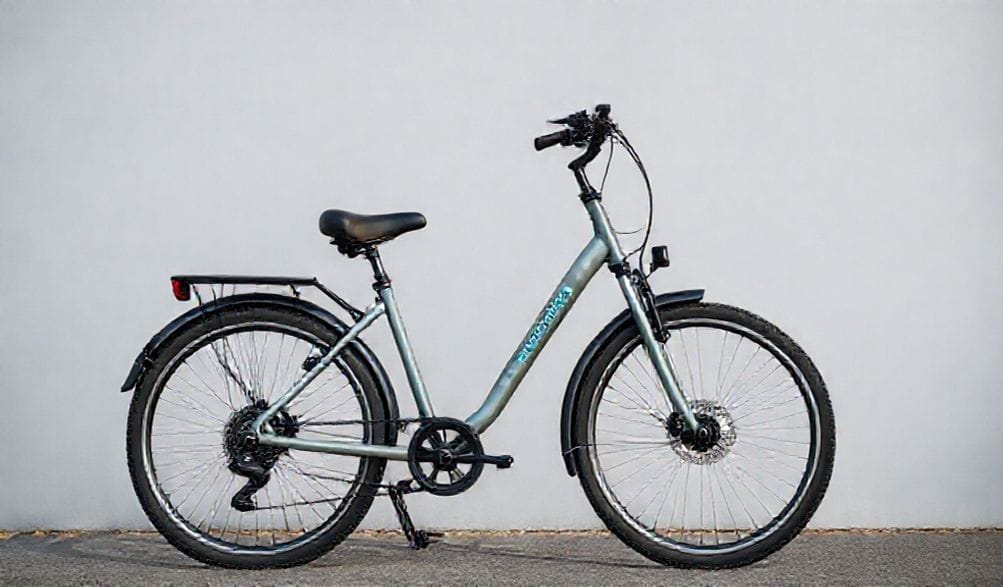
Your Ultimate Guide to Electric Bikes: Benefits, Types, and How to Choose
The hum of a quiet motor, the gentle push as you start pedaling, the hill that once loomed large now effortlessly conquered—this is the experience of a modern electric bike, or bike EV. More than just a trend, e-bikes are fundamentally reshaping how we think about transportation, fitness, and recreation. They represent a powerful fusion of human power and electric assist, opening up cycling to a broader audience than ever before.
Whether you’re a daily commuter tired of traffic, a fitness enthusiast looking to go farther, or someone simply seeking a more enjoyable way to run errands, an e-bike could be your perfect solution. But with a dizzying array of models, specs, and jargon, where do you even begin? This comprehensive guide is designed to be your definitive resource. We’ll cut through the marketing hype with clear explanations, expert-backed insights, and practical advice to empower you to make the perfect choice. Let’s demystify the world of electric bikes together.
What is an Electric Bike (E-Bike)? Understanding the Basics
At its core, an electric bike is a bicycle equipped with an electric motor that provides assistance to the rider. You still pedal and steer—the motor simply amplifies your effort. This key distinction separates e-bikes from electric motorcycles or scooters; the rider’s pedaling input is a required component.
Core Components: Motor, Battery, and Sensor System
The magic of a bike EV happens through three integrated systems:
-
Motor Types & Placement: This is the heart of your e-bike. There are two primary types:
- Hub-Drive Motors: Located in the center of the front or rear wheel. They are generally more affordable, simpler, and offer a direct feeling of push. Rear hub motors provide better traction, while front hubs can affect steering feel. Ideal for: flat-terrain commuting, casual riding, and those on a budget.
- Mid-Drive Motors: Positioned at the bike’s crank and bottom bracket, driving the chainring. This leverages the bike’s gears, making it more efficient on hills and providing a more natural, balanced feel as the power is applied through the drivetrain. Ideal for: mountain biking, hilly areas, and riders seeking a performance-oriented experience.
-
Battery Fundamentals: The fuel tank of your bike EV. Key terms are:
- Voltage (V): Think of this as the “pressure” of the electrical system. Common voltages are 36V and 48V, with higher voltage often enabling more power.
- Amp-hours (Ah): The capacity of the battery, like the size of a fuel tank.
- Watt-hours (Wh): The most important metric (Voltage x Amp-hours = Watt-hours). This is the total energy capacity. A higher Wh rating generally means a longer potential range. Battery placement (often on the downtube or rear rack) also affects the bike’s center of gravity and handling.
-
The “Brain”: Pedal Assist Sensors (PAS): This system determines how and when the motor helps you.
- Cadence Sensor: Activates the motor when it detects pedaling motion. It provides assistance based on whether you’re pedaling, not how hard. The feel can be more “on/off” or consistent.
- Torque Sensor: Measures the actual force you apply to the pedals. The motor responds proportionally to your effort, creating an intuitive, bike-like feel where you feel stronger, not just pushed. This results in a more natural and efficient riding experience.
How Do E-Bikes Actually Work? The Rider-Electric Partnership
The process is a seamless electronic dance:
1. You start pedaling.
2. The pedal-assist sensor (cadence or torque) detects your input and sends a signal to the bike’s controller.
3. The controller, the bike’s computer, processes this signal based on your selected assist level (e.g., Eco, Tour, Turbo).
4. It instructs the battery to release power to the motor.
5. The motor engages, providing a boost that complements your pedaling effort.
6. The system continuously adjusts hundreds of times per second for a smooth ride.
Some e-bikes also feature a throttle (typically on Class 2 models), which can provide motor power without pedaling, useful for starting from a stop or a quick boost. It’s crucial to understand that local regulations heavily govern throttle use and where such bikes can be ridden.
Key Benefits of Owning an Electric Bike
The advantages of a bike EV extend far beyond just making pedaling easier.
Transform Your Commute and Daily Errands
- Cost Savings: Swap gas, parking fees, and public transport tickets for pennies per charge. The average cost to “fuel” an e-bike is a few cents per mile versus dollars for a car.
- Conquer the “Sweat Factor”: Arrive at work or appointments refreshed, not drenched. Use a lower assist level for exercise or crank it up to stay cool.
- Efficiency: Filter through traffic, utilize bike lanes, and park right at your destination. E-bikes turn 5-mile trips from a chore into a 15-minute pleasure cruise.
Health, Fitness, and Accessibility Advantages
- Expert Insight: Studies, including one published in the International Journal of Behavioral Nutrition and Physical Activity, show that e-bike riders get more moderate-to-vigorous physical activity than conventional cyclists because they ride more often and for longer distances. It’s about consistent cardio, not peak exertion.
- First-Hand Experience: Riders report that the assist removes barriers like intimidating hills or long distances, encouraging them to choose their bike over the car repeatedly. It’s a gateway to a more active lifestyle.
- Inclusivity: E-bikes make cycling accessible to people of varying fitness levels, those managing joint issues or recovering from injury, and older adults, allowing them to enjoy cycling and stay mobile.
Environmental and Community Impact
- Reduced Carbon Footprint: Even when charged on a grid with mixed energy sources, an e-bike’s emissions are a tiny fraction of a car’s. It’s one of the most efficient forms of motorized transport available.
- Less Congestion & Noise: More e-bikes mean fewer cars, leading to clearer roads and quieter, more pleasant neighborhoods for everyone.
Navigating the Different Classes and Types of E-Bikes
Not all e-bikes are created equal. Understanding classifications and categories is key to a legal and satisfying purchase.
Understanding E-Bike Classes (I, II, III)
In North America, a three-class system is widely adopted to regulate e-bikes:
* Class 1: Pedal-Assist Only. The motor provides assistance only when you are pedaling and cuts off at 20 mph (32 km/h). These are permitted anywhere traditional bicycles are allowed (bike paths, trails, streets).
* Class 2: Throttle-Assist. Equipped with a throttle that can propel the bike without pedaling, but motor assistance (whether by throttle or pedal) cuts off at 20 mph. Trail access for Class 2 bikes is often more restricted.
* Class 3: Speed Pedelec. Pedal-assist only, but the motor provides assistance up to 28 mph (45 km/h). These are typically required to have a speedometer and are often restricted from bike paths and natural surface trails. They are intended for road/commute use.
Crucial Guidance: Always check your local and state laws. Regulations governing where you can ride each class vary dramatically by city, park district, and state.
Choosing the Right E-Bike for Your Primary Use
Match the bike to your mission:
* Commuter/City E-Bikes: Built for practicality with integrated lights, fenders, racks, and an upright geometry for visibility and comfort. Often Class 1 or 3.
* Mountain E-Bikes (eMTB): Feature full or front suspension, powerful mid-drive motors, and aggressive geometry for off-road trails. Primarily Class 1. Know and follow local trail access rules for eMTBs.
* Cargo E-Bikes: The family car or pickup truck of bikes. Long wheelbases and high-weight capacities (400+ lbs) for hauling kids, groceries, or gear. Stability is key.
* Folding E-Bikes: Perfect for multi-modal commuters or those with tight storage. They fold compactly for trains, buses, or apartment closets.
* Hybrid/Cruiser E-Bikes: The versatile all-rounders. Comfortable geometry for mixed-use paths, light errands, and recreational riding.
How to Choose the Perfect E-Bike: A Step-by-Step Buyer’s Guide
Ready to shop? Follow this framework to find your ideal match.
Assessing Your Needs, Budget, and Riding Environment
Start by asking:
* What is my primary use? (Commute, trails, errands, fitness?)
* What is my typical route like? (Hills, distance, road surface?)
* Where will I store and charge the bike?
* What is my total budget? Remember to allocate 10-20% for essential accessories: a high-quality lock, helmet, lights, and possibly a repair kit.
Critical Specifications to Compare
- Motor Power & Performance: Don’t fixate on wattage alone. Torque (measured in Newton-meters, Nm) is a better indicator of real-world hill-climbing and acceleration power. A 250W mid-drive with 80Nm of torque will feel stronger on a climb than a 500W hub motor with 50Nm.
- Battery Range: Manufacturer ranges are best-case (light rider, flat terrain, eco mode). For real-world planning, assume 30-70% of the claimed range. Factors that slash range include hills, headwinds, higher assist levels, rider/cargo weight, and cold temperatures.
- Bike Fit & Geometry: This is non-negotiable. An ill-fitting e-bike is uncomfortable and unsafe. You must take a test ride. Pay attention to stand-over height, reach to the handlebars, and overall comfort.
- Brand Reputation & Warranty: Research the manufacturer’s warranty (typically 2 years on frame, 1-2 years on motor/battery) and the availability of local service. A reputable brand with dealer support is worth its weight in gold.
The Importance of a Local Bike Shop (LBS) vs. Direct-to-Consumer
- Local Bike Shop (LBS) Pros: Expert assembly, professional bike fitting, immediate service and support, warranty fulfillment, and the invaluable ability to test ride multiple models. You pay for expertise and peace of mind.
- Direct-to-Consumer (Online) Pros: Often lower prices for similar specs due to the cut-out of the middleman. Convenience of home delivery.
- The Trade-off: An online bike may arrive 85% assembled, but final tuning is critical for safety and performance. You must either be mechanically savvy or find a local shop willing to work on it (which may incur fees). For your first bike EV, the guidance and support of a good LBS are highly recommended.
Electric Bike Safety, Maintenance, and Ownership Tips
Owning an e-bike comes with unique responsibilities due to its increased weight, speed, and complexity.
Essential Safety Gear and Riding Practices
- Helmet: A must. Consider a helmet rated for higher-speed impacts (like a MIPS-equipped model) for Class 3 riding.
- Visibility: Bright clothing, powerful front and rear lights (day and night), and consider a mirror.
- Riding Style: E-bikes are heavier and accelerate faster. Start slowly, allow more distance for braking, and be hyper-aware that others may not anticipate your speed. Signal your intentions clearly.
Routine Maintenance Checklist
- Battery Care: This is your most expensive component.
- Avoid draining it to 0% regularly. Try to recharge when it hits 20-30%.
- Avoid storing it at 100% charge for long periods. For storage, a 40-80% charge is ideal.
- Store in a cool, dry place (not a freezing garage or hot car trunk).
- Expect a lifespan of 3-5 years or 500-1000 full charge cycles.
- Mechanical Upkeep: The added power and weight stress components more.
- Brakes: Check pad wear frequently. Hydraulic disc brakes are highly recommended for consistent stopping power.
- Tires: Keep them properly inflated to support the weight and prevent flats.
- Drivetrain: Clean and lubricate the chain regularly, as it handles more torque.
- Professional Service: Establish a relationship with a shop that has certified e-bike technicians for annual check-ups and complex issues.
Understanding Regulations, Insurance, and Security
- Regulations: We cannot stress this enough: check your local laws. Know the rules for your e-bike class regarding path use, helmet requirements (often mandatory for Class 3 and minors), and any registration needs.
- Insurance: Homeowner’s or renter’s insurance may cover your e-bike, but often with limits. For expensive models, specialized e-bike insurance (from companies like Velosurance) offers comprehensive theft and damage coverage.
- Security: Use a high-quality, hardened steel U-lock or chain lock (Sold Secure Gold/Diamond rated). Lock the frame and rear wheel to a solid object. If possible, remove the battery and take it with you.
Frequently Asked Questions (FAQ) About Electric Bikes
Q: How far can I ride on a single charge?
A: This is the most variable spec. While some bikes claim 100+ miles, a realistic range for most riders is between 20 and 60 miles on a single charge, heavily dependent on battery size (Wh), assist level, terrain, rider weight, and wind.
Q: Do I need a license or insurance to ride an e-bike?
A: In most of the United States, no license, registration, or insurance is required for Class 1, 2, and 3 e-bikes as defined by law. However, this is not universal. Some states have unique rules, and laws in Europe and other countries differ significantly. The rider is always responsible for knowing and obeying local regulations.
Q: Can I ride an e-bike in the rain?
A: Yes, most quality e-bikes have motors and batteries rated IP54 or higher, meaning they are protected against splashing water from any direction. However, they are not submersible. Avoid deep puddles, dry electrical connections after a wet ride, and store the bike indoors. Always check the manufacturer’s IP rating for specifics.
Q: Are e-bikes heavy and difficult to pedal without assist?
A: Yes, e-bikes are significantly heavier (typically 40-70 lbs) than analog bikes due to the motor and battery. While you can pedal them with the assist off, it will feel very sluggish due to the weight and motor drag (especially on hub motors). The system is designed to be used with assist.
Q: How much does it cost to replace an e-bike battery?
A: Battery replacement is a major future expense, typically ranging from $500 to $800+. This underscores the importance of buying from a brand you trust to supply batteries for years to come and taking good care of your battery to maximize its lifespan.
Conclusion
Embarking on your bike EV journey is an investment in freedom, health, and joy. It’s about rediscovering your community, replacing stressful commutes with enjoyable rides, and expanding your horizons—literally and figuratively. The key to success lies in understanding the technology, honestly matching a bike to your lifestyle, and, most importantly, experiencing it for yourself through a test ride.
Remember, the perfect e-bike isn’t the one with the highest top speed or the longest claimed range. It’s the one that fits you, supports your goals, and makes you smile every time you get on it. Start by visiting a knowledgeable local bike shop, ask every question you have, and feel the transformative boost of electric assist. Your new adventure on two wheels awaits.
Ready to explore? Consult with local e-bike experts, check community forums for long-term owner reviews, and always prioritize safety and legality on every ride.
METADATA_START—
DISPLAY_TITLE: Your Ultimate Guide to Electric Bikes (E-Bikes): Benefits, Types & How to Choose
SEO_TITLE: The Complete Guide to Electric Bikes (E-Bikes) | Benefits, Types, Buying Tips
META_DESC: Your definitive guide to electric bikes. Learn how e-bikes work, their benefits, the different classes & types, and get a step-by-step buyer’s guide to find your perfect bike EV.
IMG_PROMPT: A happy, diverse group of adults riding different types of modern electric bikes (a commuter, a mountain bike, and a cargo bike) on a sunny day on a paved path through a green city park, showcasing the bikes in action.
—METADATA_END—