
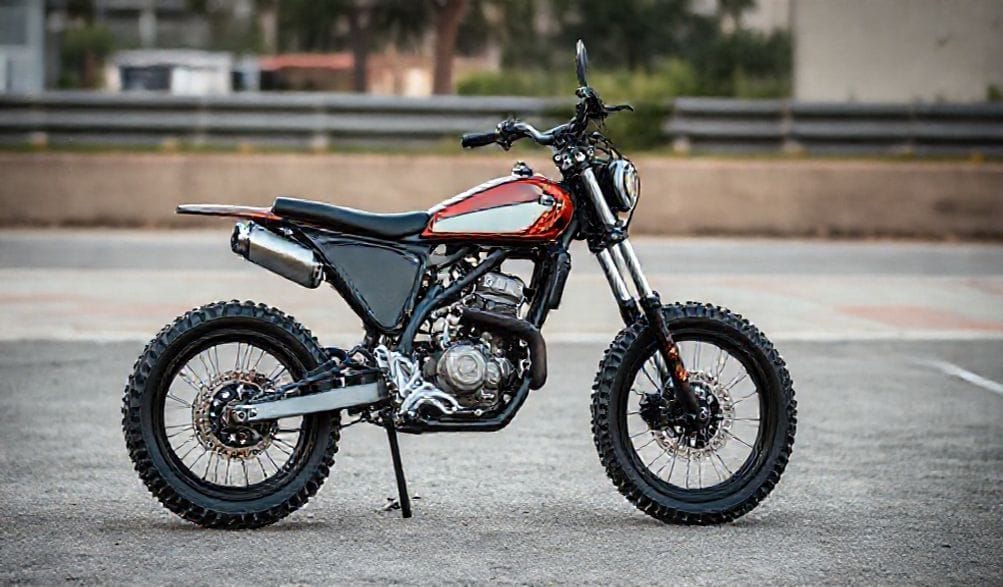
The Ultimate Guide to Electric Pit Bikes: Performance, Benefits & How to Choose
The roar of a two-stroke engine has long been the soundtrack of motocross tracks and backyard trails. But a quiet revolution is underway. Across the motorsports landscape, from full-sized dirt bikes to the nimble world of pit bikes, electric power is surging in popularity. What began as a niche curiosity has exploded into a mainstream movement, driven by riders seeking a new kind of performance and convenience. electric pit bikes are no longer just futuristic concepts; they are legitimate, high-performance machines winning over recreational riders, competitive racers, and families alike.
Having tuned, ridden, and maintained dozens of gas and electric pit bikes over the years, we’ve witnessed this electric shift firsthand. The difference isn’t just in decibels—it’s in the very experience of riding. This guide is designed to cut through the hype and provide a clear, comprehensive look at everything you need to know. Whether you’re a seasoned rider curious about the switch, a parent looking for a great option for your child, or a complete newcomer to the sport, we’ll help you understand what an electric pit bike is, its undeniable advantages, the critical specs that matter, and exactly how to choose the right one for your needs and budget.
We’ll start by breaking down the basics of what makes an electric pit bike tick, then dive deep into the “why”—the benefits that are convincing so many to go electric. From there, we’ll equip you with the knowledge to evaluate key specifications, walk you through a step-by-step buying guide, and cover the essential maintenance and safety tips for ownership. Let’s get started.
What is an Electric Pit Bike? Understanding the Basics
Before we explore their advantages, let’s define exactly what we’re talking about. An electric pit bike takes the classic formula of a traditional pit bike—a compact, lightweight, and agile off-road motorcycle designed for smaller tracks, pit areas, trails, and backyard fun—and reimagines it for the electric age.
Defining the Electric Pit Bike
At its core, an electric pit bike is a purpose-built, small-scale dirt bike powered by an electric motor and a rechargeable battery pack instead of a gasoline-powered internal combustion engine. They retain the core geometry, suspension, and rugged construction of their gas counterparts but replace the complex engine, exhaust, and fuel system with a simpler, cleaner drivetrain. The result is a machine that delivers instant, silent power, opening up new possibilities for where and how you can ride.
Core Components: Motor, Battery, and Controller
The performance and character of an electric pit bike are dictated by three key components:
-
The Motor: This is the heart of the bike, converting electrical energy into motion. You’ll primarily encounter two types:
- Hub Motor: Integrated directly into the rear wheel. This design is often simpler and more common on entry-level models but can add unsprung weight, potentially affecting suspension performance.
- Středový pohonný motor: Mounted centrally on the bike’s frame, connected to the rear wheel via a chain or belt. This offers better weight distribution and often allows for more torque and efficiency, making it popular on higher-performance models. Power is measured in kilowatts (kW) or horsepower (HP), with torque being a particularly important figure for off-road grunt.
-
The Battery: This is the fuel tank. Almost all modern electric pit bikes use Lithium-ion (Li-ion) battery packs due to their high energy density and relatively light weight. Two specs are crucial:
- Napětí (V): Think of this as the “pressure” of the electrical system. Higher voltage (e.g., 48V, 60V, 72V) generally allows for more power and higher top speeds.
- Amp-hour (Ah) Capacity: This is the “size” of the fuel tank. A higher Ah rating (e.g., 20Ah, 30Ah) means more energy storage, which translates directly to longer ride times between charges. Never compromise on battery quality; a reputable brand with proper battery management systems (BMS) is essential for safety, performance, and longevity.
-
The Controller: Acting as the bike’s “brain,” the controller is an electronic unit that sits between the battery and the motor. It regulates the power flow based on your throttle input, managing acceleration, speed, and often regenerative braking. The quality of the controller significantly impacts the smoothness and responsiveness of the ride.
Why Go Electric? Key Advantages Over Gas-Powered Pit Bikes
The shift to electric isn’t just about being trendy; it’s driven by tangible, game-changing benefits that affect the riding experience, your wallet, and your environment.
Instant Torque and Responsive Power Delivery
Forget about clutch control, stalling, or waiting for the engine to hit its powerband. The moment you twist the throttle on an electric pit bike, 100% of its torque is available instantly. This immediate, linear power delivery makes acceleration incredibly intuitive and controllable. For beginners, especially kids, it simplifies the learning curve dramatically—they can focus on balance and steering without mastering clutch coordination. For experienced riders, it offers a uniquely punchy and precise feel out of corners and over obstacles.
Significantly Reduced Maintenance
This is arguably the most compelling practical advantage. The list of traditional maintenance tasks you can eliminate is long:
* No engine oil to change.
* No air filters to clean or replace.
* No spark plugs to foul or gap.
* No carburetor to clean, jet, or tune.
* No fuel system issues (clogged injectors, bad gas).
* No exhaust system to maintain or repack.
* Far fewer moving parts in the drivetrain to wear out.
Your maintenance routine shrinks to basics: checking tire pressure, lubricating the chain, keeping the battery charged, and ensuring bolts are tight. This means more time riding and less time (and money) spent in the garage.
Quiet and Eco-Friendly Operation
The near-silent operation of an electric pit bike is a superpower. It allows you to ride in noise-sensitive areas—like large backyards, private land, or even certain tracks with sound restrictions—without disturbing neighbors or wildlife. Furthermore, they produce zero direct tailpipe emissions. While the environmental impact of battery production and electricity generation are part of the broader conversation, studies from sources like the U.S. Department of Energy consistently show that electric vehicles have a significantly lower operational carbon footprint over their lifetime compared to gasoline engines. You’re riding with a cleaner conscience.
Cleaner and More User-Friendly
No gas, no oil, no fumes. This makes an electric pit bike far cleaner to store in a garage or shed and dramatically easier to transport. You can throw it in the back of a van or SUV without worrying about fuel smells or leaks. There’s no need to drain the carburetor for winter storage. This cleanliness and simplicity make the hobby more accessible and less intimidating for the whole family.
Critical Specifications to Evaluate Before You Buy
Not all electric pit bikes are created equal. Understanding these key specs will help you separate marketing fluff from real-world performance.
Motor Power and Performance (kW/HP)
Motor power dictates the bike’s capability. Here’s a general tier guide:
* For Young Kids (Ages 4-8): Look for lower-power models, typically in the 500W-800W range, often with speed limiters for safety.
* For Older Kids/Teens & Beginner Adults: A sweet spot exists between 1000W (1.3 HP) and 3000W (4 HP). These bikes offer plenty of fun and capability for trails and casual track use.
* For Experienced Riders/Adults: Performance models start at 3000W (4 HP) and can go up to 8000W (10.7 HP) or more. These rival or exceed the acceleration of many 125cc gas pit bikes, delivering serious thrill.
Battery Range and Charging Time
“Range” is the most variable spec. Manufacturers often give an ideal-world figure. In reality, range is affected by rider weight, terrain, throttle use, and temperature. A bike advertised for “20 miles” might deliver 12-15 miles of aggressive trail riding. Pay close attention to the Voltage (V) and Amp-hour (Ah) numbers—multiplying them gives Watt-hours (Wh), a better comparison of total energy. A 48V 20Ah battery (960Wh) has more capacity than a 60V 15Ah battery (900Wh). Also, check the charger specs; a faster charger (e.g., 5A vs. 2A) will replenish the battery more quickly.
Frame, Suspension, and Build Quality
This is where price differences become apparent. From hands-on experience, these are the quality indicators:
* Rám: Steel frames are common and durable; aluminum is lighter and more premium but also more expensive. Inspect weld quality—clean, consistent welds are a sign of good manufacturing.
* Odpružení: Inverted (upside-down) forks are generally better than right-side-up forks. Look for adjustable preload at a minimum. Rear suspension should have a quality shock, not just a basic spring.
* Brzdy: Hydraulic disc brakes are vastly superior to mechanical (cable) disc brakes in terms of feel, power, and consistency, especially when the bike gets muddy.
* General Construction: Check the thickness of components like swingarms, the quality of fasteners, and the finish of parts like footpegs and handlebar clamps.
Weight Capacity and Adjustability
Always respect the manufacturer’s maximum rider weight limit. Exceeding it stresses the frame, motor, and battery, leading to premature failure and safety risks. For growing riders, look for models with some adjustability, such as handlebars that can be rotated or risers that can be changed, to help the bike fit for a longer period.
How to Choose the Right Electric Pit Bike: A Step-by-Step Guide
Armed with knowledge of the specs, follow this process to find your perfect match.
Assess Your Primary Use Case
Your riding environment dictates your needs. Ask yourself:
* Backyard/Field Fun: Focus on durability, ease of use, and lower-to-mid power. Range is less critical.
* Motocross Track Use: Prioritize suspension performance, power (mid-to-high), and a robust frame. You’ll need a bike that can handle jumps and whoops.
* Wooded Trail Riding: Range and torque become top priorities. Look for a larger battery and a motor with strong low-end grunt. Good ground clearance and protection (skid plate) are bonuses.
Match the Bike to the Rider’s Age and Skill Level
Use this table as a starting point:
| Rider Profile | Recommended Power | Key Features to Look For |
| :— | :— | :— |
| Young Child (4-8) | 500W – 800W | Speed limiter, lower seat height, lightweight frame, training wheels option. |
| Older Child/Teen (9-15) | 1000W – 3000W | Adjustable speed modes, robust suspension, full safety gear mandatory. |
| Beginner Adult | 2000W – 4000W | Manageable power, user-friendly controls, comfortable ergonomics. |
| Experienced Adult | 3000W+ | High-performance suspension (inverted forks), hydraulic brakes, high-capacity battery. |
Set a Realistic Budget (Including Hidden Costs)
Electric pit bikes range from $800 for basic entry-level models to over $3,000 for high-performance machines. Remember, the initial purchase is just part of the cost. Factor in:
* Safety Gear: A DOT-certified helmet, goggles, gloves, boots, and knee/elbow pads are non-negotiable investments.
* Charger: The included charger is often slow. A faster aftermarket charger can be a worthwhile upgrade.
* Upgrades & Parts: Tires, chains, brake pads, and replacement batteries will be needed over time.
Research Brands and Read Expert & Owner Reviews
Stick with brands that have a track record of customer support and available parts. Be wary of obscure brands sold only on mega-marketplaces with no clear support channel. For trustworthy information, seek out:
* Detailed Video Reviews: Look for channels that show real-world riding, teardowns, and long-term updates.
* Owner Forums and Groups: Facebook groups and dedicated forums are goldmines for honest feedback about reliability, common issues, and repair tips.
* Independent Review Sites: Prioritize sources that aren’t just pushing affiliate links but provide critical, balanced perspectives.
Owning an Electric Pit Bike: Maintenance and Safety Tips
Owning an electric pit bike is simple, but a little care goes a long way.
Essential Maintenance Routine
- Péče o baterii: Store the bike/battery in a cool, dry place. Avoid leaving it at 0% or 100% charge for extended periods; ~50% is ideal for storage. Use only the manufacturer-approved charger.
- Chain & Drivetrain: Keep the chain properly tensioned and lubricated with a dedicated chain lube. A dry or rusty chain robs power and is a safety hazard.
- Tires & Bolts: Check tire pressure before every ride. Periodically go around the bike with a wrench and check that critical bolts (axles, handlebar clamps, motor mounts) are snug.
Maximizing Your Battery Life and Range
- Avoid completely draining the battery whenever possible.
- Smooth, controlled throttle input uses energy more efficiently than constant hard acceleration.
- Riding on hard-packed surfaces provides more range than deep sand or mud.
- Lower tire pressure can increase rolling resistance and reduce range.
Non-Negotiable Safety Gear and Riding Practices
The quietness of an electric pit bike is deceptive—it is not a toy. Its power demands respect.
* Always wear full safety gear: Helmet, goggles, gloves, long sleeves, pants, and over-ankle boots.
* Supervise beginners: Especially for children, active adult supervision is mandatory.
* Ride in appropriate areas: Choose open, controlled environments away from public roads, traffic, and pedestrians.
* Learn the controls: Practice starting, stopping, and emergency procedures in a safe area before exploring.
Frequently Asked Questions (FAQ) About Electric Pit Bikes
Q: How fast can an electric pit bike go?
A: Speeds vary widely from 15 mph for beginner/kids’ models to 50+ mph for high-performance adult bikes. Top speed depends on motor power (kW), battery voltage (V), rider weight, and gearing. Always verify the manufacturer’s specifications.
Q: How long does the battery last on a single charge?
A: “Last” can mean ride time or distance. Under typical mixed riding, expect 1 to 2 hours of ride time or a range of 10 to 30 miles. Aggressive use, hills, and heavy riders will reduce this. Manufacturer claims are often best-case scenarios.
Q: Are electric pit bikes good for beginners or kids?
A: Yes, they can be excellent, thanks to their simple controls and manageable power delivery. Avšak, it is crucial to select a bike with appropriate power and features like a speed limiter. The absolute necessity of full safety gear and direct adult supervision cannot be overstated.
Q: What is the typical cost of a good quality electric pit bike?
A: You can find entry-level models starting around $800, but a “good quality” bike with reliable components, a decent battery, and capable suspension typically starts in the $1,500 to $2,500 range. High-performance models can exceed $3,000. Remember, with electric pit bikes, you truly get what you pay for, especially regarding the battery and motor.
Q: Can I upgrade the battery or motor on my electric pit bike later?
A: It depends entirely on the specific model and its electrical system. Some bikes are designed with modular, upgradeable components. However, swapping in a higher-voltage battery or more powerful motor without ensuring the controller, wiring, and connectors are rated for the increased load can lead to immediate damage, fire risk, and will certainly void any warranty. Always consult the manufacturer or a knowledgeable technician first.
Závěr
The electric pit bike represents a significant evolution in small-scale off-road riding. By offering instant torque, drastically reduced maintenance, quiet operation, and user-friendly cleanliness, they address many of the pain points of traditional gas bikes. Choosing the right one comes down to honestly assessing your primary use case, carefully matching the bike to the rider’s age and skill level, setting a realistic budget that includes gear, and doing your homework on brands and reviews.
As a final note on trustworthiness, we strongly encourage buying from reputable dealers or manufacturers who stand behind their products with clear warranties and accessible customer support. The upfront cost of a quality bike from a known brand is an investment in safety and longevity.
The technology behind electric pit bikes is only getting better, with batteries offering more range and motors delivering more power in lighter packages. Whether you’re a seasoned rider looking for a new thrill or a family seeking a fun, accessible outdoor activity, the electric pit bike is a compelling choice that’s here to stay.
Ready to explore specific models? Check out our detailed, hands-on reviews of top electric pit bikes on the market, or comment below with your rider’s age, intended use, and budget—we’re happy to offer personalized advice to help you find your perfect ride.
METADATA_START—
DISPLAY_TITLE: The Ultimate Guide to Electric Pit Bikes: Performance, Benefits & How to Choose
SEO_TITLE: Electric Pit Bikes Guide 2024: Benefits, Specs & How to Buy | [Your Site Name]
META_DESC: Thinking of buying an electric pit bike? Our ultimate guide covers benefits over gas, key specs to check, and a step-by-step buying guide. Find the perfect pit bike electric for your needs.
IMG_PROMPT: A dynamic action shot of a rider on a modern, sleek electric pit bike catching air on a motocross track, with a blurred background. The bike should look clean and high-performance, showcasing its suspension in action. The scene is bright and sunny, emphasizing fun and excitement.
—METADATA_END—