
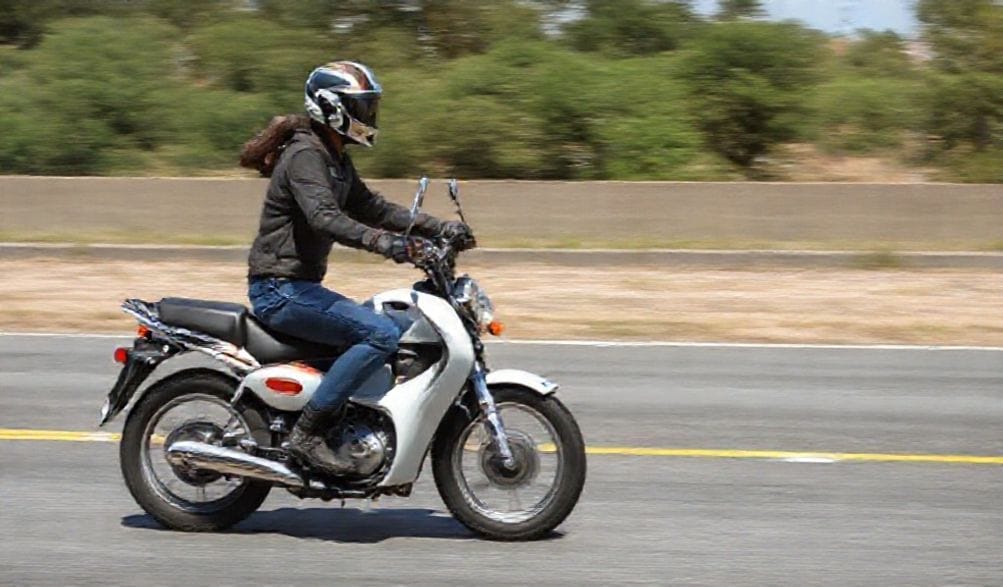
Do You Need a License to Ride a Sur Ron? A State-by-State Guide
The sleek, silent, and shockingly powerful Sur Ron electric bike has taken the off-road and urban riding worlds by storm. It promises the thrill of a dirt bike with the accessibility of an e-bike. But this very appeal creates a massive gray area that leaves new and prospective owners scratching their heads: Do you need a license, registration, and insurance to ride one on public roads?
The short, and frustrating, answer is: It’s complicated. The longer, more responsible answer is that it depends entirely on three things: your specific state’s laws, the exact Sur Ron model you have, and how it’s configured. A stock Sur Ron Light Bee X is a very different machine in the eyes of the law than one that has been deliberately restricted for street legality.
This guide is designed to cut through the confusion. We’ll break down the federal classifications that set the stage, provide a clear state-by-state framework for understanding how your local DMV likely views the Sur Ron, and give you a practical checklist to determine your own legal requirements. Misunderstanding these rules can lead to hefty fines, a impounded bike, and serious liability in an accident. Let’s get you riding legally and safely.
Understanding the Core Issue: Is a Sur Ron a Bike or a Motorcycle?
The core of the confusion lies in the Sur Ron’s hybrid nature. It can be equipped with pedals (though often minimally functional), has a bicycle-like frame, but boasts a motor with power that dwarfs typical e-bikes. This places it in a legal no-man’s-land between a bicycle, a moped, and a full-fledged motorcycle.
Key Legal Classifications That Determine the Answer
To understand where your Sur Ron fits, you need to know the legal buckets it could fall into.
1. Federal CPSC Standards (Consumer Product Safety Commission):
This is the starting point. The CPSC defines a “low-speed electric bicycle” as having a fully operable pedal system, a motor of less than 750 watts (1 hp), and a maximum speed of 20 mph on level ground. Many states have adopted a three-class system based on this:
* Class 1: Pedal-assist only, no throttle, max assisted speed of 20 mph.
* Class 2: Throttle-assisted, max speed of 20 mph.
* Class 3: Pedal-assist only, max assisted speed of 28 mph.
Here’s the catch: A stock Sur Ron Light Bee X has a 6,000-watt peak motor a u prémiových značek mohou přesáhnout 45 mph. It immediately fails the federal e-bike definition on both power and speed. Therefore, it cannot be considered a federal “electric bicycle” in its stock form.
2. State DMV Classifications:
States have the final say, and they use their own terminology. The Sur Ron typically gets categorized into one of these:
* Electric Bicycle: Only if modified to meet the state’s specific speed (usually 20-28 mph) and power (often 750W-1000W) limits for e-bikes. Typically requires no license, registration, or insurance, but may have age/helmet rules.
* Moped / Motor-Driven Cycle / Motorized Bicycle: This is the most common classification for a stock Sur Ron. Defined by a maximum speed (usually 20-30 mph) and/or engine size (e.g., less than 50cc equivalent). Requires a valid driver’s license (sometimes a special moped license), registration, license plate, and insurance. Helmet is almost always mandatory.
* Motorcycle: If a state’s moped category has a low speed or power ceiling (e.g., max 30 mph, 2 brake horsepower), a Sur Ron’s capabilities will push it into the motorcycle class. This requires a oprávnění pro motocykly (třída M) on your license, full title, registration, and insurance. The bike itself may need to pass safety inspections and have DOT-approved equipment.
3. The Role of Manufacturer Specifications:
Law enforcement and courts will look at the bike’s capabilities, not just how you ride it. A “6,000W” or “45+ mph” specification on the manufacturer’s website is a damning piece of evidence that your vehicle is not a simple bicycle, regardless of whether you add pedals.
State-by-State Breakdown: License, Registration & Helmet Laws
This is the most critical section. The following is a general framework. You MUST verify the specific statutes in your own state, as county or city ordinances can add further restrictions.
States Where a Sur Ron is Typically Treated as an E-Bike (No License)
- Criteria: This applies pouze if the Sur Ron is permanently modified (e.g., with a speed governor and/or a motor wattage limiter) to comply with your state’s specific Class 1, 2, or 3 e-bike laws. This often means restricting it to 750W continuous power and a top speed of 20 mph (Class 2) or 28 mph (Class 3 with pedal assist).
- Example States: California, Colorado, Oregon (if configured to meet their 28 mph/1000W Class 3 limit). However, the stock bike does není qualify.
- ⚠️ Important Caveat: This is the rarest legal path for a Sur Ron. A standardní verze Sur Ron téměř nikdy nesplňuje kritéria pro elektrokolo. Tato kategorie je určena pouze pro záměrně a ověřitelně omezená vozidla. Jízda na standardním stroji po veřejných komunikacích v domnění, že se jedná o elektrokolo, představuje významné právní riziko.
Státy, kde je Sur Ron obvykle považován za moped/motorové jízdní kolo
- Criteria: Toto je nejběžnější klasifikace pro standardní nebo mírně upravený Sur Ron. Vyžaduje valid driver’s license (v některých státech jakoukoli třídu; v jiných konkrétní “M” nebo “M1” licenci pro moped), registraci vozidla, registrační značku a povinné ručení. Povinnost nošení helmy platí téměř univerzálně.
- Example States: Florida (klasifikováno jako “Motorizovaný skútr”), Texas (“Moped”), New York (“Omezený motocykl”), Illinois (“Motorizované jízdní kolo”), Arizona (“Motorizované jízdní kolo nebo elektrické jízdní kolo” při rychlosti nad 20 mph).
- Obecné požadavky: Pro registraci jako moped obvykle kolo potřebuje standardní bezpečnostní výbavu: přední světlo, zadní světlo, brzdové světlo, zpětné zrcátko, zvonek nebo klakson a funkční brzdy. Proces zahrnuje předložení Výrobního certifikátu původu (MCO) na dopravním inspektorátu, zaplacení poplatků a provedení kontroly identifikačního čísla vozidla (VIN).
Státy, kde je Sur Ron pravděpodobně klasifikován jako motocykl
- Criteria: Státy s přísnou definicí mopedu – například maximální rychlostní limit 30 mph nebo výkonový limit 2 brzdné koňské síly – posuzují výkon Sur Ronu a klasifikují jej jako motocykl. To vyžaduje oprávnění pro motocykly (třída M) na vašem řidičském oprávnění, získané složením samostatné písemné a praktické zkoušky z jízdy. Je povinné kompletní motocyklové osvědčení o vlastnictví, registrace a pojištění.
- Example States: Virginie (mopedy omezeny na 35 mph), Severní Karolína (mopedy omezeny na 30 mph), Wisconsin (při rychlosti nad 30 mph). Státy s nejasnými zákony mohou také přistoupit k této klasifikaci na základě uvážení policisty.
- Důsledky: Kromě požadavků na oprávnění musí samotné vozidlo často splňovat přísnější bezpečnostní standardy: pneumatiky a osvětlení schválené DOT, specifické požadavky na zrcátka a může být nutné absolvovat státní technickou prohlídku vozidla. Pro Sur Ron, který nebyl původně navržen pro plnou shodu s normami DOT, může být tato cesta náročná a nákladná.
Jak zjistit zákon ve VAŠEM státě: Praktický kontrolní seznam
Nehádejte se. Postupujte krok za krokem podle tohoto procesu, abyste získali definitivní odpověď.
-
Identifikujte přesný model a konfiguraci vašeho Sur Ronu.
- Model (např. Light Bee X, Storm Bee).
- Je na něm nainstalována sada pedálů? (Poznámka: Pomáhá to, ale není to rozhodující).
- Jaká je jeho maximální dosažitelná rychlost (standardní nebo upravená)?
- Jaká je jeho výkon motoru ve wattech (jak nominální, tak špičkový)? Tyto údaje najděte v manuálu nebo specifikacích výrobce.
-
Najděte oficiální zákony dopravního inspektorátu/elektrokol vašeho státu.
- Vyhledávací termíny: Přejděte na Google a vyhledejte:
[Váš stát] DMV definice zákona o mopedu,[Váš stát] vozidlový zákon elektrické jízdní kolo, nebo[Váš stát] klasifikace motocyklu. - Jděte ke zdroji: Vždy klikněte na odkazy končící na
.gov. Hledejte web státní legislativy (např.,leg.state.[us]) nebo oficiální stránky dopravního inspektorátu.
- Vyhledávací termíny: Přejděte na Google a vyhledejte:
-
Porovnejte specifikace s právními definicemi.
- Porovnejte maximální rychlost vašeho kola s limity státu pro “elektrické jízdní kolo”, “moped” a “motocykl”.”
- Porovnejte výkon motoru ve wattech/sílu s právními limity. (Pamatujte: 750W = ~1 hp).
- Note the requirement for pedals. Is it mandatory for the e-bike class?
-
When in Doubt, Contact Authorities Directly.
- Call your local DMV office. Have your bike’s specifications ready to read to them.
- Contact your local police department’s non-emergency traffic division. They can clarify how the law is typically enforced in your community.
- Getting verbal or written clarification from an official source is the best way to protect yourself.
Risks of Riding Without Proper Licensing & Registration
Choosing to ignore these regulations isn’t just about breaking the law—it’s about assuming enormous personal risk.
Legal and Financial Consequences
- Fines and Tickets: You can be cited for operating an unregistered motor vehicle, driving without a license, and lacking insurance. Fines can be hundreds of dollars.
- Zabavení: Law enforcement can and will impound your Sur Ron on the spot. Retrieving it involves paying hefty towing and storage fees on top of your fines.
- Points on Your License: If you have a driver’s license, violations can add points, leading to increased insurance rates or suspension.
- Liability in an Accident: If you cause an accident, you are personally liable for all property damage and medical bills. Without insurance, this can mean financial ruin.
Safety and Insurance Implications
- No Insurance Coverage: If you’re hit by a car, your health insurance may cover you, but your Sur Ron won’t be covered for damage, and you’ll have no liability protection if you’re at fault. Some specialty insurers (Progressive, Dairyland, etc.) offer policies for mopeds and motorcycles that would cover a properly registered Sur Ron.
- Lack of Formal Training: The process of getting a motorcycle endorsement provides vital training on handling a powerful two-wheeled vehicle in traffic. Riding a Sur Ron without this knowledge increases your risk of a crash.
Často Kladené Otázky (FAQ)
Q: If I add pedals to my Sur Ron, does it become a bicycle?
A: Not automatically. Pedals are one factor, but motor power and top-speed capability are the primary legal determinants. A vehicle with pedals that can go 45 mph is still a motorcycle in the eyes of nearly every state’s law. The pedals must be fully operable and the bike must meet all other e-bike criteria.
Q: Can I ride my Sur Ron on bike paths and trails?
A: Only if it is legally classified as an electric bicycle in your state CR125R zlatým standardem. Na počátku 21. století přišla revoluce čtyřdobých motorů a Honda představila řadu the specific trail or path rules permit e-bikes (some only allow Class 1). If it’s registered as a moped or motorcycle, it is almost never allowed on dedicated bicycle or pedestrian paths—it belongs on the road.
Q: Do I need insurance for a Sur Ron?
A: Yes, if it is classified as a moped or motorcycle. While some homeowner’s or renter’s insurance policies might offer limited coverage for low-power e-bikes, this is highly unlikely to apply to a high-power Sur Ron. A specific vehicle liability insurance policy is strongly recommended and often legally required.
Q: What’s the difference between a driver’s license and a motorcycle endorsement?
A: A standard driver’s license (Class C) allows you to operate passenger cars. A motorcycle endorsement (usually an “M” added to your license) is a special certification earned by passing a separate written exam and a practical on-cycle skills test (often through a Motorcycle Safety Foundation course). It permits you to operate motorcycles, and in many states, high-power mopeds.
Závěr
The question “Do you need a license to ride a Sur Ron?” has a clear, if nuanced, answer: In most states, for a stock or high-powered Sur Ron, yes—you need a license, registration, and insurance. The default assumption should not be that it’s a bicycle, but rather a motor vehicle.
Prioritizing legal compliance isn’t just about avoiding tickets; it’s about safety, financial responsibility, and being a legitimate part of the traffic ecosystem. The cost of a license, registration, and insurance is minimal compared to the consequences of getting it wrong.
Your next step is crucial: Use the practical checklist provided to research your own state’s laws. When in doubt, pick up the phone and call your local DMV. Getting a definitive answer before you hit the road is the mark of a responsible rider. By ensuring we ride our powerful and exciting machines within the legal framework, we help build a positive future for all electric vehicle enthusiasts.
METADATA_START—
DISPLAY_TITLE: Do You Need a License to Ride a Sur Ron? A State-by-State Guide
SEO_TITLE: Sur Ron License & Laws by State | Legal Guide for Riders
META_DESC: Confused about Sur Ron laws? Our detailed guide explains if you need a license, registration & insurance for a Sur Ron e-bike in your state. Get a clear, legal breakdown.
IMG_PROMPT: A Sur Ron Light Bee X electric bike parked at a crossroads, with one sign pointing to a bicycle path and another to a public road, symbolizing the legal choice riders face. Photorealistic, daytime, clear signage.
—METADATA_END—