
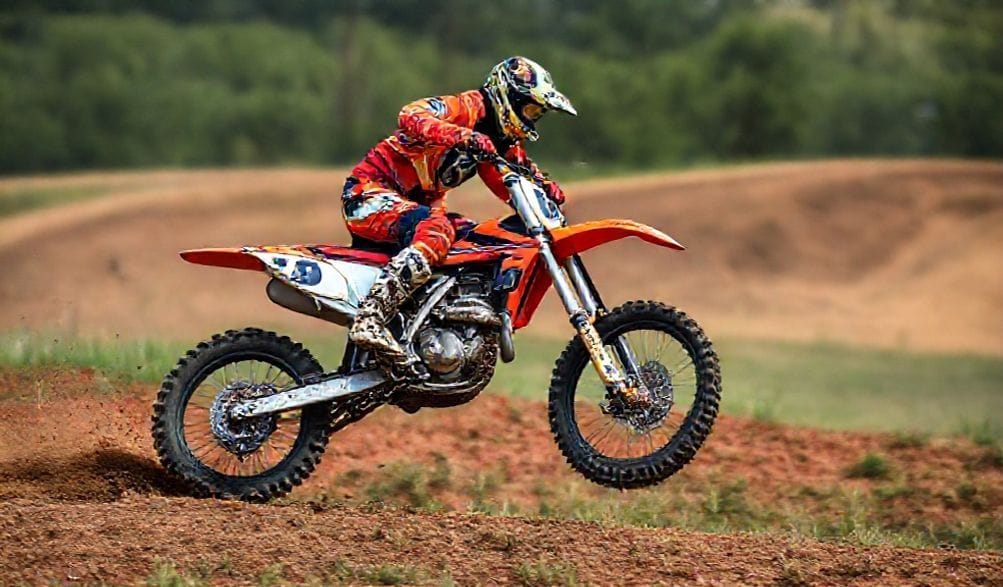
The Ultimate Guide to MX Dirt Bikes: Choosing, Riding & Maintaining Your Machine
The roar of a high-strung engine, the smell of pre-mix and dirt, the feeling of floating over a tabletop—motocross is more than a sport; it’s a visceral experience that captivates riders of all ages. Whether you’re a parent looking to get your kid started, an adult finally chasing a childhood dream, or an experienced rider looking to refine your knowledge, the world of MX dirt bikes can be as complex as it is thrilling. With so many options, technical jargon, and strong opinions, where do you even begin?
This comprehensive guide is written for both aspiring and experienced motocross enthusiasts. Drawing on years of riding, wrenching, and learning from seasoned mechanics and racers, our goal is to be your most trusted resource. We’ll cut through the marketing hype and forum myths to provide clear, actionable, and safety-focused advice. From demystifying the core engineering of these machines to outlining a bulletproof maintenance routine, this guide will help you make informed decisions, protect your investment, and, most importantly, enjoy the sport responsibly and for years to come.
What is an MX Dirt Bike? Understanding Motocross Machines
At its heart, an MX dirt bike is a purpose-built racing motorcycle designed for one environment: the closed-course motocross track. Every component, from the suspension travel to the engine mapping, is optimized for short, intense bursts of speed, high-flying jumps, and aggressive cornering on a groomed dirt circuit. Unlike their street-legal or adventure-oriented cousins, these are not machines for commuting or long-distance trail exploration. They are single-minded athletes.
Core Design & Engineering Principles
The DNA of a modern MX dirt bike is defined by three non-negotiable pillars:
- Lightweight Frame Construction: Every gram matters. Modern frames are primarily aluminum (or high-grade steel on some models), engineered to be incredibly stiff for precise handling while shaving off critical weight. This stiffness allows the suspension to work effectively and gives the rider direct feedback from the terrain.
- High-Performance Suspension: This is arguably the most critical system on the bike. Long suspension travel (often 12 inches or more front and rear) is essential for absorbing the massive impacts of jumps and whoops. But it’s the quality of the components—the damping, spring rates, and adjustability—that separates an MX bike from a trail bike. MX suspension is tuned to handle high-speed compression and rebound from landings, not just plush trail comfort.
- Powerful, Responsive Engine: MX engines are built for peak horsepower and immediate throttle response. They have close-ratio transmissions to keep the engine in its powerband, high-compression ratios, and aggressive cam profiles. They are not designed to idle for long periods or putter along at low RPMs; they are meant to be ridden hard.
MX vs. Off-Road vs. Trail Bikes: Key Differences
It’s easy to lump all dirt bikes together, but the differences are significant:
- Purpose: An MX bike is for racing on a track. An off-road or enduro bike (like a KTM XC-W or Honda CRF450X) is built for long-distance, technical trail riding and racing, often requiring lighting, a kickstand, and a wider-ratio transmission. A trail bike (like a Yamaha TT-R230) is for casual recreation, prioritizing low-maintenance and user-friendly power.
- Wichtige Daten: An MX bike will have no lights, minimal emissions equipment, the stiffest suspension, and the most aggressive engine tuning. An off-road bike adds lights, a spark arrestor, softer suspension for varied terrain, and an engine tuned for tractable low-end power. Gearing is taller on an off-road bike to allow for higher top speeds on connecting trails.
How to Choose the Right MX Dirt Bike for Your Skill Level
Selecting the wrong bike is the fastest way to breed frustration, instill bad habits, or cause an accident. Honest self-assessment of your skill level is the first and most crucial step.
Beginner MX Bikes: Entry-Level Models & Features
For a true novice, the goal is a bike that builds confidence, not fear.
- Recommended Displacements: The classic starting points are a 125cc two-stroke or a 250cc four-stroke. These “full-size” bikes offer enough power to learn on but are typically more linear and forgiving than their larger counterparts. For younger or smaller riders, the 85cc two-stroke and 150cc four-stroke classes are the proving grounds.
- Manageable Power & Handling: Look for bikes known for predictable power delivery and forgiving chassis geometry. A mild engine map and suspension that isn’t overly stiff can make the learning curve much less steep.
- Model Examples: The Yamaha YZ250F and Kawasaki KX250 have long been praised for their rider-friendly nature and bulletproof reliability. For two-stroke fans, the Yamaha YZ125 is a legendary platform that teaches clutch and throttle control masterfully.
Intermediate to Pro-Level Bike Considerations
As skills develop, your bike’s limitations (or your perception of them) will become apparent.
- Stepping Up in Power: Moving to a 250cc two-stroke or 450cc four-stroke introduces a significant jump in horsepower and torque. These bikes demand respect and precise throttle control. The power is less about going faster in a straight line and more about having the explosive force to clear obstacles out of slow corners.
- Suspension Sophistication: Higher-end models feature more adjustable suspension components, allowing fine-tuning for rider weight, track conditions, and personal preference. Understanding clickers, sag, and spring rates becomes part of the performance puzzle.
Critical Fit & Sizing Factors
A bike that doesn’t fit is a bike you can’t control.
- Seat Height & Inseam: You should be able to touch the ground with the balls of both feet when the bike is upright. If you’re tiptoeing or leaning heavily to one side, the bike is too tall. Handlebar bend and position can be changed with aftermarket parts to optimize reach and comfort.
- Suspension Sag: This is the single most important setup adjustment. Setting the “race sag”—how much the bike settles under your weight—properly aligns the chassis and ensures the suspension works in its intended range. An improperly set sag will make any bike handle poorly.
Essential MX Dirt Bike Maintenance for Performance & Longevity
Motocross is brutal on machinery. A rigorous maintenance schedule isn’t just about longevity; it’s a critical safety practice. A failed component on the track can have serious consequences.
Pre-Ride and Post-Ride Inspection Checklist
Develop this habit religiously. A 10-minute check can prevent a catastrophic failure.
- 5.1. Routine-Wartungsplan für DIY Check tire pressure (usually 12-14 PSI for most tracks), inspect for loose spokes, ensure chain slack is correct (consult manual), check coolant and brake fluid levels, look for any fresh leaks (oil, fuel, coolant), and verify throttle and clutch operation is smooth.
- Post-Ride: While the bike is still dirty, do a quick visual inspection. Then, once ready to clean, you have the perfect opportunity to look closer. A post-ride oil change is ideal after a hard day of riding.
Routine Maintenance Schedule
This is the backbone of bike care. Track your engine hours meticulously.
- Luftfilter: This is your engine’s lungs. In a dusty environment, clean and re-oil it every ride. Use a proper filter oil (not engine oil) and ensure a complete, airtight seal when reinstalling. A dirty filter is the number one cause of premature engine wear.
- Motoröl & Filter: For a high-performance four-stroke under race conditions, change the oil and filter every 5-10 hours. Two-strokes have separate transmission oil, which should be changed every 10-15 hours. Your owner’s manual is the final authority—follow it.
- Suspension & Brakes: Fork and shock seals should be serviced (oil changed, seals replaced) every 30-50 hours depending on conditions. Check brake pad thickness regularly. Contaminated or old brake fluid absorbs moisture and reduces performance; flush the system at least once a season.
Top Tips for Engine & Transmission Care
- Warm-Up & Break-In: Always allow the bike to idle and reach operating temperature before riding hard. This allows oil to circulate and metals to expand evenly. For a new or rebuilt engine, follow the manufacturer’s break-in procedure, which typically involves varying RPMs and avoiding sustained high load for the first few hours.
- Clutch Health: A slipping clutch (high RPM without corresponding acceleration) generates immense heat and destroys plates. Learn to “fan” the clutch to control power, not just to shift. Keep the clutch cable properly adjusted with a small amount of free play at the lever.
Must-Have MX Gear & Safety Equipment
Your gear is not an accessory; it is your primary safety system. Never, ever compromise on quality here.
Helmet, Boots, Goggles & Body Armor
- Helm: This is non-negotiable. Look for the latest SNELL certification (or ECE 22.06). DOT alone is not sufficient for motocross. Fit is paramount—it should be snug without pressure points. Replace it after any significant impact or every 5 years.
- Stiefel: Motocross boots are rigid, ankle-supporting armor. They prevent hyperextension, crush injuries, and burns from the exhaust. A proper boot should feel stiff and supportive from day one.
- Schutzbrille: Tear-offs, anti-fog coatings, and wide peripheral vision are key. A good dual-pane lens is essential to prevent fogging.
- Körperschutz: A roost protector/chest guard is standard. For serious riders, a full protective vest with integrated shoulder, elbow, and back protection is highly recommended. Knee braces (not just guards) are one of the best investments to prevent catastrophic knee ligament injuries.
Performance Apparel and Its Functional Benefits
- Jersey & Pants: Modern MX apparel is made from lightweight, breathable, and tear-resistant materials. Ventilation and flexibility are the goals. Pants have leather knee patches for grip and protection.
- Handschuhe: They provide grip, protect from blisters, and offer some impact protection for your hands.
- The Takeaway: Good gear reduces fatigue, improves control by protecting you from roost and impacts, and can dramatically lessen the severity of injuries in a crash.
Improving Your MX Riding Skills and Track Techniques
Speed comes from technique, not just throttle. Mastering the fundamentals is a never-ending process.
Fundamental Riding Positions: Attack, Neutral, and Braking
Your body is a critical part of the bike’s suspension and balance.
- Attack Position: The default for acceleration and most obstacles. Standing on the balls of your feet, knees bent, elbows up, head over the handlebar crossbar. This centralizes your weight and allows the bike to move beneath you.
- Braking Position: Shift your weight rearward and get low as you brake to maintain rear wheel traction and prevent the front end from diving excessively.
- Cornering: Weight the outside peg, get your inside foot forward, and point your head and shoulders through the turn. Your body position steers the bike as much as the handlebars do.
Mastering Basic to Advanced Track Obstacles
- Berms & Ruts: Look ahead, carry momentum, and trust the bike to grip. Steer with your feet and knees.
- Jumps (Tabletops, Doubles): Consistency is key. Find a steady throttle approach. For safety, master tabletops before attempting gaps. The goal is to land with both wheels level, rear wheel slightly first is preferable to a front-wheel landing.
- Whoops: Momentum is your friend. Shift weight back, grip with your knees, and let the suspension do the work. Sometimes a slight wheelie through the first few can set the rhythm.
Navigating the MX Dirt Bike Market: New vs. Used
This is a major financial decision with pros and cons on each side.
Advantages and Drawbacks of Buying New
- Vorteile: Full factory warranty, the latest technology and engine updates, and a pristine, known maintenance history. You also get the pride and smell of a brand-new machine.
- Nachteile: Significant depreciation the moment it leaves the showroom. The high upfront cost, and the inevitable first crash hurts more psychologically.
A Step-by-Step Guide to Inspecting a Used MX Bike
Buying used can be brilliant, but caution is required.
- The Cold Start: Ask the seller not to start the bike before you arrive. A bike that fires up easily when cold is a good sign. Listen for unusual knocking or rattling.
- Checkliste für gebrauchte Offroad-Motorräder Inspect carefully for any cracks, especially around steering head, swingarm pivot, and weld points. Look for repaired cracks or fresh paint that might hide damage.
- Federung: Check fork and shock seals for leaks. Compress the suspension—it should move smoothly and rebound without sticking.
- Engine Hours: Ask if it has an hour meter. This is the most honest measure of use. High hours aren’t necessarily bad if maintenance was meticulous, but it dictates the price.
- Allgemeiner Zustand: Look at the wear items: sprocket teeth (hooked = worn), chain (rusted/tight = neglect), brake rotors (grooved?), and overall cleanliness. A clean, well-cared-for bike often indicates a responsible owner.
- Request Records: Ask for receipts for parts, top-end rebuilds, or suspension service. A history is invaluable.
Frequently Asked Questions (FAQ) About MX Dirt Bikes
What does “MX” stand for in dirt bikes?
MX stands for Motocross-, a form of off-road motorcycle racing on purpose-built, closed-circuit dirt tracks featuring jumps, berms, and other obstacles.
What is the best MX dirt bike for a beginner?
The “best” bike depends on rider size, age, and budget. For a full-size adult beginner, a 250cc four-stroke (like a Yamaha YZ250F) or a 125cc two-stroke is typically recommended due to their manageable power and excellent aftermarket support. The best bike is the one that fits you, is in good mechanical condition, and doesn’t intimidate you.
How often should I change the oil in my MX bike?
Bei modernen Viertakt-Rennmaschinen, die aggressiv gefahren werden, sollten Motoröl und Filter alle 5-10 hours. gewechselt werden. Das Getriebeöl von Zweitaktern sollte alle 10–15 Betriebsstunden gewechselt werden. Halten Sie sich stets an die spezifischen Intervalle in Ihrem offiziellen Benutzerhandbuch,, da diese je nach Hersteller und Modell variieren.
Sind 2-Takt- oder 4-Takt-Motorcross-Maschinen besser?
“Besser” ist subjektiv. 2-Takter sind leichter, haben einen direkteren “Kick” im Leistungsbereich und einfachere, kostengünstigere Motorüberholungen. 4-Takter bieten eine breitere, besser dosierbare Leistung, was sie für viele einfacher zu fahren macht, und dominieren den modernen Profi-Rennsport. Anfänger empfinden 4-Takter oft als verzeihender, während einige Fahrer das fesselnde, rohe Gefühl eines 2-Takters bevorzugen.
Welche essentielle Ausrüstung benötige ich vor dem Fahren einer MX-Maschine?
Absolute Mindestanforderung: Ein SNELL/DOT-zertifizierter Motorcross-Helm, spezielle Motorcross-Brille, zweckmäßige Motorcross-Stiefel, Handschuhe und ein Brustschutz/Steinschlagblech. Knie-/Schienbeinschoner und eine Halskrause sind für ernsthaftes Fahren sehr empfehlenswerte Investitionen. Ihre Ausrüstung ist genauso wichtig wie das Motorrad selbst.
Fazit
Die Auswahl, das Fahren und die Wartung eines MX dirt bike ist eine äußerst lohnende Reise, die Athletik, technisches Verständnis und pure Leidenschaft einzigartig verbindet. Es ist ein Sport, der Respekt verlangt – vor der Maschine, der Strecke und den eigenen Grenzen. Indem Sie ein Motorrad wählen, das ehrlich zu Ihrem Können passt, eine disziplinierte Wartungsroutine einhalten und in hochwertige Sicherheitsausrüstung investieren, legen Sie den Grundstein für unzählige Stunden adrenalingeladener Freude und kontinuierlicher Weiterentwicklung.
Denken Sie daran: Dieser Leitfaden ist ein Ausgangspunkt. Das Benutzerhandbuch Ihres Motorrads ist Ihre Bibel für spezifische Verfahren. Erwägen Sie, eine Fahrschule bei einem zertifizierten Trainer zu besuchen, um Ihre Fähigkeiten sicher und schnell zu verbessern. Die Motorcross-Community ist groß und generell aufgeschlossen – scheuen Sie sich nicht, an der Strecke Fragen zu stellen. Jetzt: Ausrüsten, Pre-Ride-Check durchführen und smart fahren. Das Starttor wartet.
METADATA_START—
DISPLAY_TITLE: Der ultimative Leitfaden für MX-Dirtbikes: Auswahl, Fahren & Wartung
SEO_TITLE: MX-Dirtbike-Leitfaden 2024: Auswahl, Fahren & Wartung | Experten-Tipps
META_DESC: Ihr kompletter Leitfaden zu MX-Dirtbikes. Erfahren Sie, wie Sie das richtige Motorcross-Bike für Ihr Können wählen, essentielle Wartungsroutinen, unverzichtbare Sicherheitsausrüstung und Profi-Fahrtipps von Experten.
IMG_PROMPT: Eine dynamische, hochauflösende Actionaufnahme eines Motorcross-Fahrers in voller Ausrüstung, in der Luft auf einem modernen Aluminiumrahmen-Dirtbike über einem Tabletop-Sprung an einem sonnigen Tag, mit anderen Fahrern im unscharfen Hintergrund auf einer gut präparierten Strecke. Bike und Ausrüstung sollten sauber und professionell wirken.
—METADATA_END—