
Electric Scooter Motorbikes: Your Complete Guide to Models, Benefits, and Buying Tips
The hum of city traffic is slowly being joined by a new, quieter sound—the near-silent whirr of electric motors. As urban centers grapple with congestion and emissions, a new champion of personal mobility is emerging, perfectly poised between the ultra-portable e-scooter and the full-sized Elektromotorrad. Enter the elektroroller motorrad: a vehicle class that promises the freedom of two wheels with the practicality, efficiency, and thrill of modern electric propulsion. Whether you’re a daily commuter tired of gas prices, an eco-conscious rider, or simply someone seeking a more enjoyable way to navigate your city, this burgeoning category deserves your attention.
This comprehensive guide is built on thorough research into technical specifications, evolving regulations, and real-world rider experiences. Our goal is to cut through the marketing hype and provide you with the clear, actionable information you need. If you’re considering an elektroroller motorrad for your commute, errands, or weekend adventures, you’re in the right place. We’ll walk you through exactly what defines these vehicles, their undeniable benefits, the critical factors you must consider before buying, and how to choose the model that fits your life. Let’s plug in and get started.
What is an Electric Scooter Motorbike? Defining the Category
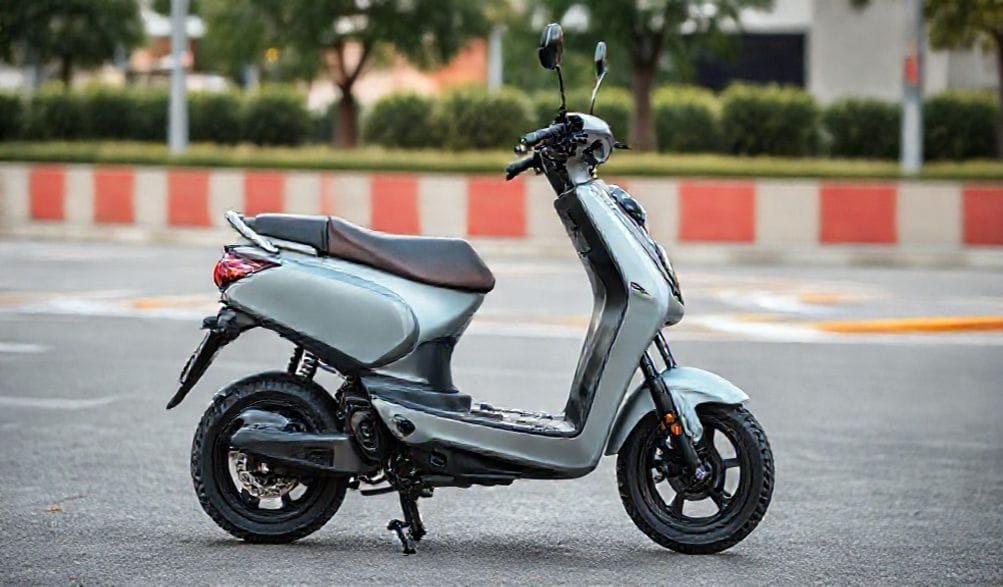
First, let’s clarify what we’re talking about. An electric scooter motorbike isn’t a child’s toy nor a heavyweight touring machine. It occupies a versatile middle ground, combining the step-through frame and user-friendly operation of a traditional scooter with the performance and road presence of a light motorcycle—all powered by electricity.
Not Just a Toy: Power, Speed, and Legal Classifications
This category is defined by substantive performance. Typically, these vehicles feature motors ranging from 500 watts to several thousand watts (4kW+). This translates to real-world speeds of 25 mph to 60+ mph, capable of keeping pace with urban and suburban traffic. This performance directly impacts how the law sees them.
- Legal Classifications: In most regions, the classification depends on maximum speed and/or motor power.
- Classified as Mopeds: Often capped at 30 mph, may only require a standard driver’s license or a special moped permit.
- Classified as Motor Scooters/Motorcycles: For models exceeding 30-35 mph, a motorcycle license (M endorsement) is almost always required. It is absolutely crucial to check your specific state or country’s Department of Motor Vehicles (DMV) regulations before purchasing.
Key Differences: E-Scooter Motorbikes vs. Standard E-Scooters vs. E-Motorcycles
To visualize the spectrum, consider this comparison:
| Feature | Standard Electric Kick Scooter | Electric Scooter Motorbike | Electric Motorcycle |
| :— | :— | :— | :— |
| Size/Weight | Light, portable, foldable | Substantial, 50-150 lbs, not portable | Heavy, 200-500+ lbs |
| Power/Speed | Low (250-500W), 15-20 mph | Medium-High (500-4000W), 25-60+ mph | High (5,000W+), 60-120+ mph |
| Reichweite | Short (10-20 miles) | Medium (20-60+ miles) | Long (70-200+ miles) |
| License/Reg | Often none, treated as bicycle | Usually moped or motorcycle license | Motorcycle license, full registration |
| Primary Use | Last-mile, short trips | Daily commuting, urban/suburban errands | Touring, performance, long commutes |
| Preisklasse | $300 – $1,500 | $1,500 – $6,000+ | $8,000 – $25,000+ |
Core Components: Understanding the Battery, Motor, and Frame
Understanding a few key components will make you a smarter shopper:
- Batterie: The fuel tank. Capacity is measured in Watt-hours (Wh) or Amp-hours (Ah) and Voltage (V). A higher Wh number generally means more range. Look for reputable battery cell brands (like LG, Samsung, or Panasonic) and a good warranty.
- Motor: The engine. Most use Nabenmotoren (built into the wheel), prized for their simplicity. Some performance models may use mid-drive motors (central, driving the chain/belt), which can offer better weight distribution and torque.
- Frame & Build: This is where quality varies wildly. A sturdy, welded aluminum or steel frame is essential for safety and durability. Pay close attention to the finish, weld quality, and component feel.
Top Benefits of Choosing an Electric Scooter Motorbike
Why are so many people making the switch? The advantages extend far beyond just being “electric.”
Significant Cost Savings: Fuel, Maintenance, and Incentives
The financial case is compelling. “Fuel” costs plummet to mere pennies per mile compared to gasoline. Maintenance is radically simpler and cheaper: no oil changes, spark plugs, air filters, or complex gearboxes. Primary upkeep involves tires, brakes, and the occasional battery check. Furthermore, many local and federal governments offer tax credits, rebates, or incentives for purchasing electric vehicles, which can sometimes apply to these two-wheelers.
Eco-Friendly Commuting: Reducing Your Carbon Footprint
This is a direct, personal contribution to cleaner air. Electric scooter motorbikes produce zero tailpipe emissions. Even when accounting for the electricity source, their overall carbon footprint is significantly lower than that of internal combustion engine vehicles. They are also exceptionally energy-efficient, converting over 80% of electrical energy to motion.
Convenience and Agility for Urban Travel
In city environments, they are hard to beat. Their size allows for easy filtering through traffic (where legal) and opens up a world of parking options inaccessible to cars. The step-through design makes mounting and dismounting easy, and many models feature built-in storage under the seat. For daily errands and commutes under 20 miles, they can often be faster door-to-door than a car.
The Riding Experience: Quiet, Smooth, and Fun
This is the intangible benefit riders love. Electric propulsion delivers instant, silent torque from a stop, making acceleration smooth and responsive. The quiet operation reduces noise pollution and lets you hear your surroundings. The combination of effortless power, nimble handling, and open-air freedom creates a genuinely fun and engaging riding experience.
Critical Factors Before You Buy: A Buyer’s Checklist
Excited? Hold on. Making the right choice requires honest self-assessment and careful scrutiny. Use this checklist.
Assessing Your Needs: Commute Distance, Terrain, and Storage
Start with your reality.
* Distance: What is your round-trip daily mileage? Always choose a model with a real-world range that exceeds this by at least 20% to account for battery degradation over time and unexpected detours.
* Terrain: Are your routes flat, or are there significant hills? Hill climbing demands more power and drains the battery faster.
* Storage & Charging: Do you have a secure, dry place to park and charge it? Can you bring the battery inside to charge? Is there an outdoor outlet?
Decoding the Specs: What Range, Speed, and Charge Time Really Mean
Manufacturer specs are best-case scenarios.
* Range: The advertised range is usually achieved at low, constant speeds on flat ground. For a realistic estimate, subtract 20-30%. Factors like rider weight, wind, hills, and frequent stops drastically reduce range.
* Speed: Higher top speeds come at the cost of range. Cruising at 35 mph will use battery much faster than cruising at 25 mph.
* Charge Time: How long from empty to full? A 4-6 hour charge is common. “Fast charge” capabilities are a valuable feature if you need a midday top-up.
Safety and Legal Must-Knows: Helmet Laws, Licensing, and Insurance
This is non-negotiable.
* Führerschein: Reiterating the critical point: Contact your local DMV. Confirm the exact license or endorsement required for the model you want based on its power (kW) and top speed.
* Versicherung: Most states require liability insurance for any vehicle with a registration. Get quotes beforehand.
* Safety Gear: A DOT-approved full-face or modular helmet is the bare minimum. Invest in a armored jacket, gloves, and sturdy footwear. You are vulnerable on two wheels.
Test Ride Essentials: What to Feel and Check Before Purchasing
Never buy without a test ride.
* Comfort: Is the seat comfortable? Can you reach the controls easily?
* Fahrverhalten: Does it feel stable at low and higher speeds? How is the turning radius?
* Bremsen: Test both brakes (usually front and rear disc). Do they stop the bike smoothly and powerfully?
* Acceleration: Is the power delivery smooth and adequate for your needs?
* Build Quality: Inspect welds, finish, and panel gaps. Do switches and controls feel solid or cheap?
Leading Electric Scooter Motorbike Models and Brands to Consider
The market is expanding rapidly. Here’s an overview of reputable players and model archetypes.
Overview of Reputable Brands in the Market
- NIU: Known for smart, connected, commuter-focused scooters with swappable batteries and robust dealer networks. (e.g., NIU MQi GT).
- Segway (Ninebot): A pioneer in personal transport, offering a range from commuter to more powerful, motorcycle-inspired models (e.g., Segway eMoped C80, Super Scooter GT Series).
- Super73: Popularized the “motorbike-inspired” ebike/escooter look with its retro-styled, high-torque models that blur lines between classes.
- Zero Motorcycles: A premium electric motorcycle manufacturer, with their Zero FXE being a direct entry into the lightweight, urban-focused electric motorbike space.
- Cake: Swedish brand focused on minimalist, high-performance off-road and urban electric motorbikes.
Model Spotlights: From Commuter-Focused to Performance-Oriented
- The Urban Commuter (e.g., NIU MQi GT): Prioritizes practicality: storage, comfort, a removable battery for apartment charging, and a top speed around 30-45 mph for city streets.
- The Retro-Styled Cruiser (e.g., Super73-R Series): Focuses on style and fun. Often features a bicycle-like pedal-assist mode but with a throttle and powerful motor for a motorbike feel. Great for casual rides and shorter commutes.
- The Performance Scrambler (e.g., Zero FXE): A true lightweight electric motorcycle. Offers higher power (over 40 hp), superior suspension, and motorcycle-grade components for riders who want agility and performance, possibly for mixed urban and backroad use.
Where to Research and Purchase Reliably
Start your research on official brand websites for accurate specs. Purchase from:
* Authorized Local Dealers: Ideal for test rides, professional assembly, and securing manufacturer warranties and service.
* Reputable Online Retailers: Some direct-to-consumer brands sell online. Ensure they have clear warranty and return policies.
* Warning: Be extremely wary of deals on general marketplaces (e.g., Facebook, Craigslist) that seem too good to be true. Counterfeit batteries and poor-quality builds are common.
Maintenance and Ownership: Keeping Your Ride in Top Shape
Owning an electric scooter motorbike is low-maintenance, but not no-maintenance.
Routine Maintenance Checklist: Tires, Brakes, and Bolts
- Reifendruck: Check weekly. Proper inflation is critical for range, handling, and preventing flats.
- Bremsen: Inspect brake pad wear regularly. Check and adjust brake cable tension (if applicable) and ensure hydraulic brakes are firm.
- Bolts and Fasteners: Periodically check that key bolts (axles, stem, handlebar) are tight, as vibrations can loosen them.
- Reinigung: Keep it clean, especially the chain (if it has one) and brake components.
Battery Care Best Practices for Longevity
Your battery is your most expensive component. Treat it well.
* Avoid Total Discharge: Versuchen Sie, sie nicht regelmäßig auf 0% zu entladen. Laden Sie sie wieder auf, wenn sie 20–30% erreicht.
* Avoid Constant 100% Charges: For daily use, charging to 80-90% is less stressful on the battery than always charging to 100%. Use a full charge for longer trips.
* Achten Sie auf die Temperatur: Avoid storing or charging in extreme heat or cold. Ideal storage is in a cool, dry place.
* Long-Term Storage: If storing for months, charge the battery to about 60% and check it every few months.
Fehlerbehebung bei häufigen Problemen
- No Power: Check the battery connection, ensure it’s charged, and check the circuit breaker or fuse.
- Fehlercodes: Consult the manual. Common codes relate to communication errors between the battery, controller, and display.
- Geringere Reichweite: This is typically due to aging battery, low tire pressure, heavy loads, or riding in cold weather.
- Im Zweifelsfall: For electrical or mechanical issues beyond basic checks, take it to a qualified technician.
Häufig gestellte Fragen (FAQ)
Q: Do I need a motorcycle license for an electric scooter motorbike?
A: It depends entirely on your local laws and the vehicle’s specifications. Models with a top speed over 30-35 mph almost always require a motorcycle license (M endorsement). You must check with your local Department of Motor Vehicles for the definitive answer based on power (kW) and speed.
Q: How far can I really travel on a single charge?
A: Real-world range is affected by rider weight, speed, hills, wind, and temperature. As a rule of thumb, assume you’ll get 70-80% of the manufacturer’s advertised “maximum” range under normal riding conditions. For a 40-mile advertised range, plan for 28-32 miles in practice.
Q: Are electric scooter motorbikes safe in the rain?
A: Most are designed for all-weather riding. Check the IP-Schutzart (Ingress Protection). An IPX4 rating means it can withstand water splashes from any direction, making it safe for riding in rain. However, avoid deep puddles or submerging any part of the bike, as this can damage electrical components.
Q: What is the typical lifespan of the battery, and how much is a replacement?
A: A quality lithium-ion battery typically lasts 3-5 years or 500-1000 full charge cycles before it degrades to about 80% of its original capacity. Replacement costs are significant, often ranging from $500 to $1,500+, depending on capacity. Factor this into your long-term ownership costs.
Fazit
Der elektroroller motorrad represents a smart, efficient, and exhilarating convergence of technology and personal transport. We’ve explored how it defines its own category, offering substantial benefits in cost savings, environmental impact, urban convenience, and pure riding enjoyment. The path to ownership, however, requires due diligence: honestly assessing your needs, understanding the real-world implications of specifications, and, most importantly, confirming the legal requirements for safe and lawful operation.
For the right urban or suburban rider, an electric scooter motorbike isn’t just an alternative—it can be the optimal choice for daily mobility. Use this guide as your foundational reference. Then, take the next steps: consult your local DMV for exact licensing rules, visit authorized dealers for hands-on test rides, and experience the quiet revolution of electric two-wheeled travel for yourself. As battery technology advances and charging infrastructure grows, there has never been a better time to join the ride toward a cleaner, more efficient, and more enjoyable future of transportation.
METADATA_START—
DISPLAY_TITLE: Electric Scooter Motorbikes: The Complete Buyer’s Guide
SEO_TITLE: Electric Scooter Motorbike Guide 2024: Models, Benefits & How to Buy
META_DESC: Considering an electric scooter motorbike? Our complete guide covers models, benefits, costs, licensing, and key buying tips for commuters. Learn how to choose the right one.
IMG_PROMPT: A modern, stylish electric scooter motorbike parked on a vibrant city street, with a rider in a helmet and casual gear looking at a smartphone for navigation. The scene is bright, clean, and futuristic, highlighting the vehicle’s design and urban utility.
—METADATA_ENDE—