
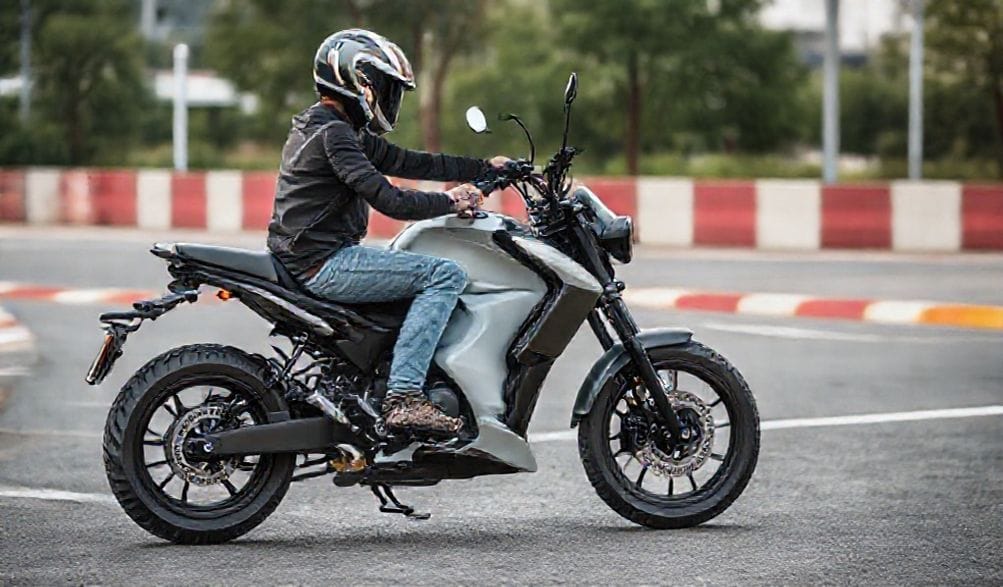
Do You Need a License to Ride an Electric Motorcycle? The Definitive Guide
You’ve seen them zipping through city streets, gliding past traffic with a futuristic hum. The idea is tempting: an Elektromotorrad for your daily commute. It’s efficient, environmentally friendly, and looks like a blast to ride. As you start browsing models online, a practical question cuts through the excitement: “Do I need a license to ride an electric motorcycle?”
Let’s clear the air immediately. The definitive answer is: Yes, in virtually all cases, you need a valid motorcycle license or endorsement to legally operate an electric motorcycle on public roads.
If that seems counterintuitive—after all, it’s just a quiet, “green” bike—you’re not alone. The confusion stems from a common misconception. Licensing requirements aren’t about the fuel in the tank (or the charge in the battery); they are about the vehicle’s classification based on its speed, power, and design.
This guide is designed to cut through that confusion. We’ll explain the “why” behind the rules, walk you through the licensing process, clarify the critical differences between e-motorcycles, E-Bikes, and scooters, and ensure you have the knowledge to ride both safely and legally. Let’s get started.
Why Licensing is Mandatory: It’s About Classification, Not Just Power
To understand the licensing requirement, you need to think like your local Department of Motor Vehicles (DMV). They don’t have a separate rulebook for electric vehicles. Instead, they fit every vehicle into existing categories defined by state law. The silent motor doesn’t grant an exemption; the machine’s performance places it squarely into a regulated class.
How Authorities Classify Electric Two-Wheelers
DMVs and law enforcement agencies use a set of key criteria to determine what category a two-wheeled electric vehicle falls into. The most important factors are:
- Höchstgeschwindigkeit: This is often the primary determinant. If a vehicle can exceed a certain speed on level ground (typically 28-30 mph), it is almost always classified as a motorcycle or motor-driven cycle.
- Motorleistung: Measured in watts (W) or horsepower (HP). While thresholds vary, a motor exceeding 750W (about 1 horsepower) often pushes a vehicle out of the “low-speed” or “bicycle” category.
- Design & Operable Pedals: A vehicle with functional pedals that can propel it without motor assistance has a stronger case for being an “Elektrofahrrad.” A motorcycle-style vehicle without pedals is treated as a motorcycle.
If your electric two-wheeler meets the criteria for a “motorcycle” or “motor-driven cycle” as defined by your state, the legal trifecta kicks in: it requires a specific license, must be registered with the state, and must be insured.
The Legal Definition of a “Motor Vehicle”
The language in state vehicle codes is clear. For example, California Vehicle Code §400 defines a motorcycle as “any motor vehicle having a seat or saddle for the use of the rider, designed to travel on not more than three wheels in contact with the ground.” The key term is “motor vehicle,” which is universally defined to include any vehicle that is self-propelled. An electric motor is unequivocally a form of self-propulsion.
Most states have a sub-category like “motor-driven cycle” for lower-powered motorcycles, but the licensing requirement remains. The takeaway is simple: the law cares about capability, not combustion. You can review your own state’s DMV website for the precise legal definitions.
Navigating the Licensing Process for Electric Motorcycles
Now that we’ve established the “why,” let’s tackle the “how.” The process for getting legal to ride an electric motorcycle is identical to that for a gas-powered one. It’s designed to ensure you have the knowledge and skills to handle a powerful vehicle safely.
Motorcycle License vs. Endorsement: What’s the Difference?
First, let’s clarify the terminology, as it varies slightly by state:
* Motorcycle Endorsement (M Endorsement): This is an addition to your existing standard driver’s license (Class C). It’s the most common path for those who already have a car license.
* Motorcycle License (Class M): This is a standalone license for operating nur motorcycles. It’s typically obtained by new drivers who don’t yet have a standard license.
For most readers, the goal is to add that “M” endorsement to your current license.
Step-by-Step: How to Get Your Motorcycle License/Endorsement
The path to licensing is straightforward, especially if you take the recommended safety course.
-
Obtain a Learner’s Permit: Visit your local DMV and pass a written knowledge test based on your state’s motorcycle manual. The permit allows you to practice riding under specific restrictions (e.g., no passengers, no night riding, while supervised by a licensed rider).
-
Enroll in a Motorcycle Safety Course (Highly Recommended): This is the single best step you can take. The Ein Anfängerfahrerkurs der Motorcycle Safety Foundation (MSF) Basic RiderCourse, or your state’s equivalent, is invaluable.
- Benefits: You learn essential skills from certified instructors in a controlled, off-street environment. You use their training motorcycles. Most importantly, successful completion typically waives the DMV’s on-cycle skills test and may qualify you for an insurance discount. It demonstrates a commitment to safety that builds real riding competence.
-
Pass the DMV Tests: If you don’t take the MSF course, you’ll need to schedule and pass both a written test and an on-cycle skills test at the DMV. The skills test involves maneuvers like weaving, quick stops, and cornering.
-
Gear Up for Safety and Legality: Before you hit the road, you need proper gear. At a minimum, a DOT-approved helmet is legally required in most states and is non-negotiable for safety. Eye protection (a face shield or goggles) is also often a legal requirement. Invest in a jacket, gloves, pants, and boots designed for motorcycle riding.
Electric Motorcycle vs. E-Bike vs. Scooter: Key Differences
This is where much of the public confusion lies. Not every electric two-wheeler is an electric motorcycle. The licensing requirement hinges entirely on which category your vehicle fits into.
Low-Speed Electric Bikes (Class 1, 2, 3)
This is the critical distinction. True Elektrofahrräder, governed by a widely adopted three-class system, generally do not require a motorcycle license.
* Klasse 1: Pedal-assist only (motor helps only when you pedal), with a maximum assisted speed of 20 mph.
* Klasse 2: Throttle-assisted (can propel the bike without pedaling), with a maximum speed of 20 mph.
* Klasse 3: Pedal-assist only, with a maximum assisted speed of 28 mph.
For these e-bikes, you are typically subject to bicycle rules. However, note that helmet and age restrictions may still apply based on local laws. Always check your specific state and municipal regulations.
Electric Scooters and Mopeds
This category is a legal gray area that is rapidly evolving.
* Stand-up Electric Scooters: Those used in shared scooter programs are often regulated similarly to e-bikes, with speed limits (often 15-20 mph) and no license requirement, but they are frequently banned from sidewalks and may require riders to be 18+.
* Seated Electric Mopeds/Scooters: A low-speed, seated scooter with a maximum speed below 30 mph may be classified as a “moped.” Mopeds often require a specific license (like a “Class M” or a simple driver’s license endorsement), registration, and sometimes insurance—but not a full motorcycle license. The rules vary dramatically by state and even by city.
The bottom line: If it looks like a Vespa but is electric, don’t assume it’s license-free. Check your local codes.
Consequences of Riding Without a Proper License
Choosing to ride without the proper license isn’t just a minor infraction; it’s a serious risk with layered consequences.
Rechtliche und finanzielle Risiken
- Erhebliche Geldstrafen: You can be ticketed for operating an unlicensed vehicle and for operating without the proper class of license.
- Fahrzeugbeschlagnahmung: Law enforcement can impound your electric motorcycle on the spot, leaving you with hefty towing and storage fees to retrieve it.
- Invalidated Insurance: This is the most severe financial risk. If you cause an accident while riding without a proper license, your insurance company will almost certainly deny coverage. You become personally liable for all property damage and medical bills—yours and the other party’s—which can amount to hundreds of thousands of dollars.
Safety Risks
Beyond the legalities, licensing exists for a reason: safety. An electric motorcycle can accelerate instantly and reach high speeds. Without the training provided in the licensing process, you lack the fundamental skills for emergency braking, swerving, and understanding road dynamics specific to two-wheeled vehicles. You endanger yourself and everyone around you.
Häufig gestellte Fragen (FAQ)
Q: Do I need a license for an electric motorcycle under 50cc?
A: “Cc” (cubic centimeters) refers to engine displacement and is irrelevant for electric motors. The license requirement depends on the vehicle’s top speed and power output. If it can exceed your state’s low-speed vehicle limit (usually 28-30 mph), you will need a license, regardless of its “cc” equivalent.
Q: Can I ride an electric motorcycle with a regular car driver’s license?
A: No. A standard Class C (car) driver’s license does not authorize you to operate a motorcycle. You must add a motorcycle (M) endorsement to that license or obtain a separate motorcycle-only license.
Q: Are the license requirements the same in every state?
A: The core requirement for a motorcycle license is consistent across the U.S. However, the specific processes, fees, and regulations for lower-powered vehicles like e-bikes and mopeds can vary significantly. Always check with your local DMV for the most accurate, up-to-date information.
Q: Is insurance required for an electric motorcycle?
A: Yes. Since it is legally classified as a motorcycle, liability insurance is a mandatory requirement in almost every state to register and operate it on public roads. Comprehensive and collision coverage are also highly recommended to protect your investment.
Q: I took a safety course for gas motorcycles. Does it apply to electric?
A: Absolutely. The core riding skills—braking, cornering, balance, clutch control (though e-motos often have no clutch), and hazard awareness—are 100% transferable. The MSF course is universally recommended for all new riders, regardless of powertrain.
Fazit
The central message is clear: when it comes to licensing, an electric motorcycle is a motorcycle. The requirement is based on the vehicle’s capabilities, not its power source. A high-performance electric bike demands the same respect, training, and legal compliance as its gas-powered counterpart.
Before you make a purchase or twist the throttle for the first time, make this your three-step checklist:
1. Überprüfen Sie: Check your specific state DMV website for the exact classification of the model you’re considering.
2. Train: Invest in yourself by taking a Motorcycle Safety Foundation (MSF) course. It’s the smartest money you’ll spend on riding.
3. Legalize: Obtain the correct motorcycle license endorsement, register your vehicle, and secure proper insurance.
Following these steps isn’t just about avoiding tickets; it’s about building the foundation for safe, confident, and truly enjoyable riding. It protects your life, your financial well-being, and your freedom on the road. Now that you’re equipped with the facts, you’re ready to embark on your electric riding journey the right way.
Ready to get started? Your first stop should be your state’s official DMV website to begin the licensing process.
METADATA_START—
DISPLAY_TITLE: Do You Need a License to Ride an Electric Motorcycle?
SEO_TITLE: Electric Motorcycle License Requirements: A Complete Guide | Do You Need One?
META_DESC: Confused about electric motorcycle license laws? Our definitive guide explains if you need a license, how to get one, and the key differences from e-bikes and scooters.
IMG_PROMPT: A modern electric motorcycle parked on a city street, with a rider in a helmet holding a motorcycle license document, clear blue sky in the background, photorealistic style.
—METADATA_ENDE—