
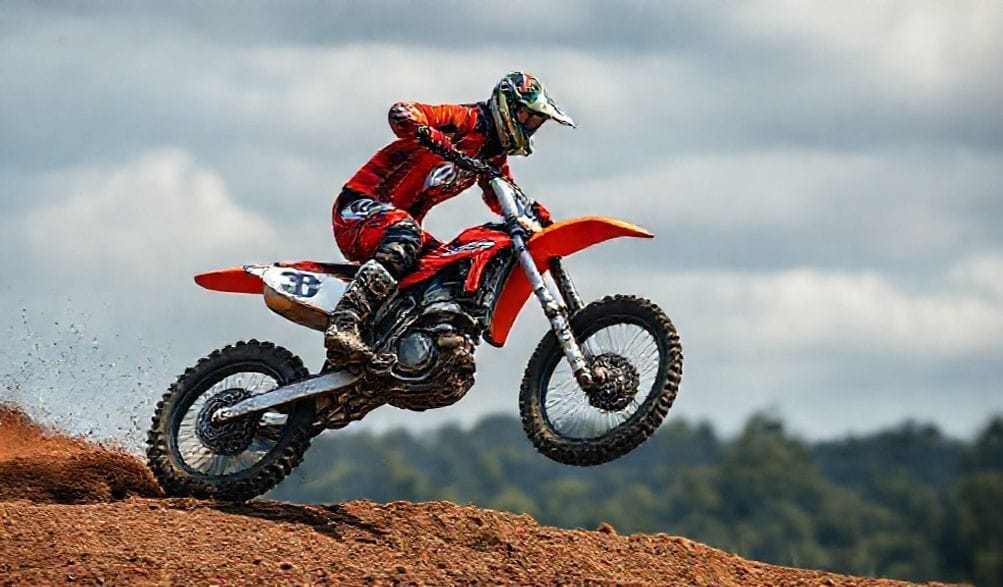
The Ultimate Guide to MX Dirt Bikes: Mastering Motocross
Einführung
Motocross (MX) is more than a sport; it’s a symphony of adrenaline, dirt, and mechanical harmony. It’s a thrilling test of skill, endurance, and an intimate understanding of a machine pushed to its limits. For the uninitiated, the world of motocross can seem daunting—a blur of roaring engines, flying dirt, and specialized jargon. For the enthusiast, it’s a lifelong pursuit of mastery. At the heart of this pursuit lies the MX dirtbike, a purpose-built instrument of speed and agility. Choosing and understanding this machine is the first, most critical step toward conquering the track.
This comprehensive guide is designed to be your definitive resource, built on expert knowledge and a deep understanding of motocross engineering, riding techniques, and community insights. Whether you’re a newcomer dreaming of your first jump or a seasoned rider fine-tuning your race setup, we provide clear, actionable, and safety-focused information. Our goal is to help you navigate the exciting, demanding world of MX dirtbikes with confidence, from the showroom floor to the finish line.
1. Understanding MX Dirt Bikes: A Primer
Before you hit the track, it’s crucial to understand what makes an MX bike unique. These are not casual Trailbikes; they are highly specialized tools designed for one thing: winning races on closed, rough, circuit tracks.
1.1 What is a Motocross (MX) Bike?
An MX dirtbike is defined by several key characteristics that separate it from its trail, enduro, and dual-sport cousins. The primary focus is on lightweight construction, achieved through extensive use of aluminum, titanium, and composite materials. This minimal weight allows for explosive acceleration and effortless maneuverability in the air. The suspension is long-travel, incredibly stiff, and finely tunable to absorb massive impacts from jumps and whoops at high speed. Finally, the engine is tuned for peak horsepower in a specific RPM range, delivering aggressive, “hit-hard” power delivery optimized for short bursts of acceleration between corners, not smooth, tractable trail power.
1.2 A Brief History of Motocross
Motocross evolved in Europe in the early 20th century from simple off-road reliability trials. The first dedicated “scrambles” bikes were little more than modified street motorcycles. The real revolution began in the 1960s and 70s with Japanese manufacturers like Suzuki and Yamaha, who introduced lightweight, high-revving two-strokes that dominated the sport. The 1990s saw the rise of the four-stroke, pioneered by brands like Husqvarna and brought to dominance by Yamaha’s groundbreaking YZ400F. Today’s MX dirtbikes are technological marvels featuring fuel injection, electric start, launch control, and traction control, all housed in chassis engineered with aerospace-level precision.
1.3 The Anatomy of an MX Bike
Understanding your machine is key to riding and maintaining it.
* Rahmen: Typically made of chromoly steel or aluminum, the frame’s geometry (rake, trail, wheelbase) dictates handling characteristics—stability at speed versus quick cornering.
* Suchen Sie genau nach Rissen, Verbiegungen oder reparierten Schweißnähten, insbesondere im Bereich des Lenkkopfs und der Federungsaufnahmen. The heart of the bike, either a 2-stroke or 4-stroke, positioned centrally to optimize mass centralization for better handling.
* Federung: The front forks (inverted telescopic) and rear shock (connected via a linkage system) are the most critical components for control and safety. They must be set up for the rider’s weight and skill.
* Bremsen: High-performance disc brakes (usually a larger front rotor) provide powerful, modulated stopping power.
* Bodywork: Plastic shrouds, fenders, and number plates are designed for aerodynamics, rider mobility, and easy replacement after a crash.
2. Choosing the Right MX Dirt Bike for You
Selecting your first or next MX dirtbike is a balance of excitement and practicality. The right bike builds confidence; the wrong one can hinder progress or, worse, be dangerous.
2.1 Engine Size and Classifications: From 50cc to 450cc
Engine displacement (cc) is the primary filter. It’s directly tied to rider age, size, and experience.
* Mini Bikes (50cc, 65cc, 85cc): For young riders. They feature smaller wheels, lower seat heights, and automatic or semi-automatic transmissions to ease the learning curve.
* 125cc (2-Stroke) / 250cc (4-Stroke): The classic beginner-to-intermediate adult bike and the “lightweight” pro class. These bikes require more clutch and throttle control, teaching essential skills. A 250cc 4-stroke is the most common recommendation for a new adult rider.
* 250cc (2-Stroke) / 450cc (4-Stroke): The “open” or premier class. These are peak-performance machines with massive power. A 450cc MX dirtbike is incredibly powerful and physically demanding, best suited for experienced, strong riders or larger-framed intermediates.
2.2 2-Stroke vs. 4-Stroke: The Eternal Debate
- 2-Stroke: Lighter, simpler mechanically, with a snappy, explosive powerband (“hit”). They require more frequent top-end rebuilds but are generally cheaper and easier to work on. The power delivery demands active riding and rewards skill.
- 4-Stroke: Heavier, more complex, with broad, linear, and tractable power. They are easier to ride fast for longer, especially for beginners, but maintenance (like valve adjustments) is more intricate, and catastrophic failures are far more expensive.
2.3 New vs. Used: Evaluating Your First Bike
- Neu: Pros include warranty, latest technology, and known history. The major con is cost, both initial purchase and the inevitable first-crash depreciation.
- Gebraucht: A fantastic way to enter the sport affordably. Crucial inspection points: Check for frame cracks, leaking fork/shock seals, straight wheels, smooth engine operation (no knocking), and overall cleanliness. A dirty air filter or neglected chain hints at poor maintenance.
2.4 Bike Fit: Importance of Ergonomics and Setup
You must be able to control the bike. When standing on the pegs, you should have a slight bend in your knees. You should be able to comfortably reach the handlebars and levers without stretching. The single most important setup task is setting the rider sag on the rear shock—this adjusts the bike’s geometry for your weight and is fundamental for proper handling.
3. Essential MX Gear and Safety Equipment
In motocross, your gear is not apparel; it is your primary safety system. Never compromise on quality.
3.1 The Non-Negotiables: Helmet, Boots, and Goggles
- Helm: This is non-negotiable. It must be a full-face motocross model (with a chin bar and peak) and certified to DOT and preferably SNELL or the newer FIM standards. Fit is paramount—it should be snug without pressure points.
- Stiefel: Purpose-built motocross boots provide ankle support, crush protection, and feel for the brake and shift levers. They are your most important piece of gear after your helmet.
- Schutzbrille: They protect your eyes from roost (rocks and dirt kicked up by other bikes) and ensure clear vision. Look for a comfortable fit with your helmet, a dual-pane lens to prevent fogging, and a tear-off system for muddy conditions.
3.2 Protective Armor: Chest Protectors, Knee Braces & More
- Chest Protector/Roost Deflector: Shields your torso from flying debris and impacts.
- Knee/Shin Guards or Braces: Guards protect from impacts, while medical-grade braces are designed to help prevent catastrophic knee ligament injuries, common in MX.
- Nackenstütze: A controversial but increasingly common device designed to limit extreme neck movement in a crash, potentially reducing the risk of certain spinal injuries.
3.3 Apparel: Jerseys, Pants, and Gloves
MX-specific jerseys and pants are made from lightweight, breathable, and tear-resistant materials. They are designed for maximum freedom of movement. Gloves improve grip, protect your hands from blisters and roost, and often include padding on the back.
4. Fundamental Riding Techniques and Track Skills
Speed comes last. First, you must build a foundation of proper technique, which is the true path to both speed and safety.
4.1 Basic Body Position: Attack Posture and Balance
The default position for motocross is standing on the footpegs, with knees bent and elbows up. This “attack position” lowers your center of gravity, allows the bike to move freely beneath you over bumps, and prepares you for any obstacle. Your head should be up, looking ahead.
4.2 Mastering Cornering: Entry, Apex, and Exit
Corners are where races are won. The process: brake while upright (before the turn), choose your line, drop into the corner while weighting the outside footpeg, look through the turn to the exit, and smoothly apply throttle as you stand the bike up. Practice slow, deliberate turns before adding speed.
4.3 Jumping Safely: From Tabletops to Doubles
- Approach: Maintain a steady, controlled throttle. Do not chop the throttle or brake on the face of the jump.
- Take-off: As you leave the lip, shift your weight slightly back or stay neutral. The bike should follow the natural arc of the jump.
- In-air: Use body English (leaning) and rear brake tapping (to bring the front down) for minor corrections.
- Landing: Aim to land on the downside of the jump, preferably with the rear wheel slightly first or both wheels level. Land with the throttle on slightly to stabilize the chassis.
4.4 Starts, Whoops, and Ruts: Navigating Common Obstacles
- Starts: Practice finding the “friction zone” of your clutch. Weight the front end to prevent wheelies, and focus on a smooth, powerful launch.
- Whoops: Commit! Either “blitz” through them by staying on the gas and letting the suspension work, or “skip” across the tops by pre-loading the suspension.
- Ruts: Look ahead, keep your momentum, and let the bike follow the rut. Do not fight the handlebars; steer with your feet and body weight.
5. Maintenance and Performance Tuning
A well-maintained MX dirtbike is a safe and fast bike. Maintenance in motocross is not optional; it’s part of the sport.
5.1 Pre-Ride and Post-Ride Inspection Checklists
5.1. Routine-Wartungsplan für DIY Check tire pressure, chain tension/lube, fluid levels (coolant, brake fluid), spoke tightness, and ensure all critical bolts (axle, handlebar clamp, etc.) are tight. Post-Ride: Clean the air filter, wash the bike thoroughly (avoiding direct pressure on bearings/seals), and check for any new leaks or loose components.
5.2 Routine Maintenance Schedule
This is intense. Clean the air filter every ride. Change engine oil and filter every 5-10 hours. Grease linkage, swingarm, and steering head bearings every 20-30 hours. Suspension fluids should be changed every 30-40 hours. Top-end rebuilds vary: a 125cc 2-stroke may need one every 15-25 hours, while a 450cc 4-stroke can go 80-100 hours. Always consult your manual.
5.3 Basic Performance Upgrades: Where to Start
The best first upgrades are those that improve comfort and control, not necessarily peak horsepower.
1. Handlebars/Grips: Get bars that fit your width and bend preference.
2. Sprockets/Chain: Changing the final drive ratio (tooth count) is a cheap way to tailor power delivery for your local track.
3. Exhaust System: An aftermarket system can improve power and weight, but it’s often one of the last upgrades after suspension.
4. Suspension Re-valve/Springs: The single best performance upgrade for any rider is having the suspension professionally set up for your weight, speed, and ability.
5.4 Suspension Tuning for Your Weight and Skill Level
Learn to adjust your clickers (compression and rebound damping). Start with the manufacturer’s recommended settings. Softer compression/rebound is generally better for slower riders or rough tracks; firmer is for faster riders and hard-packed conditions. Setting the sag is the first and most critical step.
6. Getting Involved in the Motocross Community
Motocross is as much about community as it is about individual performance.
6.1 Finding Local Tracks and Riding Parks
Use resources like the AMA website, Google Maps, and social media to find tracks. Always call ahead or check websites for open practice schedules, rules, and required memberships (like AMA membership). Respect track etiquette—no cutting the track, be aware of faster riders, and help others in need.
6.2 Entering Your First Amateur Race: What to Expect
Sign up for the beginner/novice class. Expect a tech inspection (safety wire, numbers). Race day involves practice sessions, motos (races), and plenty of waiting. Your first goal is not to win, but to finish safely, learn the procedures, and have fun. Listen to the riders’ meeting carefully.
6.3 Joining Clubs and Online Forums
Organizations like the American Motorcyclist Association (AMA) provide insurance, sanction races, and advocate for the sport. Online forums and social media groups (like those on Reddit or dedicated brand forums) are invaluable for getting local advice, troubleshooting problems, and buying/selling gear.
Häufig gestellte Fragen (FAQ)
Q1: What is the best MX dirtbike for a beginner adult?
A: For most adult beginners, a 250cc 4-stroke is the ideal starting point. It offers manageable, linear power and is forgiving while you learn fundamental skills. The “best” bike is also one that fits you physically, so sitting on several models from different brands is essential before deciding.
Q2: How much does it cost to get into motocross?
A: Initial costs are significant. A used beginner bike may cost $2,000-$4,000. Essential new safety gear (helmet, boots, goggles, chest protector, etc.) is a $1,000-$1,500 investment. Ongoing costs include track fees ($20-$50/day), race entry fees, maintenance parts, fuel, and transportation.
Q3: Is motocross dangerous?
A: Motocross is an inherently risky, high-adrenaline sport involving high speeds and jumps. However, the risks can be significantly mitigated through professional instruction, the consistent use of full, high-quality safety gear, riding within your skill level, and maintaining a well-serviced motorcycle. Respect for the sport’s demands is paramount.
Q4: Wie oft benötigt eine MX-Geländemaschine Wartung?
A: Die Wartung ist aufgrund der extremen Bedingungen intensiv. Luftfilter sollten nach jeder Fahrt gereinigt, Motoröl alle 5-10 Stunden gewechselt und Federungsflüssigkeiten alle 30-40 Stunden gewartet werden. Obermotorüberholungen sind bei 2-Taktern (15-30 Std.) häufiger nötig als bei 4-Taktern (50-100 Std.), doch konsultieren Sie stets Ihr Benutzerhandbuch für modellspezifische Intervalle.
Q5: Kann ich eine MX-Geländemaschine auf öffentlichen Trails oder Straßen fahren?
A: Nein. Reine Wettbewerbs-MX-Maschinen sind nicht straßenzugelassen. Ihnen fehlen Beleuchtung, Spiegel, Blinker, DOT-geprüfte Reifen, ein leises Auspuffsystem und oft ein Funkenfänger. Sie sind ausschließlich für abgesperrte Wettbewerbsstrecken konzipiert und nicht für die öffentliche Straßennutzung zugelassen oder versichert.
Fazit
Sich auf die Motocross-Reise zu begeben, ist eine aufregende Verpflichtung zu einem Sport, der Geist und Körper gleichermaßen fordert. Der Erfolg hängt vom durchdachten Zusammenführen der richtigen Maschine mit einem unerschütterlichen Sicherheitsbewusstsein, kontinuierlicher Fertigkeitsentwicklung und gewissenhafter Wartung ab. Dieser Leitfaden hat eine Grundlage aufgebaut, die auf Expertenwissen und praktischer Erfahrung beruht – von der Entmystifizierung der MX dirtbike und Auswahl der essenziellen Ausrüstung bis zur Beherrschung grundlegender Techniken und dem Anschluss an die lebendige Motocross-Community.
Denken Sie daran: Fortschritt im MX ist ein Marathon, kein Sprint. Starten Sie langsam, priorisieren Sie makellose Grundlagen über rohe Geschwindigkeit und hören Sie nie auf zu lernen. Das Dröhnen des Motors unter Ihnen, die Kameradschaft in der Box und die persönliche Zufriedenheit, eine Kurve perfekt zu nehmen oder einen Sprung erstmals zu meistern, sind Erfahrungen, die den unvergleichlichen Thrill des Motocross definieren. Jetzt: Ausrüsten, klug fahren und die Fahrt genießen.
METADATA_START—
DISPLAY_TITLE: Der ultimative Leitfaden zu MX-Geländemaschinen: Motocross meistern
SEO_TITLE: MX-Geländemaschinen-Leitfaden 2024 | Auswahl, Fahren & Wartung
META_DESC: Ihr kompletter Leitfaden zu MX-Geländemaschinen. Erfahren Sie, wie Sie das richtige Motocross-Bike wählen, essentielle Sicherheitsausrüstung, Fahrtechniken meistern und kritische Wartung durchführen.
IMG_PROMPT: Eine dynamische, actionreiche Aufnahme eines professionellen Motocross-Fahrers in voller Ausrüstung, in der Luft auf einer modernen 450cc MX-Geländemaschine, wie er an einem sonnigen Renntag einen großen Tabletop-Sprung meistert. Die Federung des Bikes ist voll ausgefahren, Dreck wirbelt auf und im Hintergrund ist eine volle Rennstrecke mit anderen Fahrern zu sehen.
—METADATA_ENDE—