
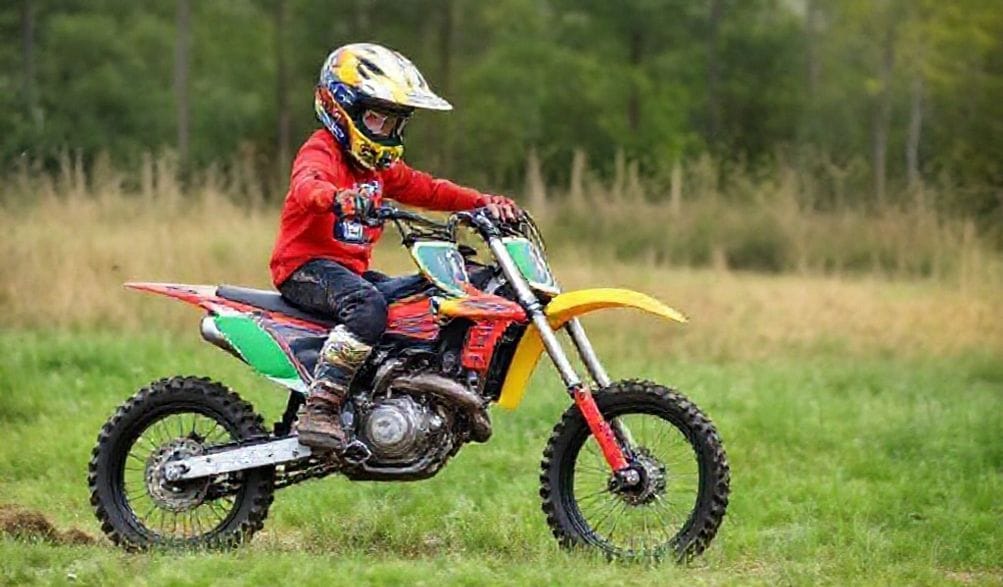
The Ultimate Parent’s Guide to Dirt Bikes for 6-Year-Olds (Safety, Sizing & Top Picks)
Introduction
That moment your child’s eyes light up at the sound of a dirt bike—it’s a spark of shared excitement that many riding parents dream of. You envision weekend adventures, teaching them the ropes, and watching their confidence soar on two wheels. But right alongside that excitement comes a wave of very real parental concern: Is this safe? How do I choose the right one? What if they get hurt?
If you’re nodding along, you’re in the right place. This guide is crafted for you—the conscientious parent who wants to nurture a potential passion while prioritizing safety and smart decisions above all else. Our goal is to transform your uncertainty into confidence by providing a comprehensive, safety-first roadmap.
This isn’t just a list of bikes. We’ve synthesized insights from certified youth riding instructors, pediatric sports safety recommendations, meticulous manufacturer specifications, and the hard-won wisdom of experienced dirt bike parents. We’ll walk you through the absolute must-have safety gear, the precise way to size a bike (hint: it’s not just about age), the key features that make learning easier, a curated look at top-rated models, and how to set the stage for a positive, confidence-building first ride. Let’s get started.
Why Dirt Biking Can Be Great for 6-Year-Olds (Beyond the Fun)
While the thrill is obvious, the benefits of dirt biking for a young child extend far beyond just having a good time. At six, kids are at a prime age for developing physical and mental skills that will serve them for a lifetime.
Building Confidence and Coordination
Mastering a dirt bike is a profound confidence builder. The process of learning to balance, throttle, brake, and navigate a simple trail requires and develops incredible hand-eye coordination, fine motor skills, and spatial awareness. Each small victory—starting the bike independently, making a smooth turn, conquering a small bump—builds a tangible sense of achievement and self-reliance that radiates into other areas of their life.
Encouraging Outdoor Activity and Exploration
In a world of screens and digital distractions, dirt biking is a compelling invitation to the great outdoors. It encourages physical, unplugged play in fresh air, fostering a connection with nature. It turns a simple field or trail into a landscape of adventure, teaching kids to observe their environment, understand terrain, and appreciate the freedom of physical activity.
Learning Responsibility and Mechanics
A dirt bike is a perfect introductory tool for teaching responsibility. Simple, supervised pre-ride checks—like looking at tire pressure, testing the brakes, and ensuring the chain is lubricated—become engaging rituals. They learn that their machine requires care to function safely. This early exposure to basic mechanics demystifies how things work and instills a mindset of preparation and stewardship.
Safety First: Non-Negotiables for Young Riders
Let’s be unequivocal: This is the most important section of this guide. Proper safety gear is not an accessory; it is essential equipment. A child’s first riding experiences must be framed by an uncompromising culture of safety.
The Complete Safety Gear Checklist
Investing in high-quality, properly fitted gear is your first and best line of defense.
- Helmet (DOT/SNELL Certified): This is non-negotiable. It must be a full-face, off-road/motocross helmet—not a bicycle or open-face model. The chin bar is critical for facial protection. Fit is paramount: it should be snug without pressure points, and the child should not be able to roll it off their head if the strap is undone.
- Goggles: Clear vision is safety. Goggles protect eyes from dirt, debris, and branches. Look for a comfortable fit that seals well with the helmet, a scratch-resistant lens, and consider anti-fog coating. Have multiple lenses (clear for overcast/dusk, tinted for sun).
- Chest Protector & Roost Guard: This piece absorbs and disperses impact from falls, handlebar hits, and flying debris (“roost”) from other bikes. It protects the ribs, chest, and vital organs.
- Gloves, Knee/Elbow Pads, Boots:
- Gloves: Protect palms from blisters and abrasion; improve grip.
- Knee/Elbow Pads: Essential for protecting joints during inevitable tumbles.
- Boots: Do not use sneakers. Proper youth motocross boots provide ankle support, crush protection, and a sole designed to grip footpegs. They are one of the most important pieces of gear after the helmet.
- Neck Brace (For Larger Bikes/Speed): For a 6-year-old on a beginner bike (50cc-110cc) at low speeds in a controlled area, a neck brace may not be an immediate necessity. However, as bike size, speed, or terrain difficulty increases, it becomes a critical piece of safety equipment to prevent certain types of neck injuries. Consult with a safety gear specialist.
Choosing the Right Riding Environment
The perfect beginner bike is useless in the wrong place. Start in a controlled, wide-open, and flat area free of traffic, water hazards, large rocks, and steep inclines. An empty grass field, a flat dirt lot, or a designated beginner practice loop are ideal. The goal is to minimize external hazards so the child can focus solely on controlling the bike. Always, always provide direct, attentive supervision.
How to Choose the Perfect Dirt Bike for a 6-Year-Old
The #1 Rule: Fit Over Age
Manufacturer age ranges are suggestions, not rules. A bike that is too tall or heavy is intimidating, unsafe, and will hinder learning. The golden rule: Your child should be able to sit on the seat with the bike upright and place the balls of both feet firmly on the ground. This “touch test” is crucial for stability when stopping and balancing. Measure your child’s inseam and compare it to a bike’s seat height.
Engine Types: Gas vs. Electric
This is the fundamental choice for modern parents.
- Gas-Powered (50cc – 110cc):
- Pros: Delivers the traditional dirt bike experience, sound, and feel. Typically offers longer ride times between refuels. A wider selection of models and a clear, established path for progression (e.g., Honda CRF50F to CRF110F).
- Cons: Requires more maintenance (oil changes, air filter cleaning, fuel). Louder, which can limit riding locations. Produces fumes. Usually requires pulling a recoil start.
- Electric-Powered:
- Pros: Quiet, allowing for practice in more places (like a backyard). Virtually zero maintenance—no gas, oil, or filters. Instant, smooth torque that’s easier to control. Often lighter. Electric start is standard. Excellent for learning fundamentals.
- Cons: Limited run time (typically 30 mins to 2 hours) followed by a several-hour recharge. Less “range” for exploration. The initial purchase price can be higher for quality models.
Verdict: Electric bikes are a phenomenal, low-friction way to start, especially in residential areas. Gas bikes offer a more authentic experience and longer adventures. Your choice depends on your access to riding land, tolerance for maintenance, and your child’s specific interests.
Key Features for Beginners
Look for these features to ensure a smoother learning curve:
- Automatic Clutch (or Semi-Auto): A manual clutch is a complex skill. For a true first-timer, a fully automatic transmission (like on a Yamaha PW50) or a semi-auto (no clutch, but you still shift gears, like on a Honda CRF50F) is highly recommended. It lets them focus on balance, throttle, and braking.
- Throttle Limiter: A simple screw or dial that physically restricts how far the throttle can be turned. This allows you to set a very slow, safe maximum speed while they learn basics, and gradually increase it as their skill improves.
- Electric Start: While not a deal-breaker, an e-start button (common on many electric and some newer gas bikes) is a huge help. It eliminates the frustration of kick-starting and lets the child focus on riding, not starting.
- Adjustable Suspension: Some models allow you to soften the suspension preload. This not only provides a more comfortable ride for a light rider but also can slightly lower the seat height.
Top Recommended Dirt Bikes for 6-Year-Olds (2024)
Important Note: This is a curated list based on longstanding reputations for reliability, safety, and beginner-friendliness, drawing from expert reviews and aggregated owner feedback. Always apply the “Fit Over Age” rule first.
Best Gas-Powered Starter Bikes
- Honda CRF50F: The quintessential starter bike. Renowned for bulletproof reliability. Features a semi-automatic 3-speed transmission (no clutch), a throttle limiter, and adjustable suspension. Its 21.6” seat height is a benchmark for the category.
- Yamaha PW50: Famous for its simplicity and ultra-gentle learning curve. Fully automatic transmission, speed governor, and an extremely low 17.9” seat height. The “beginner-est” of beginner bikes, perfect for smaller or more cautious 6-year-olds.
- Kawasaki KLX110: A step up in size and capability for a taller or more coordinated 6-year-old. Offers a semi-automatic 4-speed transmission, more suspension travel, and a more “big bike” feel. Seat height is around 26.8”, so it’s for kids who have outgrown the 50cc class.
Best Electric-Powered Starter Bikes
- Razor MX650: An affordable and popular entry point into electric dirt bikes. Reaches speeds up to 17 mph, but has a variable-speed twist grip for control. Good for light use on flat ground. Run time is limited (~40 mins).
- Oset 12.5 Racing: A serious electric trials bike designed for skill development. Lightweight, incredibly torque-y at low speeds, and fully adjustable. Used by many riding schools. It’s quiet, fume-free, and perfect for technical practice in a small area.
- Stacyc 16eDrive: The “electric balance bike” for off-road. No throttle—it’s pedal-activated, teaching balance and control without the complexity of a throttle. An outstanding preparatory tool before moving to a throttle-equipped bike.
Where to Buy: New vs. Used Considerations
Buying used can be a great way to save money, as kids outgrow bikes quickly. If buying used, perform this safety checklist: Check for frame cracks or bends. Lift the front and rear wheels to check for excessive bearing play. Squeeze the front brake and rock the bike—fork shouldn’t have play. Test throttle action (should snap closed). Inspect the chain and sprockets for wear. Check brake pad life and lever function. A reputable dealer offering a pre-owned, serviced bike is often the safest used route.
Getting Started: Your Child’s First Riding Lessons
Pre-Ride Bike Inspection (Make it a Game)
Turn safety into a fun ritual. “Help me check our bike!” Go through the T-B-C-C checklist: Tires (are they firm?), Brakes (do they work before we move?), Controls (does the throttle snap back?), Chain (is it clean and snug?).
Basic Skills to Practice in a Safe Area
- Mounting/Dismounting with the bike off.
- Finding the Brake Levers with their hands and footbrake with their foot.
- Starting & Stopping the Engine and using the kill switch (teach this first!).
- Walking the Bike while sitting on it, using their feet.
- “Power Walking” with very slight throttle to feel it engage.
- Gentle Figure Eights at walking speed, focusing on balance and looking where they want to go.
The Parent’s Role: Patience and Positive Reinforcement
Keep sessions short (20-30 minutes max) and end on a high note. Your job is to be a calm, encouraging coach, not a demanding instructor. Celebrate every small success: “You used the brake perfectly that time!” Pressure leads to fear; patience builds a lifelong rider.
Frequently Asked Questions (FAQ)
Q1: What size dirt bike is best for a 6-year-old?
A: While typical fits fall in the 19-22 inch seat height and 50cc-110cc engine range, the only true answer comes from the “balls of both feet on the ground” test. A child’s inseam is the critical measurement.
Q2: Are electric dirt bikes a good option for beginners?
A: Absolutely. Their quiet operation, low maintenance, and smooth, controllable power make them an excellent, low-stress way for a child to learn fundamental balance and control, especially in suburban or noise-sensitive environments.
Q3: How much should I expect to spend on a starter dirt bike and gear?
A: For a new entry-level gas bike (e.g., CRF50F), budget $1,500 – $2,200. Quality electric bikes start around $800 – $1,800. A full set of new, quality safety gear (helmet, goggles, chest protector, boots, gloves, pads) will cost $400 – $800. Used markets can reduce these costs significantly.
Q4: When should my child move to a bigger bike?
A: Look for these signs: They are physically cramped (knees bent sharply, weight too far back); they have completely mastered the bike’s speed and capabilities; and they demonstrate consistent, responsible control. It’s usually a combination of growth and skill.
Q5: Should I consider professional training?
A: Yes. A certified youth riding course (like those from the Motorcycle Safety Foundation or local motocross schools) is one of the best investments you can make. Professional instructors teach correct techniques in a structured, safe environment, accelerating skill development and ingraining safety habits from day one.
Conclusion
Introducing your six-year-old to dirt biking is a journey that can forge incredible memories and build invaluable life skills. The path to success is built on three unwavering pillars: mandatory, high-quality safety gear; a bike that fits their body, not just their age; and a patient, positive approach focused on fun and fundamentals.
Use this guide as your trusted foundation. Trust your instincts as a parent, and don’t hesitate to seek hands-on advice from reputable dealers or certified instructors. Now, you’re equipped not just with a list of bikes, but with the knowledge to make a decision that prioritizes your child’s safety and joy. The trail awaits.
Ready to gear up? Share your questions or your own beginner rider stories in the comments below! For next steps, explore our linked resources for in-depth gear reviews and tools to find certified training schools near you.
METADATA_START—
DISPLAY_TITLE: The Ultimate Parent’s Guide to Dirt Bikes for 6-Year-Olds
SEO_TITLE: Dirt Bikes for Six Year Olds | 2024 Safety, Sizing & Top Picks Guide
META_DESC: Choosing the right dirt bike for your 6-year-old? Our ultimate parent’s guide covers safety gear, bike sizing (fit over age!), gas vs. electric, top models, and first-ride tips.
IMG_PROMPT: A happy, safely geared-up six-year-old child with a full-face helmet and goggles sitting on a small, beginner-friendly dirt bike in a sunny, open grass field, with a parent kneeling beside them giving a thumbs-up.
—METADATA_END—