
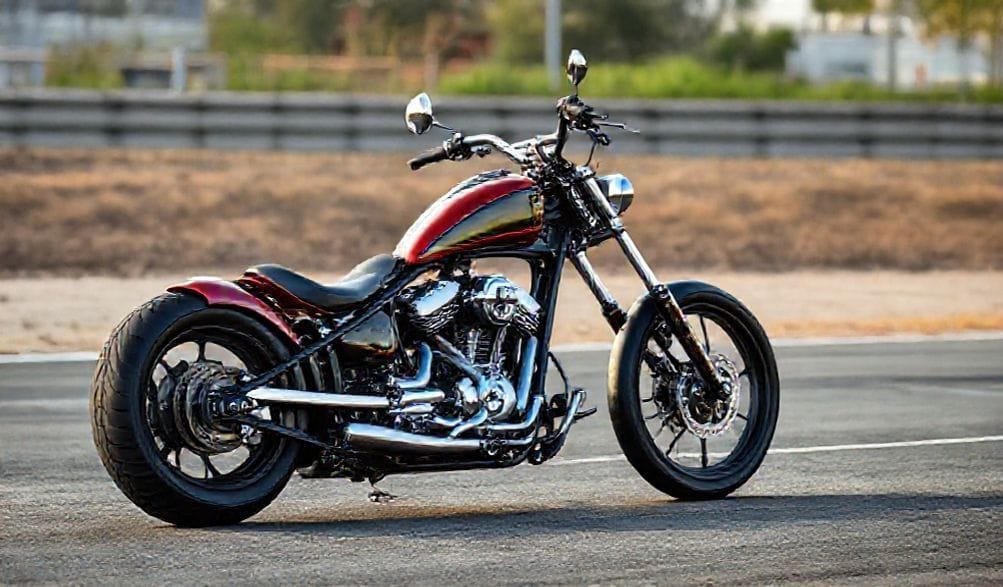
The Ultimate Guide to Dragster Mini Bikes: Power, Performance & Ownership
There’s a specific kind of thrill that comes not from sheer top speed, but from the violent, neck-snapping shove you get the instant you twist the throttle. It’s the sensation of raw torque translating directly into acceleration, a feeling once reserved for quarter-mile warriors on slicks and nitro. Now, imagine that sensation packaged into a compact, roaring machine you can store in a garden shed. This is the visceral, addictive appeal of the dragster bike—a mini bike engineered not just for cruising, but for explosive off-the-line performance.
Welcome to the definitive resource on dragster-inspired mini bikes. Whether you’re a seasoned gearhead nostalgic for the golden era of two-wheeled fun, a newcomer searching for an adrenaline-packed hobby, or a parent researching a memorable (but responsible) gift, this guide is built for you. We’ll cut through the confusion around the term “dragster bike,” explore its roots, break down its mechanics, and provide the crucial knowledge you need to buy, build, or ride one safely and legally. Our goal is to marry a passion for small-engine performance with expert, trustworthy advice, ensuring your journey into this hobby is as informed as it is exciting.
This comprehensive guide will navigate the entire ecosystem of dragster mini bikes. We’ll define their unique breed, trace their evolution from post-war utility to modern performance icons, review top models and build kits, and confront the critical considerations of safety, legality, and maintenance head-on. Let’s dive into the world where nostalgia meets torque.
What is a Dragster Mini Bike? Defining the Breed
At first glance, a dragster mini bike might look like a standard mini bike on a growth spurt. But its elongated form is no accident; it’s the result of a specific design philosophy borrowed directly from the drag strip. Unlike a dirt bike built for jumps or a pit bike for agility, a dragster bike is engineered for one primary purpose: dominant acceleration from a standstill.
More Than Just a Name: The Drag Racing Influence
The connection to drag racing is foundational. Full-size dragsters are characterized by an incredibly long wheelbase, a rearward weight bias, and massive, slick rear tires—all to harness immense power and transfer it to the ground without wheelies or tire spin. Dragster mini bikes mimic this ethos in miniature. The extended frame creates a longer wheelbase, which increases stability under hard acceleration, preventing the bike from flipping backward (a common issue with short, powerful mini bikes). This design prioritizes a planted, confident launch over cornering agility, making every straight path a potential drag strip.
Key Anatomy of a Dragster-Style Mini Bike
Several key features distinguish a true dragster-style mini bike from its cousins:
- Frame Geometry: The most obvious trait is the “stretched” or “long” frame. This places more distance between the front and rear axles compared to a standard mini bike, lowering the center of gravity and improving high-speed stability.
- Engine Placement and Size: The engine is typically a horizontal-shaft “predator” style, often mounted centrally or slightly rearward. While standard mini bikes often use 79cc to 196cc engines, dragster bikes frequently start at 196cc and commonly feature 212cc, 301cc, or even 420cc engines. The focus is on high torque output rather than just high RPM.
- Tire Profile: In a direct nod to drag racing, many builders and some production models use a slick or semi-slick rear tire. This maximizes the contact patch for better traction during acceleration. The front tire usually remains treaded for steering control.
- Styling Cues: The aesthetic is pure Americana hot rod. Think “ape hanger” or high-rise handlebars, a long “banana” seat, and minimal bodywork that leaves the engine and mechanicals proudly exposed. It’s a style that screams performance and nostalgia in equal measure.
A Legacy of Speed: The History and Evolution of Mini Bikes
To appreciate the modern dragster bike, you must understand its lineage. Mini bikes emerged in the post-WWII era, born from surplus military engines and a DIY spirit. They were cheap, simple transportation for kids and adults alike on farms and in suburbs. Early models like the Indian Papoose were basic and utilitarian.
The Golden Era of Performance Mini Bikes
The 1960s and 70s marked the golden age. Companies like Rupp, Arctic Cat, and Taco transformed the mini bike from a utility vehicle into a performance machine. Rupp, in particular, became legendary with models like the Roadster and Black Widow, which featured suspension, two-speed automatic transmissions, and sleek styling. This era cemented the mini bike as a symbol of backyard freedom and speed, laying the groundwork for the performance-oriented models we see today.
The Modern Resurgence: Coleman, Massimo, and Custom Builds
After a quiet period, the mini bike scene exploded back into popularity in the 21st century, fueled by nostalgia and the availability of affordable, reliable engines. The rise of brands like Coleman and Massimo brought quality, ready-to-ride (RTR) mini bikes to big-box retailers and online marketplaces. Models like the Coleman KT196 (CT200U-EX) and the Massimo MB200, with its distinctly stretched frame, brought the dragster silhouette to the masses.
Parallel to this, the custom build culture has thrived. The availability of inexpensive, powerful engines from Harbor Freight’s Predator line has democratized performance. Enthusiasts now buy bare frame kits from suppliers like Azusa or OldMiniBikes Warehouse and create bespoke dragster bikes, choosing every component for maximum power and personal style. This vibrant DIY community is the true heart of the modern dragster mini bike movement.
Top Dragster Mini Bike Models and Kits to Consider
The market offers paths for every type of enthusiast, from the rider who wants to unbox and go, to the builder who dreams of crafting a one-of-a-kind machine.
Ready-to-Ride (RTR) Models for Immediate Fun
- Coleman KT196 / CT200U-EX: The quintessential entry point. Known for reliability, great value, and widespread parts availability. Its 196cc engine provides plenty of fun for most riders, and its design has subtle dragster proportions.
- Massimo MB200: Often highlighted as a true “stretch” mini bike right out of the box. Its longer wheelbase provides a more stable, dragster-like feel compared to more compact models, making it a favorite for those seeking that classic look and ride.
- Baja Warrior: A classic name that offers a rugged, traditional mini bike style with a performance bent. It’s a popular platform for those who plan to start with an RTR and later perform engine swaps and upgrades.
Frame Kits for the Custom Builder
For the ultimate personalized dragster bike, a frame kit is the way to go. Companies like Azusa Engineering and OldMiniBikes Warehouse sell high-quality, bare frames—often in a dedicated “drag” or “long” style. The builder then adds:
* Engine: The iconic Predator 212cc is the standard, but the 301cc and 420cc are popular for serious torque.
* Drivetrain: A torque converter (continuously variable transmission) is a near-mandatory upgrade for optimal acceleration.
* Wheels, Seat, and Controls: Every detail is a choice, allowing for a truly custom creation.
Vintage & Collectible Models
For collectors, the holy grails are the original performance models from the golden age. A restored Rupp Roadster or Taco 44 commands a high price and immense respect within the community. These bikes are less about daily riding and more about owning a piece of mini bike history.
Critical Considerations Before You Buy or Build
The thrill of a dragster bike comes with significant responsibility. Ignoring these factors can lead to injury, legal trouble, or a broken machine gathering dust.
Safety First: Essential Gear and Riding Practices
This cannot be overstated. These machines are powerful and unforgiving.
* Non-Negotiable Gear: A DOT-certified full-face helmet is the bare minimum. Add sturdy gloves, over-the-ankle boots, long pants, a jacket, and eye protection. This gear is your only protection in a fall.
* Rider Training & Environment: Never let a beginner loose on a powerful mini bike without instruction. Practice throttle control, braking, and balance in a vast, open, private area free of traffic, obstacles, and bystanders.
Navigating the Legal Landscape: Where Can You Ride?
Here is a clear, trustworthy fact: Dragster mini bikes are NOT street-legal vehicles. They lack lighting, signals, mirrors, a VIN, and other equipment required for public road registration.
* Private Property: This is the primary domain. You must have the explicit permission of the landowner.
* Local Ordinances: Many municipalities have noise and nuisance laws that can apply even on private property.
* Designated Off-Road Areas: Some OHV (Off-Highway Vehicle) parks or trails may permit them, but always check specific rules first.
Skill Level Assessment: RTR vs. Custom Build
Be honest with yourself:
* Choose an RTR model if: You want immediate fun, have minimal mechanical experience, and prefer a warranty and manufacturer support.
* Choose a Custom Build if: You have mechanical skills, enjoy the project as much as the riding, want ultimate performance, and desire a unique bike. It requires tools, time, and research.
Maintaining Your Dragster Mini Bike for Peak Performance
A well-maintained bike is a safe and fun bike. These machines are simple, making maintenance a perfect entry into mechanics.
Routine Maintenance Checklist
- Pre-Ride: Check tire pressure, chain tension and lubrication, brake function, and ensure all critical bolts (axle, wheel, engine mounts) are tight.
- Regular Service: Change the engine oil after the first 5 hours of break-in, then every 25-50 hours of operation. Clean or replace the air filter regularly. Inspect the spark plug.
Common Upgrades for Enhanced Performance & Reliability
Upgrades should be done judiciously, with safety in mind:
1. Torque Converter: Replaces the standard centrifugal clutch. This is the single best performance upgrade, providing smoother, more powerful acceleration across the range.
2. Exhaust & Air Intake: A free-flowing filter and exhaust pipe can unlock engine power but often require re-jetting the carburetor.
3. Internal Billet Parts: Critical Safety Note: If you plan to govern the engine for higher RPM (via a “governor delete”), you must install billet aluminum parts like a flywheel and connecting rod. The stock cast parts can explode at high RPM, causing catastrophic failure and serious injury.
Troubleshooting Common Issues
- Hard Starting: Check fuel valve, fresh gas, choke setting, and spark plug.
- Loss of Power: Dirty air filter, clogged fuel line, or a slipping drive belt/chain.
- Chain Derailment: Caused by improper tension or a misaligned rear wheel sprocket.
FAQ Section
Q: Are dragster mini bikes street legal?
A: No. Dragster mini bikes are classified as off-road recreational vehicles. They lack the required equipment (lights, turn signals, VIN, etc.) for public road use. Always ride on private property with permission or designated off-road areas.
Q: What’s the top speed of a typical dragster mini bike?
A: A stock model with a 196cc-212cc engine typically reaches 25-35 mph. With a 420cc engine and performance upgrades (torque converter, gearing), speeds of 50+ mph are possible, but safety modifications become critically important.
Q: Can a beginner ride a dragster mini bike?
A: Due to their quick acceleration and often powerful engines, they are better suited for riders with some experience. Beginners should start with a lower-powered model, always wear full safety gear, and practice in a wide-open, hazard-free area.
Q: What’s the difference between a “mini bike” and a “pit bike”?
A: Mini bikes typically have a classic, often nostalgic style with a bench or banana seat and smaller wheels. Pit bikes are more closely modeled after full-size dirt bikes, with suspension forks, motocross-style seats, and are more agile for technical riding.
Q: How much does a good dragster mini bike cost?
A: Ready-to-ride models range from $500 to $1,200. A custom build using a quality frame kit and engine can range from $800 to $2,000+ depending on the components and upgrades selected.
Conclusion
The world of the dragster bike is a captivating blend of nostalgic Americana, accessible mechanical tinkering, and pure, unadulterated thrill. It connects us to a legacy of backyard innovation and delivers a uniquely visceral riding experience that belies its small size. From the classic lines of a stretched frame to the bark of a tuned 420cc engine, these machines offer a special kind of freedom.
However, with great power comes great responsibility. This guide has emphasized that responsible ownership is the only path to sustainable enjoyment. Prioritizing safety gear, respecting legal boundaries, and maintaining your machine are non-negotiable pillars of the culture. We encourage you to take this knowledge, dive deeper into the vibrant online forums and local clubs, and become part of the community. Whether you purchase a Coleman or weld together your own custom creation, do so with respect for the machine, the law, and yourself. Here’s to a lifetime of safe, exhilarating, and unforgettable rides.
METADATA_START—
DISPLAY_TITLE: The Ultimate Guide to Dragster Mini Bikes: Power, Performance & Ownership
SEO_TITLE: Dragster Bike Guide: Buy, Build & Ride Mini Drag Bikes | 2024
META_DESC: Your complete guide to dragster mini bikes. Learn about dragster bike history, top models like Coleman & Massimo, custom builds, safety tips, legal info, and maintenance. Start your mini bike journey here.
IMG_PROMPT: A dynamic, high-quality photo of a red dragster-style mini bike with a stretched frame, ape hanger handlebars, and a banana seat, parked on a dirt road with motion blur in the background, showcasing its aggressive, nostalgic style in sharp focus, daytime.
—METADATA_END—