
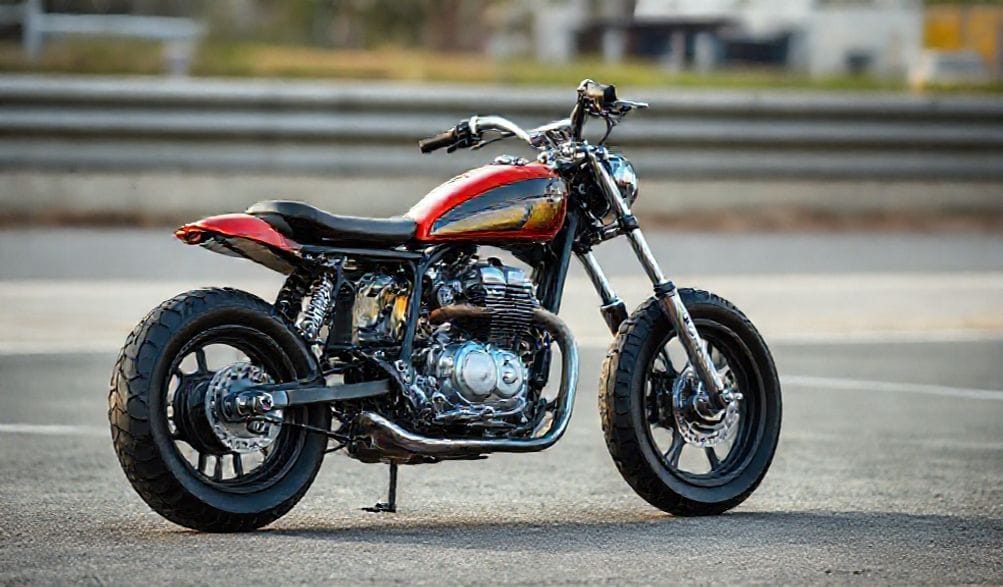
Dragster Mini Bike: Your Complete Guide to High-Performance Fun
The throaty growl of a small engine, the wind in your face, and the feeling of raw power between your knees—it’s a sensation that taps into a deep well of nostalgia and pure, unadulterated fun. For generations, the mini bike has been a rite of passage, a backyard escape, and a mechanical muse. Among these, the dragster mini bike stands apart. With its unmistakable, low-slung silhouette and attitude to match, it promises a unique blend of classic Americana and adrenaline-pumping performance. But this isn’t a child’s toy. It’s a serious piece of machinery that demands respect, knowledge, and a steadfast commitment to safety.
This guide is your definitive resource. Whether you’re a seasoned gearhead looking for your next project, a parent researching a responsible hobby for a mature teen, or a newcomer captivated by the iconic style, we’ve got you covered. Built on a foundation of expert mechanical knowledge, thorough research, and a first-hand understanding of the riding experience, our goal is to empower you with the information needed to make smart, safe, and satisfying decisions in the world of dragster mini bikes. Let’s dive into the anatomy of this powerhouse.
What is a Dragster Mini Bike? Anatomy of a Powerhouse
At its core, a dragster mini bike is a compact, motorized two-wheeler inspired by the aesthetics and spirit of straight-line drag racing motorcycles. It’s a celebration of form following function—or, in many cases, form celebrating a very cool, specific function. Unlike dirt bikes or pit bikes built for jumping and rough terrain, the dragster prioritizes a stable, planted feel on smoother surfaces, with a design that screams speed even when standing still.
Core Design & Aesthetic Features
The dragster look is iconic and immediately recognizable:
* The “Stretched” Frame: The most defining characteristic is the elongated frame. The front wheel is set far forward from the engine and footpegs, creating a long wheelbase. This design, borrowed from top-fuel drag bikes, enhances straight-line stability at higher speeds.
* Low-Slung Stance: These bikes sit low. The seat height is often just a foot or two off the ground, giving the rider a feeling of being “in” the bike rather than on top of it. This low center of gravity aids in handling and contributes massively to the classic hot-rod vibe.
* Ape Hanger or Drag Bars: Handlebars are a key style element. “Ape hangers” rise up high, forcing a relaxed, upright riding position. True “drag bars” are lower and straighter, putting the rider in a more aggressive, forward-leaning stance reminiscent of a drag racer tucked in for a run.
* Engine Placement & Wheels: The engine—typically a mid-sized horizontal-shaft “predator” style—is mounted centrally in the frame, often prominently displayed. Wheels are usually small, ranging from 6-inch to 12-inch diameters, with slick or semi-slick street-style tires being common, though knobby tires for off-road use are also an option.
Key Performance Components
Underneath the cool looks lies a simple but potent mechanical package:
* Engine & Drivetrain: The heart is almost always a 4-stroke, single-cylinder, overhead valve (OHV) engine. Common displacements are 196cc and 212cc, with brands like Harbor Freight’s Predator 212cc being the modern standard due to their affordability, power, and vast aftermarket support. Stock horsepower ranges from 6.5 to 8 HP, but this is just the beginning. Power is typically delivered via a centrifugal clutch or, more commonly on performance models, a Torque Converter (a type of continuously variable transmission). This automatic transmission provides smooth, low-end torque to get moving and allows the engine to rev into its power band efficiently.
* Braking Systems: Safety is paramount. Many budget bikes come with a single mechanical drum brake on the rear wheel. Higher-quality models feature a disc brake on the front wheel, which offers significantly more stopping power and control. A front disc brake is a highly recommended feature for any serious rider.
* Suspension & Frame: The suspension is usually basic but functional. Most models have a spring-only or basic shock absorber in the front forks and a pair of swingarm-mounted shocks in the rear. The frame is typically made of steel tubing. Quality is revealed in the details: look for clean, consistent welds and robust gusseting at stress points, which are hallmarks of a bike built to last.
Choosing the Right Dragster Mini Bike: An Expert Buying Guide
Navigating the market can be tricky, with options ranging from reputable kits to questionable online bargains. Your choice will impact your safety, enjoyment, and wallet.
Assessing Quality & Reputable Brands
Not all mini bikes are created equal. The difference between a quality machine and a dangerous knock-off can be stark.
* Frame & Weld Quality: This is non-negotiable. Inspect the frame welds. They should be clean, consistent, and free of splatter or gaps. Thin, poorly welded tubing can crack under stress.
* Component Brands: Look for known, reliable components. A bike equipped with a Honda GX-clone engine (like a Predator), a Comet-style torque converter, and a reputable carburetor is starting from a good foundation. These parts have widespread support and proven durability.
* Reputable Sources: Brands like Coleman Powersports, Mega Moto, and Baja Motorsports have established reputations. Many enthusiasts also turn to kit providers like Azusa Engineering or buy frame kits to build their own with premium components. Be extremely cautious of no-name brands sold on generic e-commerce sites. Ultra-cheap bikes often cut every corner, using brittle materials, terrible brakes, and unreliable engines, making them unsafe to ride.
New vs. Used & Where to Buy
- New: Buying new from a dealer or direct brand offers peace of mind with a warranty and the knowledge that everything is fresh and unmodified. It’s the simplest path to getting on the road.
- Used: The used market can offer great value but requires diligence. Key inspection points:
- Frame: Check thoroughly for any cracks, bends, or repair welds.
- Engine: Check for smooth starting, good compression (by pulling the starter cord—it should have firm resistance), and no excessive smoke from the exhaust.
- Bearings & Play: Lift the wheels and check for side-to-side play in the wheel bearings and steering head. Wiggle the swingarm to check for rear pivot play.
- Modifications: Ask about any modifications. “Governor removed” is a common one and means the engine has been run at higher-than-stock RPMs, which can affect engine life.
Matching the Bike to Your Skill Level & Size
- Skill Level: A stock 196cc bike is a fantastic starting point for a beginner or younger rider. It provides plenty of thrill without being overwhelming. A 212cc bike, especially with a torque converter, offers more torque and speed and is better suited for experienced riders or larger adults. Never start a complete novice on a modified, high-horsepower bike.
- Ergonomics: You must physically fit the bike. Check the seat height and the reach to the handlebars and controls. You should be able to sit comfortably with your feet easily reaching the pegs and your hands operating the controls without straining. Always check the manufacturer’s stated weight capacity and do not exceed it.
Safety First: Non-Negotiable Practices for Riding
This cannot be overstated: A dragster mini bike is a powerful motor vehicle. Treating it with anything less than full respect invites serious injury.
Essential Safety Gear
This is your personal protective system. Never ride without it.
1. Helmet: A DOT or SNELL-certified full-face helmet is mandatory. It protects your head and your face/chin in a fall.
2. Eye Protection: Goggles or a helmet visor to keep dust, debris, and bugs from blinding you.
3. Gloves: Durable gloves protect your hands from abrasion, vibration, and blisters.
4. Boots: Over-the-ankle boots with good grip are crucial for ankle support and protection. No sneakers.
5. Jacket & Pants: Abrasion-resistant motorcycle gear, or at the very least, a durable denim or leather jacket and heavy-duty pants.
Pre-Ride Inspection Checklist (The “T-CLOCS” Lite)
Before every ride, take two minutes:
* T – Tires & Wheels: Check air pressure. Look for cracks, wear, or embedded debris.
* C – Controls: Ensure throttle moves smoothly and snaps back closed on its own. Check brake and clutch levers for firm operation.
* L – Lights & Cables: (If equipped). Inspect all cables for fraying. Check chain tension and lubrication.
* O – Oil & Fuel: Check engine oil level. Ensure you have enough fresh fuel.
* C – Chassis: Look for any loose nuts, bolts, or fasteners, especially on axles, handlebar clamps, and engine mounts.
* S – Stand: Ensure the kickstand springs back up securely.
Safe Riding Environments & Practices
- Where to Ride: Dragster mini bikes are NOT for public roads, sidewalks, or parks. The only appropriate places are private property with the owner’s explicit permission (like a large backyard, farm, or private track) or designated off-road vehicle (OHV) areas that permit such vehicles. Always verify local rules.
- Riding Techniques: Start in a large, open, empty area.
- Practice smooth, gradual throttle application—don’t just “whack it open.”
- Practice using both brakes smoothly, understanding how the front brake provides most of your stopping power.
- Look where you want to go, especially in turns. Your bike will follow your eyes.
Maintenance & Upkeep: Keeping Your Bike in Peak Condition
Regular maintenance ensures reliability, safety, and longevity. It’s also a rewarding part of the hobby.
Routine Maintenance Schedule
- Break-In (First 5-10 hours): Vary engine speed, avoid full-throttle runs. Change the engine oil after the first 3-5 hours to remove initial metal wear particles.
- Regular (Every 10-20 operating hours or per season):
- Change engine oil.
- Clean or replace the air filter.
- Check and adjust valve lash (clearance) – a critical task for smooth running.
- Lubricate the chain and check/adjust its tension.
- Check tire pressure and brake pad wear.
- Tighten all critical fasteners.
Common Upgrades & Modifications
The aftermarket for 212cc-based bikes is enormous. Warning: Modifications increase performance and risk. They often require mechanical skill.
* Performance: A high-flow air filter and exhaust header are common first steps, often requiring re-jetting the carburetor for proper fuel mixture. Governor removal or bypass is popular but allows the engine to rev beyond its safe factory limit, risking catastrophic engine failure unless internal components (like billet connecting rods and flywheels) are also upgraded. This is expert territory.
* Comfort & Style: Upgraded seats, handlebar grips, and custom paint jobs are great ways to personalize your bike without impacting performance drastically.
Troubleshooting Common Issues
- Won’t Start: Check fuel valve (ON), fresh gas, choke position, and spark plug connection.
- Runs Poorly or Loses Power: Likely a dirty air filter, clogged carburetor jet, or old fuel. Check.
- Brake Squeal: Can indicate glazed pads or a dirty rotor/drum. Clean with brake cleaner (no oil!).
The Legal Landscape: Understanding Regulations
Ignorance of the law is not an excuse. Operating a mini bike irresponsibly can lead to fines, confiscation, and serious liability.
Where Can You Legally Ride?
In almost all jurisdictions, a stock dragster mini bike is not street-legal. It lacks required equipment: headlights, taillights, turn signals, mirrors, a horn, and a certified Vehicle Identification Number (VIN) for registration and insurance. They are explicitly designed and sold for off-road use only. Appropriate venues, as stated, are private property (with permission) and designated OHV trails or parks.
Local Ordinances and Liability
- Noise & Nuisance Laws: Even on private property, your county or city may have noise ordinances. A loud aftermarket exhaust at 10 PM is a fast track to complaints and police visits.
- Liability: If someone is injured while riding your bike, or if the bike causes property damage, you can be held legally and financially responsible. This is especially critical for parents of teen riders. Adult supervision is not just a suggestion; it’s a critical risk-management practice.
FAQ Section
Q: Are dragster mini bikes street legal?
A: Typically, no. They generally lack the required safety equipment (lights, signals, mirrors) and certification (VIN) for on-road registration. They are intended for off-road, private property use.
Q: What age is appropriate for a dragster mini bike?
A: Age is less important than maturity, size, and skill. These are not toys for young children. For teenagers, they can be suitable with constant adult supervision, proper training, and full safety gear. The rider must have the physical strength to control the bike and the mental maturity to understand and respect the risks.
Q: How fast does a dragster mini bike go?
A: A stock bike with a governed 212cc engine typically reaches 20-35 mph. However, with common modifications (governor removal, intake/exhaust), speeds of 50+ mph are easily attainable, which drastically increases the risk and required skill level.
Q: What’s the difference between a mini bike and a pit bike?
A: Pit bikes are essentially small dirt bikes. They have more suspension travel, knobby tires, and an upright riding position for tackling rough, off-road terrain. Dragster mini bikes have a low-slung frame, less suspension, and are optimized for stability on smoother surfaces, prioritizing a classic aesthetic.
Q: Can I make my mini bike street legal?
A: It is extremely difficult, often impossible, and not recommended. The process involves adding a vast array of certified equipment and, more challengingly, getting the frame itself certified by the state, which it was never designed for. The cost and effort almost always exceed the value of the bike. Always check your state’s specific vehicle code, but assume the answer is no.
Conclusion
The dragster mini bike represents a unique slice of motorized fun—a blend of mechanical simplicity, iconic style, and accessible performance. It can provide years of thrilling backyard enjoyment and a deeply satisfying hands-on hobby. However, this fun is inextricably linked to responsibility. By investing in a quality machine, suiting up in proper safety gear without exception, performing diligent maintenance, and riding only in appropriate, legal areas, you lay the groundwork for a safe and rewarding experience.
Remember, the goal isn’t just to go fast; it’s to enjoy the ride, the tinkering, and the culture for the long haul. Prioritize safety over speed, knowledge over assumption, and respect over recklessness. When treated as the serious machine it is, a dragster mini bike offers an unparalleled sense of freedom and fun that keeps the spirit of adventure firmly on two wheels.
METADATA_START—
DISPLAY_TITLE: Dragster Mini Bike: The Ultimate Guide to High-Performance Fun
SEO_TITLE: Dragster Mini Bike Guide 2024 | Buy, Ride & Maintain Safely
META_DESC: Your complete expert guide to dragster mini bikes. Learn how to choose, safely ride, and maintain these high-performance bikes. Essential tips on safety gear, laws, and FAQs.
IMG_PROMPT: A dynamic, wide-angle photograph of a classic red dragster mini bike parked on a concrete driveway, with a blurred background of a garage workshop. The bike’s low-slung frame, ape hanger handlebars, and 212cc Predator engine are clearly visible. A DOT-certified helmet and gloves are resting on the seat, emphasizing safety. The scene is lit with warm, late afternoon sunlight.
—METADATA_END—