
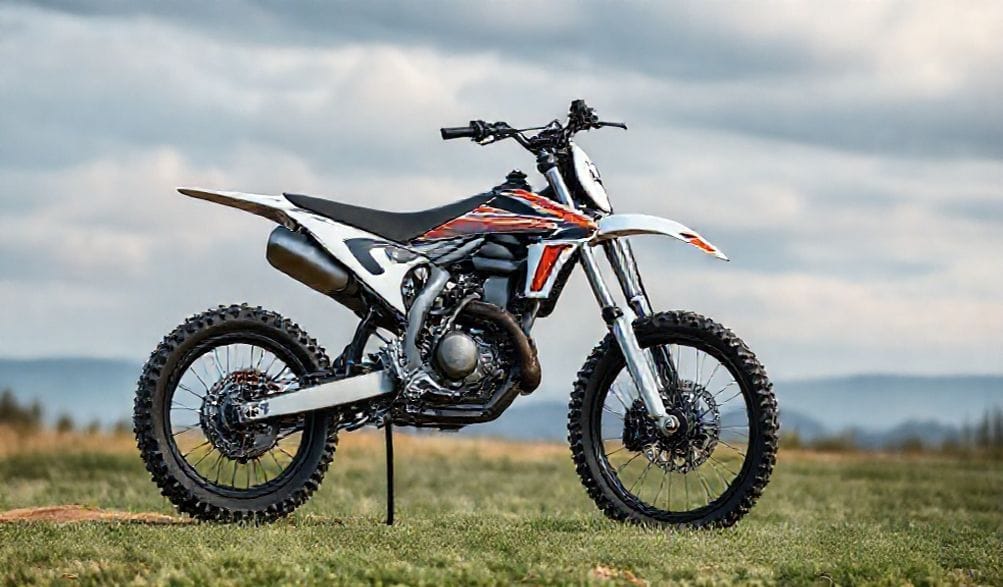
The Ultimate Guide to Electric Motocross Bikes: Performance, Tech & Buying Advice
Introduction
For decades, the visceral roar of a two-stroke and the thunderous crackle of a four-stroke have defined the soul of motocross. It’s a sound synonymous with adrenaline, competition, and raw mechanical power. But a new, quieter revolution is gaining momentum, carving fresh lines on tracks and trails worldwide. The electric motocross bike has evolved from a curious novelty into a formidable performance machine, challenging the very foundations of off-road riding.
Gone are the days of dismissing electric power as weak or novelty-driven. Today’s leading models deliver jaw-dropping torque, championship-level suspension, and a riding experience that is both familiar and radically different. This shift isn’t just about swapping fuel for electrons; it’s redefining aspects of performance, maintenance, accessibility, and the sport’s environmental footprint.
This comprehensive guide is crafted for riders of all stripes—the curious beginner intrigued by the silence, the seasoned vet skeptical of the hype, and the trail enthusiast seeking new freedoms. We’ll move beyond marketing claims to deliver a clear, evidence-based analysis of what it truly means to own and ride an electric motocross bike. We’ll dissect the technology, weigh the tangible benefits against the current limitations, survey the top models, and provide a practical framework for making your decision. Whether you’re considering a switch or simply future-proofing your knowledge, this is your unbiased resource for navigating the ηλεκτρική dirt bike landscape.
1. What is an Electric Motocross Bike?
At its core, an electric motocross (E-MX) bike is a purpose-built off-road motorcycle that replaces the internal combustion engine (ICE) with an electric powertrain. This fundamental shift in propulsion creates a machine that shares the geometry, suspension, and rider ergonomics of a traditional motocross bike but operates on a completely different set of principles.
The key differentiation from street-legal electric motorcycles is focus: E-MX bikes are lightweight, aggressive, and stripped-down for maximum off-road performance, with no concessions for mirrors, lights, or license plates. They are tools for the track, trail, and everything in between.
1.1 Core Technology & How It Works
Understanding the basics demystifies the experience.
- The Powertrain: The system is elegantly simple. A high-voltage battery pack (typically 60V-80V) stores the energy. The controller acts as the bike’s brain, regulating power flow from the battery to the electric motor based on your throttle input. Most high-performance E-MX bikes use a mid-drive motor mounted near the bike’s center, which drives the rear wheel via a chain or belt. This setup optimizes weight distribution and handling.
- Instant Torque & Power Delivery: This is the electric bike’s party trick. An electric motor delivers 100% of its available torque the instant you twist the throttle, from 0 RPM. There’s no clutch to slip, no powerband to wait for—just immediate, linear, and massive thrust. This transforms acceleration out of corners and over obstacles.
- Regenerative Braking: Many models feature regen braking. When you close the throttle or apply the brakes, the motor temporarily acts as a generator, converting kinetic energy back into electricity to top up the battery. This provides a subtle engine-braking effect, useful for managing speed on descents and slightly extending range.
1.2 Electric MX vs. Gas-Powered MX: A Fundamental Comparison
- The Sound & Sensory Experience: The most obvious difference. The deafening roar is replaced by a futuristic whir and the amplified sounds of tires gripping dirt and suspension working. This heightens your connection to the terrain but removes the auditory feedback many riders use to gauge RPM.
- Power Curve & Riding Technique: A gas bike has a narrow, peaky powerband managed by the clutch. An electric motocross bike offers a flat, linear torque curve. This simplifies power application but demands refined throttle control. Techniques like clutch-popping to lift the front wheel are replaced by precise throttle modulation. Cornering and jumping feel different but can become more intuitive.
- Heat & Performance Consistency: Gas bikes lose power as engines overheat in tight trails or on hot days. Electric motors run remarkably cool and consistent. However, extreme performance can heat the battery and controller, which may trigger power reduction to protect components—a trade-off for their consistent output.
2. Evaluating the Key Benefits of Electric Motocross
The advantages of E-MX are not just theoretical; they are felt immediately by riders and supported by engineering.
2.1 Performance Advantages
- Instantaneous Throttle Response: The elimination of mechanical lag provides a tangible competitive edge. Power is available now, making it easier to clear unexpected obstacles, correct mistakes mid-air, and rocket out of berms. It can make technical, slow-speed sections less daunting.
- Lower Center of Gravity: The dense battery pack is mounted low in the frame, often where the gas tank and engine used to be. This dramatically lowers the bike’s center of gravity, resulting in a feel that is more planted, easier to flick side-to-side, and more confidence-inspiring in ruts and whoops.
- Simplified Maintenance: This is a game-changer for many. You eliminate an entire universe of ICE maintenance: no engine oil changes, air filter service, spark plug replacements, coolant flushes, valve adjustments, or top-end rebuilds. Maintenance shifts to the chassis (fork seals, linkage bearings, brake pads) and basic electrical system checks.
2.2 Practical & Environmental Perks
- Ride Anywhere, Anytime: The drastically reduced noise pollution is a social and practical superpower. It opens up riding opportunities in noise-sensitive areas, allows for early morning or late evening sessions without disturbing neighbors, and reduces the risk of land closures due to complaints.
- At-Home “Refueling”: Simply plug the bike into a standard wall outlet or a dedicated charger in your garage. No more storing volatile fuel, last-minute gas station runs, or transporting fuel cans. For daily riders or those with home tracks, the convenience is unparalleled.
- Reduced Operating Costs: Electricity is far cheaper than premium unleaded fuel. Combined with the drastic reduction in routine maintenance parts (oil, filters, plugs), the cost per ride plummets. While not free to run, the ongoing expenses are significantly lower.
3. Addressing the Real Challenges & Considerations
An honest assessment is crucial. Electric motocross technology is advancing fast, but it has real-world constraints.
3.1 Range and Ride Time
This is the most common concern, and for good reason.
* Understanding Battery Capacity: Range is measured in kilowatt-hours (kWh), not gallons. A larger kWh number means more energy storage. For motocross, think in terms of ride time rather than distance. Most performance E-MX bikes offer 1-2 hours of aggressive track riding, which is enough for several practice sessions but requires planning on race day.
* Παράγοντες που Μειώνουν την Αυτονομία: Η επιθετική οδήγηση (συνεχής απότομη επιτάχυνση), η ανάβαση απότομων ανηφόρων, το μαλακό έδαφος και οι χαμηλές θερμοκρασίες μειώνουν όλες την αυτονομία. Η οδήγηση σαν επαγγελματίας θα αποφορτίσει την μπαταρία πολύ πιο γρήγορα από έναν χαλαρό ρυθμό σε μονοπάτι.
* Λογιστική Φόρτισης στη Πίστα: Αυτό είναι το κρίσιμο παζλ. Μια πλήρης φόρτιση σε μια τυπική πρίζα 110V μπορεί να διαρκέσει 6-12 ώρες. Για να οδηγήσετε σε πολλαπλά σκέλεις, χρειάζεστε έναν φορτιστή Level 2 240V (2-4 ώρες) και πρόσβαση σε πηγή ρεύματος στη πίστα. Φορητοί γεννήτριες ή σταθμοί φόρτισης στην πίστα γίνονται μέρος του εργαλειοθήκης του E-MX.
3.2 Κόστος Αγοράς και Αξία μακροπρόθεσμα
- Σύγκριση Τιμών: Επί του παρόντος, ένα κορυφαίου επιπέδου electric motocross bike ηλεκτρικό μοτοσυκλέτα έχει σημαντική ακρίβεια σε σύγκριση με μια συγκρίσιμη βενζινοκίνητη, συχνά 50-100% περισσότερη. Πληρώνετε για την τελευταία λέξη της τεχνολογίας μπαταριών και ηλεκτρονικών ισχύος.
- Κύκλος Ζωής & Αντικατάσταση Μπαταρίας: Οι μπαταρίες λιθίου-ιόντων υποβαθμίζονται με το χρόνο και τους κύκλους φόρτισης. Μια υψηλής ποιότητας μπαταρία θα πρέπει να διατηρεί ~80% της χωρητικότητάς της μετά από 500-1000 πλήρεις κύκλους (αρκετά χρόνια τακτικής χρήσης). Ωστόσο, το κόστος αντικατάστασης είναι υψηλό (συχνά $2.000-$5.000), κάνοντας την εγγύηση της μπαταρίας ένα βασικό μέρος της απόφασης αγοράς.
- Αξία Επανπώλησης & Εξέλιξη της Αγοράς: Η δευτερογενής αγορά για μοτοσυκλέτες E-MX είναι νεογέννητη και ασταθής. Καθώς η τεχνολογία βελτιώνεται ραγδαία, παλαιότερα μοντέλα μπορεί να αποτιμώνται πιο γρήγορα από τις καθιερωμένες βενζινοκίνητες. Αυτός είναι ο κίνδυνος του να είσαι από τους πρώτους που υιοθετούν μια νέα τεχνολογία.
4. Κορυφαίες Ηλεκτρικές Μοτοσυκλέτες Motocross στην Αγορά (2024)
Η αγορά επεκτείνεται ραγδαία. Ορίστε μια στιγμιότυπ.
4.1 For the Competitive Racer
- Stark VARG: The current benchmark. With a claimed 80 hp, 80+ customizable power maps via an app, and a weight rivaling 250cc MX bikes, it’s a serious pro-level machine. Its adoption by top riders has proven its capability.
- Cake Kalk OR: A Swedish marvel focused on precision and agility. Its minimalist design, carbon fiber components, and direct-drive motor offer a uniquely sharp and connected feel, ideal for technical tracks.
4.2 For the Trail & Enduro Enthusiast
- Sur-Ron Light Bee X: The “gateway drug” of electric dirt biking. Incredibly popular due to its low price, high modifiability, and playful power. More of a lightweight trail/play bike than a full-size MX weapon, but immensely capable and fun.
- KTM Freeride E-XC: From a legacy manufacturer, this bike offers familiar KTM ergonomics and quality for enduro use. It’s less powerful than dedicated MX models but excels in technical single-track where its quiet operation and instant torque shine.
4.3 For Beginners & Younger Riders
- Segway Dirt eBike Xyber: Offers a more accessible entry point with lower power modes, a manageable seat height, and a robust design. A great tool for learning fundamentals without the intimidation of a loud, powerful gas bike.
5. Your Buying Guide: How to Choose the Right E-MX Bike
Follow this framework to match a bike to your needs.
5.1 Assessing Your Riding Profile
- Primary Use Case: Be honest. Is it for 30-minute motos at the track, all-day trail exploration, or backyard fun? This dictates needed range and suspension.
- Skill Level: Don’t over-bike yourself. Many electric bikes have adjustable power modes. Start lower and grow into the capability.
- Typical Ride Duration: If your standard ride is 2+ hours, range becomes your top priority. For shorter, intense sessions, peak power may be more important.
5.2 Key Specifications to Scrutinize
- Motor Power & Torque: Look at continuous power (kW) for sustained output and torque (Nm) for that instant shove. High torque numbers define the E-MX feel.
- Battery Capacity & Voltage: Capacity (kWh) = range. Higher voltage systems (e.g., 80V vs. 60V) generally deliver power more efficiently and with less heat.
- Suspension, Brakes & Chassis: Never compromise here. Quality inverted forks, a linkage rear shock, and strong brakes are as vital on an electric bike as on a gas bike. This is where budget models often cut corners.
5.3 Test Ride Essentials and Final Checks
- What to Feel For: Focus on throttle modulation—is it smooth or jerky? Feel the weight distribution in corners. Ensure the ergonomics fit your body.
- Questions for the Dealer: Get clear details on the battery warranty (years and capacity retention guarantee). Ask about service support, software update processes, and recommended charger options.
6. The Future of Electric Motocross
The trajectory is clear and accelerating.
6.1 Technological Innovations on the Horizon
- Solid-State Batteries: The next leap. They promise higher energy density (more range), faster charging, improved safety, and longer lifecycles, potentially solving today’s biggest limitations.
- Advanced Power Management: AI-driven software that automatically adjusts power delivery based on terrain, rider style, and remaining charge for optimal performance and efficiency.
- Lightweight Materials: Wider use of carbon fiber, advanced alloys, and new battery packaging to continue shaving weight and improving power-to-weight ratios.
6.2 The Changing Landscape of the Sport
- New Competition Formats: Silent racing allows events in new venues. It also changes the spectator dynamic, placing more focus on rider skill and line choice.
- Mainstream Adoption: As prices fall and range improves, electric options will become the default for new riders and an increasingly common sight for all. Major manufacturers are all developing platforms.
- Infrastructure Development: Expect to see charging stations become a standard amenity at major motocross tracks and trailhead networks, just like RV hookups are today.
Frequently Asked Questions (FAQ)
Q: How long does it really take to charge an electric motocross bike?
A: Charge time varies dramatically. Using a standard household outlet (Level 1, 110V), a full charge can take 6-12 hours. With a dedicated 240V Level 2 charger (often purchased separately), this can be reduced to 2-4 hours. True DC fast charging is rare in current models but may become standard.
Q: Can I ride an electric motocross bike in the rain or through water?
A: Most quality electric MX bikes have high IP ratings for water and dust resistance (e.g., IP65), meaning they can handle heavy rain, puddles, and deep mud. However, submerging the bike is not recommended. Always consult your specific owner’s manual for the manufacturer’s guidelines on water exposure.
Q: Are electric motocross bikes actually better for the environment?
A: They produce zero tailpipe emissions, drastically reducing local air pollution and noise pollution. Their overall environmental footprint depends on the source of the electricity used to charge them (renewable vs. fossil fuels) and the lifecycle management of the lithium-ion battery. They are a significant step towards reducing the sport’s direct environmental impact.
Q: Is the maintenance really that much easier?
A: Yes, in several key areas. You eliminate all maintenance related to the combustion process: no engine oil, filters, spark plugs, valve adjustments, or exhaust repacking. Primary maintenance focuses on the chassis (suspension, bearings, brakes), tires, and keeping the battery and electrical connections clean and dry. The drivetrain itself is vastly simpler.
Q: Will an electric bike make me a faster rider?
A: It can change your technique. The instant torque can help in certain situations, like clearing obstacles or accelerating out of corners. However, overall speed depends on rider skill, bike setup, and suspension. The learning curve involves managing throttle control without a clutch and adapting to the different power delivery.
Συμπέρασμα
Το electric motocross bike has firmly arrived, transitioning from a futuristic concept to a present-day performance reality. It offers a uniquely thrilling and refined riding experience defined by silent, instant power, reduced mechanical hassle, and the liberating ability to ride in more places at more times. The visceral scream of a two-stroke will always have its place, but the electric whir represents a compelling new chapter.
The decision to go electric is a personal calculus, weighing its transformative benefits against current limitations like range logistics and upfront cost. For the tech-embracing rider, the trail access advocate, or the simply maintenance-weary enthusiast, the trade-offs are increasingly worthwhile.
As battery technology leaps forward and the market matures, the electric motocross bike is poised to move from alternative to mainstream, reshaping the culture, accessibility, and very sound of off-road riding. The most important step you can take? Seek out a demo or test ride. Twist the throttle, feel the silent surge of torque, and let that experience be your ultimate guide.
METADATA_START—
DISPLAY_TITLE: The Ultimate Guide to Electric Motocross Bikes (2024): Performance, Tech & Buying Advice
SEO_TITLE: Electric Motocross Bike Guide 2024: Reviews, Benefits & How to Choose
META_DESC: Considering an electric motocross bike? Our ultimate 2024 guide covers performance vs. gas, top models like Stark VARG, real-world range, costs, and how to choose. Read before you buy.
IMG_PROMPT: A dynamic, high-action shot of a modern electric motocross bike, like a Stark VARG, mid-air over a jump on a sun-drenched motocross track. The rider is in full gear, the bike is sleek and futuristic, with no exhaust pipe. The background is blurred, emphasizing speed and power, with a focus on the bike’s clean, mechanical details.
—METADATA_END—