
The Ultimate Guide to E-Moto Electric Bicycles: Power, Performance, & Pedal-Assist
If you’ve found yourself searching for an “e moto electric bicycle,” you’re likely looking at pictures of rugged, aggressive machines that look more like dirt bikes than traditional bicycles. You’re curious, maybe a bit excited, but also wondering: What exactly is this thing? Is it a legal e-bike? Where can I ride it? Is it right for me?
You’ve come to the right place. Drawing on years of experience in the cycling industry, countless technical reviews, and direct feedback from riders, this guide is designed to be your comprehensive, trustworthy resource. We’ll cut through the marketing jargon to explain what an E-Moto e-bike truly is, explore its formidable benefits, address the critical considerations, and provide a clear roadmap for choosing the right model. Welcome to the thrilling, powerful, and sometimes confusing world of electric moto bicycles.
What is an E-Moto Electric Bicycle? Defining the Hybrid
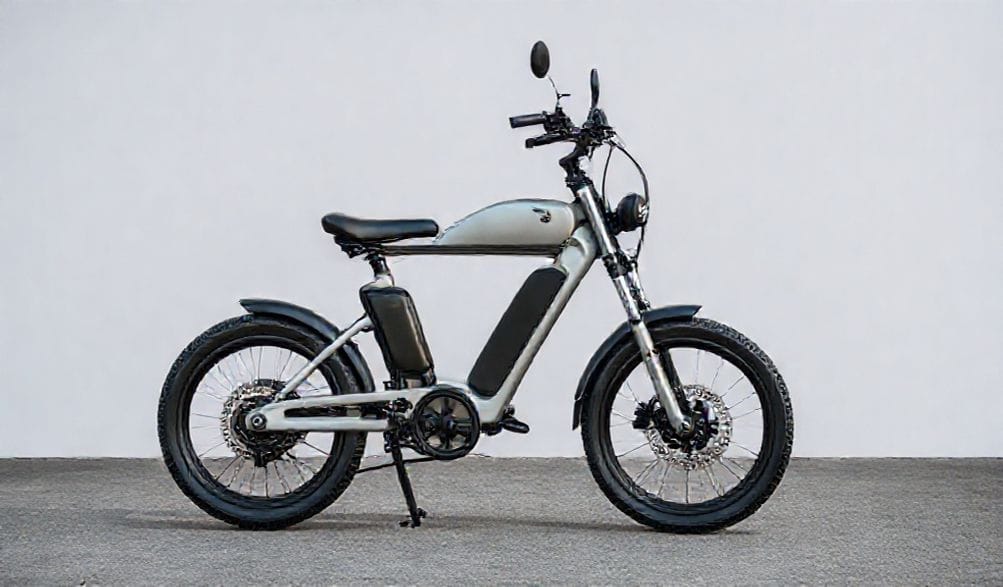
At its core, an E-Moto electric bicycle is a distinct subcategory of e-bike that prioritizes motorcycle-inspired aesthetics, high-output power, and off-road capability. It’s a hybrid machine designed to deliver the visceral thrill and rugged performance of a motocross bike while (crucially) operating within the legal and accessible framework of a pedal-assist bicycle. Think of it as the bridge between a mountain bike and an ηλεκτρική μοτοσυκλέτα.
Beyond the Standard E-Bike: Design & Philosophy
The difference between an E-Moto and a standard commuter or trail e-bike is immediately visible and deeply philosophical. While a typical e-bike aims for integration—hiding the battery, maintaining a classic bicycle silhouette—the E-Moto embraces a bold, industrial aesthetic. The design ethos is one of capability and attitude: long-travel suspension forks, motocross-style handlebars and grips, oversized knobby tires, and frames built with aggressive geometry. The battery is often a prominent, sculpted block, and the overall stance is wide, low, and ready for action. This isn’t just about getting from A to B; it’s about conquering the terrain in between with power and style.
Key Components of an E-Moto E-Bike
The aggressive look is backed by serious hardware. Understanding these components is key to understanding the E-Moto’s capability:
- High-Output Motor: Typically ranging from 750W to 1500W (or more), these are high-torque beasts. Mid-drive motors are often preferred for their superior torque delivery, efficient power use, and better weight distribution, though powerful hub motors are also common. This is the heart of the “moto” experience.
- Large-Capacity Battery: To feed that hungry motor, E-Motos are equipped with high-voltage (48V or 52V is standard), high-amp-hour batteries. This combination results in a high watt-hour (Wh) rating, which is the true measure of potential range and sustained power output.
- Full-Suspension System: Most serious E-Moto models feature both front and rear suspension with significant travel (120mm+). This is essential for absorbing impacts at higher speeds on rough trails and providing control and comfort.
- Robust Braking & Tires: Hydraulic disc brakes with large rotors are non-negotiable for controlling the increased weight and speed. The tires are wide, knobby, and often moto-inspired, providing the grip needed for dirt, sand, and loose surfaces.
Classifying Your Ride: Understanding E-Bike Laws
This is the most critical section for any prospective buyer. The power of an E-Moto electric bicycle exists in a legal gray area that varies dramatically by location. In the United States, the widely referenced framework is the three-class system:
- Class 1: Pedal-assist only, no throttle, with a maximum assisted speed of 20 mph.
- Class 2: Throttle-assisted, with a maximum motor-powered speed of 20 mph.
- Class 3: Pedal-assist only, no throttle, with a maximum assisted speed of 20 mph.
Many E-Moto models are sold as Κλάση 3 e-bikes. However, some models with motors exceeding 750W or capable of speeds over 28 mph may be classified by local authorities as “off-road only” vehicles, mopeds, or even motorcycles. The onus is entirely on the rider to know and follow local regulations. This includes checking state/province laws και municipal ordinances regarding where you can ride (public roads, bike lanes, multi-use paths, and public trails). Ignorance isn’t an excuse and can lead to fines or confiscation. A trustworthy seller will be transparent about these classifications.
Core Benefits of Choosing an E-Moto E-Bike
So why choose an E-Moto over a traditional e-MTB or commuter? The advantages are tangible and transformative for the right rider.
Conquer Any Terrain: Unmatched Off-Road Performance
This is the E-Moto’s raison d’être. The combination of high torque, sophisticated suspension, and aggressive tires allows you to tackle terrain that would stall a lesser e-bike. Steep, technical hill climbs become manageable. Sandy washes, root-filled trails, and rocky descents are handled with confidence and control. The power doesn’t just help you go faster; it helps you navigate more challenging landscapes with less fatigue.
Power and Range for Extended Adventures
The substantial motor and battery package translates directly into two things: effortless power και extended range. Hills that would demand your lowest gear and maximum effort on a acoustic bike are subdued with a twist of the throttle or a gentle pedal stroke. The larger battery capacity means you can plan longer rides—20 to 60+ miles depending on conditions—without range anxiety. This opens up possibilities for backcountry exploration, all-day trail adventures, or simply commuting without needing a charge at every destination.
Motorcycle Thrills, Bicycle Accessibility
Let’s address the emotional appeal. The E-Moto electric bicycle delivers a visceral, adrenaline-pumping experience reminiscent of riding a dirt bike. The acceleration, the sound of the motor (often enhanced with a subtle whine or hum), and the commanding riding position create a unique sense of excitement. Yet, it does this while (typically) avoiding the need for a motorcycle license, registration, insurance, and expensive fuel. It’s a gateway to motorized adventure with significantly lower barriers to entry and operational cost.
Critical Considerations Before You Buy
An honest guide must present a balanced view. The E-Moto is a phenomenal tool, but it’s not for every person or every situation.
Primary Use Case: Trail, Commute, or Both?
Be brutally honest with yourself about how you’ll use the bike 80% of the time.
* Aggressive Trail Riding: If singletrack and mountain bike parks are your goal, an E-Moto is a perfect fit. Prioritize full suspension, maximum torque, and knobby tires.
* Urban Commuting: For city streets, the E-Moto’s weight, aggressive geometry, and often non-compliant tires can be a drawback. The attention it draws may not be welcome. A Class 3 commuter e-bike might be more practical and comfortable.
* Mixed Use (Fire Roads, Light Trails, Pavement): Many E-Motos excel here. Look for models with slightly less aggressive tread patterns and consider a suspension lockout for efficiency on pavement.
The Investment: Understanding Cost and Value
Quality comes at a price. Expect to invest anywhere from $2,500 for an entry-level model to well over $6,000 for a premium brand with top-tier components. This cost reflects the expensive battery cells, powerful motor systems, durable suspension components, and robust frame construction. While it’s a significant outlay, it’s crucial to view it as an investment in performance, safety, and longevity. Cutting corners on an ultra-cheap, no-name E-Moto often leads to poor performance, safety issues, and a complete lack of customer support.
Practicalities: Weight, Maintenance, and Storage
The “downsides” are primarily practical:
* Weight: These are heavy machines, often weighing 70 to 100 pounds. Lifting one onto a car rack or carrying it up stairs is a serious workout. You’ll need a robust, rated bike rack.
* Maintenance: The high-torque motors and complex suspension systems can demand more specialized maintenance than a simple city bike. Find a local shop familiar with high-power e-bikes before you buy.
* Storage & Security: Their size, weight, and high value make them a target for theft. You’ll need secure, indoor storage and a high-quality, heavy-duty lock (or two) for any public stops.
How to Choose the Right E-Moto E-Bike: A Buyer’s Checklist
Armed with the knowledge above, use this checklist to evaluate specific models.
Motor and Battery Specs Decoded
Don’t just look at wattage. Dig deeper:
* Motor Type & Torque: A mid-drive motor (in the bike’s bottom bracket) typically offers better hill-climbing torque and handling. Look for torque ratings in Newton-meters (Nm); 80 Nm+ is good for serious off-road, with many E-Motos offering 100+ Nm.
* Battery Capacity: Look for Watt-hours (Wh), calculated as Voltage (V) x Amp-hours (Ah). This is your energy tank. 500Wh is a common starting point, with 700Wh+ being ideal for long adventures. Higher voltage (52V) systems often provide better performance than 48V.
Frame, Suspension, and Build Quality
- Frame Material: Aluminum is the standard for its strength, durability, and value. Carbon fiber is rare and expensive in this category.
- Suspension Travel: Measured in millimeters (mm). 120-140mm of front travel is common for trail-focused bikes; 150mm+ indicates a more aggressive, downhill-capable machine. Match the travel to your intended terrain.
- Brand Reputation & Warranty: Stick with established brands that offer clear warranties on the frame, motor, and battery (often 2-5 years). Research their customer service reputation. A cheap bike with no support is a very expensive paperweight.
Test Ride and Brand Reputation Research
This is non-negotiable. Always test ride if possible. Feel how the bike handles, assess the comfort of the riding position, and test the power delivery. Does it feel stable? Does the suspension soak up bumps? How intuitive are the controls?
Supplement this by reading independent reviews from reputable cycling publications and user forums. Look for patterns in feedback—recurring praise or complaints are telling. A brand with a strong community and responsive support is worth its weight in gold.
Frequently Asked Questions (FAQ) About E-Moto E-Bikes
Q: Do I need a license or insurance for an E-Moto e-bike?
A: Typically, no—if it is sold and configured as a legal pedal-assist electric bicycle meeting your local class definitions (usually capped at 750W-1000W and 20-28 mph). However, some very high-power models may be classified by authorities as mopeds or motorcycles, which would require licensing, registration, and insurance. This varies drastically. You must verify the specific rules with your state/province and local authorities before riding on public land.
Q: How far can I ride on a single charge?
A: Range varies immensely (anywhere from 20 to 60+ miles) based on battery size (Wh), terrain, rider weight, wind, tire pressure, and most importantly, the level of assist or throttle use. Manufacturer claims are often based on ideal conditions. A more reliable estimate is to take the battery’s Wh rating and divide by an average of 15-20 Wh per mile for moderate assist on mixed terrain. A 750Wh battery, therefore, might realistically deliver 35-50 miles.
Q: Are E-Moto e-bikes good for beginners?
A: They can be, due to their stability and the confidence-inspiring power that helps overcome obstacles. However, their significant weight, higher potential speeds, and aggressive geometry also demand respect and caution. A beginner should absolutely start in a safe, open area, use the lowest assist levels initially to get a feel for the bike’s handling, and always wear appropriate safety gear (helmet, gloves, etc.).
Q: Can I use these on public bike paths?
A: This is entirely dependent on your local laws. In many areas, Class 1 and Class 2 e-bikes are permitted on public bike paths and multi-use trails. Κλάση 3 e-bikes are often restricted from these paths and may be limited to roads or bike lanes. High-power models sold as “off-road” are almost never allowed on public paved paths. Knowing, understanding, and following your local laws is the fundamental responsibility of every e-bike rider.
Συμπέρασμα
The E-Moto electric bicycle represents a powerful and exciting evolution in personal electric mobility. It fills a unique niche for the rider who craves off-road capability, motorcycle-inspired performance, and extended adventure range, all within the accessible framework of an e-bike. It’s a machine that can transform your relationship with the trails and open up new landscapes.
Your journey to owning one, however, must be grounded in responsibility. Let this guide be your foundation. Prioritize understanding your local laws to ensure you ride legally and safely. Match your choice rigorously to your primary use case and be realistic about the practicalities of ownership. Set a budget that allows for quality and support.
Finally, get out and ride. Visit reputable dealers, take test rides, and feel the power for yourself. When chosen wisely and ridden responsibly, an E-Moto isn’t just a purchase—it’s a ticket to a whole new kind of two-wheeled freedom.
METADATA_START—
DISPLAY_TITLE: The Ultimate Guide to E-Moto Electric Bicycles: Power, Performance & Pedal-Assist
SEO_TITLE: E-Moto Electric Bicycle Guide 2024: Buyers Tips & Top Models
META_DESC: What is an E-Moto electric bicycle? Our ultimate guide covers benefits, laws, key specs, and how to choose the right high-power e-bike for off-road trails and adventure.
IMG_PROMPT: A dynamic, professional photograph of a rider on a rugged, black and orange E-Moto electric bicycle conquering a dusty mountain trail at sunset, showcasing its full-suspension, knobby tires, and aggressive styling. The rider is wearing a helmet and protective gear, with the bike’s LED headlight cutting through the low light.
—METADATA_END—