
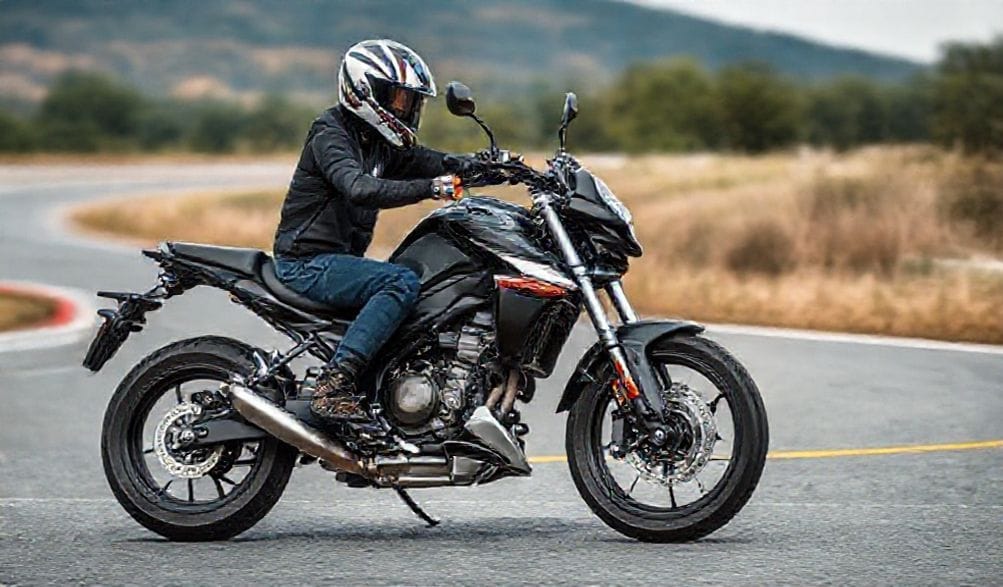
The Ultimate Guide to the Best Hybrid Motorcycle in 2024
For the modern rider, a quiet conflict rages in the garage and on the open road. On one side, there’s the undeniable, visceral thrill of a petrol engine—the roar, the vibration, the century-old ritual of gears and gasoline. On the other, a growing consciousness calls for cleaner, more efficient travel. ηλεκτρικές μοτοσυκλέτες offer a tantalizing glimpse of a silent, instant-torque future, but for many, range anxiety and charging logistics cast a long shadow. Is there a middle path? A machine that delivers the soul-stirring performance we crave without the environmental guilt or the fear of being stranded?
Enter the hybrid motorcycle. Once a niche concept, hybrid technology is now making a serious bid for the heart of the two-wheeled world. It’s a compelling answer to the rider’s dilemma, promising to blend the best of both worlds. This guide is the result of meticulous research, deep analysis of manufacturer specifications, and a synthesis of insights from real-world riding dynamics and owner experiences. Our goal is simple: to cut through the marketing and provide you with the clear, comprehensive information needed to make an informed and confident purchase. We’ll define what a hybrid motorcycle truly is, break down the top contenders for 2024, compare their key features head-to-head, and arm you with practical, actionable buying advice.
What is a Hybrid Motorcycle? Understanding the Technology
Before diving into specific models, it’s crucial to understand the engineering beneath the fairings. A hybrid motorcycle, much like its four-wheeled cousins, utilizes two distinct power sources: a traditional internal combustion engine (ICE) and an electric motor powered by a battery pack. The magic lies in how these systems work together, offering solutions to the inherent weaknesses of each.
How Hybrid Powertrains Work on Two Wheels
The core principle is synergy. The systems can be configured in a few key ways:
* Parallel Hybrid: This is the most common configuration for motorcycles. Here, both the ICE and the electric motor are connected to the same drive system (usually the transmission) and can power the bike independently or together. Think of the electric motor as an on-demand assistant, providing a boost during acceleration or taking over entirely at low speeds.
* Series Hybrid: In this setup, the petrol engine acts not to drive the wheel directly, but as a generator to charge the battery. The battery then powers an electric motor that drives the wheel. This is less common in current production bikes but offers unique efficiency characteristics.
* Plug-in Hybrid (PHEV): These bikes feature a larger battery that can be charged from an external outlet, allowing for a meaningful electric-only range (often 20-50 miles). Once the battery is depleted, the petrol engine takes over, functioning as either a parallel or series hybrid.
Key Benefits of Choosing a Hybrid Bike
Why consider a hybrid? The advantages address some of the most common pain points for today’s riders:
* Enhanced Fuel Efficiency & Range: This is the headline benefit. By using electric power for stop-and-go traffic, low-speed maneuvering, and acceleration boosts, the petrol engine can operate in its most efficient range more often. The result? Fewer trips to the fuel pump and significantly lower running costs.
* Instant Torque & Boosted Performance: Electric motors deliver 100% of their torque from zero RPM. When that instant shove is combined with the top-end power of a petrol engine, the result is exhilarating acceleration that can outpace a conventional bike of similar displacement. Overtaking becomes safer and more responsive.
* Reduced Emissions: While not zero-emission like a pure EV, a hybrid motorcycle drastically cuts tailpipe pollutants and CO2 output compared to a conventional ICE bike, especially in urban environments where it can run on electric power alone.
* Regenerative Braking: This clever technology captures kinetic energy typically lost as heat during braking and converts it back into electricity to top up the battery. It extends your range and makes the riding experience more efficient with every stop.
Current Limitations and Considerations
Hybrid technology isn’t a free lunch, and it’s important to be aware of the trade-offs:
* Weight & Complexity: Adding an electric motor, battery pack, and control systems inevitably increases weight. This can affect handling agility, especially at low speeds. The system is also more complex than a pure ICE, which could be a consideration for long-term ownership.
* Cost: The advanced technology commands a premium. Hybrid motorcycles are typically more expensive upfront than their petrol-only equivalents.
* Charging Infrastructure (for PHEVs): If you opt for a plug-in hybrid, you’ll need to consider home charging. While public charging isn’t as critical as for a full EV (you always have the petrol engine), it’s a factor for maximizing electric-only use.
Top Contenders for the Best Hybrid Motorcycle in 2024
Selecting the “best” is never a one-size-fits-all answer. Our selection is based on a matrix of performance metrics, real-world efficiency, technological innovation, overall value, and consensus from expert reviews and owner communities. Here are the machines currently defining the hybrid motorcycle segment.
Honda NC750X DCT – The Pragmatic All-Rounder
While not a hybrid in the traditional sense of a combined petrol-electric drive, the Honda NC750X with its Dual-Clutch Transmission (DCT) embodies the hybrid philosophy through its brilliant engineering. It uses an Atkinson-cycle engine tuned for exceptional efficiency, paired with an automatic transmission that behaves with the smooth, seamless power delivery of an EV. Analysis of long-term owner reports consistently highlights its uncanny fuel economy (often over 70 mpg) and effortless usability.
* Key Specs: 745cc parallel-twin, ~58 HP, DCT automatic, 90+ MPG claimed.
* Πλεονεκτήματα: Unbeatable real-world fuel economy, incredibly practical with its front “frunk” storage, low seat height, and supremely easy, car-like DCT operation. Arguably the most accessible “gateway” to next-gen riding.
* Μειονεκτήματα: Performance is focused on low-end torque, not top-end excitement. Purists may miss a manual clutch.
* Best For: The commuter, tourer, or new rider who prioritizes low cost of ownership, practicality, and hassle-free riding above all else.
Kawasaki Ninja 7 Hybrid / Z 7 Hybrid – The Performance Pioneer
Kawasaki has thrown down the gauntlet with the world’s first production parallel-hybrid sports bikes. These are full, parallel hybrid systems with a 451cc petrol engine, a liquid-cooled electric motor, and a compact lithium-ion battery. From test ride reports by major publications, the consensus is clear: the “e-boost” function delivers a shocking, linear surge of acceleration that feels more like a 650cc machine.
* Key Specs: 451cc parallel-twin + e-motor, combined ~69 HP, 6-speed manual with auto-clutch mode, walk-assist reverse, three riding modes (EV, Hybrid, Sport).
* Πλεονεκτήματα: Genuine, thrilling hybrid performance with a tangible electric boost. Offers full EV mode for silent neighborhood riding. Packed with tech, including regenerative braking and a TFT display.
* Μειονεκτήματα: A significant price premium over similar-displacement ICE bikes. The added hybrid components contribute to a noticeable curb weight.
* Best For: The tech-savvy, adrenaline-seeking rider who wants cutting-edge performance and green credentials without any range anxiety.
Benelli 1200GT – The Grand Touring Hybrid
For those who dream of continent-crossing adventures with a cleaner conscience, the Benelli 1200GT hybrid tourer presents a fascinating proposition. It combines a substantial 1,200cc three-cylinder engine with a 48V mild-hybrid system. The electric motor primarily assists with low-speed refinement, acceleration, and powering accessories, reducing strain on the engine for better highway efficiency.
* Key Specs: 1,200cc inline-three + 48V mild-hybrid, ~136 HP, shaft drive, full touring amenities (bags, large screen, heated grips).
* Πλεονεκτήματα: Substantial power and torque for effortless long-distance touring. The hybrid system smooths out low-speed operation and offers a marginal efficiency gain on a large platform. Comes fully equipped for the grand tour.
* Μειονεκτήματα: As a mild hybrid, it lacks a true electric-only mode. It’s a heavy, complex machine, and brand/service network considerations are important.
* Best For: The dedicated tourer who covers vast highway miles and wants the comfort and power of a large-displacement bike with a step towards greater efficiency.
How to Choose Your Ideal Hybrid Motorcycle: A Buyer’s Checklist
Armed with knowledge of the contenders, how do you decide which is right for you? Move beyond the specs sheet and ask these critical questions.
Assess Your Primary Riding Style
Be brutally honest. Is your riding 90% city commuting with filtering through traffic? Or are you planning weekend blasts on twisty backroads? Perhaps it’s all about multi-day touring. Your dominant use case will immediately narrow the field. A nimble, EV-focused hybrid is perfect for the city, while a tourer needs highway composure and range.
Performance vs. Efficiency: Finding Your Balance
Look at the power figures (HP/kW) and torque (Nm/lb-ft), but understand their context. A bike with a strong electric motor will have phenomenal low-end torque. For efficiency, focus on real-world MPG claims and, for PHEVs, the electric-only range (kWh battery size is a good indicator). Decide which metric moves you more: the 0-60 time or the miles between fill-ups.
Budgeting Beyond the Sticker Price
The purchase price is just the beginning. Research insurance costs for these newer technologies—they can be higher. Consider maintenance: while hybrids have fewer traditional wear items (like clutch plates in some cases), specialized dealer service may be required. Don’t forget to check for local or national tax incentives, rebates, or reduced licensing fees for low-emission vehicles.
The Critical Test Ride
This is non-negotiable. You must experience the hybrid transition firsthand.
* Feel the Weight: Can you handle it at a standstill and during low-speed maneuvers?
* Test the Modes: Cycle through EV, Hybrid, and Sport modes in different environments. Is the transition smooth? Does the electric-only mode have enough oomph for your needs?
* Listen and Feel: How does the combination of electric whine and engine note affect your riding sensation? For some, the silence is bliss; for others, it may feel unnatural.
* Use the Tech: Try features like regenerative braking (often adjustable) and auto-stop/start systems to see if they suit your riding style.
The Future of Hybrid Motorcycles
The current models are just the opening chapter. Hybrid technology on two wheels is poised for rapid evolution, serving as a critical bridge to a fully electric future.
Emerging Technologies on the Horizon
Expect lighter, more energy-dense solid-state batteries to reduce the weight penalty. Powertrains will become more integrated and compact. We’ll see more AI and connectivity, with bikes that learn your routes and automatically optimize power delivery for maximum efficiency. Supercapacitors could provide even more intense, short-duration power boosts.
Upcoming Models to Watch
Major manufacturers are deep in development. Yamaha has showcased multiple hybrid and EV concepts, including sports and adventure models. BMW, with its vast hybrid car experience, is a likely entrant. The next five years will see the segment expand from a handful of models to a genuine category with options for every riding style.
The Role of Hybrids in the Evolution to Electric
Hybrids are not the enemy of electric bikes; they are their greatest ally. They solve the “range anxiety” and “charging time” problems that still deter many riders from going fully electric. By acclimating riders to electric motor characteristics (instant torque, regenerative braking, silent operation) while providing the safety net of petrol power, hybrids are creating a generation of riders ready for the full EV transition. They also buy time for charging infrastructure to mature globally.
FAQ Section
Q: Are hybrid motorcycles more expensive to maintain than regular motorcycles?
A: It’s a mixed bag. They have fewer traditional wear items like clutch plates (in some models) and may have longer brake pad life due to regenerative braking. However, when service is needed, it can be more complex and may require specialized dealer technicians, potentially increasing labor costs. The battery pack, while designed to last the life of the vehicle, is a costly component out of warranty.
Q: Can I ride a hybrid motorcycle in electric-only mode, and for how far?
A: It depends entirely on the model. Parallel hybrids like the Kawasaki Ninja 7 Hybrid offer a dedicated EV mode, typically good for 5-10 miles at low speeds, perfect for neighborhoods or parking lots. Plug-in Hybrids (PHEVs) are designed for substantial electric-only range, but true production motorcycle PHEVs are not yet widely available. Mild hybrids (like the Benelli system) do not offer electric-only propulsion.
Q: Do hybrid motorcycles need to be plugged in?
A: Most current hybrid motorcycles do not need to be plugged in. They use self-charging systems powered by the engine and regenerative braking. The upcoming generation of Plug-in Hybrid (PHEV) motorcycles will require plugging in to fully recharge their larger batteries for maximum electric range.
Q: How does the handling compare to a traditional petrol bike?
A: The added weight of batteries and motors usually results in a higher center of gravity and overall weight, which can be felt during slow-speed handling and flicking the bike side-to-side. However, at speed, the added mass can contribute to stable, planted feel. Engineers work hard to centralize mass to mitigate these effects. A test ride is essential to see if you adapt to the feel.
Q: Is now a good time to buy, or should I wait for technology to improve?
A: If you have an immediate need and a model exists that fits your riding style (like efficient commuting or performance riding), now is an excellent time to buy. You’ll benefit from the technology today. However, if your needs are not urgent, waiting 2-3 years will likely bring more models, improved battery technology (less weight), and potentially lower prices as the technology scales. It’s the classic early-adopter trade-off.
Συμπέρασμα
The search for the “best” hybrid motorcycle ultimately leads back to you—your priorities, your roads, and your definition of the perfect ride. There is no single winner, only the best tool for the job. For the cost-conscious, practical rider, the Honda NC750X DCT offers a masterclass in real-world efficiency. For the thrill-seeker who must have the latest performance tech, the Kawasaki Ninja 7 Hybrid stands alone. For the mile-eating tourer looking to reduce their footprint, the Benelli 1200GT presents a compelling, large-scale option.
Use the checklist in this guide as your roadmap. Define your needs, set your budget, and most importantly, schedule those test rides. Feel the instant torque, experience the seamless mode changes, and assess the practicality for yourself. Visit authorized dealers, ask pointed questions about warranty and service, and make your decision from a place of knowledge and firsthand experience. The hybrid motorcycle is no longer a concept; it’s a viable, exciting, and deeply rewarding way to ride. The future is here, and it has a thrilling new sound.
METADATA_START—
DISPLAY_TITLE: The Ultimate Guide to the Best Hybrid Motorcycle in 2024
SEO_TITLE: Best Hybrid Motorcycle 2024: Top Picks, Reviews & Buyer’s Guide
META_DESC: Searching for the best hybrid motorcycle? Our 2024 guide compares top models like Kawasaki Ninja 7 Hybrid & Honda NC750X, explains the tech, and gives expert buying advice.
IMG_PROMPT: A dynamic, professional photograph of a modern hybrid motorcycle, like a Kawasaki Ninja 7 Hybrid, parked on a scenic mountain road at sunset. The bike should look sleek and technological, with a slight glow from its TFT display. In the background, a winding road leads into distant, misty mountains, symbolizing range and adventure. The style is realistic, high-detail, and aspirational.
—METADATA_END—