
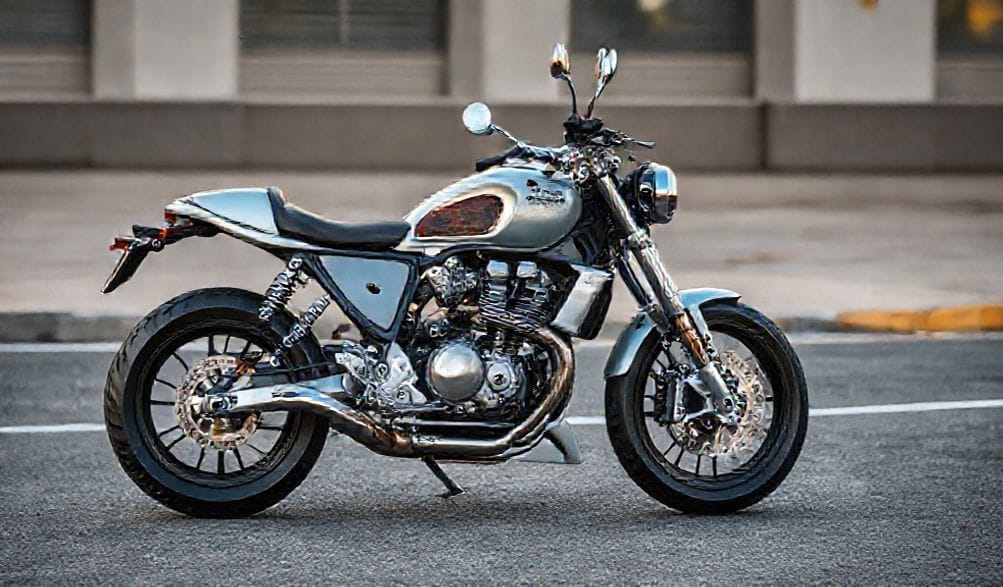
Sur-Ron Street Legal Kit: Your Complete Guide to On-Road Riding
Για Sur-Ron Light Bee X and LBX owners, the thrill of electric riding doesn’t have to be confined to private trails. The raw torque, near-silent operation, and agile handling are joys that many dream of taking from the dirt path to the city street. A “street legal kit” is the essential bridge that transforms your powerful off-road electric bike into a registered, plated, and road-legal machine. However, this transformation is far more than just bolting on a set of lights. It’s a journey through a maze of regulations, hardware choices, and bureaucratic processes.
This comprehensive guide will navigate you through the complex world of making your Sur-Ron compliant, focusing on the trifecta of safety, legality, and practicality. We combine thorough research, product analysis, and clear procedural advice to help you make informed decisions and, more importantly, understand the significant responsibilities that come with on-road riding. The goal isn’t just to get a license plate—it’s to become a legitimate, safe, and responsible road user.
Understanding Street Legal Requirements for Electric Bikes
Before you purchase a single component, you must understand what you’re trying to achieve. “Street legal” is not a universal standard or a simple product label. It is a set of specific requirements defined by law, and these laws vary dramatically by jurisdiction. Assuming that a kit marketed as “legal” will automatically make your bike legal in your area is the first and most common mistake.
Core Federal & State Equipment Mandates
At its heart, making a vehicle street-legal is about making it safe to operate in traffic and identifiable to authorities. While states differ, the following equipment is almost universally required for any motorized vehicle on public roads:
- Lighting Systems: This is the most visible part of any kit. You need a functioning headlight with both high and low beams (often with specific luminosity requirements), a taillight, a dedicated brake light that illuminates upon braking, and turn signals (front and rear) with proper amber or red lenses. These lights must be permanently mounted at regulated heights and distances.
- Audible Warning Device: A horn or other audible warning device meeting specific decibel levels is mandatory. The stock Sur-Ron “beeper” does not qualify.
- Mirrors: At least one rearview mirror is required, with the left-side mirror being the standard minimum. Many states require two mirrors (left and right) for a motorcycle classification.
- Tires: This is a critical and often overlooked component. Off-road, knobby tires are essential for grip. On-road, they are dangerous and illegal. You must install DOT (Department of Transportation)-approved tires that are specifically designed and tested for on-road use, with adequate tread depth.
- Identification: A Vehicle Identification Number (VIN) is required for registration, titling, and insurance. Your Sur-Ron has a VIN on its frame, which is tied to its Manufacturer’s Certificate of Origin (MCO).
The Critical Role of Local DMV & Law Enforcement
This is the most important section of your research. Your local Department of Motor Vehicles (DMV) and the police officers on patrol enforce state vehicle codes, not the marketing copy on a kit manufacturer’s website.
- Why State & County Laws Trump All: A kit can be brilliantly engineered, but if it doesn’t satisfy the exact wording of your state’s code regarding mirror size, light distance, or tire specifications, it will fail inspection. Always research your specific state’s laws for the vehicle class you are targeting (e.g., “motor-driven cycle,” “moped”).
- Classifying Your Sur-Ron: Your entire process hinges on this classification. States will evaluate your Sur-Ron’s power (often based on wattage or top speed), and sometimes its design, to slot it into a category:
- Moped/Motorized Bicycle: Typically for lower-speed vehicles (e.g., under 30 mph). May only require a standard driver’s license, simpler registration, and less insurance.
- Motor-Driven Cycle/Motorcycle: For higher-speed vehicles. Will almost certainly require a motorcycle license endorsement, full registration, and higher insurance coverage.
Success means understanding which class you can realistically achieve and ensuring your kit and documentation support that classification.
Anatomy of a Quality Sur-Ron Street Legal Kit
A proper street legal kit is more than a box of parts; it’s a integrated system designed for safety, reliability, and compliance. Avoid piecemeal solutions, as they often lead to wiring nightmares and inspection failures.
Essential Hardware Components
- Lighting Harness & Control Switch: The backbone of the system. A high-quality, plug-and-play wiring harness integrates with the Sur-Ron’s existing electrical system without requiring you to cut or splice factory wires. This should connect to a handlebar-mounted control switch that intuitively manages headlight (high/low beam), turn signals (with self-canceling or manual cancel), horn, and running lights.
- DOT-Compliant Lighting Assembly: This includes:
- Headlight: A bright LED unit with a defined high and low beam pattern, often integrated with front turn signals.
- Taillight/Brake Light Assembly: A robust, waterproof unit that functions as both a running light and a brighter brake light. It should include mounting for rear turn signals.
- Turn Signals: Amber front and red or amber rear signals that are of a minimum size and brightness, with clear “on” and “off” states.
- Supporting Components: A loud, waterproof electric horn; sturdy, vibration-resistant mirrors that provide a clear rear view; and specific recommendations for compatible DOT-approved tire models that fit the Sur-Ron’s wheels.
The Often-Overlooked: Paperwork & Documentation
You can have the best hardware in the world, but without the correct paperwork, your bike will never be registered. This is non-negotiable.
- Manufacturer’s Certificate of Origin (MCO/MSO): This is the “birth certificate” of your Sur-Ron. It proves ownership, contains the VIN, and describes the vehicle. Crucially, it must not state “For Off-Road Use Only” in a prominent, unchallengeable way. You must have received this document from your dealer when you purchased the bike. If you lost it, you must contact your dealer or Sur-Ron for a duplicate—a difficult process.
- Bill of Sale: A receipt showing your purchase of both the Sur-Ron and the street legal kit. This establishes value for tax purposes.
- Kit Manufacturer’s Compliance Statement: Reputable kit providers often include a document stating that their kit’s components are designed to meet the Federal Motor Vehicle Safety Standards (FMVSS) applicable to the intended vehicle class (e.g., for a motorcycle or motor-driven cycle). This can be helpful during inspection.
Step-by-Step: The Path to Getting Plated
This is your procedural roadmap. Treat it as a general guide, and always confirm each step with your local DMV or law enforcement office before you begin.
Phase 1: Preparation & Kit Installation
- Research & Kit Selection: Start by calling your insurance provider to see if they will insure a converted Sur-Ron. Then, call your local DMV and ask: “What is the process to register a converted electric motorcycle for on-road use?” Take notes. Use their answers to choose a kit known for quality, good customer support, and compatibility with your state’s rules.
- Professional Installation vs. DIY: If you are mechanically inclined and can follow wiring diagrams, a DIY installation is feasible with a good plug-and-play kit. If the thought of electrical work is daunting, hiring a professional motorcycle mechanic is a wise investment. A clean, safe, and reliable installation is crucial for both passing inspection and your long-term safety.
- Gathering Your Documents: Locate your MCO, original bill of sale for the bike, and your driver’s license. Have these ready before you engage with the DMV.
Phase 2: Navigating the Bureaucracy
- The Inspection Process: Most states require a physical inspection. This could be performed by a DMV agent, a local police officer, or a state-licensed inspection station. They will verify the presence and operation of all required equipment (lights, horn, mirrors, tires, brake light) against a checklist. Ensure everything works perfectly before this appointment.
- Title, Registration, and Insurance: After passing inspection, you will submit the inspection certificate, your MCO, bill of sale, and application forms to the DMV. You will pay title and registration fees, along with any applicable sales tax. You must have proof of insurance for the specific vehicle class before you can complete registration in most states.
- Common Pitfalls to Avoid:
- Paperwork: Missing MCO, “Off-Road Only” MCO, incomplete forms.
- Equipment: Non-DOT tires (the #1 hardware failure), improperly aimed headlights (blinding oncoming traffic), non-working turn signals, insufficiently loud horn.
- Process: Trying to register without insurance, or not having an appointment for an inspection.
Living with a Street-Legal Sur-Ron: Responsibilities & Realities
Getting the plate is the beginning, not the end. Being street legal is an ongoing commitment with real-world implications for your riding.
Licensing, Insurance, and Ongoing Compliance
- Rider’s License Requirements: You will need, at minimum, a standard driver’s license. If your Sur-Ron is classified as a motorcycle, you will need to obtain a motorcycle learner’s permit and pass both a written test and a riding skills test to get the “M” endorsement on your license.
- Insurance Necessity: Liability insurance is mandatory to protect others if you cause an accident. Comprehensive and collision coverage is highly recommended to protect your investment. Standard auto insurers may be hesitant; seek out specialty insurers familiar with electric motorcycles, mopeds, or “high-value e-bikes.”
- Annual Renewals and Safety Checks: Be prepared for annual registration renewals. Some states or counties also require periodic safety re-inspections (e.g., every two years).
Performance and Practicality Considerations
- On-Road vs. Off-Road Performance: DOT street tires provide less grip on loose dirt but offer superior handling, cornering stability, and braking on pavement. The added weight of the lighting kit is minimal but noticeable.
- Range and Charging for Commuting: Your on-road range will differ from off-road. Consistent higher speeds, stop-and-go traffic, and the use of lights will consume more battery. Plan your commute accordingly. Remember, most Sur-Rons use a proprietary charger, so public J1772 or CCS charging stations are not an option without expensive adapters.
- Safety Gear is Non-Negotiable: On the trail, a fall might mean bruises. On the road, it means collision with vehicles. A DOT or ECE-certified full-face helmet, armored motorcycle jacket, gloves, and over-ankle boots are essential, not optional. Consider riding pants and armor as well.
Frequently Asked Questions (FAQ)
Q: Is it truly possible to make a Sur-Ron 100% street legal?
A: Yes, but success is highly dependent on your specific state and county laws. The process involves installing a comprehensive kit, possessing the correct documentation (especially the MCO), and successfully navigating your local DMV’s inspection and titling process. There is no universal guarantee, as some states or individual DMV offices may be more restrictive than others.
Q: What is the single biggest reason people get denied at the DMV?
A: Insufficient or incorrect paperwork, particularly a missing or “off-road only” Manufacturer’s Certificate of Origin (MCO). The hardware is fixable, but without the proper title documentation, you cannot proceed. The second biggest reason is non-DOT tires.
Q: Can I just add lights and ride on the road?
A: Absolutely not. Riding an unregistered, uninsured vehicle on public roads is illegal, dangerous, and can result in hefty fines, bike impoundment, and devastating personal liability in the event of an accident. Full legalization is the only responsible and legal path.
Q: How much does the entire process cost?
A: Costs vary widely based on kit quality, state fees, and insurance:
* Street Legal Kit: $300 – $800+
* DOT Tires & Installation: $150 – $400
* DMV Fees (Title, Registration, Tax): $100 – $500+
* Insurance: $200 – $800+ annually
* Professional Installation (optional): $200 – $500
Total Estimated Cost: $750 – $3,000+
Q: Will making it street legal void my Sur-Ron warranty?
A: Modifying the electrical system could void the warranty on affected components. Always check Sur-Ron’s official warranty terms. Using a high-quality, plug-and-play kit that minimizes permanent modifications and doesn’t overload the electrical system is the best way to preserve as much of the factory warranty as possible.
Συμπέρασμα
Transforming your Sur-Ron Light Bee with a street legal kit opens up a new world of commuting and on-road exploration, but it is a serious undertaking that requires diligence, patience, and a respect for the law. The journey hinges on three pillars: a high-quality, complete hardware kit, το correct factory documentation (your MCO), and patience with your local DMV’s specific process.
Prioritize safety and full compliance over shortcuts. The goal is to become a legitimate road user, not just to avoid a ticket. By thoroughly researching your state’s laws, choosing reputable components, and embracing the ongoing responsibilities of licensing, insurance, and safe riding gear, you can legally enjoy the unique and thrilling freedom of a street-legal electric Sur-Ron. Your first and most important step is not buying a kit—it’s picking up the phone and calling your local DMV.
METADATA_START—
DISPLAY_TITLE: Sur-Ron Street Legal Kit: The Ultimate Guide to On-Road Riding
SEO_TITLE: Sur-Ron Street Legal Kit Guide | How to Make Your Light Bee Road Legal
META_DESC: Complete guide to making your Sur-Ron Light Bee street legal. Learn about kit requirements, DMV process, costs, and legal responsibilities for on-road riding.
IMG_PROMPT: A Sur-Ron Light Bee X equipped with a full street legal kit—featuring a bright LED headlight, front and rear turn signals, mirrors, and DOT street tires—parked on a city street at dusk, with its lights illuminated and a visible license plate on the rear.
—METADATA_END—