
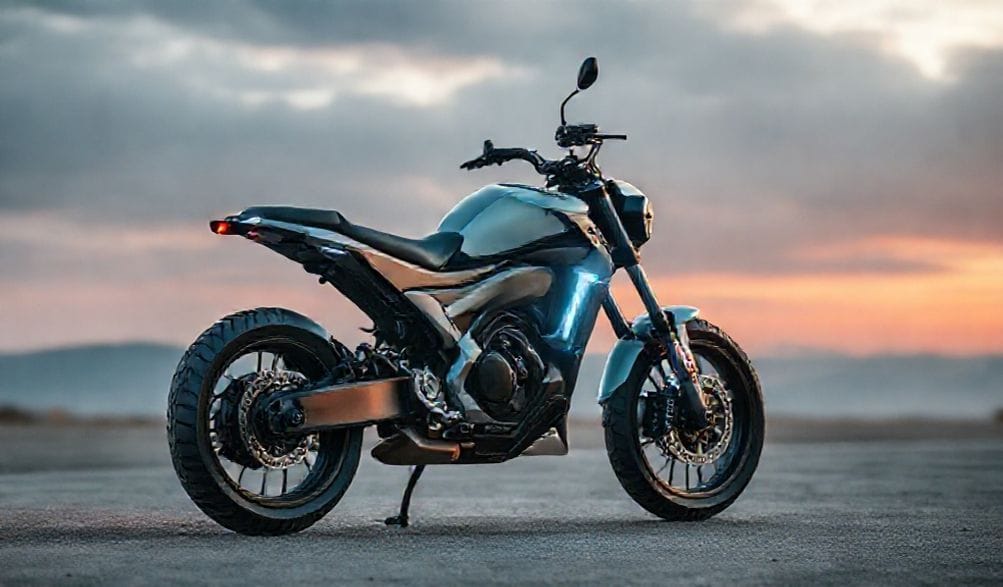
The Ultimate Guide to Electric Adventure Motorcycles: Capability, Range & Off-Road Freedom
The call of the open trail is timeless, but the machine answering that call is undergoing a silent revolution. For decades, adventure riding has been synonymous with the distinctive thrum of a gasoline engine—a soundtrack to exploration. Today, a new breed of explorer is emerging, drawn not just to distant horizons but to a more sustainable, immersive way of reaching them. The electric adventure motorcycle, or electric ADV motorcycle, is no longer a futuristic concept; it’s a tangible, thrilling reality parked in dealerships and carving its own path through the wilderness.
But can it truly handle adventure? As riders with countless miles on both traditional and electric steeds, we’ve grappled with the same questions you have. Is the trade-off of silence for range a worthy one? What does “capability” mean when the powerplant has no clutch? This guide cuts through the hype and the skepticism to provide a comprehensive, honest look at the state of the electric ADV motorcycle. We’ll dissect their unique advantages, confront their current limitations with real-world data, tour the key models defining the market, and equip you with the logistical know-how to plan an electric expedition. Whether you’re a curious traditionalist or an early adopter ready to plug in, this is your map to the electrified frontier.
What Defines an Electric Adventure Motorcycle (e-ADV)?
An adventure motorcycle is more than just a dirt bike with luggage. It’s a specific tool built for a specific job: competent, long-distance travel over varied and often unpredictable terrain. Translating this DNA to an electric platform requires more than just strapping a battery to a frame. A true electric ADV motorcycle must first and foremost be a capable adventure bike.
Core Design Philosophy: Beyond the Battery
The fundamentals of adventure design are non-negotiable, regardless of propulsion:
* Suspension & Clearance: Long-travel suspension (often 7+ inches) and generous ground clearance (8+ inches) to absorb impacts and clear obstacles.
* Ergonomics: An upright, commanding riding position for visibility and control, with a seat designed for all-day comfort.
* Durability & Protection: Robust crash bars, skid plates, and handguards to withstand tip-overs and debris.
* Luggage & Utility: Strong subframes and mounting points for panniers, top boxes, and tank bags to carry gear for multi-day trips.
* Wheels & Tires: Typically a 21-inch front and 18-inch rear wheel combo, shod with blocky, dual-sport tires for a blend of on-road stability and off-road grip.
The best electric ADV motorcycles integrate their battery packs and motors into this framework, ensuring the added weight is centralized low in the chassis to preserve handling, rather than being an afterthought.
The Electric ADV Advantage: Instant Torque & Silent Exploration
This is where the electric equation changes the game. The benefits extend far beyond zero emissions:
* Instant, Linear Torque: From 0 RPM, 100% of the motor’s torque is available. This translates to sublime, controllable power for climbing technical hills, navigating rocky sections, or powering out of sandy corners without stalling or clutch modulation. It’s tractable power in its purest form.
* The Sound of Silence: Riding an electric ADV motorcycle through a forest or canyon is a profoundly different experience. The absence of engine noise heightens your other senses—you hear the crunch of gravel, the rush of a river, and the call of wildlife. It reduces noise pollution in the natural spaces we seek to explore.
* Reduced Mechanical Complexity & Heat: Fewer moving parts mean drastically reduced routine maintenance. No oil changes, air filters, spark plugs, or valve adjustments. There’s also no scorching engine or exhaust to contend with on tight trails, a boon for rider comfort.
* Programmable Performance: Most e-ADVs offer customizable riding modes (Eco, Sport, Canyon, etc.) that alter power delivery, regenerative braking strength, and top speed with the tap of a screen, allowing you to tailor the bike’s character to the terrain and your remaining range.
Understanding the Key Trade-off: Range vs. Adventure
We must address the elephant in the room with honesty: energy management is the new central skill of adventure riding. The primary challenge is range anxiety, particularly when venturing off-grid.
* Claimed vs. Real-World Range: A manufacturer’s “city” or “combined” range figure is a best-case scenario, often conducted at low, steady speeds. The moment you add highway miles, headwinds, elevation gain, rider weight, and luggage, that number plummets.
* The Energy Cost of Adventure: High speeds on pavement are the biggest drain. However, slow, technical off-road riding can also be demanding due to constant acceleration and the use of traction control systems. Planning a trip on an electric ADV motorcycle requires a fundamental shift from “Where’s the next gas station?” to “What’s my energy budget, and where can I replenish it?”
Top Electric Adventure Motorcycle Models Reviewed (2024)
The electric ADV motorcycle landscape is evolving rapidly. Here’s a look at three distinct models that define the current spectrum of capability.
Zero DSR/X: The Established, Tech-Focused All-Rounder
Zero has been a pioneer, and the DSR/X is their flagship adventure tourer.
* Key Specs: 100 hp / 166 lb-ft torque. Claimed Range: 180 miles city / 85 mph highway. Weight: 544 lbs. Price: ~$24,000.
* Strengths for Adventure: Boasts a comprehensive accessory ecosystem from Zero and aftermarket companies (luggage, crash bars, heated grips). Features advanced tech like Bluetooth connectivity, app-based customization, and a “Cypher III+” operating system. Excellent weather protection with a large fairing and windshield.
* Considerations: Its weight is noticeable on very technical single-track. Off-grid charging is limited to standard Level 1 (wall outlet) speeds unless you can find a Level 2 destination charger.
Energica Experia: The Touring-Focused Electric Grand Tourer
Hailing from Italy’s MotoE racing pedigree, the Experia prioritizes long-distance comfort and rapid charging.
* Key Specs: 102 hp / 85 lb-ft torque. Claimed Range: 160 miles city / 130 miles mixed. Weight: 573 lbs. Price: ~$26,000.
* Strengths: The only electric ADV motorcycle currently offering true DC Fast Charging (CCS Combo), capable of adding 80% charge in about 40 minutes. Superb touring amenities: a plush seat, excellent wind protection, and standard hard panniers. Refined, powerful performance.
* Considerations: It is the heaviest contender, making serious off-road work a challenge for all but the strongest riders. Its focus is decidedly tilted toward paved and improved gravel-road touring.
Cake Kalk OR: The Lightweight & Agile Off-Road Purist
From Sweden, Cake redefines the category with a minimalist, performance-oriented machine built for the dirt.
* Key Specs: 11 hp / 42 lb-ft torque (but extremely lightweight). Claimed Range: ~3 hours of trail riding. Weight: 176 lbs. Price: ~$14,000.
* Strengths: An incredibly lightweight and flickable machine that feels like a modern enduro bike. Exceptional suspension and ground clearance for hardcore off-road use. Simple, durable, and minimalist design.
* Considerations: Its limited power and top speed make it impractical for long highway stints. Street legality varies heavily by region. Range is measured in trail hours, not miles, suited for day trips or shuttle-assisted adventures.
Comparison Table: Quick Model Overview
| Model | Approx. Price | Power (hp) | Claimed Range (Mixed) | Weight (lbs) | Key Strength |
| :— | :— | :— | :— | :— | :— |
| Zero DSR/X | $24,000 | 100 | ~130 mi | 544 | Tech Integration & Accessory Ecosystem |
| Energica Experia | $26,000 | 102 | 130 mi | 573 | DC Fast Charging & Touring Comfort |
| Cake Kalk OR | $14,000 | 11 | ~3 hrs trail | 176 | Extreme Off-Road Agility & Light Weight |
Planning Your Electric Adventure: Range, Charging & Logistics
Adventure is what happens outside the plan, but with an electric ADV motorcycle, a solid plan is your best companion. Success hinges on intelligent energy management.
Calculating Real-World Range: It’s Not Just the Spec Sheet
Forget the manufacturer’s “combined” number for serious planning. To estimate a safe, realistic range:
1. Identify Your Dominant Riding Mode: Will it be 65 mph highway, twisty backroads, or slow forest trails?
2. Apply the Rule-of-Thumb: For highway-dominated trips, plan for 60-70% of the claimed highway range. For mixed riding, 70-80% of the combined range is a safer bet.
3. Factor in the Drains: Each of these reduces range:
* Speed: Aerodynamic drag increases exponentially. 75 mph uses significantly more energy than 65 mph.
* Elevation Gain: Climbing a mountain pass consumes energy you won’t fully recoup on the descent via regen.
* Payload: Rider, gear, and luggage add weight the motor must move.
* Terrain & Wind: Soft sand/mud and strong headwinds are major consumers.
The Charging Ecosystem: From Outlets to Fast Chargers
Understanding your charging options is crucial:
* Level 1 (AC, 120V): A standard household outlet. Slow (3-5 miles of range per hour). Essential for overnight stops at campsites, cabins, or friendly outlets. Always carry a heavy-duty, weatherproof extension cord.
* Level 2 (AC, 240V): Like a home dryer or public destination charger. Moderate (25-80 miles of range per hour). These are gold mines at hotels, restaurants, or trailhead parking lots. Apps like PlugShare are indispensable for finding them.
* DC Fast Charging (DCFC): High-power stations along highways. Very Fast (80% charge in 20-50 minutes). Currently, only the Energica Experia supports this standard (CCS), but it’s the key to covering long distances in a day.
Essential Gear for the e-ADV Rider
Your toolkit expands beyond wrenches:
* Portable Power: A foldable solar panel (200W+) can trickle-charge your bike at camp, a game-changer for multi-day remote trips. Carry a J1772 (Level 2) extension cable if you have access.
* Power Monitoring: Use your bike’s onboard computer religiously, and consider a GPS unit or app that can track energy consumption and overlay charging stations on your route.
* Traditional Tools Remain Vital: You may not need an oil filter wrench, but you still need tire repair kits, a pump, levers, and basic tools for adjusting controls or repairing luggage mounts. Self-sufficiency is still the adventurer’s creed.
The Future of Electric Adventure Riding
The current state of the electric ADV motorcycle is impressive, but the horizon promises to dissolve its biggest limitations.
Battery Technology on the Horizon: Solid-State & Beyond
The next leap will come from battery chemistry itself. Solid-state batteries promise:
* Higher Energy Density: More range from a similarly sized (or smaller, lighter) pack.
* Faster Charging: Potential to accept ultra-fast charging without degrading battery life.
* Improved Safety & Longevity: More stable chemistry and longer cycle life.
Swappable Battery Networks: A Game Changer for Remote Travel?
Imagine pulling into a remote outpost and swapping your depleted battery for a fresh one in minutes, much like a propane tank exchange. Companies like Gogoro have proven this model in urban Asia. For adventure riding, standardized, swappable battery packs could enable true indefinite travel in supported regions, turning range from a fixed limit into a logistical puzzle with a simple solution.
How Infrastructure is Expanding to Meet Adventurers
The network is growing intentionally. We’re seeing charging stations strategically placed at:
* Gateway Towns to national parks and forests.
* Adventure Lodges and Campgrounds, which are marketing EV charging as an amenity.
* Trailheads for popular off-highway vehicle (OHV) areas.
This targeted expansion is slowly weaving a safety net for the electric explorer.
Frequently Asked Questions (FAQ)
Q: How far can I really go on a single charge with an electric adventure bike?
A: It varies dramatically based on the bike, your speed, and the terrain. A lightweight bike like the Cake on trails might go 40-50 miles. A heavyweight tourer like the Energica on the highway could see 100-120 miles. For realistic planning, refer to the “Calculating Real-World Range” section and always plan a safe buffer.
Q: Can I charge an electric motorcycle in the wilderness?
A: Yes, with careful planning. Your primary tool will be a standard 120V wall outlet (Level 1). This requires finding power at campsites, ranger stations, or friendly establishments. Portable solar panels can provide a crucial trickle charge at camp to extend your stay or reach the next outlet.
Q: Are electric adventure motorcycles more expensive to maintain than gas bikes?
A: Typically lower routine costs, but a higher potential long-term cost. You’ll save significantly on oil, filters, coolant, and valve adjustments. However, the battery pack is a major cost component. Reputable manufacturers offer long battery warranties (often 5 years), but eventual replacement outside warranty is a consideration. Always review the specific manufacturer’s warranty details.
Q: Is the riding experience very different from a gas-powered ADV?
A: The adventure spirit is the same; the sensation is different. The instant, silent surge of torque is addictive and incredibly useful off-road. The lack of gears and clutch simplifies technical riding. Regenerative braking can feel like engine braking. Many riders find the quietness creates a deeper, more meditative connection to the landscape.
Q: What is the biggest drawback of an e-ADV today?
A: The combined challenge of range and recharge time in truly remote, unsupported environments. While perfect for weekend adventures and planned tours with known charging stops, spontaneous, continent-spanning expeditions across regions with sparse infrastructure remain a significant hurdle. This is the final frontier for the technology to conquer.
Conclusion
The electric adventure motorcycle is not a compromised alternative; it’s a different path to the same destination. It offers a thrilling, sustainable, and uniquely serene way to explore, trading the familiar roar of combustion for the whisper of wind and the hum of a motor. The advantages—instant torque, silent operation, and low maintenance—are profound and tangible. The primary challenge—energy management—requires a more mindful, planned approach to adventure, turning logistics into part of the journey itself.
For many riders, current models like the Zero DSR/X or Energica Experia are already perfectly capable of handling weekend getaways, curated backroad tours, and even ambitious off-grid trips with the right preparation. The choice ultimately depends on your personal adventure calculus. Does the promise of silent exploration and effortless power outweigh the need for spontaneous, fuel-stop-independent global circumnavigation?
The best advice is to experience it firsthand. Seek out a demo ride. Feel the torque, savor the quiet, and assess the interface. The technology is advancing at a breathtaking pace. The dream of a lightweight, long-range, rugged electric ADV motorcycle capable of circling the globe is not a fantasy—it’s an inevitability that gets closer with every passing season. The electric frontier is open, and it’s waiting to be explored.
Have you ridden an electric adventure bike? What questions do you still have about making the switch? Share your thoughts and experiences in the comments below.
METADATA_START—
DISPLAY_TITLE: The Ultimate Guide to Electric Adventure Motorcycles (2024)
SEO_TITLE: Electric ADV Motorcycles: The Complete Guide to Range, Models & Off-Roading
META_DESC: Can an electric adventure motorcycle handle real off-road travel? Our in-depth guide covers e-ADV capability, real-world range, top models like Zero & Energica, and essential planning tips.
IMG_PROMPT: A sleek, modern electric adventure motorcycle parked on a rocky mountain trail at sunrise, with panniers attached, overlooking a vast wilderness landscape, photorealistic, dynamic lighting
—METADATA_END—