
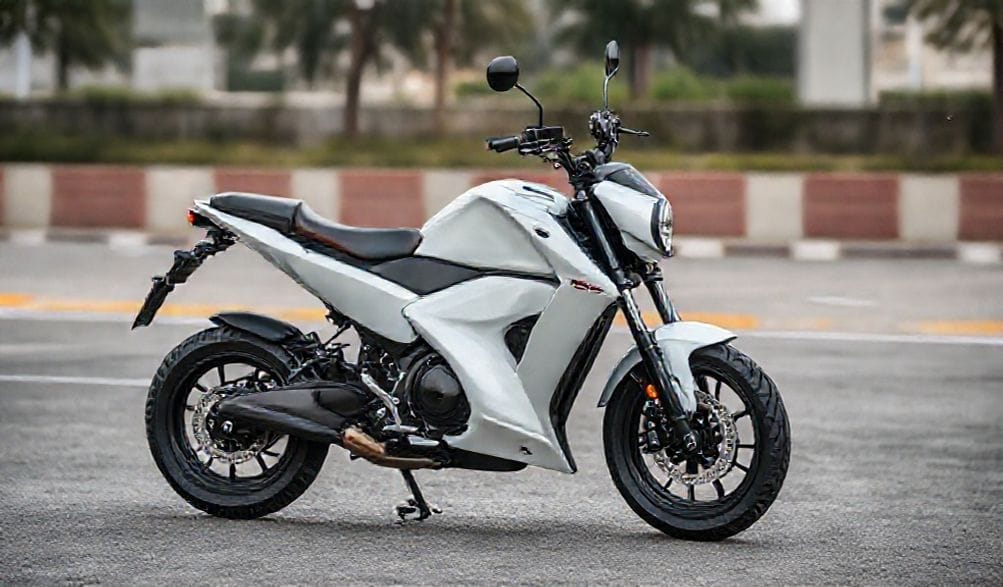
Your Ultimate Guide to Finding the Perfect Electric Motorcycle for Sale
So, you’re searching for an electric motorcycle for sale. Welcome to the most exciting shift in two-wheeled transportation in over a century. What began as a niche curiosity has exploded into a vibrant market, fueled by breathtaking technological leaps, a growing environmental consciousness, and the undeniable allure of lower running costs. But with this rapid growth comes a flood of options, specifications, and considerations that can overwhelm even seasoned riders.
This guide is designed to cut through the noise. Drawing on extensive analysis of market trends, deep dives into technical specifications, and insights gathered from a community of early adopters and new converts, our goal is to be your trusted, comprehensive resource. Whether you’re a commuter tired of gas pumps, a tech enthusiast craving instant torque, or an eco-conscious rider looking to reduce your footprint, we’ll help you navigate the entire journey—from understanding the core benefits to making that final, confident purchase. Let’s plug in and begin.
Why Choose an Electric Motorcycle? Understanding the Benefits
Before diving into specs and models, it’s crucial to solidify the “why.” Choosing an electric motorcycle isn’t just about buying a different powertrain; it’s about embracing a fundamentally new riding experience with compelling advantages.
Performance and Instant Torque
Forget the clutch, the gearbox, and the engine building up to its power band. The defining characteristic of an electric motorcycle is its instantaneous torque delivery. From a standstill, full power is available the moment you twist the throttle, resulting in breathtaking, silent acceleration that can leave even high-performance gasoline bikes behind off the line. This isn’t just about straight-line speed; it translates to incredibly responsive and intuitive power for navigating city traffic, executing quick overtakes, and enjoying a uniquely smooth, direct connection between your input and the bike’s movement.
Significant Cost Savings on Fuel and Maintenance
The economics are powerfully simple. “Refueling” with electricity costs a fraction of gasoline—often just pennies per mile. But the savings extend far beyond the “pump.” Electric motorcycles have radically simplified mechanics. There’s no engine oil to change, no air filters to replace, no spark plugs, and no complex valvetrain or transmission. Maintenance primarily revolves around the consumables: tires, brake pads (which last longer due to regenerative braking), brake fluid, and occasionally coolant. This drastic reduction in moving parts means lower long-term upkeep costs and more time riding, less time wrenching.
Environmental Impact and Sustainability
Choosing an electric motorcycle is a tangible step towards sustainable transportation. It produces zero tailpipe emissions, directly improving local air quality, especially in dense urban environments. While the overall carbon footprint depends on your local electricity grid’s energy mix, electric vehicles are significantly more energy-efficient than internal combustion engines. As global grids become greener, your ride automatically becomes cleaner. For many riders, this silent, emission-free operation adds a profound layer of satisfaction to every journey.
The Joy of Quiet, Smooth Riding
The sensory experience is transformative. The absence of engine noise allows you to hear the world around you—the wind, the tires on the road, the sounds of the city or nature. This creates a more immersive and, for many, a more meditative ride. The smooth, linear power delivery eliminates the vibrations and jerks associated with gear changes, resulting in a ride that feels both futuristic and effortlessly refined. It’s a different kind of thrill, one built on serenity and seamless power.
Key Factors to Consider Before You Buy
With the benefits clear, the next step is introspection and research. Your perfect electric motorcycle for sale is the one that aligns precisely with your lifestyle and riding ambitions. Let’s break down the critical considerations.
Determining Your Primary Use Case
How you plan to ride should be your primary filter.
* Commuting in the City: This is where electrics truly shine. Look for agile, lightweight models with a manageable seat height, good low-speed handling, and a realistic range that comfortably exceeds your daily round-trip. Convenient charging at home or work is key.
* Highway Touring and Longer Distances: This demands the highest range and charging speed. You’ll need a motorcycle capable of sustained highway speeds (70+ mph) with a buffer, and access to DC fast-charging capability is almost essential for practical long-distance travel.
* Off-Road and Adventure Riding: A growing segment! Look for robust suspension, ample ground clearance, knobby tires, and a design that can handle dust and water. Torque is excellent for trails, but battery placement for a low center of gravity is crucial for handling.
* Recreational Weekend Rides: If fun on backroads is the goal, focus on handling, power delivery, and overall “grin factor.” Range is less critical than the quality of the ride experience.
Critical Performance Specifications to Compare
These numbers tell the story. Learn to read them critically.
* Range (and Real-World vs. Claimed): The most critical spec. Manufacturer claims are often under ideal conditions. Deduct 20-30% for real-world riding accounting for higher speeds, hills, aggressive acceleration, and rider weight. Always buy more range than you think you need.
* Motor Power and Top Speed: Power is measured in kilowatts (kW); roughly, 1 kW equals 1.34 horsepower. A bike with 30+ kW will feel quick, while 70+ kW rivals superbike performance. Top speed matters if you plan frequent highway travel.
* Charging Time & Infrastructure: Understand the levels:
* Level 1 (Standard Outlet): Slow (8-12+ hours), but ubiquitous.
* Level 2 (Home/Public Charger): The sweet spot for home installation. Fully charges most bikes in 4-8 hours.
* DC Fast Charging: Can add 80% range in under an hour for compatible models. Crucial for touring.
* Battery Type, Capacity (kWh), and Warranty: Almost all use lithium-ion. Capacity (kWh) is the “fuel tank” size. Scrutinize the battery warranty—look for terms like 5 years/unlimited miles or a guaranteed minimum capacity (e.g., 70%) over a period.
Ergonomics and Comfort
A bike must fit you.
* Seat Height and Rider Triangle: Can you flat-foot at a stop? Is the reach to bars and pegs comfortable for your intended ride duration?
* Weight and Manageability: Electric motorcycles can be very heavy due to the battery. Check the curb weight and, if possible, practice slow-speed maneuvers. A low center of gravity can make a heavy bike feel surprisingly manageable.
* Passenger and Cargo Capabilities: Does it have a passenger seat and pegs? Are there mounting points for luggage or panniers? These are often afterthoughts on early EV models.
Navigating the Current Electric Motorcycle Market
The landscape in 2024 is diverse, from established innovators to exciting new entrants. Here’s a neutral overview to orient you.
Leading Brands and Models Overview
- Zero Motorcycles: The long-standing pioneer, offering the broadest lineup from streetfighters to adventure bikes, known for robust technology and extensive dealer networks.
- LiveWire (Harley-Davidson): A premium brand focusing on high-performance, tech-forward motorcycles with a strong emphasis on connectivity and brand heritage.
- Energica: The Italian choice for high-performance, specializing in powerful street and sport bikes that are also the spec for MotoE, the electric grand prix racing series.
- Cake: A Swedish brand redefining the category with minimalist, lightweight, and purpose-built electric motorcycles and mopeds for urban and off-road use.
- Super Soco: Offers accessible, lightweight electric scooters and motorcycles focused on urban mobility at a lower price point.
New vs. Used Electric Motorcycles: Pros and Cons
- New:
- Pros: Latest battery tech, full manufacturer warranty, access to financing and incentives, pristine condition.
- Cons: Higher upfront cost, immediate depreciation.
- Used:
- Pros: Significant cost savings, slower depreciation curve, potential to get more bike for your budget.
- Cons: Battery degradation is a key unknown, may lack latest software/features, shorter or no remaining warranty. Due diligence is paramount.
Where to Find Electric Motorcycles for Sale
- Authorized Dealerships: The best option for new bikes. Benefits include test rides, professional setup, after-sales support, and warranty handling.
- Online Marketplaces (Cycle Trader, eBay Motors): Excellent for browsing inventory nationally. Exercise caution, verify seller legitimacy, and never buy without an inspection for used bikes.
- Manufacturer Direct-to-Consumer: Some brands sell online, delivering the bike to your door. Ensure you understand how service and support are handled locally.
- Local Classifieds & Owner Forums: Can yield deals from private sellers. Forums are also goldmines for specific model knowledge and honest owner feedback.
The Smart Buyer’s Checklist: Steps to a Successful Purchase
Turn your research into action with this structured approach.
Research and Shortlisting
Use manufacturer sites for hard specs, but rely on expert video reviews and long-term owner reports on forums for real-world insights. Create a spreadsheet to compare your top 3-5 models across your key criteria.
The Importance of a Test Ride (or Demo Day)
This is non-negotiable. Pay attention to:
* Throttle Response: Is it smooth or twitchy? Can you modulate power easily?
* Regenerative Braking: How strong is it? Does it feel natural, or like an on/off switch?
* Balance & Handling: Does the weight feel low and centered? How is the low-speed maneuverability?
* Overall Comfort: Can you see yourself in this riding position for an hour?
Financing, Incentives, and Tax Credits
In the U.S., some electric motorcycles may qualify for a federal tax credit of up to 10% of the purchase price (capped at $2,500), provided they meet specific assembly and battery component requirements. Always check the latest IRS guidelines and your state-level incentives, which can include rebates, tax exemptions, or HOV lane access. Traditional motorcycle financing is widely available for new models.
Pre-Purchase Inspection (Especially for Used Bikes)
For a used electric motorcycle for sale, go beyond a kick of the tires.
* Physical: Check for crash damage, tire wear, brake pad life, and corrosion on electrical contacts.
* Battery Diagnostics: Request to see the bike’s onboard diagnostics. Note the battery cycle count and State of Health (SOH) percentage. A SOH below 80% indicates significant degradation.
* History: Ask for any service records and a log of software updates. A well-documented history is a positive sign.
Owning Your Electric Motorcycle: Beyond the Purchase
The journey continues after you ride home.
Home Charging Setup Basics
For most, a Level 2 charger is the best home investment. Installation by a qualified electrician typically costs $500-$1500, depending on your electrical panel’s proximity to your parking spot. It transforms ownership, ensuring you start every day with a “full tank.”
Understanding Maintenance Schedules
While simpler, maintenance is not zero. Stay on top of:
* Tire pressure (critical for maximizing range)
* Brake fluid changes (every 2 years, as recommended)
* Chain or belt lubrication and tension (if applicable)
* Coolant replacement (for liquid-cooled batteries/motors)
* Software Updates: These can improve performance, range, and features. Install them.
Insurance and Registration Considerations
Insuring an electric motorcycle is generally similar to a gas bike. Providers are increasingly familiar with them. Registration is identical to any other motorcycle in your state.
Joining the EV Riding Community
Connect with other owners online (e.g., brand-specific forums, Reddit’s r/Electricmotorcycles) and look for local EV riding groups. The community is invaluable for troubleshooting, route planning for charging, and sharing the unique joy of electric riding.
Frequently Asked Questions (FAQ) About Buying an Electric Motorcycle
Q1: What is the average price range for a new electric motorcycle?
A: Prices span a wide spectrum. Entry-level commuters and lightweight models can start around $5,000 – $8,000. Mainstream performance motorcycles from major brands typically range from $12,000 – $20,000. High-performance, premium, or long-range touring models can reach $25,000 and above. You generally pay for increased range, power, and charging speed.
Q2: How long do electric motorcycle batteries typically last?
A: Modern lithium-ion batteries are designed to last for many years. Most are rated for 1,000 to 1,500 full charge cycles before significant degradation (to about 80% of original capacity). In practical terms, with typical use, this can equate to 5-10 years or more. Always review the manufacturer’s battery warranty, which often guarantees performance for a set period (e.g., 5 years).
Q3: Can I take an electric motorcycle on a long road trip?
A: Yes, but it requires planning. With a model featuring DC fast-charging and a range of 100+ miles at highway speeds, it’s entirely possible. You’ll need to plan your route around compatible fast-charging stations (using apps like PlugShare). It’s a different mindset than gas-powered touring—more like an adventure that includes charging stops as planned breaks.
Q4: Are electric motorcycles good for beginner riders?
A: Many are excellent for beginners. Their simplicity (no gears to shift), smooth power delivery, and often lower seat heights are major advantages. Many models offer selectable riding modes, allowing a beginner to start in a low-power, gentle setting. The primary caution is weight; some electric motorcycles are very heavy, which can be challenging for a new rider at a standstill.
Q5: What happens if I run out of charge on the road?
A: Prevention is key. Use your bike’s range planner and know where chargers are along your route. If you do get stranded, your options are similar to running out of gas: call for roadside assistance (ensure your provider can transport an EV), use a mobile charging service if available in your area, or, as a last resort, a friend with a truck. Carrying a portable Level 1 charger cord can sometimes allow you to plug into a standard outlet in an emergency.
Conclusion
Your search for the perfect electric motorcycle for sale is more than a purchase—it’s an entry into the next chapter of motorcycling. It’s a decision that marries exhilarating, cutting-edge performance with tangible practical benefits and a cleaner ride. By carefully considering your use case, understanding the key specifications, thoroughly researching the market, and following a disciplined purchase process, you can make a choice you’ll be thrilled with for years to come.
Let this guide be the foundation of your journey. Take your time, schedule those test rides, and get ready to experience the thrilling, silent future of motorcycling.
METADATA_START—
DISPLAY_TITLE: Your Ultimate Guide to Finding the Perfect Electric Motorcycle for Sale
SEO_TITLE: Electric Motorcycle for Sale: 2024 Buyer’s Guide & Tips
META_DESC: Looking for an electric motorcycle for sale? Our complete 2024 buyer’s guide covers benefits, key specs, top brands, buying tips, and FAQs to help you make a smart purchase.
IMG_PROMPT: A sleek, modern electric motorcycle parked on a scenic mountain road at sunset, with a rider in full gear looking out at the view, showcasing adventure and zero-emissions travel.
—METADATA_END—