
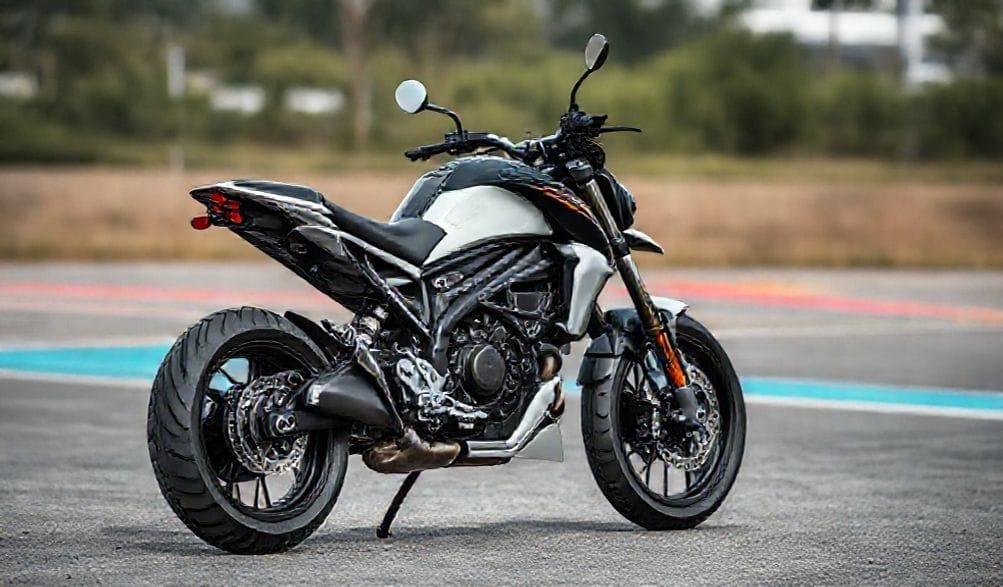
Electric Supermoto: The Complete Guide to Performance, Models, and Riding Thrills
Forget everything you think you know about motorcycle performance. Imagine launching from a stoplight not with a scream, but with a silent, visceral shove that pins you to the seat. Picture flicking through city traffic or carving a canyon road with the agility of a mountain bike, yet with the grunt of a much larger machine. This isn’t science fiction; it’s the reality of the electric supermoto.
Born from the marriage of dirt-bike DNA and street-tire precision, the supermoto has always been the hooligan’s choice—a lightweight, flickable instrument of pure joy. Now, electric propulsion is rewriting its rules, stripping away complexity and injecting a dose of futuristic thrill. This guide is for the curious street rider, the seasoned supermoto enthusiast eyeing the future, and anyone wondering what happens when you take the “gas” out of “gas-powered fun.” We’ll demystify the technology, compare the leading electric supermoto models, weigh the real-world pros and cons, and give you the practical knowledge to navigate this exciting new segment. Whether you’re considering a purchase or just an electrified imagination, let’s dive in.
What is an Electric Supermoto? Defining a New Era of Riding
At its core, a supermoto is a philosophy: take a lightweight, long-travel dirt bike chassis, slap on sticky 17-inch street tires, and create a machine that’s unparalleled in urban agility and corner-carving fun. It’s about simplicity, connection, and accessible performance. The electric supermoto takes this ethos and supercharges it with innovation, replacing the internal combustion engine with an electric powertrain. The result is a reinterpretation of the formula, focusing on a lower center of gravity, minimal mechanical complexity, and power delivery that is instant and linear.
The Supermoto Heritage Meets Electric Innovation
The supermoto (or “motard”) originated in the 1970s from a simple, brilliant idea: race modified dirt bikes on circuits combining asphalt and dirt sections. This required a versatile machine—a dirt bike frame for toughness and suspension travel, but with road wheels for grip on pavement. The spirit was always grassroots, fun-focused, and slightly rebellious.
Electric powertrains integrate into this heritage seamlessly. They remove the bulky engine and gas tank, allowing designers to place the heaviest component—the battery—low and central in the frame. This creates a phenomenally low center of gravity. Furthermore, the simplicity of an electric motor (with far fewer moving parts than a piston engine) aligns perfectly with the supermoto’s minimalist, mechanical purity. The “twist-and-go” nature removes clutching and gear-shifting, letting the rider focus entirely on braking, turning, and throttle control.
Core Components of an Electric Supermoto
Understanding a few key components will help you compare models and specs like a pro.
-
Motor & Powertrain: You’ll typically encounter two types. A mid-drive motor is mounted near the bike’s center and drives the rear wheel via a chain or belt, offering better weight distribution and often more torque. A hub motor is built directly into the rear wheel, making for a simpler, cleaner design but adding unsprung weight. Power is measured in kilowatts (kW); for reference, 1 kW equals about 1.34 horsepower. More crucial is torque, measured in Newton-meters (Nm), which defines that instant, punchy acceleration from a stop.
-
Battery Pack: This is your “fuel tank.” Capacity is measured in kilowatt-hours (kWh)—a larger number generally means more range. Voltage (e.g., 72V, 102V) influences performance. Range is the big question, and it’s highly variable. Manufacturers give ideal estimates, but real-world range depends on speed, rider weight, hills, and how hard you accelerate. Charging typically uses a standard cord (Level 1, slow) or a dedicated charger (Level 2, faster).
-
Frame & Chassis: Lightweight remains king. Frames are often aluminum or chromoly steel. Quality, adjustable suspension (inverted forks up front, a mono-shock in the rear) is non-negotiable for handling the mixed-surface antics supermotos are known for.
-
Wheels, Tires & Brakes: True to form, electric supermotos use 17-inch spoked or cast wheels wrapped in sticky, street-oriented tires. Braking is critical. You get powerful disc brakes front and rear, often augmented by regenerative braking, which uses the motor to slow the bike while putting a small charge back into the battery.
Top Electric Supermoto Models Compared (2024)
The market is evolving rapidly, but several key players have defined the early landscape of production electric supermoto bikes. This comparison is based on manufacturer specifications, aggregated owner reviews, and industry analysis to help you identify which model might fit your riding style. Note: Prices, specifications, and availability are subject to change.
High-Performance Street Legends
These are the fully-fledged, highway-capable machines that most closely match the performance of traditional supermotos.
- Zero FXE: Think of the FXE as the polished, tech-forward standard-bearer. Based on Zero’s popular FX platform, the FXE adds a sleek, futuristic bodywork package. It boasts a powerful Z-Force motor, a modular battery system (you can add a second “Power Tank” for more range), and connectivity via a smartphone app. Its biggest advantage is an established dealer and service network in many countries, offering peace of mind.
- KTM Freeride E-XC (Supermoto Trim): This is pure, unadulterated off-road pedigree in a supermoto suit. The Freeride E-XC is a lightweight electric enduro bike, and KTM offers a supermoto conversion kit (wheels, tires, brakes). The result is an incredibly agile, flickable machine that feels closest to a traditional gas supermoto. It’s less about top-speed and more about explosive, controllable power and ultra-lightweight handling on twisty roads.
Agile & Urban-Focused Riders
These models prioritize nimbleness, affordability, and perfect suitability for city life.
- Super Soco TSX: This is the accessible gateway. The TSX looks the part with authentic supermoto styling but is designed as a lightweight urban commuter. With a top speed around 60 mph and a range perfect for city errands, it’s an ideal choice for learners or those wanting an electrified runabout that’s incredibly fun to ride. Its lower price point and removable battery for easy charging are major pluses.
- Kuberg Ranger Supermoto: Blurring the line between a full-size motorcycle and a high-performance pit bike, the Kuberg Ranger is a minimalist, hooligan-focused machine. It’s incredibly light and offers startling acceleration. While not designed for long highway stints, it’s a riot in urban environments, on private property, or for closed-course fun. It represents the raw, playful side of the electric supermoto spectrum.
The DIY & Conversion Scene
For the technically inclined, there’s a vibrant DIY world. You can convert an existing gas-powered supermoto (like a Honda CRF450L) to electric using aftermarket kits, though this requires significant expertise. More popular is starting with a powerful electric dirt bike like the Sur Ron Light Bee X and adding a supermoto wheel/brake kit. This creates a capable, thrilling machine at a lower cost, but it may lack the refinement, road legality, and warranty of a factory-built model.
The Electric Supermoto Riding Experience: Pros and Cons
Riding an electric supermoto is a distinct experience. Here’s an honest breakdown of its brilliant advantages and current considerations.
The Unbeatable Advantages
- Instant Torque & Acceleration: This is the headline act. There’s no clutch, no gearbox, no waiting for power to build. Crack the throttle at any speed, and you get 100% of the motor’s torque immediately. The sensation is a smooth, linear, and incredibly forceful pull that gasoline bikes simply can’t replicate off the line.
- Agile & Low-CG Handling: With the battery mass placed low in the frame, these bikes tip into corners with an almost telepathic eagerness. The feeling is incredibly planted and confidence-inspiring, especially through a series of tight bends.
- Low Maintenance: The maintenance schedule is blissfully simple. Say goodbye to oil changes, air filter cleanings, coolant flushes (on some models), spark plugs, and valve adjustments. You’ll still need to care for tires, brakes, and suspension, but the drivetrain demands almost nothing.
- Silent Operation & Community Access: The near-silent ride is a game-changer. It’s peaceful, allows you to hear your surroundings, and makes you a better neighbor. In some areas, this quietness can also provide access to trails or paths where noise restrictions prohibit gas bikes.
- Lower “Fuel” Costs: Charging with electricity is vastly cheaper per mile than gasoline. The cost to “fill up” is often just a few dollars, even at public charging stations.
Considerations & Current Limitations
- Range & Trip Planning: This is the primary constraint. While perfect for daily commutes and spirited hour-long rides, long-distance touring isn’t their forte. Range can deplete quickly if you ride aggressively at high speeds. Planning routes with charging in mind becomes part of the ownership experience.
- Charging Infrastructure & Time: While you can charge from any standard outlet (Level 1, taking 8-12 hours), faster Level 2 charging (3-6 hours) usually requires installing a dedicated charger at home. Widespread, motorcycle-accessible DC fast-charging networks are still in their infancy compared to those for cars.
- Initial Purchase Price: The upfront cost of a new electric supermoto is typically higher than a comparable gas model. You’re paying for advanced battery technology. However, this must be weighed against the Total Cost of Ownership (TCO) over several years, factoring in massive savings on fuel and maintenance.
- Weight & “Feel”: While the weight is low, the overall mass of the battery pack can make some electric supermotos heavier than their gas counterparts. This can be felt when picking the bike up off a stand or in a very slow, technical scenario. Some riders also miss the auditory and mechanical feedback of a combustion engine.
Living with an Electric Supermoto: Costs, Licensing, and Gear
The Real Cost of Ownership (TCO)
Looking beyond the sticker price is crucial:
* Purchase Price: Higher initial investment.
* Insurance: Similar to a comparable gas supermoto; get quotes.
* Electricity: Very low—a few cents per mile.
* Maintenance: Drastically lower. Budget for tires (you might go through them quickly!), brake pads, suspension service, and occasional coolant changes on liquid-cooled systems.
* vs. Gas Bike: You save hundreds per year on fuel and routine service. The long-term question is battery replacement, but most manufacturers offer extensive warranties (5+ years) on the battery pack.
Licensing, Registration, and Road Legality
- Licensing: Nearly all full-size electric supermoto models (like the Zero FXE) are classified as motorcycles and require a standard motorcycle license (M1/Class M in the US).
- Legality: It is vital to ensure any bike you purchase is certified for on-road use in your region (e.g., has DOT/EPA approval in the USA, EU type-approval in Europe). DIY and kit builds may not be street-legal.
Essential Riding Gear for Supermoto
The supermoto riding style—aggressive cornering and the ever-present risk of a low-side slide—demands full protective gear.
* Helmet: A full-face helmet is non-negotiable.
* Apparel: A motorcycle jacket and pants with built-in armor (back, shoulders, elbows, knees). Abrasion-resistant textiles or leather are best.
* Gloves: Full-finger gloves with palm sliders.
* Boots: Proper motorcycle boots. Supermoto-specific or motocross boots offer excellent ankle protection and feel for the footpegs.
FAQ Section
Q1: How far can an electric supermoto really go on a single charge?
A: Real-world range typically falls between 40 and 100 miles on a full charge. This depends heavily on the battery size (kWh), your riding style (aggressive acceleration drains it fast), constant speed (highway riding reduces range), and terrain (hills have an impact). Always plan for the lower end of the estimate.
Q2: Is an electric supermoto good for beginners?
A: It can be an excellent choice, but with a caveat. The lack of a clutch and gears simplifies operation, and many models have selectable ride modes, including a very tame “Eco” or “Rain” mode. However, the instant torque demands respect, and the weight can be intimidating at slow speeds for a total novice. A Motorcycle Safety Foundation (MSF) course is highly recommended.
Q3: Can I take an electric supermoto off-road?
A: In a limited capacity, yes. Their long-travel suspension can handle gravel, fire roads, and light trails. However, they are not dedicated dirt bikes. Most lack significant ground clearance, skid plates, and true knobby tires. Crucially, their electrical systems are not designed to be submerged or caked in mud, so serious off-roading is not advised.
Q4: How long does it take to charge the battery?
A: Using a standard 110V/120V household outlet (Level 1), a full charge usually takes 8 to 12 hours. With a dedicated 240V Level 2 charger (often purchased separately), this time can be cut to 3-6 hours. A key advantage of some models is a removable battery, which you can take indoors to charge.
Q5: Are electric supermotos more expensive to maintain than gas bikes?
A: No, routine maintenance is significantly less expensive. There are far fewer fluids, filters, and wear items associated with the drivetrain. The potential future cost is battery replacement after many years, but this is offset by years of savings on gas and maintenance, and batteries are covered by long warranties.
Conclusion
The electric supermoto is more than a novelty; it’s a compelling evolution of a beloved riding style. It captures the raw, agile fun of traditional supermoto and amplifies it with futuristic, silent, instantaneous power while cutting down on complexity and cost of ownership. It represents a pure, focused form of two-wheeled excitement tailored for the modern world.
Use this guide as your starting point, but let it be the beginning of your research, not the end. Specifications, pricing, and technology change fast. We strongly encourage you to contact official dealers for the most accurate, current information. Most importantly, if you have the opportunity, schedule a test ride. The unique feel of the instant torque, the handling, and the silent surge is something no article can fully convey. That firsthand experience is the only way to know if the electric supermoto’s particular brand of thrill is for you.
As battery technology continues to improve and more models enter the fray, the electric supermoto is poised to move from the fringe to the forefront. For the rider looking for a blend of cutting-edge tech, visceral performance, and minimalist fun, the future is already here, and it’s electrifyingly quiet.
METADATA_START—
DISPLAY_TITLE: Electric Supermoto: The Ultimate Guide to Thrills, Tech & Top Models
SEO_TITLE: Electric Supermoto Guide 2024: Performance, Models, Costs & Riding Tips
META_DESC: Your complete guide to electric supermotos. Compare top models like Zero FXE & KTM Freeride E-XC, understand the pros/cons, costs, and unique riding experience. Is an electric supermoto right for you?
IMG_PROMPT: A dynamic, high-action shot of a rider leaning aggressively into a corner on a sleek, modern electric supermoto on a winding mountain road at sunset, showcasing the bike’s sticky tires, minimalist design, and futuristic aesthetic. The rider is in full protective gear.
—METADATA_END—