
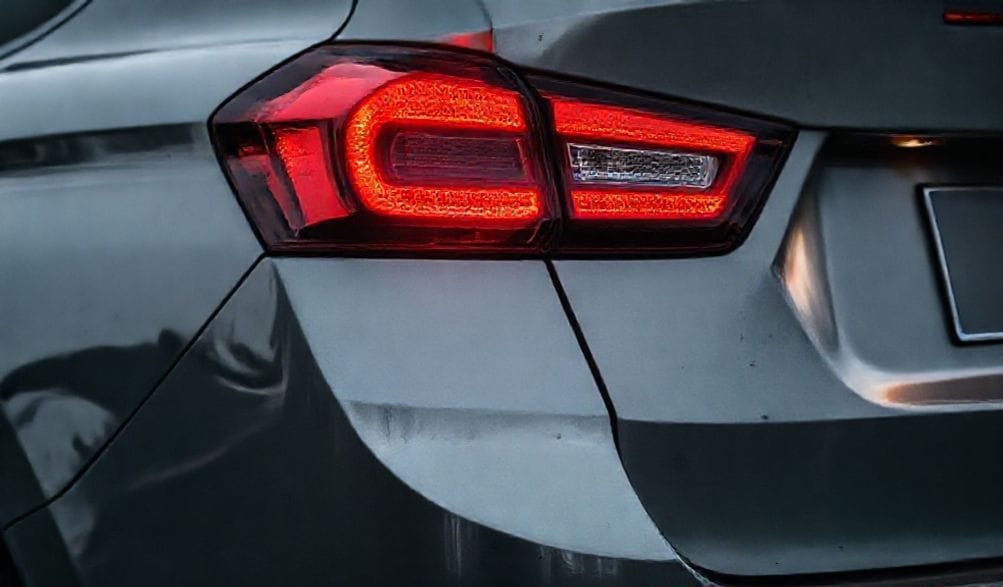
Sur Ron Tail Light & Brake Light Guide: Safety, Upgrades & Installation
As a long-time Sur Ron rider and electric bike enthusiast, I’ve learned that proper lighting isn’t just about compliance—it’s a critical safety component. If you’re searching for “Sur Ron brake light,” you’re likely looking to replace a broken unit, upgrade for better visibility, or simply understand your options. This comprehensive guide draws from hands-on experience, technical specifications, and a safety-first mindset to help you make an informed decision. We’ll cover everything from OEM parts to popular aftermarket upgrades, ensuring you find the right solution for your riding style and local regulations. Your Sur Ron brake light is your primary signal to the world behind you; let’s make sure it’s working perfectly.
Understanding Your Sur Ron’s Lighting System
Before diving into upgrades or repairs, it’s crucial to understand how your Sur Ron’s rear lighting system is designed to function. This knowledge is the foundation for effective troubleshooting and smart upgrades.
OEM Tail Light vs. Brake Light: Function & Differences
Contrary to some vehicles, the Sur Ron Light Bee and LBX models typically use a single, integrated rear light unit. This one housing performs two distinct functions:
- Tail Light (Running Light): This is the constant, dimmer red light that illuminates whenever your bike is powered on. Its purpose is to make you visible from behind, defining the rear outline of your bike.
- Brake Light: This uses the same physical bulb or LED array but shines at a significantly higher intensity. It activates automatically when you apply either the front or rear brake.
The magic behind this dual function lies in a simple sensor. A small brake light switch is installed on your brake lever (and sometimes on the rear brake master cylinder). When you pull the lever, this switch closes an electrical circuit, sending full power to the light and triggering the bright brake light mode.
From a technical standpoint, the system runs on the bike’s DC electrical system. It’s crucial to note that most Sur Ron models use a specific voltage (commonly 12V for lighting circuits), so any replacement or upgrade must be compatible.
Why a Functional Brake Light is Non-Negotiable for Safety
As riders, we often focus on performance, but the Sur Ron brake light is arguably your most important piece of safety equipment. Here’s why:
- Preventing Rear-End Collisions: This is the most direct reason. In traffic, a driver’s reaction time is limited. A bright, immediate brake light signal can be the difference between a safe stop and a collision. On trails, it alerts riders behind you to sudden slowdowns.
- Communicating Intent: Your brake light is a universal language. It tells everyone behind you, “I am slowing down or stopping.” Without it, your actions become unpredictable to others.
- Essential for Low-Visibility Riding: At dusk, dawn, or night, your running and brake lights are your primary presence. In fog or rain, a high-intensity LED brake light cuts through the gloom, ensuring you are seen.
Treating your brake light as a “nice-to-have” is a dangerous gamble. It’s a mandatory, life-saving device.
Common Sur Ron Tail Light Issues & Diagnostics
Even a robust system can fail. Knowing the symptoms and how to diagnose them can get you back on the road safely and quickly.
Symptoms of a Failing Tail/Brake Light
- Complete Failure: The light does not illuminate at all, either as a running light or a brake light.
- Partial Failure: The tail light (running light) works, but the brake light function does not activate when brakes are applied.
- Intermittent Operation: The light flickers, dims, or works only when hitting bumps, indicating a loose connection or failing component.
Step-by-Step Troubleshooting Guide
Follow this logical sequence to diagnose the issue:
- Check the Simple Stuff: Ensure the bike is powered on. Verify the main fuse (often in the battery compartment or under the seat) is intact. Some models have a physical light switch on the handlebar—make sure it’s on.
- Inspect the Brake Sensor: Locate the small switch on your brake lever. Check its adjustment; it may need to be moved closer to the lever so it activates sooner. Listen for a faint click when you pull the lever.
- Test Wiring and Connections: Visually inspect the wiring from the sensor to the light for any obvious pinches, cuts, or corrosion. Disconnect connectors (with the battery off!), clean them, and reconnect firmly.
- Verify Voltage: Using a multimeter, check for voltage at the light connector’s pins when the bike is on (for the tail light) and when the brake lever is pressed (for the brake light signal). No voltage points to a problem upstream (sensor, wiring, fuse). Voltage present but no light points to a dead light unit.
Top Sur Ron Tail Light & Brake Light Upgrades
If you’re looking to enhance safety and style, the aftermarket offers excellent upgrades for your Sur Ron brake light.
Integrated Tail Light Kits with Turn Signals
This is one of the most popular upgrades, replacing the entire rear unit.
- Beneficios: Provides a clean, integrated look by combining tail, brake, and turn signal functions into one sleek housing. It dramatically improves your bike’s visibility and signaling capability, moving beyond the basic OEM setup.
- Popular Models: Marcas como Kaniwaba offer well-regarded, bolt-on kits. Many riders also opt for custom, flexible LED strips that can be mounted under the seat for a minimalist look.
- Consideraciones: Installation is more involved, requiring wiring for left/right turn signals, often connecting to a new handlebar switch. Ensure the kit is specifically designed for the Sur Ron’s voltage.
High-Visibility LED Replacement Bulbs & Panels
For a simpler upgrade, you can often replace just the light source.
- Advantages of LED: They are far brighter than stock incandescent bulbs, draw less power, have a near-instantaneous “on” time (better for braking), and last exponentially longer.
- Direct-Fit Panels: Some suppliers sell complete LED panels that drop into the stock tail light housing, offering a plug-and-play brightness boost.
- Waterproofing: Look for lights with a high IP rating (e.g., IP67). This means they are dust-tight and can withstand temporary immersion, which is vital for off-road and all-weather riding.
Advanced Systems: Brake Light Modulators & Adapters
For the ultimate in attention-grabbing safety, consider a modulator.
- What It Is: A brake light modulator is a small electronic device wired between your brake switch and light. When you brake, it makes the light flash rapidly 3-5 times before holding steady. This dynamic movement is proven to catch the eye of distracted drivers much more effectively than a static light.
- Increased Safety: Studies and rider experience show that a modulating brake light significantly reduces rear-end collision risk.
- Compatibilidad: Many are universal 12V devices. Ensure you get one that works with LED lights if that’s what you’re using.
How to Replace or Install a Sur Ron Tail Light
Whether you’re installing a simple replacement or a full integrated kit, following a careful process ensures a reliable, professional result.
Tools and Parts You’ll Need
- Basic toolkit: Hex keys (Allen wrenches), Phillips and flat-head screwdrivers.
- For wiring: Wire strippers/crimpers, electrical tape, heat shrink tubing, and waterproof butt connectors.
- Safety: Safety glasses and gloves are recommended.
- Your new tail/brake light unit.
Detailed Installation Walkthrough
- Safety First – Disconnect the Battery: Locate your main battery pack and disconnect the primary positive and negative terminals. This is non-negotiable to prevent shorts or shocks.
- Removal of Old Unit: Remove the seat and any necessary side panels (often held by hex bolts) to access the back of the stock tail light. Disconnect the electrical connector and unbolt the light from its mount.
- Wiring the New Light: This is the critical step. Match the wires from your new light harness to your Sur Ron’s wiring. Common color codes are:
- Red: Brake Light Power (from brake switch)
- Black/Brown: Tail Light Power (constant when bike is on)
- Black/White: Ground (to frame/battery negative)
- Yellow & Green: Often Right and Left Turn Signals
- Always refer to your specific kit’s instructions! Use crimp connectors and heat shrink for a permanent, waterproof connection. Solder is best but requires more skill.
- Mounting: Secure the new light unit to the bike using the provided hardware. Ensure it’s straight and tight.
- Testing: Reconnect the battery. Turn on the bike and test all functions sequentially: running light, brake light (front and rear levers), and turn signals if applicable. Do this antes fully reassembling panels.
Pro Tips for a Clean, Reliable Installation
- Route Wires Neatly: Use zip-ties to secure the wiring harness away from moving parts, sharp edges, and heat sources like the motor.
- Fight Corrosion: Apply a small amount of dielectric grease to every electrical connector before mating them. This prevents moisture ingress and corrosion.
- Final Check: Before buttoning everything up, gently tug on wires and turn the handlebars lock-to-lock to ensure nothing is pulled tight or pinched.
Legal & Compliance Considerations
Actualizar su Sur Ron brake light comes with responsibility. Safety shouldn’t come at the cost of legality.
- DOT/SAE Compliance: In the United States, Department of Transportation (DOT) or Society of Automotive Engineers (SAE) certification means the lighting product meets specific standards for brightness, beam pattern, and durability. While not always required for off-road vehicles, it’s a strong indicator of quality and safety.
- Local Regulations: Laws vary widely. Some states/countries have strict rules about:
- Light Color: Brake and tail lights must be red. Turn signals must be amber or red.
- Modulation: Flashing brake lights are illegal for road use in some jurisdictions (e.g., California). They are often allowed on motorcycles but check your local vehicle code.
- Brightness: Lights must be visible from a certain distance but not be blindingly bright.
- Recomendación: Si circulas por vías públicas, elige mejoras que cumplan con las normas DOT/SAE y evita moduladores ilegales. Esto te protege de multas y garantiza que tu iluminación sea eficaz y estandarizada.
Preguntas Frecuentes (FAQ)
P: ¿Son la luz trasera de la Sur Rony las luces de freno la misma pieza?
R: Normalmente, sí. La Sur Ron utiliza una única unidad de luz trasera integrada que funciona tanto como luz de posición siempre encendida como luz de freno más brillante cuando se activa. Sin embargo, algunas mejoras del mercado de accesorios separan estas funciones.
P: ¿Puedo instalar yo mismo una luz trasera con intermitentes?
R: Sí, si te sientes cómodo con cableado básico y siguiendo instrucciones. La mayoría de los kits incluyen conectores plug-and-play, pero puede ser necesario empalmar algunos cables. Desconecta siempre la batería antes de comenzar.
P: ¿Por qué parpadea mi nueva luz de freno LED?
R: Esto suele deberse a una incompatibilidad de voltaje o a una mala conexión. Revisa todas las conexiones de los cables y asegúrate de que estén firmes. Algunas luces LED pueden requerir una resistencia de carga o un relé intermitente específico compatible con LED si están integradas con intermitentes.
P: ¿Cómo sé si mi sensor de la luz de freno está defectuoso?
R: Si tu luz de freno no se activa pero se sabe que la bombilla/unidad está en buen estado, puentea el sensor temporalmente conectando sus dos cables. Si la luz de freno se enciende, el sensor necesita ajuste o reemplazo.
P: ¿Cuál es la característica más importante en una luz de freno mejorada?
R: Fiabilidad y Brillo. Una luz que funcione siempre y sea significativamente más brillante que la original es la mejor mejora de seguridad. Busca una construcción robusta, alto rendimiento en lúmenes y buena estanqueidad.
Conclusión
dual-sport Sur Ron brake light y la configuración de la luz trasera es una decisión crítica que equilibra seguridad, legalidad y preferencias personales. Ya sea que estés realizando una reparación sencilla en la pieza original o instalando un sistema integrado de alta tecnología con intermitentes, el objetivo final es una fiabilidad inquebrantable. Tu luz debe hacerte visible y comunicar tus acciones con claridad a todos los que comparten la carretera o el camino.
Como pilotos, tenemos la responsabilidad de asegurar que nuestras máquinas estén equipadas para protegernos. Invertir en una solución de iluminación de calidad es una de las mejoras de seguridad más impactantes y rentables que puedes hacer. Verifica siempre tu trabajo, consulta las leyes locales y disfruta del viaje con mayor tranquilidad.
¿Listo para mejorar? Compara los kits mencionados aquí, lee reseñas de usuarios en foros y comunidades de confianza, y selecciona la opción que mejor se adapte a tu nivel de habilidad técnica y necesidades de conducción. ¡Conduce con seguridad!
METADATA_START—
DISPLAY_TITLE: Guía de la Luz de Freno de la Sur Ron: Reparación, Mejora y Seguridad
SEO_TITLE: Guía de la Luz de Freno y Luz Trasera de la Sur Ron | Reparación, Mejoras, Seguridad
META_DESC: Guía completa sobre las luces de freno y traseras de la Sur Ron. Aprende a diagnosticar problemas, elegir las mejores mejoras LED, instalar intermitentes y garantizar que tu conducción sea segura y legal. Incluye instrucciones para bricolaje.
IMG_PROMPT: Una foto detallada y de primer plano de la parte trasera de una Sur Ron Light Bee, que muestra una unidad de luz trasera y de freno LED moderna y brillante con intermitentes integrados, montada en la moto. El fondo está ligeramente desenfocado, centrándose en la instalación limpia y la iluminación roja brillante.
—METADATA_END—