
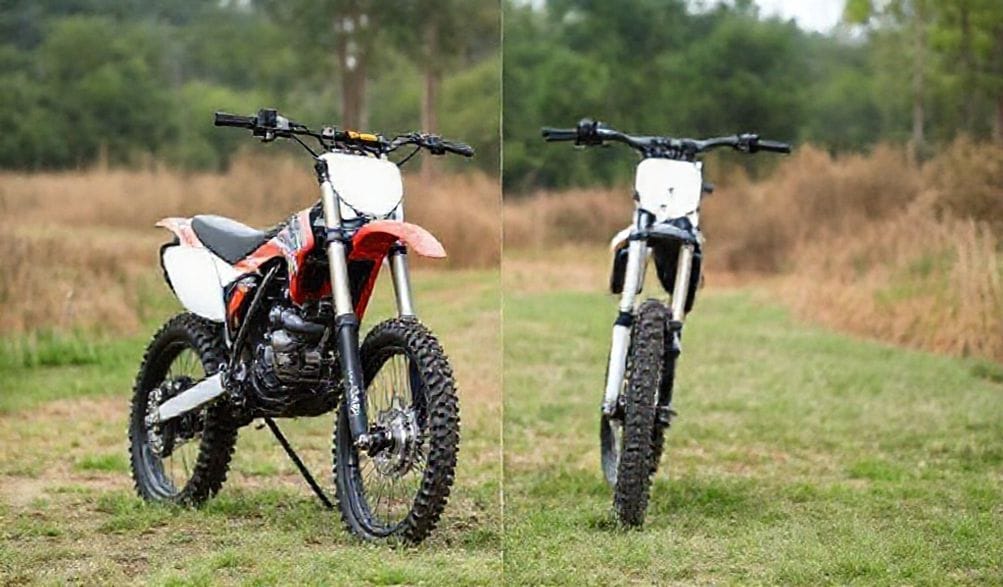
The Ultimate Electric Dirt Bike Comparison Guide for 2024
El rugido de un motor de dos tiempos ha sido durante mucho tiempo la banda sonora del mundo de las motos de cross. Pero una nueva revolución, casi silenciosa, está tomando los senderos y circuitos. bicicletas eléctricas de cross / motos eléctricas de cross are no longer a futuristic novelty; they are high-performance machines fundamentally changing the off-road experience. With instant torque, minimal maintenance, and zero exhaust emissions, they offer compelling advantages that are winning over riders from beginners to seasoned pros. But with a growing list of models hitting the market, how do you choose the right one? This comprehensive guide cuts through the hype to provide a clear, unbiased, and detailed electric dirt bike comparison based on technical specifications, rider feedback, and real-world use cases. Whether you’re wondering which bike is best for your local trails, if an electric motocrosser can handle the track, or how the total cost stacks up against gas, we’ve got you covered. We’ll compare the top 2024 models, decode the critical specs, and give you the actionable advice you need to make an informed decision.
Let’s dive into the key factors you must consider before looking at specific models.
Critical Factors to Consider Before Buying
Choosing an electric dirt bike isn’t just about picking the most powerful or expensive model. It’s about matching the machine to your specific needs, riding style, and environment. Understanding these core factors will help you navigate the specs and find your perfect match.
Primary Use Case & Rider Profile
First, be honest about how and where you’ll ride.
* Trail Riding vs. Motocross/Track vs. Enduro: A bike built for tight, technical singletrack (like a KTM Freeride E-XC) prioritizes low-end torque, manageable power, and a plush suspension. A motocross weapon (like the Stark VARG) is all about explosive power for jumps, stiff suspension for landings, and aggressive ergonomics. Enduro riding, which mixes trails and obstacles, demands a blend of range, tractable power, and durability.
* Beginner, Intermediate, or Expert Rider: Beginners benefit immensely from electric bikes with selectable ride modes that limit power. Intermediate riders need a bike that can grow with their skills. Experts will want maximum adjustability, top-tier components, and unbridled performance.
* Youth vs. Adult Models: Youth bikes aren’t just smaller; they have speed limiters, lower seat heights, and often parental control features via apps. Safety and adjustability for growth are paramount here.
Performance Specifications Decoded
Electric bike specs tell a different story than gas bike CCs.
* Motor Power (kW/HP) and Torque (Nm/lb-ft): Power (kW) influences top speed, while torque determines how hard the bike pulls from a standstill. Electric motors deliver 100% of their torque instantly, which feels dramatically different—and often more controllable—than a gas engine’s power band.
* Battery Capacity (kWh) & Voltage: Capacity (kWh) is your “fuel tank,” directly impacting range. Voltage (e.g., 72V, 120V) is like water pressure in a hose; higher voltage systems can deliver power more efficiently, supporting more powerful motors and faster acceleration.
* Range & Ride Time: Manufacturer claims are often under ideal conditions. Real-world range is slashed by hilly terrain, aggressive riding, and rider weight. A “2-hour” ride time is a more useful metric for many than a “50-mile” range claim.
* Top Speed and Acceleration: Consider if you need a 60+ mph top speed for open areas or if a governed 40 mph is safer and more appropriate for trails or a young rider.
Chassis, Suspension, and Handling
The motor provides the go, but the chassis determines how well you control it.
* Material del Cuadro: Aluminum is light and stiff, common on performance models. Steel is durable and often used on entry-level or hard-use bikes. Some use composite/carbon fiber for extreme weight savings.
* Suspension Type, Travel, and Adjustability: Inverted (upside-down) forks are standard for serious off-road use. Travel (e.g., 300mm) indicates how much bump absorption is available. Adjustable compression and rebound damping are crucial for fine-tuning the bike to your weight and terrain.
* Wheel Size, Brakes, and Weight: Full-size adult bikes typically have a 21-inch front and 18-inch rear wheel. Hydraulic disc brakes are essential. Weight is a critical differentiator; while electric bikes often weigh more than their gas counterparts due to the battery, the weight is centralized and low, which can improve handling.
Technology & Usability
This is where electric bikes truly innovate.
* Ride Modes: Modes like Eco, Trail, and Sport electronically alter power delivery and top speed, making one bike adaptable for multiple riders or conditions.
* Frenado Regenerativo: This feature uses the motor as a generator to slow the bike and put a small amount of charge back into the battery. It can extend range and reduce brake wear.
* Charging Time & Options: A standard charger might take 4-8 hours. “Fast” or “optional” chargers can cut that in half. Check what’s included and what’s an extra cost.
* Conectividad con Aplicación: Many bikes offer apps for diagnostics, tuning power curves, setting speed limits (for kids), tracking rides, and monitoring battery health.
Cost of Ownership & Practicalities
Look beyond the sticker price.
* Initial Purchase Price: Electric dirt bikes generally command a premium over comparable gas bikes.
* Mantenimiento: This is a huge electric advantage. No engine oil, air filters, spark plugs, or clutch adjustments. Maintenance focuses on brakes, suspension, chain, and bearings.
* Battery Life & Replacement Cost: Lithium-ion batteries degrade over time. Expect a battery to last 500-1000+ full charge cycles before significant capacity loss. A replacement battery can cost $1,500-$3,000+, so factor this into long-term costs.
* Dealer Support & Warranty: A strong local dealer network for service and warranty claims is invaluable. Check the warranty length, especially for the battery and motor.
Head-to-Head: 2024’s Top Electric Dirt Bikes Compared
Now, let’s put the leading contenders under the microscope. Remember, the “best” bike depends entirely on your answers to the factors above.
High-Performance Motocross & Track Bikes
These are the electric disruptors built to dominate the track.
* Stark VARG: The current benchmark for electric MX. Its party trick is a “virtual gearing” app that lets you simulate the powerband of over 100 different gas bikes. With up to 80 hp, fully adjustable Öhlins suspension, and a lightweight carbon fiber subframe, it’s a no-compromise race machine.
* El rival más directo de la Pro SS, que a menudo comparte componentes similares. Generalmente se considera que la Talaria tiene una ligera ventaja en el acabado, la calibración de la suspensión y la ergonomía orientada a la calle. Often the starting point for modders. In stock form, it’s more of a ultra-light trail bike, but with aftermarket motor controllers, batteries, and motocross suspension/wheels, it can be transformed into a capable and affordable track weapon. It requires more hands-on involvement.
* Cake Kalk OR: A premium, minimalist Scandinavian design. It focuses on precision, agility, and high-quality components (like Öhlins suspension) over outright peak power. It excels in technical, slower-speed terrain like endurocross tracks rather than high-speed motocross.
Trail & Enduro Specialists
Built for exploration, technical challenges, and all-day adventures (or as long as the battery lasts).
* Zero FX: A street-legal platform often adapted for dirt. With its Z-Force motor and modular battery system, it offers strong, linear power. It shines for dual-sport riders who need to connect trails via roads, but its weight and suspension may limit hardcore single-track use.
* KTM Freeride E-XC: From a legendary dirt bike brand, this is a purpose-built electric enduro machine. It feels the most like a traditional dirt bike in terms of ergonomics and handling. It offers manageable power perfect for technical terrain, high-quality WP suspension, and is backed by KTM’s extensive off-road dealer network.
* Segway Dirt eBike X260: A compelling value proposition. It packs a punch with a 15kW motor, offers a decent 2.5-hour claimed ride time, and comes with fully adjustable suspension. It positions itself as a fully-featured, no-fuss entry into serious electric trail riding.
Youth & Entry-Level Models
Safety, adjustability, and fun are the key metrics here.
* Razor MX650: An affordable, entry-level option. It’s more of a “fun bike” for backyard use with a lower top speed and simpler suspension. It’s a great low-risk way to introduce a young rider to the feel of an electric dirt bike.
* Kuberg MX Start: A serious youth racing bike. It features adjustable power settings (up to 8.5 kW), hydraulic disc brakes, quality suspension, and a lightweight frame. It’s designed for kids who are ready to move beyond toys and onto a real, performance-oriented machine.
* Motos Oset: Pioneers in the electric trials world. Oset bikes are incredibly light, quiet, and have precise, low-speed control perfect for learning balance and technique. They are the ideal choice for developing core riding skills in a controlled environment.
Comparison Table at a Glance
| Model | Approx. Price | Motor Power | Est. Ride Time | Weight | Best For |
| :— | :— | :— | :— | :— | :— |
| Stark VARG | $13,000+ | Up to 80 hp | 1-6 hrs (modes) | ~240 lbs | Expert Motocross/Track |
| KTM Freeride E-XC | $12,000+ | 26 hp | ~1.5 hrs | 247 lbs | Technical Trail/Enduro |
| Segway X260 | $5,500+ | 20 hp | ~2.5 hrs | 220 lbs | Trail Riding / Value |
| Sur-Ron Light Bee X | $4,700+ | 12 hp (stock) | ~2 hrs | 121 lbs | Modders / Light Trail |
| Kuberg MX Start | $3,500+ | 11.5 hp | ~2 hrs | 99 lbs | Youth Racing |
| Razor MX650 | $1,000+ | 1.5 hp | ~40 min | 99 lbs | Beginner Youth/Backyard |
Electric vs. Gas-Powered Dirt Bikes: An Honest Look
The choice isn’t always clear-cut. Here’s a balanced view of both technologies.
Advantages of Electric
- Instant Torque & Linear Power: The throttle response is immediate and smooth, providing incredible traction and control, especially out of corners or on steep climbs.
- Lower Maintenance: Forget about mix gas, oil changes, filter cleaning, and top-end rebuilds. Maintenance is drastically simpler and cheaper.
- Silent Operation: This allows riding in noise-sensitive areas, reduces noise pollution, and lets you hear nature (or your own thoughts). It also enables more practice time without disturbing neighbors.
- Zero Emissions & Lower “Fuel” Cost: No exhaust fumes and the cost to charge a battery is a fraction of the price of gasoline.
Advantages of Gas-Powered
- Longer Range & Quick Refueling: You can ride for hours and “recharge” in two minutes with a gas can. For long-distance desert or adventure riding, gas still reigns supreme.
- Established Infrastructure: Dealers, mechanics, and aftermarket parts are everywhere. Finding support is easy.
- Lower Upfront Cost: For comparable performance, a gas bike is typically thousands of dollars less expensive initially.
- Traditional Feel & Sound: The visceral experience of a combustion engine—the sound, the vibration, the clutch control—is part of the appeal for many purists.
Making the Right Choice for Your Needs
If your priority is low-maintenance fun on local trails, technical skill development, or track riding where noise is an issue, electric is a phenomenal choice. If you need to ride 100+ miles in a day, are on a tight budget, or deeply value the traditional moto experience, a gas bike may still be your best bet.
Essential Gear and Upgrades for Electric Dirt Biking
Your investment shouldn’t stop at the bike. The right gear and tweaks complete the experience.
Must-Have Safety Gear
The rules don’t change: always wear a helmet, goggles, boots, gloves, and body armor. Crucially, because electric bikes are so quiet, other trail users (hikers, bikers, horseback riders) won’t hear you coming. Heightened situational awareness is mandatory. Consider a bell or polite verbal call-out when approaching others from behind.
Performance & Customization Upgrades
- Neumáticos: The single best upgrade for any dirt bike. Match the tire to your terrain—soft terrain knobbies for loam/sand, intermediate/hard terrain tires for packed dirt and rocks.
- Suspension Tuning: Getting your suspension sprung and valved for your specific weight and riding style transforms handling and comfort.
- Gearing: Changing the sprocket sizes can tailor the bike’s acceleration and top speed for your local track or trail system.
- Protection: A sturdy skid plate, handguards, and radiator braces (if applicable) are cheap insurance against costly damage.
Charging Solutions & Accessories
- Portable Fast Chargers: For trailhead charging or track days, a faster charger can get you back riding during a lunch break.
- Cuidado de la Batería: Store the bike and battery in a cool, dry place. Avoid consistently draining the battery to 0% or leaving it at 100% charge for long periods to maximize its lifespan.
Preguntas Frecuentes (FAQ)
P: ¿Cuánto duran las baterías de una moto de cross eléctrica antes de necesitar reemplazo?
A: A quality lithium-ion battery is typically rated for 500 to 1000+ full charge cycles before it degrades to about 80% of its original capacity. With moderate use (1-2 rides per week), this can translate to 5+ years of usable life. Replacement costs vary widely from $1,000 to over $3,000.
P: ¿Se puede conducir una moto de cross eléctrica bajo la lluvia o a través del agua?
R: La mayoría tiene una clasificación IP (Protección contra Ingresos, por ejemplo, IP65). Una clasificación alta significa que están bien selladas contra polvo y chorros de agua. Aunque pueden soportar lluvia y charcos, deben evitarse los cruces en aguas profundas que sumerjan el motor o el paquete de baterías a menos que el fabricante indique explícitamente que es seguro. Consulte siempre el manual del propietario.
P: ¿Son buenas las motos de cross eléctricas para principiantes?
R: Excelente. Sus modos de potencia programables permiten que un principiante comience en un entorno muy dócil y manejable. No hay embrague que se cale, y la entrega de potencia lineal es menos intimidante. El funcionamiento silencioso también reduce la ansiedad de los nuevos pilotos. Solo tenga en cuenta el peso, que puede ser mayor que el de una moto de gasolina pequeña.
P: ¿Qué autonomía real puedo esperar con una sola carga?
R: Es muy variable. Para una moto de MX de alto rendimiento en pista, es común lograr de 30 a 45 minutos de conducción intensa. Para una moto de trail en condiciones mixtas, una expectativa realista es de 1,5 a 2,5 horas. La conducción agresiva, las colinas, los pilotos pesados y las bajas temperaturas reducirán la autonomía.
P5: ¿Dónde puedo llevar a servicio una moto de cross eléctrica?
R: Comience con la red de distribuidores autorizados del fabricante. A medida que crece el mercado, más talleres de motocicletas tradicionales están añadiendo técnicos certificados para vehículos eléctricos. Para el mantenimiento básico (pastillas de freno, cambio de neumáticos, servicio de suspensión), cualquier mecánico de motos de cross competente puede ayudar. Para el diagnóstico de la batería o el motor, probablemente necesitará un especialista.
Conclusión
La “mejor” moto de cross eléctrica no existe en el vacío: es la que mejor se alinea con sus objetivos de conducción, nivel de habilidad y presupuesto. El panorama en 2024 ofrece una variedad increíble, desde entrenadores juveniles silenciosos hasta motocross prostockers que sacuden la tierra (pero silenciosos). Utilice la sección “Factores Críticos” como su lista de verificación; clasifique lo que es más importante para usted (por ejemplo, autonomía sobre potencia máxima, soporte del distribuidor sobre el precio más bajo).
La tecnología avanza a un ritmo vertiginoso. Las baterías son cada vez más densas, se cargan más rápido y los precios se están volviendo lentamente más competitivos. Estamos en la edad de oro de la innovación eléctrica todoterreno.
Llamado a la Acción: Una vez que haya reducido sus opciones, recomendamos encarecidamente visitar un distribuidor para una prueba de demostración si es posible. La sensación del par instantáneo y el silencio surrealista es algo que debe experimentar de primera mano para comprender verdaderamente la ventaja eléctrica. ¿Tiene en mente un modelo específico o un caso de uso? Comparta sus ideas o preguntas a continuación para seguir discutiendo.
Nuestro objetivo con esta guía es ser su recurso confiable y experto mientras navega por este emocionante y dinámico nuevo capítulo en la conducción todoterreno. Conduzca con inteligencia y disfrute de la revolución.
METADATA_START—
DISPLAY_TITLE: La Guía Definitiva de Comparación de Motos de Cross Eléctricas para 2024
SEO_TITLE: Comparación de Motos de Cross Eléctricas 2024: Stark VARG vs. KTM, Sur-Ron y Más
META_DESC: ¿Atascado eligiendo una moto de cross eléctrica? Nuestra detallada guía de comparación 2024 desglosa los mejores modelos como Stark VARG, KTM Freeride E-XC, Sur-Ron y más por especificaciones, caso de uso y costo. Encuentre su vehículo perfecto.
IMG_PROMPT: Una toma dinámica y de alta acción de una moto de cross eléctrica moderna, como una Stark VARG o KTM Freeride E-XC, en medio de un salto en una pista de motocross contra un cielo azul despejado, con una segunda moto de cross eléctrica desenfocada en el fondo en un sendero forestal, mostrando rendimiento y versatilidad.
—METADATA_END—