
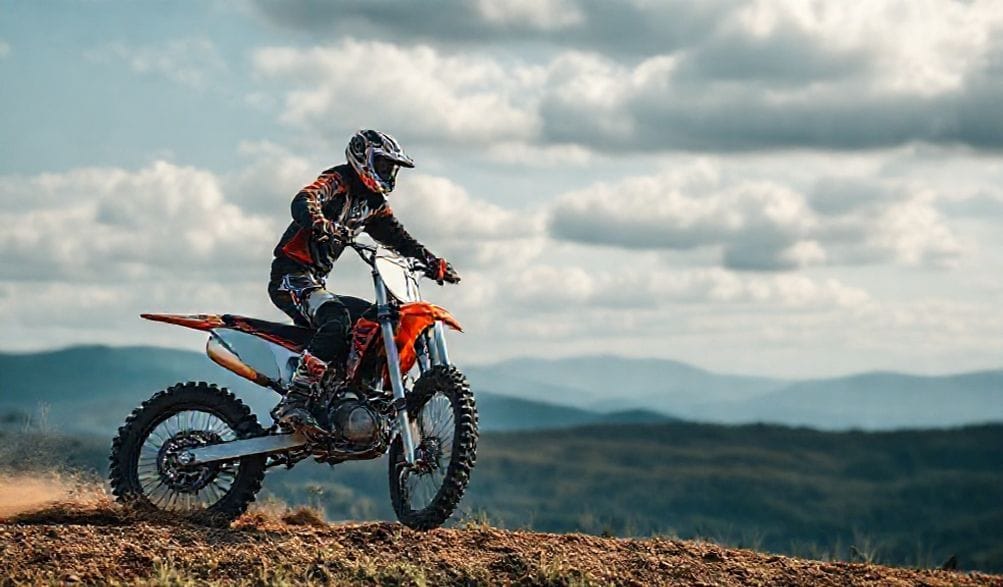
Who Makes the Best MX Bikes? A Deep Dive into Top Dirt Bike Companies
For riders chasing the ultimate motocross (MX) experience, the question isn’t just “what’s the best dirt bike?” pero “who is the best dirt bike company?” This distinction is everything. Your choice of manufacturer shapes your bike’s personality, its willingness to work with you, its resilience on race day, and ultimately, your passion for the sport. Brand loyalty runs deep in motocross, often passed down through generations, but blind allegiance can lead you to a machine mismatched to your needs.
This guide cuts through the marketing hype, tribal debates, and glossy brochures to provide a clear, expert analysis of the leading manufacturers battling for supremacy between the tapes. We won’t just list names; we’ll dissect them based on a framework of engineering innovation, race-proven performance, real-world reliability, and long-term value. Whether you’re a beginner eyeing your first 250F or a seasoned vet looking for that last competitive edge, this deep dive will equip you to make an informed decision that aligns perfectly with your skill level, riding style, and competitive goals.
Evaluating the Contenders: What Makes a Top-Tier MX Manufacturer?
Before we crown any champions, we must establish the criteria that separate the legendary from the merely good. In motocross, success is measured in split-seconds and durability over brutal terrain. Our framework ensures recommendations are based on substance, not just storied logos.
Core Engineering & Technological Innovation
The heart and soul of any MX bike is its engineering philosophy.
* Engine Performance & Character: It’s not just about peak horsepower. It’s about cómo that power is delivered. Does the bike have a linear, tractable powerband that forgives mistakes, or a violent, top-end hit that rewards precise throttle control? We analyze the architecture—the simplicity of a 2-stroke versus the complexity and torque of a modern 4-stroke—and the resulting torque curve that defines the riding experience.
* Chassis & Suspension Dynamics: The engine is the muscle, but the chassis is the skeleton. We examine frame materials (the flex characteristics of chromoly steel versus the precise rigidity of aluminum), geometry (rake, trail, wheelbase), and the critical integration with suspension components from industry leaders like Kayaba (KYB), Showa, and WP. How a bike absorbs a slam and transitions from corner to jump face is dictated here.
* Weight & Handling: The eternal MX dilemma: lightweight agility versus stable, planted confidence. The best manufacturers perform a masterful balancing act, shaving grams without sacrificing strength, creating bikes that feel flickable in the air yet planted at speed.
Proven Performance & Racing Heritage
Motocross is the ultimate proving ground. What wins on Sunday sells on Monday.
* Motocross & Supercross Championships: We take a data-driven look at AMA Pro Motocross, Monster Energy Supercross, and FIM World Championship titles. Consistent podium presence is the most objective benchmark of a bike’s performance under the most extreme stress imaginable.
* Technology Transfer: The true mark of a great company is how effectively its factory racing R&D trickles down to the showroom floor. Are the production bikes beneficiaries of genuine race innovation, or is the tech reserved for the semi-truck?
Reliability & Long-Term Ownership Costs
Speed is meaningless if the bike is on a stand. Real-world riding involves budgets and wrenching.
* Build Quality & Durability: Beyond the first ride, how do components hold up? We assess common maintenance intervals (piston hours, valve checks), known model-year quirks, and overall longevity based on mechanic forums, long-term tests, and fleet data.
* Parts & Service Ecosystem: When something does break (and it will), how easy and costly is the fix? The availability and price of OEM parts, the breadth of the aftermarket support, and the density of authorized, knowledgeable dealers are critical to uptime.
Model Range & Rider Support
A great company grows with its riders.
* Lineup Breadth: Does the brand offer a clear path from a kid’s first 50cc to a full-factory edition 450cc machine? A comprehensive range catering to all ages and skill levels indicates deep commitment to the sport.
* Dealer Support & Community: A knowledgeable local dealer is an invaluable resource. Furthermore, brand-sponsored riding schools, demo days, and vibrant online/offline owner communities enhance the ownership experience far beyond the purchase.
In-Depth Analysis of Leading MX Bike Companies
Here is the detailed, side-by-side look at the primary manufacturers defining modern motocross.
KTM / Husqvarna / GASGAS (The Pierer Mobility Group)
The Austrian powerhouse and its sister brands represent the most formidable force in contemporary motocross.
* Brand Positioning & Differentiation: This is a masterclass in platform sharing with brand distinction. All three share the same core engine architecture (for each respective displacement). KTM is the aggressive, orange-hued standard-bearer. Husqvarna, with its white/blue/yellow heritage, offers a slightly more refined feel with composite subframes and different suspension mapping. GASGAS, the red newcomer, is positioned as the accessible, value-oriented entry into this high-tech family, often with slight spec variations.
* Strengths: Relentless innovation. They pioneered features now considered premium standards: hydraulic clutches, electric start across the range, advanced traction control, and ultra-lightweight construction. Their recent dominance in premier class racing is a direct result of this R&D focus. The commitment to 2-strokes (SX models) alongside 4-strokes is also a huge draw.
* Consideraciones: This technology and performance come at a premium price point, often the highest in the class. The performance-focused design can demand more attentive and frequent maintenance compared to some Japanese rivals. The sheer amount of adjustability can also be overwhelming for a novice.
Yamaha
The tuning fork brand is synonymous with blue-chip reliability and timeless performance.
* The Legacy of Reliability: Yamaha is renowned for building almost indestructible engines. The YZ450F powerplant, in particular, is legendary for its robustness. The handling is consistently described as predictable, neutral, and confidence-inspiring—a bike that communicates clearly with the rider.
* Key Innovations: Yamaha revolutionized the sport with the first modern four-stroke motocrosser, the YZ400F in 1998. Today, their standout tech is the Yamaha Power Tuner App, a Bluetooth-enabled device that allows riders to adjust fuel and ignition maps from their smartphone, a feature others are still scrambling to match.
* Current Standing: A perennial favorite for privateers, weekend warriors, and anyone whose budget values durability and linear power over chasing the absolute latest gadget. While sometimes critiqued for incremental updates, their bikes are always complete, competitive, and trustworthy packages.
Kawasaki
The Green Machine is the brute of the bunch, favoring raw power and robust construction.
* The Green Machine’s Philosophy: Kawasaki’s ethos is built on potent, explosive powerbands. Their engines are known for strong bottom-end grunt that pulls hard into a thrilling top-end rush. The chassis are traditionally sturdy, designed to handle this power and the demands of aggressive riders.
* Race-Bred Development: Decades of success in Supercross and Motocross, with legends like Ricky Carmichael and Ryan Villopoto, have cemented its race pedigree. Development is continuous and aggressive, often seen in significant engine and frame updates.
* Target Rider: The aggressive rider who prioritizes maximum horsepower output and a solid, unflinching platform. The Kawasaki rewards a commanding, physical riding style and isn’t afraid to let you know there’s a monster under you.
Honda
The wing emblem represents engineering precision, refinement, and a profound influence on the sport’s history.
* Engineering Excellence & Refinement: Honda’s bikes are the benchmark for flawless fit-and-finish. Their power delivery is often described as the most user-friendly—smooth, tractable, and manageable, which ironically can make them deceptively fast. Innovations like the Unicam engine design reduce weight and center of mass.
* Heritage & Influence: Honda changed the game repeatedly: with the iconic Elsinore two-strokes and again with the first mass-produced aluminum frame on the 1997 CR250R. This legacy of innovation is woven into their DNA.
* Modern Appeal: Modern CR-F models are known for exceptional cornering prowess and a balanced, “flickable” feel. They are frequently recommended for riders developing proper technique, as their manageable power allows focus on braking, lines, and body position without being overwhelmed.
Suzuki
The yellow brand is the passionate underdog, carrying a legacy of razor-sharp handling.
* The Underdog with Pedigree: Suzuki’s RM series, particularly the two-stroke RMs of the 2000s, are still revered for having the sharpest, most responsive handling in history. While their model update cycle has been less frequent recently, they’ve maintained a cult following.
* Current Model Strategy: The current RM-Z models are often praised for having the most “fun” and agile-feeling chassis, especially in the 250cc class. They turn with an almost telepathic willingness.
* Value Proposition: Suzuki typically positions itself as the high-value option. When they do release an updated model, it often packs strong performance and features at a very competitive price point, making it an attractive choice for budget-conscious racers who prioritize nimble handling.
Making Your Choice: Aligning Brand with Riding Style & Goals
Now, let’s apply this analysis to your specific situation. The “best” bike is the one that best fits para ti..
For the Beginner / Trail Crossover Rider
Your priorities are manageability, forgiveness, and lower running costs.
* Recommendations: Look for a bike with a linear, tractable powerband. A Yamaha YZ250F or Honda CRF250R is an excellent starting point. Consider the value proposition of a Suzuki RM-Z250 or the accessible entry of a GASGAS MC 250F. Don’t overlook a modern 2-stroke 125cc or 250cc from KTM/Husqvarna/GASGAS for their simplicity and lower rebuild costs.
* Dealer Support is Key: A good local dealer to help with setup, answer questions, and provide service is invaluable as you learn maintenance basics.
For the Amateur / Weekend Warrior Racer
You need competitive performance that doesn’t obliterate your budget.
* Matching Bike to Conditions: Are you a sand specialist who needs relentless torque (leaning Kawasaki or KTM)? Or a hard-pack technician who values cornering and agility (leaning Honda or Suzuki)? Match the bike’s character to your local tracks and personal aggression.
* The Performance-Budget Balance: A Yamaha or Honda might offer longer intervals between top-end rebuilds. The premium tech on a KTM could shave seconds but may have higher consumable parts costs. Be honest about your maintenance budget.
For the Aspiring Pro / Serious Competitor
You’re chasing every hundredth of a second and need a tool that won’t hold you back.
* Prioritizing the Edge: Class-leading technology and direct factory connection support become paramount. This is where the KTM Group’s relentless innovation often shines. The smallest adjustments in mapping, suspension, and chassis flex offered by the top-tier models are your tools.
* Reliability as a Performance Metric: For a pro, a practice bike that runs consistently is as important as a race bike’s peak power. The robustness of brands like Yamaha and Kawasaki has real value here, alongside the extensive parts availability for all major Japanese and Austrian brands.
Essential Considerations Beyond the Brand
The manufacturer badge is just the beginning. Owning and riding an MX bike at its potential involves these critical factors.
The Critical Role of Setup & Tuning
A stock bike is a starting point, not a finished product.
* Suspension is Everything: Proper suspension tuning for your weight, speed, and local track conditions is more important than the brand name on the fork lugs. Setting the correct race sag is the single most impactful free adjustment you can make.
* Clickers vs. Re-Valving: Learn to use compression and rebound clickers. When you’ve maxed out their range, investing in a professional re-valve and spring swap tailored to you is a better use of money than hopping to a new bike brand.
The True Cost of MX Ownership
The MSRP is merely the entry fee.
* Budgeting Beyond the Bike: Factor in: Gear ($1,000+), Maintenance (oil, filters, air filters, chains/sprockets), Fuel & Oil (premium fuel, 2-stroke oil), Tires (a major recurring cost), and Unexpected Repairs (levers, plastics, bent rims).
* Depreciation & Resale Value: Japanese bikes, particularly Yamaha and Honda, often have a slight edge in long-term resale value due to their reputation for reliability. New models and significant updates cause immediate depreciation on older designs.
FAQ: Your Top Questions on Dirt Bike Companies, Answered
Q1: Is there truly a single “best dirt bike company” for everyone?
R: Absolutely not. This is the core takeaway. The “best” company is the one that builds the bike best suited to su specific riding style, skill level, local terrain, and budget. A beginner’s best bike prioritizes forgiveness and reliability, which is a completely different machine from a pro’s best bike, which chases peak performance and cutting-edge adjustability.
Q2: Why are KTM and its sister brands so dominant in recent racing?
R: Their dominance stems from a massive, focused investment in motorsports R&D, a corporate culture obsessed with lightweight engineering, and a factory racing program that operates with near-seamless technology transfer to production bikes. Their commitment to developing both 2-stroke and 4-stroke platforms also gives them a unique breadth of competitive options.
Q3: Are Japanese brands like Yamaha and Honda falling behind?
R: Not at all. They maintain enormous global market share and are revered for unparalleled reliability and refined, holistic engineering. Their development cycles may be more measured and incremental compared to the Austrian approach, but they produce exceptionally competent, durable, and race-winning machines that have fiercely loyal followings. They excel at perfecting a concept.
Q4: How important is having a local dealer for my chosen brand?
R: For most riders, it’s extremely important. A good local dealer provides expert setup advice, reliable warranty service, quick access to OEM parts, and technical support. It also often signifies a stronger local rider community for that brand. For common brands (all listed here), aftermarket parts support is also larger and more readily available.
Q5: Should I buy new or used for my first serious MX bike?
R: For your first serious bike, a well-maintained used bike (2-3 years old) is often the wisest financial decision. The steepest depreciation has already occurred, and you can get near-current performance for significantly less money. Use the savings for gear, suspension tuning, and maintenance. Always have a knowledgeable person inspect a used bike. Buying new guarantees known history, the latest features, and warranty, but you pay a premium for it.
Conclusión
La búsqueda de la best dirt bike company reveals a motocross landscape rich with engineering excellence, where each major manufacturer brings a distinct and compelling philosophy to the starting gate. The KTM Group brands push the envelope of technology, weight savings, and aggressive performance. Yamaha and Honda offer masterclasses in reliability, refined engineering, and rider-friendly precision. Kawasaki delivers unapologetic brute power on a robust platform, while Suzuki provides agile, fun handling with strong value.
Ultimately, the best MX bike for you is a deeply personal equation. It balances the objective metrics of horsepower, suspension travel, and dry weight with the subjective, almost magical feel of how the bike communicates with you through the pegs, seat, and bars. Your perfect bike is the one that fills you with confidence, makes you want to ride longer, and allows your skills to flourish.
We recommend using this guide as a starting point, then visiting authorized dealers. Sit on the bikes. Feel the ergonomics. Talk to the technicians. If possible, attend a demo day. Invest time in your research, prioritize proper bike setup from day one, and remember that relentless focus on developing your own technique will make you faster than any brand switch ever will. Choose the machine that feels like a partner in that journey.
METADATA_START—
DISPLAY_TITLE: The Ultimate Guide to the Best Dirt Bike Companies: Who Makes the Best MX Bikes?
SEO_TITLE: Best Dirt Bike Company 2024? KTM vs Yamaha vs Honda MX Comparison
META_DESC: Searching for the best dirt bike company? Our expert guide compares KTM, Yamaha, Honda, Kawasaki & Suzuki on performance, reliability & value to find your perfect MX bike.
IMG_PROMPT: A dynamic, professional photograph of a modern motocross bike from a low angle, mid-air over a jump on a sun-drenched racetrack. The bike’s brand logo (e.g., KTM, Yamaha, Honda) should be clearly visible on the front number plate and shrouds. The rider is in aggressive racing posture, with roost and dirt flying in the background. The image should convey speed, power, and high-performance technology.
—METADATA_END—