
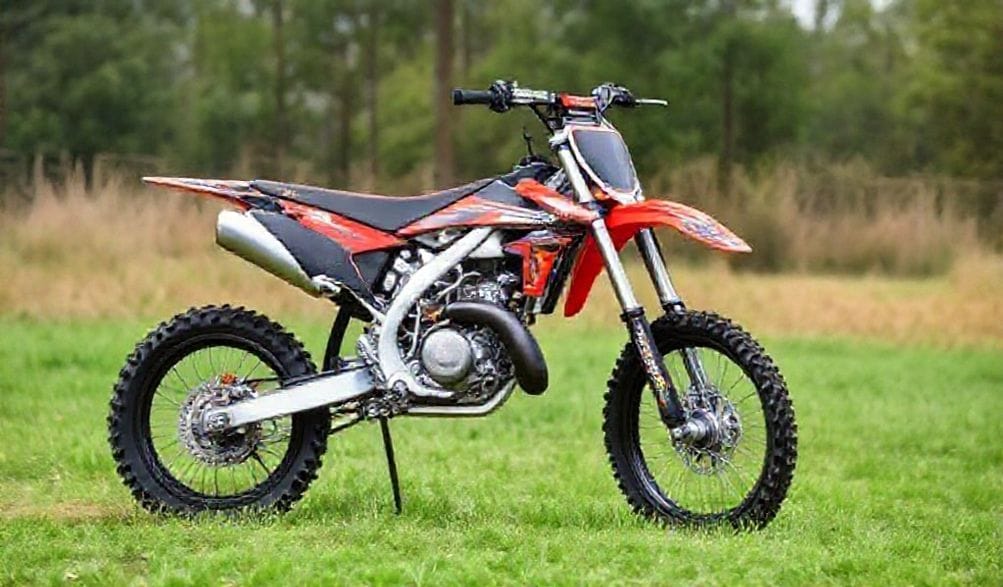
The Best Dirt Bikes for 12-Year-Olds: A 2024 Safety & Performance Guide
The roar of an engine, the smell of fresh earth, and the triumphant grin of a kid conquering a trail—dirt biking offers more than just a thrill. For a 12-year-old, it’s a gateway to building unshakeable confidence, razor-sharp coordination, and a lifelong love for the outdoors. It’s about problem-solving on the fly, learning respect for machinery, and experiencing pure, unadulterated joy. If you’re searching for the best dirt bike for your 12-year-old, you already know this is a pivotal moment. They’re rapidly outgrowing those beginner 50cc and 70cc bikes but are clearly not ready for the towering power and weight of adult machines. The quest is for that perfect middle ground: a machine that balances manageable power, appropriate size, and built-in safety to foster growth, not fear.
This guide is built on a foundation of hands-on experience, meticulous analysis of manufacturer specifications, and, above all, a paramount focus on safety. Our goal is to cut through the noise and help you make a confident, informed decision for your young rider. We’ll break down the key factors—from engine size and seat height to critical safety features—provide detailed reviews of 2024’s top models, and outline the essential gear that completes the package for thrilling and safe adventures.
Why Choosing the Right Bike for a 12-Year-Old is Crucial
At age 12, a child is at a unique crossroads of physical and skill development. Getting the bike wrong here can either stunt their passion with a machine that’s too intimidating or bore them with one they’ve outgrown before the season ends. The right choice fuels progression.
The 12-Year-Old Rider Profile: Skills and Growth
The average 12-year-old boy stands between 4’8″ and 5’2″ and weighs 75 to 100 pounds. Girls are typically in a similar height range, perhaps slightly shorter on average. But averages are just a starting point—measuring your child is key. This age marks a significant transition from a pure beginner to an intermediate rider. They’ve (hopefully) mastered the basics: throttle control, braking, balance, and turning. Now, they’re ready to link those skills together, tackle varied terrain, and perhaps even learn controlled acceleration and jumping. The bike must cater to this evolving skillset, offering enough performance to be engaging but not so much that it becomes uncontrollable. Furthermore, with growth spurts on the horizon, considering a bike with a little “room to grow”—but not too much—is a smart financial and practical move.
Safety First: The Non-Negotiables
Safety in youth riding is inextricably linked to proper equipment, and the bike itself is the most critical piece. A bike that is too tall forces a rider to tip-toe at stops, leading to drops and instability. One that is too heavy becomes unmanageable in tricky situations, increasing fatigue and the risk of a crash. Most importantly, a bike that is overpowered is a direct safety hazard. It can easily outpace a young rider’s reaction time and skill level, leading to whiskey-throttle incidents and loss of control. Conversely, an underpowered bike can be dangerous in its own right, struggling to climb hills or get out of obstacles, potentially causing frustration and poor riding habits. The right fit manages power delivery and physical dimensions to keep the rider in control.
Key Factors in Choosing a Dirt Bike for a 12-Year-Old
Navigating specifications can be daunting. Let’s translate the key metrics into practical decision-making tools.
Engine Size (cc): The Power Sweet Spot
For most 12-year-olds, the engine sweet spot lies between 110cc and 125cc. This range provides ample power for trails, fields, and introductory track riding without being overwhelming.
* 110cc: Often found in “big wheel” versions of popular mini bikes (e.g., KLX110R). Excellent for lighter riders, beginners, or those moving up from a 50/70cc. Focuses on manageable, linear power.
* 125cc: The quintessential bike for this age group (e.g., CRF125F, TT-R125). Offers more torque and top-end speed, perfect for riders with some experience or those on the taller/heavier side.
You’ll also encounter the 2-stroke vs. 4-stroke debate. For this age group:
* 4-Stroke (e.g., Honda, Yamaha, Kawasaki trail bikes): The default recommendation. They deliver smooth, predictable torque, are easier to ride, and are more forgiving. Maintenance is generally simpler (oil changes, valve checks), and they are quiet and fuel-efficient.
* 2-Stroke (e.g., KTM 85 SX): Designed for aggressive, track-oriented riding. They have a “power band”—sudden, explosive power that hits higher in the RPM range. They require more precise clutch and throttle control, are louder, and need gas/oil mixing. Best suited for a competitive, experienced young rider with adult supervision.
Fit and Ergonomics: More Than Just Seat Height
Seat height is the most critical measurement. Here’s how to get it right:
1. Have your child stand in their riding boots.
2. Measure their inseam (from crotch to floor).
3. The bike’s altura del asiento should be no more than 1-2 inches above their inseam. At a minimum, they should be able to comfortably touch the balls of both feet to the ground. Flat-footing is ideal for beginners.
| ~110 kg | 134 kg | ~110 kg | is equally crucial. A bike weighing 150-200 lbs needs to be manageable for a 75-100 lb child to maneuver, pick up, and control. Japanese trail bikes often strike a good balance here.
Bike Type: Motocross vs. Trail Bikes
- Motocross (MX) Bikes: Lightweight, powerful, with stiff suspension designed for jumping and high-speed track performance. They often lack features like electric start and lights. Best for dedicated track use by an experienced rider.
- Trail/Play Bikes: Built for durability, ease of use, and versatility. They feature softer, more forgiving suspension for rough terrain, often have electric start, and are geared for tractable power. This is the recommended category for the vast majority of 12-year-olds.
Key Features to Look For
- Arranque Eléctrico: A game-changer for young riders. Eliminates the frustration and fatigue of kick-starting, especially after a stall on a hill.
- Adjustable Throttle Limiter: A plastic screw that limits how far the throttle can be twisted. An invaluable tool for parents to restrict power while a rider gains confidence.
- Frenado: Disc brakes (especially hydraulic) offer superior stopping power and control compared to older drum brakes. Look for them at least on the front wheel.
Top 5 Dirt Bikes for 12-Year-Olds: 2024 Reviews
1. Honda CRF125F
The All-Around, No-Drama Champion
Key Specs: 125cc 4-Stroke, Seat Height: 29.5″, Weight: 203 lbs.
Ventajas: Legendary Honda reliability and build quality. Ultra-smooth, predictable power perfect for learning. Low-maintenance engine. Excellent resale value.
Contras: Heavier than some competitors. Still uses a kick-start (though it’s famously easy).
Best For: The rider who values durability, ease of use, and a trusted brand above all. The quintessential “do-it-all” trail bike.
2. Kawasaki KLX110R
The Playful Confidence-Builder
Key Specs: 112cc 4-Stroke, Seat Height: 26.8″ (L version: 29.3″), Weight: 168 lbs.
Ventajas: Incredibly lightweight and nimble. Very low seat height on the standard model helps shorter riders. Smooth, controllable power. Often comes with a throttle limiter.
Contras: The standard model can be outgrown quickly by taller 12-year-olds (opt for the KLX110R L with bigger wheels).
Best For: Younger 12-year-olds, lighter riders, or those transitioning from a 50cc. Builds fantastic fundamentals.
3. Yamaha TT-R125LE
The User-Friendly Favorite
Key Specs: 125cc 4-Stroke, Seat Height: 31.1″, Weight: 194 lbs.
Ventajas: Electric start is a massive advantage. Smooth, tractable engine. Great, plush suspension for trail riding. A bit more modern feel than the Honda.
Contras: Slightly taller seat height may exclude shorter riders.
Best For: The rider who wants modern conveniences (e-start) and a slightly more performance-oriented feel than the CRF125F, while maintaining total manageability.
4. KTM 85 SX
For the Aspiring Motocross Racer
Key Specs: 85cc 2-Stroke, Seat Height: 35.0″, Weight: 154 lbs.
Ventajas: Extremely lightweight and powerful for its size. Top-tier, adjustable suspension and components. A true competitive race bike.
Contras: Aggressive powerband requires skilled clutch/throttle control. Tall seat height. High-strung, requiring more maintenance. Kick-start only.
Best For: The experienced, aggressive 12-year-old who lives at the motocross track and is ready for competitive racing under expert guidance.
5. Suzuki DR-Z125L
The Capable and Sturdy Contender
Key Specs: 125cc 4-Stroke, Seat Height: 31.5″, Weight: 194 lbs.
Ventajas: Robust and simple design. Proven, reliable engine shared with its predecessors. Good, predictable power for trails.
Contras: Design is a bit dated compared to rivals. Often lacks the latest features (e.g., no e-start on base model).
Best For: The rider or parent looking for a dependable, no-frills workhorse that gets the job done without breaking the bank.
Essential Safety Gear: Completing the Package
The bike is only half the equation. Gear is non-negotiable safety equipment, not optional accessories.
The Absolute Must-Haves
- Casco: Must be DOT-certified at a minimum; SNELL or ECE 22.06 are superior standards. It must fit snugly without pressure points. Replace after any significant impact.
- Botas: Motocross-specific boots are critical. They protect ankles from twists and breaks, shield feet from impacts, and provide essential support. Street boots or work boots are dangerously inadequate.
- Guantes: Protect hands from blisters, branches, and abrasion in a fall. Improve grip and control.
Highly Recommended Protection
- Gafas: Protect eyes from dirt, rocks, and branches. Look for anti-fog and tear-off features.
- Chest Protector: Shields the torso, ribs, and back from roost and impacts.
- Protectores de rodilla/espinilla: Protect these vulnerable joints and bones from impacts with the bike or ground.
- Protector de cuello: A serious but valuable investment that helps prevent severe cervical spine injuries by limiting excessive neck movement in a crash.
Parent’s Guide to Getting Started
Pre-Ride Preparation and Maintenance Checks
Instill the habit of a pre-ride check:
1. Neumáticos: Check pressure and for damage.
2. Límpialo y engrásalo regularmente. Un filtro sucio es un asesino de motores. Verifique la tensión y lubricación.
3. Controles: Ensure throttle snaps back, brakes work, levers are tight.
4. Fluidos: Verifique los niveles de combustible y aceite.
5. Fasteners: Give critical bolts (axles, handlebar clamp) a visual check for tightness.
Finding Places to Ride Legally and Safely
- Pistas de Motocross: Often have practice days for all skill levels.
- OHV (Off-Highway Vehicle) Parks: Designated public lands for trail riding.
- Terreno Privado: Always get explicit permission.
- Rider Courses: Organizaciones como la MSF (Fundación para la Seguridad de Motociclistas) Ofrece escuelas de motocross que son invaluables para enseñar los fundamentos correctos en un entorno controlado.
Enseñanza de Fundamentos y Supervisión
Comience en un área plana y abierta. Practique ejercicios básicos: ochos, frenado, equilibrio a baja velocidad. Su rol es el de entrenador y oficial de seguridad, no solo espectador. Establezca límites y reglas claras. Monten juntos si es posible: es la mejor manera de supervisar y compartir la experiencia.
Preguntas Frecuentes (FAQ)
P: ¿Cuál es la mejor moto de cross inicial para un niño de 12 años sin experiencia?
R: Por lo general, una moto de trail de 4 tiempos 110cc (como la Kawasaki KLX110R o la Honda CRF110F) es ideal. Su altura de asiento baja, peso ligero y potencia ultra manejable son perfectos para desarrollar fundamentos de manera segura.
P: ¿Puede un niño de 12 años manejar una moto de cross de 250cc?
R: No recomendado. Una motocicleta de tamaño completo de 250 cc es abrumadoramente potente, pesada (más de 230 libras) y alta (altura del asiento superior a 37 pulgadas) para casi todos los niños de 12 años. Representa un riesgo de seguridad significativo y puede apagar rápidamente la confianza de un nuevo piloto. Siempre ajuste la motocicleta al tamaño y habilidad actual del conductor.
P: ¿Cuánto debo esperar gastar en una moto de cross nueva para un niño de 12 años?
R: Las motos nuevas en la categoría de 110cc-125cc oscilan aproximadamente entre $2,500 y $4,500 MSRP. Es crucial presupuestar siempre un adicional de $500 a $1,000 para equipo de seguridad esencial y de alta calidad.
P: ¿Es buena idea comprar una moto de cross usada para mi hijo/a?
R: Puede ser una excelente manera de ahorrar dinero, Si usted tiene conocimientos o puede llevar un mecánico de confianza. Inspeccione minuciosamente en busca de daños en el chasis (grietas, dobleces), condición del motor (humo, ruidos extraños) y desgaste general. Una moto usada mal mantenida puede ser insegura y terminar costando más en reparaciones.
P: ¿Qué debo hacer si la moto es un poco demasiado alta para mi hijo/a?
R: Ajustes menores como eslabones de bajada (para la suspensión trasera) y rebajar el asiento pueden ayudar. Sin embargo, estas son soluciones pequeñas. Casi siempre es mejor elegir una moto del tamaño correcto desde el principio. El piloto debe poder tocar el suelo cómodamente con las puntas de ambos pies.
Conclusión
Elegir la best dirt bike for your 12-year-old mejor moto en última instancia se reduce a un principio: la moto “ideal” es la que se ajusta correctamente a la complexión física única de su hijo/a, su nivel de habilidad actual y el estilo de conducción previsto. Para muchos, la Honda CRF125F o la Yamaha TT-R125LE servirán como un punto de partida excelente y confiable para años de aventura. Recuerde, esta decisión es una piedra angular de la seguridad y el crecimiento. Priorice el ajuste adecuado y la potencia controlable sobre las especificaciones de rendimiento bruto. Invertir en equipo de protección de primera calidad y en un entrenamiento adecuado para el piloto es tan importante como la moto en sí.
La máquina correcta abrirá un mundo de aventuras, creará recuerdos duraderos y enseñará lecciones de responsabilidad y perseverancia que van mucho más allá de los senderos. Investigue, involucre a su hijo/a en el proceso (¡permítale sentarse en diferentes modelos!) y prepárese para la aventura de su vida.
¿Tiene más preguntas o quiere compartir su experiencia? ¡Deje un comentario a continuación! Para los próximos pasos, recomendamos encarecidamente visitar concesionarios autorizados para que su hijo/a se siente y sienta los diferentes modelos en persona.
METADATA_START—
DISPLAY_TITLE: Las Mejores Motos de Cross para Niños de 12 Años (Guía 2024)
SEO_TITLE: Mejor Moto de Cross para Niños de 12 Años | Guía de Compra y Seguridad 2024
META_DESC: ¿Busca la mejor moto de cross para su hijo/a de 12 años? Nuestra guía 2024 compara los mejores modelos de 110cc y 125cc, se centra en la seguridad, el ajuste y las características clave para ayudarle a elegir sabiamente.
IMG_PROMPT: Un feliz piloto de 12 años con equipo de seguridad completo, sobre una moto de cross Honda CRF125F roja, parado con confianza en un sendero forestal bañado por el sol, con un padre/madre observando cerca. Toma de acción, fotografía profesional, enfoque nítido.
—METADATA_END—