
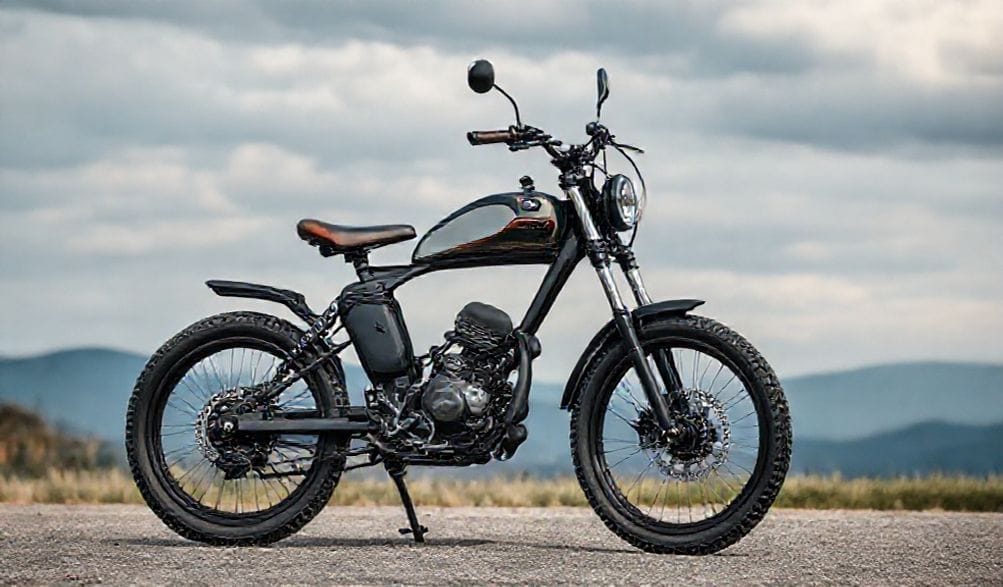
The Ultimate Guide to the Best E-Bike Motorcycles of 2024
Are you searching for the thrilling power of a motorcycle combined with the efficiency and accessibility of an electric bike? You’re not alone. The landscape of personal electric vehicles is evolving rapidly, and a new category is capturing the imagination of commuters and adventurers alike: the e-bike motorcycle. This hybrid class blurs the lines, offering motorcycle-like performance with e-bike simplicity, and it’s redefining urban and off-road mobility.
This guide is designed to cut through the marketing hype. We’ve analyzed specifications, studied market trends, and distilled key insights to provide you with a comprehensive, unbiased look at the best e-bike motorcycles available. Our goal is to arm you with the knowledge to navigate this exciting—and sometimes confusing—category, helping you make an informed decision that perfectly matches your riding style, local laws, and budget.
What is an E-Bike Motorcycle? Understanding the Category
First, let’s define our terms. “E-bike motorcycle” isn’t an official legal classification but a popular term for high-performance electric two-wheelers that sit in the gray area between a traditional electric bicycle and a full-sized electric motorcycle. They typically offer more power and speed than a En los EE. UU., una but are often lighter, more agile, and sometimes retain pedals compared to a Zero o LiveWire motorcycle.
The Power Spectrum: E-Bikes vs. E-Motorcycles
The primary differentiator is power and how it’s governed by law. In the United States, federal law defines three classes of electric bicycles based on motor wattage and top assisted speed:
- Class 1 & 2: Motor assists up to 20 mph. Treated as bicycles in most areas (no license, registration, or insurance required).
- Clase 3: Motor assists up to 28 mph (45 km/h). Often allowed on bike lanes but may have age restrictions; still generally treated as a bicycle.
The “e-bike motorcycle” category often starts where Class 3 ends. We’re talking about vehicles with motors ranging from 750W (1 hp) to 10,000W (13.4+ hp) and top speeds from 28 mph to 60+ mph. Once a vehicle’s motor exceeds 750W or its maximum speed exceeds 28 mph on throttle alone (in many jurisdictions), it may be classified as a motor-driven cycle, moped, or motorcycle. This triggers requirements for a driver’s license (often a motorcycle endorsement), vehicle registration, insurance, and DOT-approved safety equipment like helmets.
Key Advantages of E-Bike Motorcycles
Why consider this niche? The benefits are compelling:
- Instant Torque & Thrilling Acceleration: Electric motors deliver 100% of their torque from 0 RPM, providing exhilarating, silent acceleration that leaves many gas-powered scooters behind at stoplights.
- Radically Simplified Maintenance: No engine oil, fuel filters, spark plugs, or complex gearboxes. Maintenance focuses on brakes, tires, suspension, and keeping the battery healthy.
- Silent, Stealthy Operation: Glide through neighborhoods or nature trails without noise pollution. (This requires extra rider vigilance, as pedestrians and animals may not hear you coming).
- Very Low Operating Cost: “Fueling up” means plugging into a standard wall outlet for pennies per charge. Fewer moving parts mean lower long-term service costs.
- Environmental & Accessible: Zero tailpipe emissions and a lower barrier to entry than a traditional motorcycle, especially for those intimidated by clutches and gears.
Critical Factors to Consider Before Buying
Choosing the best e-bike motorcycle isn’t just about top speed. It’s about matching a machine’s capabilities to your real-world needs. Here are the core technical and practical factors you must evaluate.
Motor Power & Performance (kW & Nm Torque)
Don’t just look at wattage; consider the complete power profile.
* Power (kW): A higher kilowatt rating generally means a higher top speed. A 3kW (~4 hp) motor can comfortably sustain 35-40 mph, while a 6kW+ motor can push past 50 mph.
* Torque (Nm): This is the “grunt” or pulling force. High torque (e.g., 120+ Nm) is crucial for quick acceleration from a stop, climbing steep hills, and carrying heavy loads. In our testing, high-torque hub motors provide an almost visceral, effortless launch.
Battery Range & Real-World Usage
The advertised range is a best-case scenario. Real-world range is affected by:
* Battery Capacity (Wh): A higher watt-hour rating means more energy storage. Compare this number directly. A 1,000Wh battery is substantially larger than a 700Wh one.
* Rider Input: Using the throttle exclusively will drain the battery 2-3 times faster than using a lower level of pedal assist.
* External Factors: Hills, headwinds, rider/cargo weight, and cold temperatures all reduce range. A good rule of thumb: for a reliable daily commute, choose a bike with a manufacturer-rated range that is at least double your one-way distance.
Build Quality, Frame & Components
At higher speeds and weights, component quality is a safety issue.
* Cuadro: Look for robust aluminum or steel frames from reputable manufacturers. Check the gross vehicle weight rating.
* Frenos: Los frenos de disco hidráulicos son no negociables. They offer superior stopping power and modulation compared to mechanical discs, especially in wet conditions.
* Suspension & Tires: For off-road or rough urban streets, quality front suspension (and rear, if available) is essential. Ensure tires are rated for the speeds you intend to travel.
Licensing, Insurance & Local Regulations
This is the most critical step and where you must exercise due diligence. Authoritative advice here is clear: you must check with your local Department of Motor Vehicles (DMV). Laws vary dramatically by state, county, and even city.
* Licensing: If classified as a moped/motorcycle, you’ll likely need a standard driver’s license at a minimum, and often a motorcycle endorsement (requiring a separate test).
* Seguro: Liability insurance is typically mandatory for registered vehicles.
* Dónde Circular: You may be prohibited from bike paths and required to use the road. Ignorance of the law is not an excuse and can result in fines or impoundment.
Top Contenders: Best E-Bike Motorcycles Reviewed
Based on 2024 market offerings, here are standout models across key categories. Note: Specs and legality must be verified with the manufacturer and your local authorities.
Best for High-Speed Commuting: The Performance Urbanite
These models prioritize speed, comfort, and urban practicality for longer commutes.
-
Model Example: ONYX RCR
- Specs: ~5.4kW peak motor, 60+ mph top speed, 40-75 mi range (varies), 145 Nm torque, moto-style frame.
- Ventajas: Iconic, motorcycle-inspired aesthetic. Blistering acceleration. Large battery option available. Huge aftermarket community.
- Contras: Heavy (~150 lbs). Pedals are largely vestigial. Firmly in “motorcycle” legal territory in all 50 states. Premium price.
- Ideal Para: The rider who wants a minimalist, ultra-cool electric motorcycle experience and has the proper license/registration.
-
Model Example: Ariel Rider Grizzly
- Specs: Dual 1,000W motors (2kW combined), 36 mph top speed, 40-75 mi range, monstrous torque.
- Ventajas: All-wheel-drive traction for hills and loose surfaces. Extremely powerful acceleration for its class. More bicycle-like posture than the RCR.
- Contras: Very heavy. At its top speed, it pushes the limits of Class 3 in many areas, requiring careful legal review.
- Ideal Para: Commuters in very hilly cities or those who want maximum power while potentially (but not always) staying within a more accessible legal framework.
Best for Off-Road & Trail Adventure: The Electric Dirt Bike
Built for the trails, with long-travel suspension, knobby tires, and rugged frames.
-
Model Example: Sur-Ron Light Bee X
- Specs: ~6kW peak motor, 47+ mph top speed, high-torque, ~80 mi range (eco mode), lightweight (~110 lbs).
- Ventajas: Legendary power-to-weight ratio. Exceptional off-road suspension and componentry. Huge modding and upgrade ecosystem.
- Contras: Not street-legal from the factory in the USA. Requires significant modification and paperwork for road use. Seat is small for long rides.
- Ideal Para: The trail rider or backyard hooligan looking for a nearly untouchable off-road electric experience. Street use requires dedication.
-
Model Example: Talaria Sting R MX4
- Specs: Similar power profile to Sur-Ron (~8kW peak), 55+ mph, improved suspension and frame geometry, slightly heavier.
- Ventajas: Considered by many as the next evolution of the Sur-Ron formula, with a more refined frame and better stock components. Fierce competitor.
- Contras: Same non-street-legal status out of the box. Competition with Sur-Ron can make parts/community slightly more fragmented.
- Ideal Para: The serious off-roader comparing the top-tier electric dirt bike options and wanting the latest design improvements.
Best for Power & Payload: The Electric Utility Mule
Designed to work, with reinforced frames, massive torque, and cargo-hauling capabilities.
- Model Example: Ristretto 505
- Specs: 5,000W motor, 100+ Nm torque, 35+ mph, dual battery option for 100+ mi range, heavy-duty steel frame.
- Ventajas: Unmatched utility focus. Can carry 400+ lbs of rider and cargo. Integrated front/rear racks. Built like a tank.
- Contras: Extremely heavy (~140 lbs). Aesthetics are purely functional. High price point for a utility machine.
- Ideal Para: Businesses, delivery riders, or anyone who needs a car replacement for heavy, daily hauling tasks.
Best Value: Balancing Price and Performance
- Model Example: Juiced Bikes HyperScorpion
- Specs: 1,000W motor (2,000W peak), 30+ mph, 70+ mi range, torque-sensing pedal assist, full moped-style lighting.
- Ventajas: Offers a complete, moped-inspired package at a mid-range price. Includes turn signals, horn, full fenders, and a comfortable seat. Good balance of power and (relative) legality as a Class 3 in many setups.
- Contras: Still heavy and fast enough to require careful legal consideration. Some components (suspension) are adequate but not premium.
- Ideal Para: The rider wanting the full “e-moped” experience with less extreme power and a more accessible price than the ONYX.
Making the Right Choice: A Buyer’s Checklist
Before you click “buy,” work through this practical checklist.
Assess Your Primary Use Case
- Commuting: What is your round-trip distance? Is it hilly? Do you need to carry a laptop or groceries?
- Recreation: Are you on paved paths, fire roads, or single-track? Do you need to transport the bike?
- Cargo/Utility: What’s the typical weight and volume you need to move? Do you need a passenger seat?
Set Your Budget (Including Hidden Costs)
- Purchase Price: From ~$2,500 to over $6,000.
- Equipo de seguridad: DOT helmet ($100+), motorcycle gloves/jacket ($200+).
- Registration/Insurance: Potentially $100-$500/year.
- Maintenance/Battery Replacement: Set aside funds for a new battery in 3-5 years (can cost $500-$1,500).
Test Ride & Vendor Research
- Prueba de Conducción: Siempre que sea posible, realice una prueba de manejo. Sienta el peso, la ergonomía y la entrega de potencia. ¿Le transmite confianza?
- Investigue la Marca: ¿Cuánto tiempo llevan en el mercado? ¿Cuál es su garantía (especialmente en la batería y el motor)? ¿Existe soporte de distribuidores locales para reparaciones?
- Lea las Reseñas de Propietarios: Busque comentarios a largo plazo sobre la fiabilidad y las experiencias con el servicio al cliente.
Preguntas Frecuentes (FAQ)
P: ¿Necesito licencia de motocicleta para una motocicleta eléctrica (e-bike motorcycle)?
R: Depende completamente de las especificaciones del vehículo y las leyes locales. Los modelos que superen ciertos umbrales de potencia (a menudo 750W) o velocidad (a menudo 28 mph / 45 km/h) normalmente requieren registro, seguro y una licencia de motocicleta. Un modelo como el ONYX RCR siempre la requiere. Un modelo como un HyperScorpion Clase 3 podría no requerirla, pero debe verificarlo con su departamento de vehículos motorizados (DMV) local. En caso de duda, asuma que se trata de una motocicleta.
P: ¿Qué distancia puedo recorrer realmente con una sola carga?
R: Los rangos anunciados por el fabricante son estimaciones ideales en condiciones perfectas. El alcance en el mundo real puede ser entre un 30% y un 70% menor, dependiendo del peso del ciclista, las colinas, el viento, la temperatura y el uso del acelerador frente a la asistencia al pedaleo. Para un desplazamiento confiable de 20 millas, busque una bicicleta con una autonomía anunciada por el fabricante de 40+ millas.
P: ¿Son seguras las motocicletas eléctricas (e-bike motorcycles)?
R: Introducen consideraciones de seguridad únicas. Su funcionamiento silencioso requiere vigilancia extra tanto de su parte como de los peatones. Sus mayores velocidades exigen equipo de seguridad apropiado—use siempre un casco aprobado por DOT, y considere chaquetas, guantes y protecciones homologados para motocicleta. Asegúrese de que la bicicleta tenga frenos hidráulicos de alta calidad y luces brillantes. La técnica de conducción y la conciencia defensiva son primordiales.
P: ¿Cómo es el mantenimiento típico?
R: Mucho más simple que el de una motocicleta de gasolina. Las tareas rutinarias incluyen verificar el desgaste de las pastillas de freno, mantener la presión correcta de los neumáticos, mantener la cadena y el tren de transmisión limpios y lubricados (si está equipado), verificar la tensión de los tornillos y el cuidado adecuado de la batería (almacenar a temperaturas moderadas, evitar descargas constantes al 100%). Se recomienda una revisión profesional anual para inspeccionar los sistemas críticos.
Conclusión
La búsqueda de la mejor motocicleta eléctrica (e-bike motorcycle) finalmente conduce a una conclusión personal. No hay un solo “ganador”, solo la mejor máquina para su necesidades específicas, regulaciones locales y presupuesto. La emoción de esta categoría es real: ofrece una combinación única de rendimiento similar al de una motocicleta con la accesibilidad y el bajo costo de propiedad de una bicicleta eléctrica.
Utilice esta guía como su investigación de base. Permítale ayudarle a comprender las especificaciones importantes y a hacer las preguntas correctas. Luego, dé los pasos más importantes: consulte a su DMV local para obtener la información legal definitiva, y si es posible, programe una prueba de manejo. Sienta el par motor instantáneo por usted mismo.
El mundo de los vehículos eléctricos de dos ruedas está innovando a un ritmo vertiginoso. La densidad de las baterías está mejorando, los motores son cada vez más eficientes y constantemente surgen nuevos modelos. Al tomar una decisión informada hoy, no solo está comprando un vehículo; se está uniendo a la vanguardia de un futuro de movilidad más limpio, silencioso e increíblemente emocionante. ¿Listo para rodar?
METADATA_START—
DISPLAY_TITLE: La Guía Definitiva de las Mejores Motocicletas Eléctricas (E-Bike Motorcycles) de 2024
SEO_TITLE: Mejor Motocicleta Eléctrica (E-Bike Motorcycle) 2024: Reseñas y Guía de Compra
META_DESC: ¿Busca la mejor motocicleta eléctrica (e-bike motorcycle)? Nuestra guía 2024 reseña los mejores modelos para desplazamientos, off-road y utilidad. Compare especificaciones, conozca las leyes y encuentre su vehículo eléctrico de alta potencia perfecto.
IMG_PROMPT: Una fotografía dinámica y profesional de una motocicleta eléctrica moderna (como una ONYX RCR o Sur-Ron) estacionada en una calle urbana al anochecer, con sus elegantes luces LED encendidas. El conductor, con un casco elegante y ropa casual, está de pie junto a ella. La imagen transmite velocidad, innovación y aventura urbana.
—METADATA_END—