
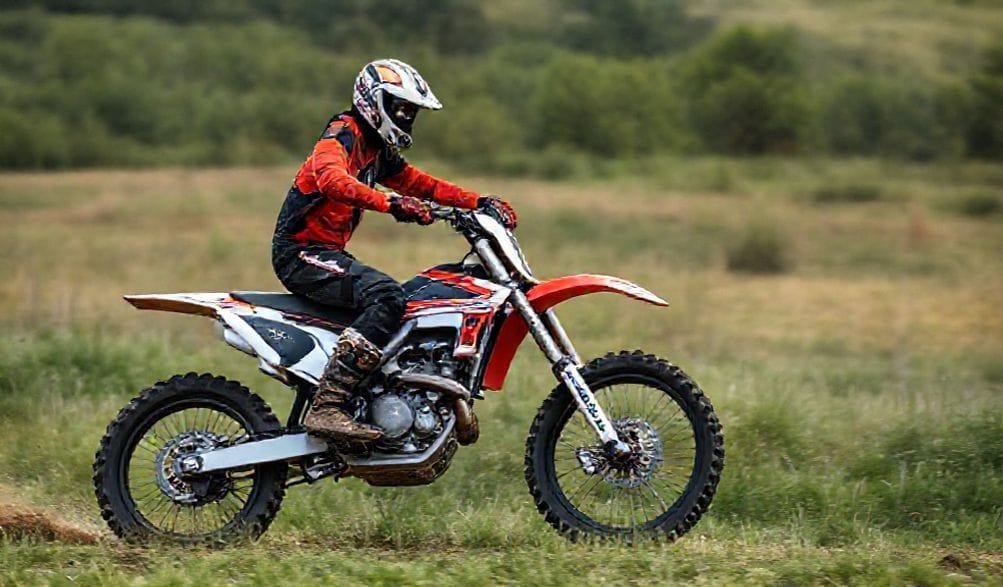
The Ultimate Guide to Dirtbikes for Adults: Choosing Your Off-Road Adventure
Have you ever felt the pull of an untamed trail, the itch to swap the hum of daily life for the roar of an engine and the scent of pine? That yearning for adventure, freedom, and a pure, physical challenge isn’t reserved for the young. More adults than ever are discovering that dirt biking offers a unique cocktail of exhilaration, fitness, and connection that’s hard to find anywhere else. But stepping into the world of two-wheeled off-road exploration can be daunting. With a dizzying array of bikes, technical jargon, and legitimate safety considerations, where do you even begin?
dual-sport dirtbike isn’t just about picking the coolest-looking machine; it’s the foundational decision that dictates your safety, enjoyment, and progression. A bike that’s too powerful or too tall can turn an exciting prospect into a frustrating—or dangerous—ordeal. Conversely, the right machine becomes an extension of yourself, unlocking trails, building confidence, and delivering pure, unadulterated joy.
This guide is built to cut through the noise. Drawing on years of rider experience, mechanical knowledge, and countless conversations in parking lots and on the trail, we’ll demystify the selection process. Our goal is simple: to arm you with the knowledge to make an informed, confident decision that aligns with your body, your skills, and your dreams of adventure. Let’s find your perfect off-road partner.
Why Ride a Dirtbike as an Adult? Beyond the Thrill
Forget the stereotype of reckless teenagers. Modern adult riders are discovering that dirt biking offers profound benefits that resonate deeply with a mature perspective. It’s more than an adrenaline hit; it’s a holistic hobby that pays dividends for your body, mind, and social life.
Physical Fitness and Mental Agility
Dirt biking is a full-body workout disguised as fun. You’re not just sitting there; you’re actively riding. Maintaining balance over rough terrain engages your core constantly. Standing on the pegs, absorbing bumps, and maneuvering the bike builds formidable leg and lower back strength. Your arms, shoulders, and hands develop endurance from steering and controlling the handlebars.
Perhaps more significant is the mental workout. Riding a trail demands 100% focus. You’re reading the terrain three steps ahead, making split-second decisions about line choice, throttle control, and braking. This intense, present-moment awareness is a form of “flow state” that sharpens your reflexes, improves coordination, and serves as a powerful cognitive reset. It’s chess at 30 miles per hour.
Stress Relief and Connection with Nature
In our hyper-connected world, the value of truly unplugging cannot be overstated. A dirtbike is your ticket to digital detox. Deep in the woods or out on a desert trail, the only notifications are the sounds of the engine, the wind, and wildlife. The immersive nature of the task—the need to focus solely on riding—pushes work deadlines, social media, and daily worries completely out of your mind. It’s a form of active meditation that leaves you physically tired but mentally refreshed and centered. You’re not just looking at nature; you’re moving through it, becoming a part of the landscape in a way hiking or even mountain biking can’t quite match.
Community and Lifelong Learning
The riding community is famously welcoming and supportive. From local riding clubs and forum meetups to organized trail days and amateur enduro events, there are countless ways to connect with like-minded people. This built-in social network provides camaraderie, shared stories, and a pool of experienced riders eager to offer tips.
Furthermore, dirt biking is a sport of endless progression. There is always a new skill to practice, a tougher hill to climb, or a tighter corner to master. This continuous learning curve is incredibly rewarding at any age. It fosters a growth mindset, humility, and the deep satisfaction that comes from tangible self-improvement.
Key Factors in Choosing an Adult Dirtbike
Selecting your first (or next) dirtbike is a personal equation. Ignore the “bigger is better” myth. The best bike is the one that fits para ti.. Let’s break down the non-negotiable factors.
Rider Height, Weight, and Inseam: The Foundation of Fit
This is the most critical starting point. A bike that doesn’t fit is uncomfortable, hard to control, and unsafe. The key metric is altura del asiento.
When you sit on the bike in riding gear, you should be able to touch the ground with at least the balls of both feet comfortably. For beginners, being able to get a solid foot down (or nearly flat-foot) is a huge confidence booster, especially when stopping on uneven terrain. Your weight also matters for suspension setup. Most stock suspension is sprung for an “average” rider (often around 160-180 lbs). Heavier riders will likely need to upgrade springs for proper handling and comfort. Don’t guess—go to a dealership and sit on as many bikes as you can.
Engine Size (cc) and Power Delivery
Engine displacement, measured in cubic centimeters (cc), is a rough indicator of power, but the engine’s character is just as important.
- Four-Stroke (4T): The most common type. They make smooth, predictable, torquey power, ideal for learning. They’re generally quieter and have better low-end grunt, making them easier to manage on technical trails. Maintenance intervals are typically longer than two-strokes, but top-end rebuilds are more complex.
- Two-Stroke (2T): Lighter and simpler mechanically, with a snappier, “hit-you-in-the-back” powerband. They require more active clutch and throttle control, which many experienced riders love. They require more frequent top-end rebuilds but the work is simpler.
General cc Guidance:
* Principiante: 125cc 2T or 230cc-250cc 4T. These offer manageable power to learn fundamentals without intimidation.
* Intermedio: 250cc 2T or 250cc-350cc 4T. A great balance of power and weight for progressing riders.
* Expert/Advanced: 300cc 2T or 450cc+ 4T. Massive power for experienced riders who can harness it.
Bike Type and Primary Terrain
What will you ride most? Be honest. Your answer defines the category.
- Trail Bikes: The perfect starting point for most adults. Think Honda CRF250F, Yamaha TT-R230, Kawasaki KLX230R. They feature:
- User-friendly, mild powerbands.
- Softer, plusher suspension for comfort over roots and rocks.
- Electric start (a godsend).
- Low seat heights and manageable weight.
- Tractable engines that won’t wear you out.
- Motocross (MX) Bikes: Built for the track. Models like the Yamaha YZ450F or KTM 250 SX are race machines.
- Aggressive, peaky powerbands for jumping and acceleration.
- Stiff, responsive suspension for absorbing big jumps.
- Lightweight but often lack kickstands, lights, and have tall seat heights.
- Not recommended for beginners or trail riding.
- Dual-Sport/Adventure Bikes: The “do-it-all” option. Honda CRF300L, Kawasaki KLX300, Suzuki DR-Z400S.
- Street-legal from the factory (lights, mirrors, horn, DOT tires).
- Heavier and more subdued than pure off-road bikes, but incredibly versatile.
- Perfect for connecting trails via backroads or commuting.
- Enduro/Hard Enduro Bikes: The ultimate off-road tool. KTM/Husqvarna/GasGas EX/XC-F/TX models, Beta RR, Sherco SE.
- A blend of motocross performance and trail bike usability.
- Strong, tractable engines, incredible suspension, and lightweight frames.
- Often come with lights, kickstands, and wider-ratio transmissions for technical, long-distance riding.
- A fantastic choice for a serious adult beginner with a bigger budget, or the natural upgrade from a trail bike.
Top Dirtbike Considerations for Adult Beginners
If you’re new to the sport, these three principles should guide your search above all else.
Prioritizing Manageable Power
The single biggest mistake a new adult rider can make is buying too much bike. A 450cc motocross bike might seem impressive, but its explosive power will hinder your learning, scare you, and increase your risk of injury. Start small to learn big. A 250cc four-stroke trail bike or a mild 250cc dual-sport will teach you proper clutch, throttle, and braking control. You’ll build confidence faster because you’re managing the bike, not surviving it. Speed and power can come later.
The Importance of Reliability and Low Maintenance
You want to ride, not wrench constantly. As a beginner, choose a bike known for bulletproof reliability. The Japanese trail bikes (Honda CRF-F series, Yamaha TT-R, Kawasaki KLX) are legendary for this. They have simple air-cooled or mild liquid-cooled engines, minimal electronics, and are designed to withstand neglect. This lets you focus on riding skills, not mechanical sympathy or complex maintenance procedures. When you do need to work on it, parts are cheap and plentiful, and tutorials are everywhere.
New vs. Used: A Practical Breakdown
This is a classic debate with clear trade-offs.
Ventajas de Moto Nueva:
* Warranty and peace of mind.
* Known history, zero wear.
* Latest features and technology.
* Dealer support for setup and questions.
New Bike Cons:
* Higher upfront cost.
* Significant depreciation the moment you ride it.
* The heartbreak of your first crash is more acute.
Depreciación significativa en cuanto sale del concesionario, costo inicial más alto.
* Lower entry cost.
* Depreciation hit already taken.
* Often comes with aftermarket upgrades.
Used Bike Cons:
* Risk of hidden problems.
* Unknown maintenance history.
* May need immediate investment in tires, chain, bearings, etc.
Trustworthy Used Bike Checklist:
* Ask for maintenance records.
* Check for obvious crash damage (bent bars, cracked plastics, leaking forks).
* Inspect wear items: sprocket teeth (hooked?), chain (rusted/tight?), tire tread.
* Feel the brake discs for deep grooves.
* Ask why they’re selling. A vague answer is a red flag.
* Always request a cold start. A bike that starts easily cold is a good sign.
Essential Gear: Your Non-Negotiable Safety Equipment
Your gear is not an accessory; it’s your primary safety system. Never compromise here.
El Casco: Tu Inversión Más Importante
This is non-negotiable. A quality helmet is the single best piece of protective gear you can buy.
* Certificaciones: Look for at least DOT (US standard). Better are SNELL (stricter impact testing) or ECE 22.06 (current European standard, excellent for off-road).
* Fit: It should be snug but not painful. Your cheeks should be compressed slightly, and the helmet should not rotate freely on your head when you grab the chin bar.
* Type: Full-face motocross helmets are the standard. They offer maximum protection, a sun peak, and are designed for goggles.
Boots, Goggles, and Body Protection
- Botas: Proper motocross boots are rigid, high-top boots that protect your feet, ankles, and lower legs from impacts, twists, and burns from the exhaust. They feel awkward to walk in but are essential for riding. Don’t use work boots.
- Gafas: Protect your eyes from roost (rocks and dirt kicked up), branches, and bugs. Look for a comfortable fit with your helmet and a system for tear-offs or roll-offs for muddy conditions.
- Body Protection: At a minimum, get a chest protector/roost guard (protects torso from impacts and roost) and knee/shin guards. Elbow guards are also highly recommended. For more serious riding or racing, consider a neck brace y un full protective jacket with integrated armor.
Apparel for Comfort and Protection
- Jersey y pantalones: Motocross-specific gear is made from durable, breathable material. Jerseys are loose-fitting for airflow, and pants have leather or reinforced material on the knees and inner leg to resist wear from the bike.
- Guantes: Improve grip, protect your hands from blisters and minor abrasions.
- Hydration Pack: Mantenerse hidratado es fundamental. Una mochila con depósito de agua es imprescindible para cualquier recorrido de más de una hora.
Cómo Empezar: Tus Primeros Pasos en el Deporte
You’ve got the bike and the gear. Now, where and how do you start?
Encontrar Lugares para Conducir Legalmente
Conducir en terrenos privados sin permiso o en terrenos públicos no designados para vehículos todo terreno (VTT) es ilegal y daña la reputación del deporte.
* Terrenos Federales/Estatales: Utiliza los sitios web del Servicio Forestal de EE.UU. y una y de la Oficina de Administración de Tierras (BLM, por sus siglas en inglés) para encontrar áreas designadas para VTT y mapas de senderos.
* Parques Estatales para VTT: Muchos estados tienen parques de conducción fantásticos y mantenidos, con senderos para todos los niveles de habilidad.
* Clubes Locales: Únete a un club local de motociclistas o a un capítulo de la AMA (Asociación Estadounidense de Motociclistas). Ellos conocen todos los lugares legales y a menudo organizan salidas en grupo.
Habilidades Básicas y Ejercicios para Practicar Primero
Encuentra un área segura y abierta, como un campo grande o un estacionamiento vacío.
1. Control del Embrague: Practica encontrar el punto de fricción—el momento en que la moto comienza a moverse. Camina la moto lentamente usando solo el embrague, sin acelerar. Esto es vital para el control a baja velocidad.
2. Posición Corporal: Practica pararte sobre los estribos, con las rodillas flexionadas y los codos levantados. Esta es la posición predeterminada para conducir sobre terreno irregular.
3. Frenado: Practica usar juntos los frenos delantero y trasero, aprendiendo cómo reacciona la moto. El freno delantero proporciona el 70% de tu potencia de frenado.
4. Mirar al Frente: Tu moto va hacia donde miras. Practica girar la cabeza y mirar a través de la curva, no hacia abajo a la rueda delantera.
El Valor de un Curso de Conducción o un Mentor
Este es el mejor dinero que puedes gastar después de tu casco. Organizaciones como la Escuela de Motocross MSF o o la Academia Ride Moto ofrecen cursos para principiantes con motos proporcionadas. Aprenderás técnicas adecuadas desde el principio, evitando malos hábitos difíciles de corregir. Si un curso formal no es una opción, busca un amigo experimentado y paciente que te guíe. Pueden proporcionarte retroalimentación y orientación inmediata en un entorno de baja presión.
Preguntas Frecuentes (FAQ)
¿Cuál es la mejor motocross para un adulto principiante alto/pesado?
Look at “full-size” trail or enduro bikes rather than “play bikes.” A Yamaha WR250F,, Honda CRF250RX,, o una Kawasaki KLX300R (non-dual-sport) have taller seat heights (37”+) and suspension that can be sprung for a heavier rider. The KTM 350 EXC-F es una opción premium con potencia amplia y un chasis alto y capaz. La clave es priorizar un motor con buen par y manejable (250-350cc 4 tiempos) en un cuadro de tamaño completo.
¿Cuánto debería esperar gastar en una buena motocross para principiantes?
Para una moto nueva Para una moto de trail de nivel básico (ej., Honda CRF250F), espera un $4,500 – $5,500 MSRP más impuestos/gastos. Una nueva moto de doble propósito como la CRF300L ronda los $5,200 – $5,800. Una moto de trail usada de 250cc de una marca reconocida y de calidad puede encontrarse en el rango de $2,500 – $4,000 dependiendo de la antigüedad y el estado. Siempre presupuesta al menos $1,000+ $1,000 – $1,500.
para equipo de calidad (casco, botas, protecciones).
Todo deporte de motor conlleva un riesgo inherente. Sin embargo, el peligro no es un hecho dado; es una variable que usted controla. Mediante Cualquier deporte de motor conlleva un riesgo inherente. Sin embargo, el peligro no es un hecho dado; es una variable que tú controlas. Al, elegir una moto apropiada y manejable,, invertir en equipo de protección completo,, y comenzar con entrenamiento profesional y, conducir dentro de tu nivel de habilidad en terrenos apropiados,.
mitigas la gran mayoría de los riesgos. Los beneficios físicos y mentales a menudo superan con creces los riesgos controlados para los adultos responsables.
¿Qué mantenimiento regular requiere una motocross?
* El mantenimiento frecuente es clave para la fiabilidad y el rendimiento. Las tareas principales incluyen: Después de cada salida:.
* Limpiar el filtro de aire (si hay polvo), revisar la presión de los neumáticos, lubricar la cadena, limpiar la moto. Cada 10-15 horas de motor:.
* Cambiar el aceite del motor y el filtro. Regularmente:.
* Revisar y ajustar la tensión de la cadena, inspeccionar las pastillas de freno, revisar la tensión de los radios y el apriete de los tornillos. Cambiar el refrigerante, engrasar los rodamientos de la articulación/brazo oscilante/caja de dirección, reemplazar el líquido de frenos.
¿Puedo hacer que mi motocross sea legal para circular en la calle?
Depende casi por completo de las leyes del estado y el el título de la motocicleta. Algunos estados (como Arizona) tienen procesos sencillos para “matricular” una moto todoterreno. Otros (como California) lo hacen casi imposible. Por lo general, si el MSO (Declaración de Origen del Fabricante) de la motocicleta indica “Solo para uso fuera de carretera”, será una batalla cuesta arriba. El camino directo hacia la legalidad en la calle es comprar una motocicleta de fábrica Dual-Sport modelo de fábrica que venga con un título legal para calle y todo el equipo requerido.
Conclusión
Elegir tu motocross para adulto se reduce a unos pilares fundamentales: Una autoevaluación honesta de tu talla y nivel de habilidad, priorizando una potencia manejable para generar confianza, haciendo coincidir el tipo de motocicleta con tu terreno principal, y sin comprometer nunca el equipo de seguridad.
La motocicleta correcta no es la más potente o costosa; es aquella que le dan ganas de montar una y otra vez. Es la clave para una vida de aventura, buena forma física y camaradería. Así que tome este conocimiento, visite concesionarios de buena reputación, siéntese en las motos, hable con pilotos experimentados y tome su decisión con confianza.
El sendero te llama. Tu aventura comienza ahora.
¿Listo para equiparte? ¡Comparte tus preguntas o tus propias experiencias como principiante en los comentarios a continuación! ¿Buscas reseñas confiables de equipo o un mapa de zonas de conducción cerca de ti? Explora nuestros recursos vinculados para continuar tu viaje.
METADATA_START—
DISPLAY_TITLE: La Guía Definitiva de Motocross para Adultos: Eligiendo Tu Aventura Todo Terreno
SEO_TITLE: Motos Todoterreno para Adultos: Guía para Principiantes para Elegir la Moto Correcta | 2024
META_DESC: ¿Piensas en comprar una motocross? Nuestra guía definitiva para adultos cubre cómo elegir la moto correcta por talla, tipo y motor