
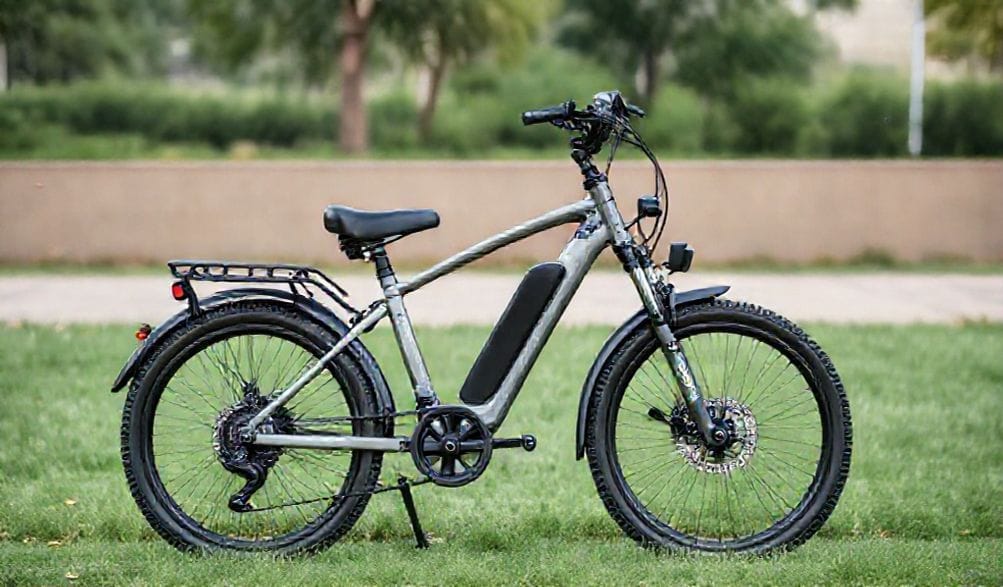
The Complete Guide to 98V Electric Bikes: Power, Performance, and Practicality
The electric bike revolution is no longer just about gentle commutes or leisurely park rides. As technology advances, a new breed of rider is emerging: one who demands extreme power, uncompromising range, and the ability to conquer terrain that would stall a conventional e-bike. Enter the 98V electric bike, a machine that represents the bleeding edge of consumer e-bike performance. Moving beyond the common 36V, 48V, and even 72V systems, 98V platforms are redefining what’s possible on two wheels, offering a visceral riding experience that borders on moto électrique territory.
For the enthusiast, adventurer, or professional with specific, demanding needs, standard e-bikes can feel limiting. The struggle to maintain speed on a steep mountain trail, the anxiety of range on a backcountry expedition, or the need to haul heavy cargo up a hill—these are the challenges that a 98V system is engineered to obliterate. This guide is designed to be your definitive, expert-driven resource on 98V electric bikes. We’ll cut through the marketing hype to provide an unbiased, technical, and practical deep dive. Our goal is to equip you with the knowledge to understand this powerful technology, assess whether it aligns with your riding goals, and make an informed, safe decision. We will demystify the voltage advantage, compare it to mainstream systems, outline the critical benefits and real-world drawbacks, and provide essential buying and safety advice.
What is a 98V Electric Bike? Understanding the Voltage Advantage
At its core, a 98V electric bike is defined by its high-voltage battery system, which typically operates at a nominal 98 volts. This voltage is the key differentiator that unlocks a new tier of performance.
Voltage Explained: The “Pressure” Behind the Power
Think of voltage like water pressure in a hose. A low-voltage system (like a 36V garden hose) pushes electrons (water) with modest pressure. You can get the job done, but flow is limited. A high-voltage system (like a 98V pressure washer) pushes electrons with immense force. This higher “electrical pressure” allows for more power to be delivered to the motor much more efficiently. In practical terms, for a given amount of power (watts), a higher-voltage system draws fewer amps (current). This is crucial because it reduces energy loss as heat in the wires and components, making the entire system more efficient and capable of sustaining high power outputs for longer periods.
98V vs. Common E-Bike Systems (36V, 48V, 72V)
To appreciate the leap a 98V electric bike represents, let’s compare it to the mainstream options:
| Feature | 36V / 48V E-Bike (Class 1-3) | 72V E-Bike (High-Performance) | 98V E-Bike (Extreme Performance) |
| :— | :— | :— | :— |
| Typical Power | 250W – 750W | 1000W – 3000W | 3000W – 8000W+ |
| Top Speed Potential | 20 – 28 mph (often limited) | 35 – 45+ mph | 40 – 60+ mph |
| Hill-Climbing | Good for moderate hills | Excellent for steep hills | Exceptional; conquers extreme grades |
| Efficiency & Range | Standard | Very Good | Excellent (less current for same power) |
| Primary Use* | Commuting, Recreation | Off-road, Performance | Extreme Off-road, Dunes, Racing |
*Range is highly dependent on battery capacity (Amp-hours). A 98V system’s efficiency means it can achieve greater range for a given battery size compared to a lower-voltage system producing the same power.
While a 72V system is a significant step up from 48V, the jump to 98V is about maximizing efficiency and unlocking the highest tier of performance. It provides the headroom for motors to operate at their peak potential without being bogged down by electrical losses.
Core Components of a 98V System
A 98V electric bike isn’t just a standard bike with a bigger battery. It’s an integrated high-performance system built around three key components:
- The High-Voltage Battery: This is the heart of the system. It’s a complex pack, typically using high-discharge Lithium-ion (Li-ion) cells like 21700 or 18650 types, arranged in a specific series configuration to achieve 98V. A robust Battery Management System (BMS) is non-negotiable here. It protects the cells from overcharge, over-discharge, and overheating—critical for safety and longevity in such a powerful pack.
- The Compatible Motor: To handle the influx of power, these bikes use high-wattage motors, often ranging from 3000W to 8000W or more. These can be powerful direct-drive hub motors, known for their top-end speed and durability, or high-torque mid-drive motors that leverage the bike’s gears for incredible hill-climbing force.
- The Specialized Controller: Acting as the “brain,” the controller regulates the massive flow of energy from the battery to the motor. A 98V controller is built with higher-rated components (like MOSFETs) to manage the voltage and high current without failing. It’s where ride modes, torque delivery, and speed limits (if any) are programmed.
Key Benefits and Potential Drawbacks of a 98V E-Bike
Advantages: Why Consider a 98V System?
- Superior Power & Acceleration: The most obvious benefit. Instant, neck-snapping acceleration is possible, making it ideal for conquering sand dunes, launching up rocky mountain trails, or hauling heavy cargo without hesitation.
- Higher Sustained Speeds: The efficiency of high voltage means the motor can maintain its top-end power with less strain and heat buildup, allowing for higher cruising speeds, especially in off-road or private land settings.
- Increased Efficiency & Potential Range: Thanks to Ohm’s Law (Power = Voltage x Current), a 98V system can deliver the same wattage as a lower-voltage system while drawing significantly less current. Reduced current means less energy wasted as heat in the wiring and motor, translating to more of the battery’s energy being used for propulsion. This can lead to a longer potential range, assuming similar riding styles.
- Better Performance on Steep Inclines: The combination of high voltage and a powerful motor ensures that power delivery doesn’t sag on extreme grades. The bike maintains its torque and speed where others would slow to a crawl.
Important Considerations and Challenges
- Higher Cost: Premium performance commands a premium price. The high-grade battery cells, robust motor, and specialized controller make 98V electric bikes significantly more expensive than their mainstream counterparts.
- Increased Weight: The battery pack alone in a 98V system is substantial, often adding 15-25 lbs or more to the bike’s weight. This affects handling, maneuverability, and portability.
- Safety & Handling: This power demands respect. The acceleration and top speeds are in a different league, requiring advanced riding skills, sharp reflexes, and a thorough understanding of bike control. It is not for beginners.
- Regulatory Landscape (Crucial): This is the most critical consideration. In virtually all regions (like the US, EU, Canada, and Australia), 98V electric bikes almost universally exceed the legal definitions for an electric bicycle. Laws typically cap motor power at 750W (US) or 250W (EU) and mandate speed limiters of 20-28 mph. A 98V bike with a 3000W+ motor is legally classified as an electric motorcycle or moped, requiring vehicle registration, insurance, a driver’s license, and is prohibited from bicycle paths and trails. They are designed primarily for use on private property or in off-road settings where such regulations do not apply.
Who is a 98V Electric Bike Best Suited For? (Target Audience)
The Off-Road and Adventure Enthusiast
This is the primary user. If your passion is extreme mountain biking, exploring remote backcountry, or riding on sand dunes, a 98V electric bike provides the power reserve to tackle any obstacle and the range to venture further from civilization.
The Performance Seeker and DIY Builder
For tinkerers and modders who live for the pinnacle of two-wheeled electric performance, the 98V platform is the ultimate canvas. It represents the highest widely available voltage class for ambitious DIY projects or for those who simply want the most powerful production bike available.
Specific Commercial/Utility Use Cases
On large private estates, farms, or industrial facilities, a 98V electric bike can be a potent utility vehicle for patrolling, transporting tools, or covering vast distances quickly, with the caveat that its use must remain on private property.
Who Should Probably Avoid a 98V E-Bike?
- First-time e-bike buyers.
- Casual commuters or recreational riders.
- Budget-conscious shoppers.
- Anyone seeking a street-legal, daily transportation solution for public roads and bike lanes.
Critical Safety and Maintenance Guide for 98V Systems
Essential Safety Practices
- Protective Gear is Non-Negotiable: A standard bicycle helmet is insufficient. Invest in a full-face mountain bike or motorcycle helmet, gloves, armored jacket or jersey, knee/shin guards, and sturdy boots.
- Battery Handling & Charging: Use only the charger provided by the manufacturer. Charge in a fire-safe area away from flammable materials, and never leave it charging unattended for extended periods. Store the battery in a cool, dry place.
- Understanding the Power: Start in the lowest assist/power mode. Practice in a wide-open, safe area to acclimate to the acceleration and braking dynamics before tackling challenging terrain.
Maintenance Specifics for High-Voltage Systems
- Electrical Connections: Periodically inspect all power connectors for signs of wear, corrosion, or heat damage (melting). Ensure they are clean and secure.
- Soins de la Batterie : Avoid draining the battery to 0%. Try to keep it between 20-80% charge for daily use, with full charges for longer rides. Follow the manufacturer’s storage guidelines.
- Entretien professionnel : The motor and controller are complex. For any issues beyond basic diagnostics, seek service from professionals familiar with high-voltage e-bike systems.
How to Choose a 98V Electric Bike: A Buyer’s Checklist
Prioritize Reputable Brands and Suppliers
Given the power and inherent risks, Experience & Trustworthiness in the manufacturer is paramount. Research brands with proven track records in high-performance e-bikes. Look for clear warranties on the frame, motor, and especially the battery. Certified battery cells (from brands like LG, Samsung, Panasonic) and accessible, knowledgeable customer support are strong indicators of quality.
Specifications to Scrutinize
- Motor Wattage: Distinguish between continuous (sustained) and peak (burst) power ratings. Continuous power is a better indicator of real-world performance.
- Battery Capacity: Look for the Amp-hour (Ah) rating. Multiply this by the voltage (98V) to get Watt-hours (Wh)—the true measure of energy capacity. A larger Wh number generally means more range (e.g., 98V x 30Ah = 2940Wh).
- Qualité de Fabrication : The frame must handle the stress. Look for robust materials (e.g., aluminum alloy, steel). High-quality hydraulic disc brakes with large rotors are an absolute necessity to control the speed. Full suspension is highly recommended for off-road use.
The Importance of Intended Use and Local Laws
This cannot be overstated. Before you even consider a purchase, you must check your local and state/provincial regulations. Understand that you are likely purchasing an off-road vehicle. Be honest about where you will ride it. Purchasing a 98V electric bike for illegal use on public roads is irresponsible and dangerous.
Foire Aux Questions (FAQ)
Q: Is a 98V electric bike street legal?
R : In most jurisdictions, e-bikes with a 98V system and the accompanying high wattage exceed the legal definitions for a standard electric bicycle (often capped at 750W/1000W motor and 20-28 mph). They are typically considered off-road vehicles or potentially as electric motorcycles, which would require registration, insurance, and a license. You must check your local and state laws.
Q: How fast can a 98V electric bike go?
R : Speed depends on motor power, controller settings, and bike design. While capable of 40+ mph and often much more, many are electronically limited by the manufacturer. The actual top speed should be confirmed with the product specifications.
Q: What is the typical range of a 98V e-bike?
R : Range varies drastically based on battery size (Wh), rider weight, terrain, and assist level. A large-capacity 98V system (e.g., 30Ah+/~3000Wh) could provide 50-100+ miles of range under moderate use, but aggressive, high-power riding will reduce this significantly.
Q: Are 98V e-bikes more dangerous?
R : The higher power output demands greater respect and skill. The electrical system itself is safe if designed, maintained, and handled properly. The primary increased risk comes from the potential for higher speeds and acceleration, making proper protective gear and responsible riding paramount.
Q: Can I convert my existing e-bike to 98V?
R : This is a complex, expensive, and potentially dangerous DIY project. It requires replacing the battery, motor, controller, and often the wiring harness and display. Compatibility issues are common. It is only recommended for experts with deep electrical knowledge and will void any existing warranties.
Conclusion
La 98V electric bike stands at the summit of e-bike performance, offering a thrilling combination of brute force, impressive efficiency, and extended range that pushes the boundaries of two-wheeled electric travel. It is a testament to how far e-bike technology has evolved, catering to a niche of riders with specialized, demanding needs.
However, this guide’s ultimate takeaway is one of balanced perspective. A 98V system is not a casual upgrade; it is a specialist tool. It is engineered for the enthusiast who rides where conventional bikes fear to tread, for the professional who needs uncompromising utility on private land, and for the experienced rider who fully understands and can responsibly manage its formidable capabilities. Its place is overwhelmingly in off-road and private property settings.
Therefore, we strongly emphasize the pillars of E-E-A-T: Expertise in choosing quality components, Authoritativeness in understanding and respecting the machine’s power, and Fiabilité En respectant les directives légales et de sécurité. Priorisez la sécurité avant tout, investissez dans du matériel de qualité provenant de marques réputées, et effectuez des recherches approfondies sur la réglementation locale. L'objectif est d'exploiter cette technologie incroyable pour une expérience de conduite exaltante, mais profondément responsable. Explorez les modèles de fabricants établis, sollicitez les communautés d'experts pour des conseils, et conduisez toujours, toujours avec respect pour la machine, pour vous-même et pour votre environnement.
METADATA_START—
DISPLAY_TITLE : Le Guide Complet des Vélos Électriques 98V : Puissance, Performance et Aspect Pratique
SEO_TITLE : Guide du Vélo Électrique 98V : Avis Ultime sur la Puissance, l'Autonomie et la Sécurité
META_DESC : Vous envisagez un vélo électrique 98V ? Notre guide ultime couvre la puissance extrême, l'autonomie, la sécurité et la légalité. Découvrez si ce vélo électrique haute performance convient à vos aventures tout-terrain.
IMG_PROMPT : Une prise de vue dynamique et pleine d'action d'un vélo électrique tout-terrain moderne et puissant, avec une grande batterie intégrée, étant conduit de manière agressive sur une pente raide et rocailleuse d'un sentier de terre. Le pilote porte un équipement de protection complet, incluant un casque intégral. L'accent est mis sur le cadre robuste du vélo et ses pneus agressifs, avec un arrière-plan flou de relief montagneux. L'éclairage est vif et clair, mettant en valeur la puissance et l'aventure.
—METADATA_END—