
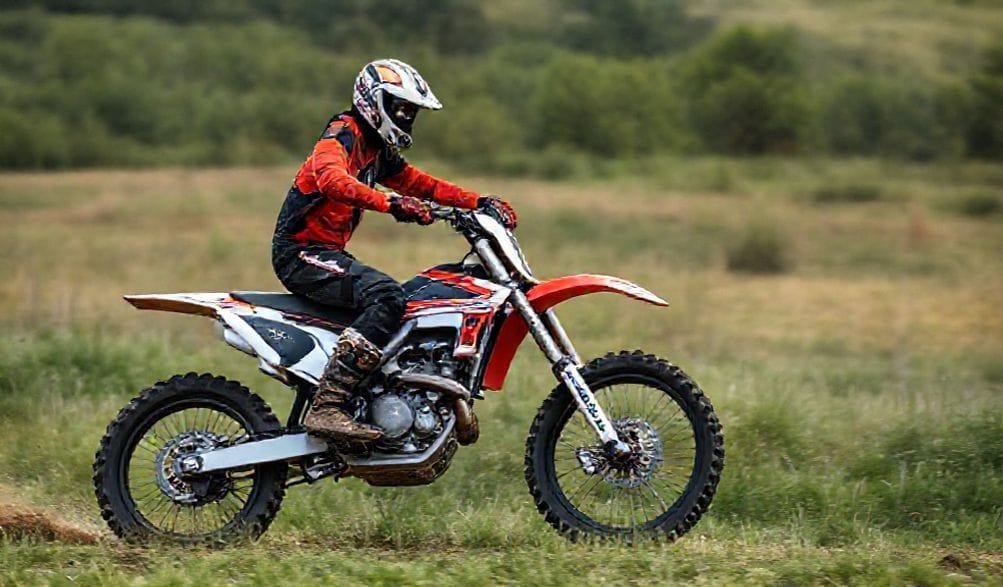
The Ultimate Guide to Dirtbikes for Adults: Choosing Your Off-Road Adventure
Have you ever felt the pull of an untamed trail, the itch to swap the hum of daily life for the roar of an engine and the scent of pine? That yearning for adventure, freedom, and a pure, physical challenge isn’t reserved for the young. More adults than ever are discovering that dirt biking offers a unique cocktail of exhilaration, fitness, and connection that’s hard to find anywhere else. But stepping into the world of two-wheeled tout-terrain exploration can be daunting. With a dizzying array of bikes, technical jargon, and legitimate safety considerations, where do you even begin?
Choisir la bonne dirtbike isn’t just about picking the coolest-looking machine; it’s the foundational decision that dictates your safety, enjoyment, and progression. A bike that’s too powerful or too tall can turn an exciting prospect into a frustrating—or dangerous—ordeal. Conversely, the right machine becomes an extension of yourself, unlocking trails, building confidence, and delivering pure, unadulterated joy.
This guide is built to cut through the noise. Drawing on years of rider experience, mechanical knowledge, and countless conversations in parking lots and on the trail, we’ll demystify the selection process. Our goal is simple: to arm you with the knowledge to make an informed, confident decision that aligns with your body, your skills, and your dreams of adventure. Let’s find your perfect off-road partner.
Why Ride a Dirtbike as an Adult? Beyond the Thrill
Forget the stereotype of reckless teenagers. Modern adult riders are discovering that dirt biking offers profound benefits that resonate deeply with a mature perspective. It’s more than an adrenaline hit; it’s a holistic hobby that pays dividends for your body, mind, and social life.
Physical Fitness and Mental Agility
Dirt biking is a full-body workout disguised as fun. You’re not just sitting there; you’re actively riding. Maintaining balance over rough terrain engages your core constantly. Standing on the pegs, absorbing bumps, and maneuvering the bike builds formidable leg and lower back strength. Your arms, shoulders, and hands develop endurance from steering and controlling the handlebars.
Perhaps more significant is the mental workout. Riding a trail demands 100% focus. You’re reading the terrain three steps ahead, making split-second decisions about line choice, throttle control, and braking. This intense, present-moment awareness is a form of “flow state” that sharpens your reflexes, improves coordination, and serves as a powerful cognitive reset. It’s chess at 30 miles per hour.
Stress Relief and Connection with Nature
In our hyper-connected world, the value of truly unplugging cannot be overstated. A dirtbike is your ticket to digital detox. Deep in the woods or out on a desert trail, the only notifications are the sounds of the engine, the wind, and wildlife. The immersive nature of the task—the need to focus solely on riding—pushes work deadlines, social media, and daily worries completely out of your mind. It’s a form of active meditation that leaves you physically tired but mentally refreshed and centered. You’re not just looking at nature; you’re moving through it, becoming a part of the landscape in a way hiking or even mountain biking can’t quite match.
Community and Lifelong Learning
The riding community is famously welcoming and supportive. From local riding clubs and forum meetups to organized trail days and amateur enduro events, there are countless ways to connect with like-minded people. This built-in social network provides camaraderie, shared stories, and a pool of experienced riders eager to offer tips.
Furthermore, dirt biking is a sport of endless progression. There is always a new skill to practice, a tougher hill to climb, or a tighter corner to master. This continuous learning curve is incredibly rewarding at any age. It fosters a growth mindset, humility, and the deep satisfaction that comes from tangible self-improvement.
Key Factors in Choosing an Adult Dirtbike
Selecting your first (or next) dirtbike is a personal equation. Ignore the “bigger is better” myth. The best bike is the one that fits parfaitement à vous. Let’s break down the non-negotiable factors.
Rider Height, Weight, and Inseam: The Foundation of Fit
This is the most critical starting point. A bike that doesn’t fit is uncomfortable, hard to control, and unsafe. The key metric is seat height.
When you sit on the bike in riding gear, you should be able to touch the ground with at least the balls of both feet comfortably. For beginners, being able to get a solid foot down (or nearly flat-foot) is a huge confidence booster, especially when stopping on uneven terrain. Your weight also matters for suspension setup. Most stock suspension is sprung for an “average” rider (often around 160-180 lbs). Heavier riders will likely need to upgrade springs for proper handling and comfort. Don’t guess—go to a dealership and sit on as many bikes as you can.
Engine Size (cc) and Power Delivery
Engine displacement, measured in cubic centimeters (cc), is a rough indicator of power, but the engine’s character is just as important.
- Four-Stroke (4T): The most common type. They make smooth, predictable, torquey power, ideal for learning. They’re generally quieter and have better low-end grunt, making them easier to manage on technical trails. Maintenance intervals are typically longer than two-strokes, but top-end rebuilds are more complex.
- Two-Stroke (2T): Lighter and simpler mechanically, with a snappier, “hit-you-in-the-back” powerband. They require more active clutch and throttle control, which many experienced riders love. They require more frequent top-end rebuilds but the work is simpler.
General cc Guidance:
* Beginner: 125cc 2T or 230cc-250cc 4T. These offer manageable power to learn fundamentals without intimidation.
* Intermediate: 250cc 2T or 250cc-350cc 4T. A great balance of power and weight for progressing riders.
* Expert/Advanced: 300cc 2T or 450cc+ 4T. Massive power for experienced riders who can harness it.
Bike Type and Primary Terrain
What will you ride most? Be honest. Your answer defines the category.
- Trail Bikes: The perfect starting point for most adults. Think Honda CRF250F, Yamaha TT-R230, Kawasaki KLX230R. They feature:
- User-friendly, mild powerbands.
- Softer, plusher suspension for comfort over roots and rocks.
- Electric start (a godsend).
- Low seat heights and manageable weight.
- Tractable engines that won’t wear you out.
- Motocross (MX) Bikes: Built for the track. Models like the Yamaha YZ450F or KTM 250 SX are race machines.
- Aggressive, peaky powerbands for jumping and acceleration.
- Stiff, responsive suspension for absorbing big jumps.
- Lightweight but often lack kickstands, lights, and have tall seat heights.
- Not recommended for beginners or trail riding.
- Dual-Sport/Adventure Bikes: The “do-it-all” option. Honda CRF300L, Kawasaki KLX300, Suzuki DR-Z400S.
- Street-legal from the factory (lights, mirrors, horn, DOT tires).
- Heavier and more subdued than pure off-road bikes, but incredibly versatile.
- Perfect for connecting trails via backroads or commuting.
- Enduro/Hard Enduro Bikes: The ultimate off-road tool. KTM/Husqvarna/GasGas EX/XC-F/TX models, Beta RR, Sherco SE.
- A blend of motocross performance and trail bike usability.
- Strong, tractable engines, incredible suspension, and lightweight frames.
- Often come with lights, kickstands, and wider-ratio transmissions for technical, long-distance riding.
- A fantastic choice for a serious adult beginner with a bigger budget, or the natural upgrade from a trail bike.
Top Dirtbike Considerations for Adult Beginners
If you’re new to the sport, these three principles should guide your search above all else.
Prioritizing Manageable Power
The single biggest mistake a new adult rider can make is buying too much bike. A 450cc motocross bike might seem impressive, but its explosive power will hinder your learning, scare you, and increase your risk of injury. Start small to learn big. A 250cc four-stroke trail bike or a mild 250cc dual-sport will teach you proper clutch, throttle, and braking control. You’ll build confidence faster because you’re managing the bike, not surviving it. Speed and power can come later.
The Importance of Reliability and Low Maintenance
You want to ride, not wrench constantly. As a beginner, choose a bike known for bulletproof reliability. The Japanese trail bikes (Honda CRF-F series, Yamaha TT-R, Kawasaki KLX) are legendary for this. They have simple air-cooled or mild liquid-cooled engines, minimal electronics, and are designed to withstand neglect. This lets you focus on riding skills, not mechanical sympathy or complex maintenance procedures. When you do need to work on it, parts are cheap and plentiful, and tutorials are everywhere.
New vs. Used: A Practical Breakdown
This is a classic debate with clear trade-offs.
Avantages d'une Moto Neuve :
* Warranty and peace of mind.
* Known history, zero wear.
* Latest features and technology.
* Dealer support for setup and questions.
New Bike Cons:
* Higher upfront cost.
* Significant depreciation the moment you ride it.
* The heartbreak of your first crash is more acute.
Avantages d'une Moto d'Occasion :
* Lower entry cost.
* Depreciation hit already taken.
* Often comes with aftermarket upgrades.
Used Bike Cons:
* Risk of hidden problems.
* Unknown maintenance history.
* May need immediate investment in tires, chain, bearings, etc.
Trustworthy Used Bike Checklist:
* Ask for maintenance records.
* Check for obvious crash damage (bent bars, cracked plastics, leaking forks).
* Inspect wear items: sprocket teeth (hooked?), chain (rusted/tight?), tire tread.
* Feel the brake discs for deep grooves.
* Ask why they’re selling. A vague answer is a red flag.
* Always request a cold start. A bike that starts easily cold is a good sign.
Essential Gear: Your Non-Negotiable Safety Equipment
Your gear is not an accessory; it’s your primary safety system. Never compromise here.
The Helmet: Your Most Important Investment
This is non-negotiable. A quality helmet is the single best piece of protective gear you can buy.
* Certifications: Look for at least DOT (US standard). Better are SNELL (stricter impact testing) or ECE 22.06 (current European standard, excellent for off-road).
* Fit: It should be snug but not painful. Your cheeks should be compressed slightly, and the helmet should not rotate freely on your head when you grab the chin bar.
* Type : Full-face motocross helmets are the standard. They offer maximum protection, a sun peak, and are designed for goggles.
Boots, Goggles, and Body Protection
- Bottes : Proper motocross boots are rigid, high-top boots that protect your feet, ankles, and lower legs from impacts, twists, and burns from the exhaust. They feel awkward to walk in but are essential for riding. Don’t use work boots.
- Lunettes : Protect your eyes from roost (rocks and dirt kicked up), branches, and bugs. Look for a comfortable fit with your helmet and a system for tear-offs or roll-offs for muddy conditions.
- Body Protection: At a minimum, get a chest protector/roost guard (protects torso from impacts and roost) and knee/shin guards. Elbow guards are also highly recommended. For more serious riding or racing, consider a neck brace et un full protective jacket with integrated armor.
Apparel for Comfort and Protection
- Maillot & Pantalon : Motocross-specific gear is made from durable, breathable material. Jerseys are loose-fitting for airflow, and pants have leather or reinforced material on the knees and inner leg to resist wear from the bike.
- Gants : Improve grip, protect your hands from blisters and minor abrasions.
- Hydration Pack: Staying hydrated is critical. A pack with a water bladder is a must for any ride longer than an hour.
Getting Started: Your First Steps into the Sport
You’ve got the bike and the gear. Now, where and how do you start?
Trouver des Lieux où Rouler Légalement
Rouler sur un terrain privé sans autorisation ou sur un terrain public non désigné pour les véhicules hors route (VHR) est illégal et donne une mauvaise image de ce sport.
* Terrains Fédéraux/Étatiques : Utilisez les sites de l' US Forest Service et une et du Bureau of Land Management (BLM).
* pour trouver les zones et cartes de sentiers désignés pour les VHR. Parcs de VHR Étatiques :.
* De nombreux États disposent de parcs de conduite fantastiques et entretenus, avec des sentiers pour tous les niveaux. Clubs Locaux :.
Rejoignez un club de moto local ou une section de l'AMA (American Motorcyclist Association). Ils connaissent tous les spots légaux et organisent souvent des sorties de groupe.
Compétences de Base et Exercices à Pratiquer en Premier.
1. Trouvez un endroit sûr et dégagé, comme un grand champ ou un parking vide. Maîtrise de l'Embrayage :.
2. Position du corps : Entraînez-vous à trouver la zone de friction — le point où la moto commence à avancer. Faites avancer la moto lentement en utilisant uniquement l'embrayage, sans accélérateur. Ceci est crucial pour le contrôle à basse vitesse.
3. Freinage : Entraînez-vous à vous tenir sur les cale-pieds, genoux fléchis, coudes relevés. C'est la position par défaut pour rouler sur terrain accidenté.
4. Regarder vers l'avant : Entraînez-vous à utiliser les freins avant et arrière ensemble, en apprenant comment la moto réagit. Le frein avant fournit 70 % de votre puissance de freinage.
Votre moto va là où vous regardez. Entraînez-vous à tourner la tête et à regarder dans la courbe, pas vers le bas sur la roue avant.
La Valeur d'une Formation ou d'un Mentor École de moto tout-terrain MSF C'est le meilleur investissement après votre casque. Des organisations comme la ou la Ride Moto Academy.
Foire Aux Questions (FAQ)
proposent des cours pour débutants avec des motos fournies. Vous apprendrez les bonnes techniques dès le départ, évitant les mauvaises habitudes difficiles à perdre. Si un cours formel n'est pas possible, trouvez un ami expérimenté et patient pour vous encadrer. Il peut fournir des retours et des conseils immédiats dans un environnement sans pression.
Quelle est la meilleure motocross pour un débutant adulte de grande taille/poids élevé ? Privilégiez les motos de trail ou d'enduro "pleine grandeur" plutôt que les "play bikes". Une, Yamaha WR250F,, une Honda CRF250RX, ou une Kawasaki KLX300R (non double-usage) ont des hauteurs de selle plus élevées (94 cm+) et une suspension qui peut être adaptée pour un pilote plus lourd. La KTM 350 EXC-F.
est une option premium avec une puissance généreuse et un châssis haut et performant. L'essentiel est de privilégier un moteur coupleux et gérable (4 temps 250-350 cm³) dans un cadre pleine grandeur.
Pour une moto neuve Quel budget prévoir pour une bonne motocross de débutant ? Pour une moto de trail d'entrée de gamme (ex. : Honda CRF250F), prévoyez 4 500 $ – 5 500 $ MSRP hors taxes/frais. Une nouvelle double-usage comme la CRF300L coûte environ. 5 200 $ – 5 800 $. Une moto de trail d'occasion de 250 cm³ de qualité, d'une marque réputée, peut être trouvée dans la fourchette de 2 500 $ – 4 000 $, $1,000+ selon l'âge et l'état. Prévoyez toujours un budget d'au moins.
1 000 $
pour un équipement de qualité (casque, bottes, protections). La motocross est-elle dangereuse pour les adultes plus âgés ?, Tout sport motorisé comporte des risques inhérents. Cependant, le danger n'est pas une fatalité ; c'est une variable que vous contrôlez. En, choisissant une moto adaptée et gérable,, et investissant dans un équipement de protection complet,, commençant par une formation professionnelle,.
et roulant selon votre niveau de compétence sur un terrain approprié,
vous atténuez la grande majorité des risques. Les bienfaits physiques et mentaux surpassent souvent de loin les risques maîtrisés pour les adultes responsables.
* Quelle maintenance régulière une motocross nécessite-t-elle ? Une maintenance fréquente est la clé de la fiabilité et des performances. Les tâches principales incluent :.
* Après chaque sortie : Nettoyer le filtre à air (si poussiéreux), vérifier la pression des pneus, lubrifier la chaîne, nettoyer la moto.
* Toutes les 10-15 heures de moteur : Changer l'huile et le filtre à huile du moteur.
* Régulièrement : Vérifier et ajuster la tension de la chaîne, inspecter les plaquettes de frein, vérifier la tension des rayons et le serrage des boulons.
Saisonnièrement/Selon le manuel :
Cela dépend presque entièrement de la Changer le liquide de refroidissement, graisser les roulements de liaison/bras oscillant/colonne de direction, remplacer le liquide de frein. Puis-je rendre ma motocross homologuée pour la route ? Cela dépend entièrement des. Certains États (comme l'Arizona) ont des procédures simples pour “immatriculer” une moto tout-terrain. D'autres (comme la Californie) le rendent quasiment impossible. En général, si le certificat d'origine du fabricant (MSO) indique “Usage tout-terrain uniquement”, la démarche est ardue. La voie directe vers la légalité routière est d'acheter un modèle d'origine Dual-Sport modèle d'usine livré avec un titre homologué pour la route et tous les équipements requis.
Conclusion
Choisir sa moto tout-terrain adulte se résume à quelques piliers fondamentaux : une auto-évaluation honnête de votre taille et de votre niveau technique, privilégier une puissance maîtrisable pour gagner en confiance, adapter le type de moto à votre terrain de prédilection, et ne jamais faire de compromis sur l'équipement de sécurité..
La moto idéale n'est pas la plus puissante ou la plus chère ; c'est celle qui vous donne envie de rouler encore et encore. Elle est la clé d'une vie d'aventures, de forme physique et de camaraderie. Alors utilisez ces informations, rendez-vous chez des concessionnaires réputés, asseyez-vous sur les motos, discutez avec des pilotes expérimentés, et faites votre choix en toute confiance.
Les sentiers vous appellent. Votre aventure commence maintenant.
Prêt à vous équiper ? Partagez vos questions ou vos propres expériences de débutant dans les commentaires ci-dessous ! Vous recherchez des avis fiables sur l'équipement ou une carte des zones de randonnée près de chez vous ? Explorez nos ressources liées pour poursuivre votre parcours.
METADATA_START—
DISPLAY_TITLE : Le Guide Ultime des Moto Tout-Terrain pour Adultes : Choisir Votre Aventure Hors-Route
SEO_TITLE : Moto tout-terrain pour adultes : Guide du débutant pour choisir la bonne moto | 2024
META_DESC : Vous envisagez l'achat d'une moto tout-terrain ? Notre guide ultime pour adultes explique comment choisir la bonne moto selon la taille, le type et le moteur.