
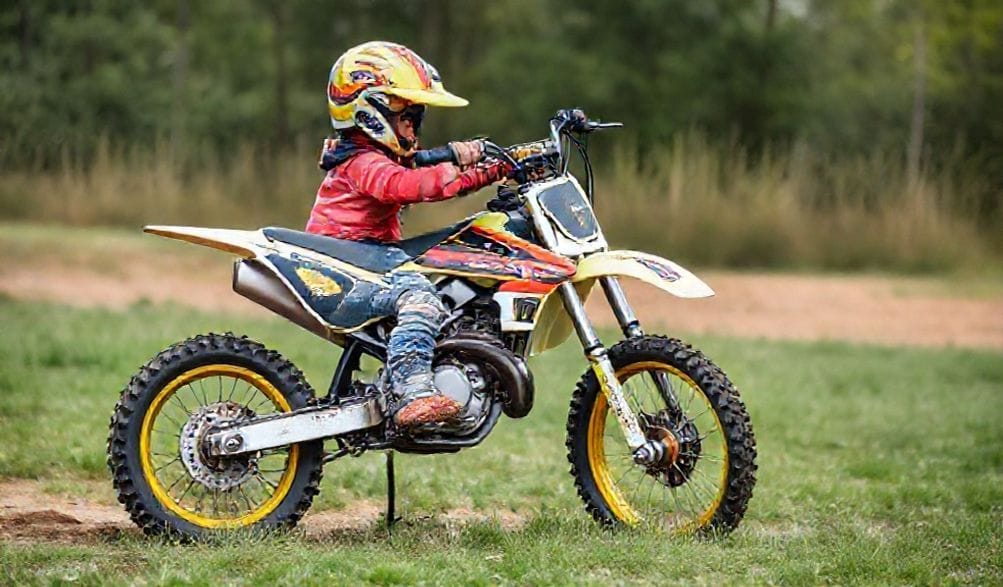
The Ultimate Parent’s Guide to Dirt Bikes for Kids: Safety, Sizing, and Getting Started
The roar of a small engine, the cloud of dust, and the beaming smile of a child mastering a new skill—introducing your kid to dirt biking can be one of the most rewarding family adventures. Beyond the sheer thrill, conduite tout-terrain builds incredible confidence, sharpens coordination, and fosters a deep, lasting love for the outdoors. It’s a sport that teaches perseverance, mechanical basics, and respect for equipment and environment. But for a parent standing at the starting line, the journey from curiosity to that first successful ride can feel daunting, filled with questions about safety, cost, and where to even begin.
This guide is designed to be your comprehensive, trustworthy roadmap. Compiled from industry standards, safety manuals, and the hard-earned experience of seasoned riders and parents, our goal is to transform your uncertainty into confidence. Whether you’re just exploring the idea, researching first bikes, or looking to upgrade your young rider, we’ll walk you through every critical step. We’ll start with the non-negotiable foundation of safety, demystify how to choose the right size and type of bike, highlight key features for beginners, and provide a practical, step-by-step plan for getting started. Let’s shift this adventure into gear.
Safety First: The Non-Negotiable Foundation for Kids’ Dirt Biking
Before we discuss horsepower or suspension, we must address the single most important aspect of youth riding: safety. This isn’t about wrapping kids in bubble wrap; it’s about empowering them with the right knowledge and equipment to manage risk and build skills confidently. A safe rider is a happy, progressing rider. View this section not as a list of obstacles, but as the essential toolkit for ensuring your family’s dirt biking story is a long and joyful one.
Essential Protective Gear (The Head-to-Toe Kit)
Gear is your child’s primary line of defense. It is not an area for compromise, ill-fitting hand-me-downs, or “good enough.” Investing in proper, high-quality gear is as important as buying the bike itself. Here’s the head-to-toe breakdown:
- Casque : This is paramount. It must be DOT-certified at a minimum, with SNELL certification being the gold standard for motocross. Fit is critical—it should be snug without pressure points, and the chin strap must be securely fastened every single ride. Let your child help choose the graphics; a helmet they love is one they’ll want to wear.
- Lunettes : Protect eyes from roost, dirt, branches, and UV rays. Look for a comfortable fit with the helmet, good ventilation to prevent fogging, and a scratch-resistant lens. Have multiple tear-off lenses or a roll-off system for muddy conditions.
- Chest Protector/Roost Defector: This piece guards the torso, shoulders, and back from flying debris, handlebar impacts, and falls. For younger beginners, a full chest protector is wise. As they advance, a lighter roost deflector may suffice.
- Gants : Riding gloves improve grip, protect hands from blisters, and shield them in a fall. Look for padded palms and good knuckle protection.
- Protège-genoux/tibias : These are crucial. They protect one of the most vulnerable areas from impacts with the bike, rocks, and the ground. Many integrate with riding pants.
- Bottes : Do not use hiking boots or work boots. Motocross-specific boots are engineered with rigid soles, ankle support, and shin protection to prevent twists, breaks, and burns from the engine or exhaust. They must be over-the-ankle.
Choosing and Preparing a Safe Riding Environment
Where your child learns is as important as how they learn. The environment must match their skill level.
- Start in a Controlled, Open Area: A wide-open, flat field free of obstacles, traffic, and bystanders is ideal. A vacant lot or a friend’s large, private property is perfect. This gives them space to learn controls without navigational fear.
- Graduate to Designated Areas: As skills improve, seek out designated Off-Highway Vehicle (OHV) parks, trails, or motocross tracks. These areas are designed for the sport, with managed terrain and other riders who expect to see you. Avoid public hiking trails, forests where riding may be prohibited, and never on public streets or sidewalks.
- Pre-Ride Bike Check (Parent’s Job): Before every ride, make it a ritual to check the bike together: tire pressure, fuel/oil level, chain tension and lubrication, brake function, and that all nuts and bolts are tight.
Supervision and Riding Rules
You are the coach, safety officer, and cheerleader. Active, engaged supervision is non-negotiable for young riders.
- Be Present and Focused: Put your phone away. Watch your rider, the terrain, and other riders.
- Establish Fundamental Rules: Set clear, non-negotiable rules before the engine ever starts. Common examples include: No riding alone, ever. A defined speed limit for the day. Understanding and using hand signals for “stop” and “slow down.” Always staying within a designated, visible area. Stopping immediately if they feel unsure or lose control.
How to Choose the Right Dirt Bike for Your Child
With safety principles established, we can turn to the exciting part: choosing the machine. The right bike builds confidence; the wrong one can create fear and hinder progress. The goal is a motorcycle that fits your child’s physical size and current ability, not one they will “grow into.”
The #1 Rule: Proper Sizing by Age and Height
While age gives a general starting point, physical height and inseam are the true deciding factors. A bike that’s too tall or heavy is intimidating and uncontrollable. A bike that’s too small will be outgrown quickly and can feel unstable.
- The Sit Test: This is the gold standard. With the child in full gear, have them sit on the bike. They should be able to place the balls of both feet flat on the ground comfortably. If they are on their tiptoes or can only get one foot down, the bike is too tall.
- Weight Matters: A child must be able to maneuver the bike at a standstill. If they can’t pick it up off the side stand or wrestle it if it tips, it’s too heavy.
- General Sizing Guideline (Use as a starting point only):
- Ages 3-6 / Height 2′ – 3’6″: 50cc (Gas or Electric)
- Ages 7-9 / Height 3’6″ – 4’6″: 110cc (Gas) or equivalent Electric
- Ages 10-12 / Height 4’6″ – 5’2″: 125cc (Small Wheel)
- Ages 13+ / Height 5’2″ and up: 125cc (Big Wheel) to 250cc (beginner adult models)
Gas vs. Electric: Understanding Power Source Options
The traditional gas vs. electric debate is now a meaningful choice for parents.
- Gas-Powered Bikes (2-Stroke & 4-Stroke): The classic choice. They offer more peak power, a traditional riding experience, and longer ride times between refuels. However, they require regular maintenance (oil changes, air filter cleaning, spark plugs), are louder, and produce emissions. 4-strokes are generally more linear and easier for beginners than the “hit” of a 2-stroke powerband.
- Electric Dirt Bikes: A fantastic, modern option, especially for young beginners. They provide instant, controllable torque, are virtually silent (great for neighborhoods), and have almost zero maintenance (no oil, gas, or filters). They’re also cleaner to operate. The cons are limited range per charge (typically 1-2 hours), recharge time, and a less traditional feel. For a 4-8 year old’s first bike, electric is often the safest and simplest choice.
Key Features for Beginner and Youth Models
Look for these features that make learning easier and safer:
- Throttle Limiters: A screw or dial that physically restricts how far the throttle can be turned. Crucial for first-timers. You can open it up gradually as their skill and control improve.
- Automatic Clutch: Also known as a centrifugal clutch or “no-clutch” transmission. The bike shifts automatically as speed changes, allowing the rider to focus solely on throttle, brakes, and balance. Standard on most beginner bikes.
- Electric Start: A push-button is far easier and less frustrating for a small child than mastering a kick-starter.
- Adjustable Suspension: Some bikes allow you to soften the suspension spring preload, lowering the seat height slightly. This can extend the usable life of the bike by 6-12 months as your child grows.
Top Dirt Bike Picks for Kids by Age & Skill Level
Based on reliability, features, and community reputation, here are some standout models to consider. Always remember: the best bike is the one that fits your child.
Best Beginner Bikes (Ages 3-6)
- Razor MX350/MX650 (Electric): The quintessential first “bike.” Affordable, quiet, variable speed control, and very low to the ground. Perfect for seeing if a toddler has interest.
- Honda CRF50F (Gas): The legendary “Fifty.” Bulletproof 4-stroke reliability, automatic clutch, and a reputation for indestructibility. It’s the benchmark for a reason.
- Stacyc 12eDrive/16eDrive (Electric): A premium, bike-like electric trainer. Designed like a real dirt bike with adjustable seat height, hand brakes, and multiple speed settings. Excellent for building proper technique from day one.
Best Bikes for Growing Riders (Ages 7-11)
- Yamaha TT-R110E (Gas): A step up from the 50cc class. Electric start, automatic clutch, and a friendly power delivery. A fantastic “next bike” that’s manageable but has room to grow.
- KTM 50 SX (Gas – 2-Stroke): For the child who shows immediate talent and aggression. A high-performance, lightweight 2-stroke for mini motocross racing. Not a beginner bike—for advancing riders only.
- Sur-Ron Light Bee Youth (Electric): A powerful, high-quality electric option for older kids in this range. Offers more performance and range than toy-grade electrics, bridging the gap to full-size bikes.
Bikes for Advancing Tweens & Teens (Ages 12+)
- Kawasaki KLX110R (Gas): The dominant player in the 110cc class. Slightly more performance-oriented than the Yamaha TT-R, often with better suspension. A great all-around bike for trail and track.
- Honda CRF125F (Gas): This comes in Small Wheel (for shorter riders) and Big Wheel versions. It introduces a manual clutch in a very manageable package, making it the perfect bike to learn clutch control before moving to full-size machines.
- Beta Evo 80 (Gas – 2-Stroke Trials): A different direction. A trials bike focuses on ultra-slow, technical balance and obstacle climbing over speed. Incredible for building supreme bike control and confidence.
Getting Started: Your Family’s Path to the First Ride
You have the gear, you have the bike—now let’s translate that into a positive first experience. The goal of the first day is fun and comfort, not distance or speed.
Pre-Ride Preparation and Bike Setup
- Assembly: If the bike is new-in-box, assemble it carefully per instructions or have a dealer do it.
- Control Adjustment: Adjust the clutch and brake levers so your child can reach them comfortably with one or two fingers while their grip is on the throttle.
- Throttle Limiter: Set it to the minimum setting. You can increase it later. This is your most important safety setup.
The First Lesson: Basic Controls and Drills
- Static Lesson (Bike OFF): Have them sit on the bike. Point out and name every control: throttle (twist to go), front brake (lever), rear brake (pedal), kill switch (the most important button!). Have them practice operating each.
- Power Walking: With the bike on (but throttle limiter set low), have them walk it around using their feet, getting a feel for the weight and using the throttle slightly to help. They are not sitting yet.
- Coasting Drill: Find a very gentle slope. Have them sit, lift their feet, and coast down, focusing on balance and using the brakes to stop. Repeat until comfortable.
- First Powered Rides: On flat ground, have them practice starting, riding in a straight line for 50 feet, and stopping smoothly. Then move to wide, gentle turns. Keep sessions short (20-30 minutes) to avoid fatigue.
Maintenance Basics for Parents
You don’t need to be a mechanic, but basic upkeep ensures safety and longevity.
- After Every Ride: Wipe down the bike, check for loose parts.
- Before Every Ride: TCLOCS: Tires (pressure/wear), Controls (levers, throttle, cables), Lights/Oil (fuel & oil level), Chassis (frame, bolts), Stand (kickstand).
- Regular Maintenance: Clean and oil the air filter regularly (dirty air is an engine killer). Keep the chain properly tensioned and lubricated. Change the oil per the manual’s schedule. For anything complex, build a relationship with a good local shop.
Frequently Asked Questions (FAQ) About Kids’ Dirt Bikes
Q1: What is the best age for a child to start riding a dirt bike?
R : It’s less about a specific age and more about readiness signs. Can they follow multi-step instructions? Do they have the physical coordination to ride a pedal bike without training wheels? Do they show a genuine interest, not just parental pressure? With the right mini-sized bike (often electric), many children are ready between ages 4 and 6.
Q2: Are electric dirt bikes a good choice for kids?
R : Absolutely. For beginners, they are often the ideal choice. Their quiet operation reduces fear and neighborhood complaints, the instant but controllable power is forgiving, and the lack of maintenance is a huge plus for parents. They provide a fantastic foundation in balance and control before transitioning to gas bikes, if desired.
Q3: How much should I expect to spend on a kid’s dirt bike and gear?
R : Set a realistic budget. A new, quality entry-level gas bike (e.g., CRF50F) starts around $1,500 – $2,200. A good electric trainer ranges from $300 – $1,500. High-quality, new safety gear (helmet, boots, chest protector, etc.) is a separate, necessary investment of $500 – $1,000. Buying used gear (except helmets) and used bikes can cut costs significantly, but inspect them carefully.
Q4: Where is it legal and safe for my child to ride?
R : This is critical to research. It is almost never legal on public streets, sidewalks, or in most public parks. The safest and most legal places are: 1) Private property with the owner’s explicit permission, and 2) Designated Off-Highway Vehicle (OHV) areas, state forests that allow ORV use, or private motocross tracks. Check your state’s Department of Natural Resources website for OHV maps and regulations.
Conclusion
Embarking on the journey of dirt biking with your child is about so much more than a motorcycle. It’s about building confidence that spills into other areas of life, creating irreplaceable family memories in the great outdoors, and teaching lessons in responsibility, focus, and perseverance. The path to success is built on three unwavering pillars: Prioritizing Safety with full protective gear, Choosing the Correctly Sized Bike based on fit, not age, and Committing to Supervised, Progressive Learning.
Trust the process. Invest in training and quality gear from the start. Celebrate the small victories—the first successful start, the first smooth turn, the first time they pick up their own bike. Frame the experience around fun and skill-building, not competition. Connect with your local riding community; other parents are an invaluable source of support and advice.
Now, we’d love to hear from you! What questions do you still have? Share your family’s getting-started story in the comments below. And remember, the best next step is often a visit to an authorized dealership where your child can sit on different models and find their perfect fit. Happy riding!
METADATA_START—
DISPLAY_TITLE: The Ultimate Parent’s Guide to Dirt Bikes for Kids: Safety, Sizing & Starting Out
SEO_TITLE: Dirt Bikes for Kids: A 2024 Safety & Buying Guide for Parents
META_DESC: Confidently choose the right dirt bike for your child. Our expert parent’s guide covers safety gear, proper sizing (gas vs. electric), top 2024 picks by age, and a step-by-step plan for the first ride.
IMG_PROMPT: A happy, safely geared-up child (with helmet, goggles, chest protector, and boots) sitting confidently on a small dirt bike in a sunny, open field, with a smiling parent standing beside them, giving a thumbs-up.
—METADATA_END—