
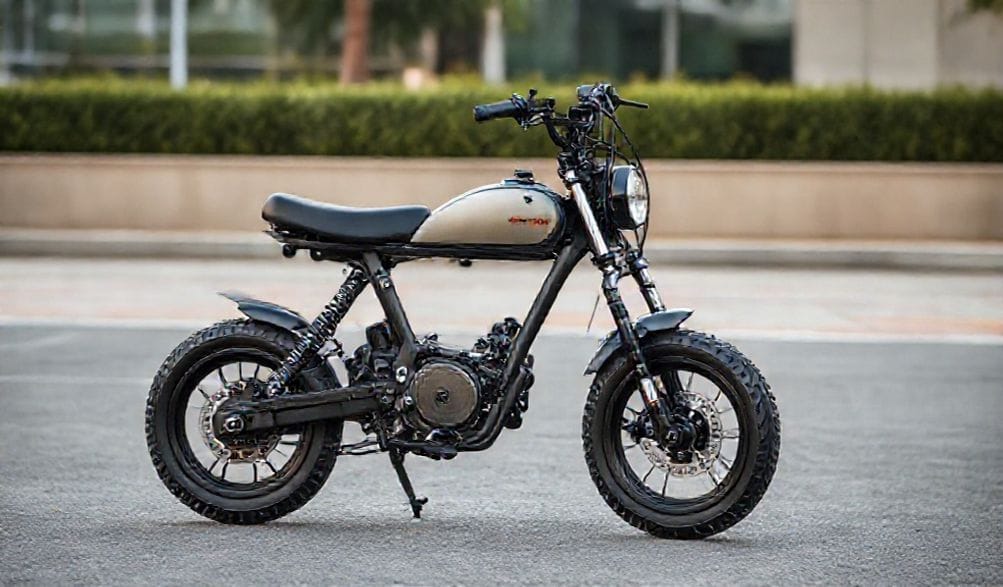
The Complete Guide to Fast Electric Mini Bikes: Performance, Safety & Top Picks
The hum of an electric motor is no longer just a whisper. It’s a growing roar, a signal of a revolution in personal mobility. Imagine the thrill of a motorcycle—the acceleration, the freedom, the connection to the road or trail—but distilled into a compact, agile, and emission-free package. This is the promise of the fast electric mini bike, a vehicle exploding in popularity for urban commuters, weekend adventurers, and thrill-seekers alike. It’s the perfect solution for zipping through congested streets, exploring backwoods trails, or simply injecting a dose of adrenaline into your daily routine.
Yet, for all their appeal, navigating the world of high-performance electric mini bikes is fraught with confusion. Riders are often caught between marketing hype and hard technical realities, between the allure of top speed and the critical importance of safety and legality. What does “fast” actually mean? What specs truly matter? And crucially, where are you even allowed to ride this powerful machine without running afoul of the law?
This guide is designed to be your definitive roadmap. Built on an analysis of technical specifications, rider safety standards, and the current market landscape, we cut through the noise. Our priority is your safety and your ability to make an informed decision. By the end of this comprehensive guide, you will understand what makes a mini bike truly “fast,” how its core components work together, what the legal landscape looks like, and which models are leading the pack. Let’s shift your understanding into high gear.
What is a Fast Electric Mini Bike? Defining Speed & Category
At first glance, an electric mini bike might look like a scaled-down toy. But in the realm of high-performance models, appearances are deceiving. This category represents a unique and potent niche in electric mobility.
Beyond the “Mini” Label: Power & Performance Metrics
The term “fast” is relative, but in the context of electric mini bikes, it generally separates casual cruisers from serious performers.
- Defining Speed: For this guide, we consider a “fast” electric mini bike to be one capable of sustained speeds of 25 mph (40 km/h) and above. Many performance models now easily hit 30-35 mph, with some specialized or modified bikes pushing 45+ mph. It’s a world away from the 15-20 mph common to many standard e-bikes.
- Key Specs Decoded:
- Motor Wattage: This is the engine’s power rating. While 250W-500W is standard for basic e-bikes, fast mini bikes start at 1000W (1kW) and go up to 3000W (3kW) or more. Higher wattage translates directly to stronger acceleration and a higher potential top speed.
- Tension (V) : Think of this as the “pressure” of the electrical system. Common levels are 48V, 52V, 60V, and 72V. Higher voltage systems allow the motor to draw more power efficiently, contributing to better performance, especially under load (like climbing hills).
- Torque: Measured in Newton-meters (Nm), this is the rotational force. High torque is what throws you back in the seat during acceleration and allows you to climb steep inclines with ease. It’s often more perceptible and useful in daily riding than top speed alone.
- The Reality Check: Advertised top speed is a best-case scenario. Your actual speed will be influenced by rider weight, terrain (hills vs. flat), tire pressure, wind, and battery charge level. A bike rated for 35 mph might only achieve 30 mph with a heavier rider on a slight incline.
Electric Mini Bikes vs. E-Bikes, E-Mopeds, and E-Motorcycles
It’s crucial to understand where these machines fit in the broader ecosystem, as this directly impacts legality.
- Electric Bicycles (Class 1/2/3): These have functional pedals, and their motor assistance is limited (usually to 20 mph or 28 mph, depending on class). They are generally treated as bicycles.
- E-Mopeds: These often have a step-through frame, may or may not have pedals, and are typically speed-limited (e.g., 30 mph). They usually require registration, insurance, and a driver’s license.
- E-Motorcycles: Full-sized, highway-capable electric motorcycles with top speeds exceeding 50+ mph. They always require a motorcycle license, registration, and insurance.
- Fast Electric Mini Bikes: This is the hybrid niche. They typically lack functional pedals, possess motorcycle-style controls (throttle, hand brakes), and have power/speed profiles that often exceed e-bike limits. This places them in a regulatory gray area—they are often more powerful than a Class 3 e-bike but smaller and sometimes less equipped than a street-legal moped. Their classification varies wildly by jurisdiction.
Core Components of a High-Performance Electric Mini Bike
Understanding the key parts of a fast electric mini bike is essential to evaluating quality and performance. Don’t just look at the top speed; look at what delivers it.
The Heart: Motor Types and Placement
The motor is the soul of your ride. There are two primary types:
* Hub Motor: Built directly into the center of the front or rear wheel. They are common, simple, and often more affordable. A direct-drive hub motor can be very powerful and require little maintenance, but it can add unsprung weight to the wheel, potentially affecting suspension response.
* Moteur Central (Mid-Drive) : Mounted centrally on the bike frame, connected to the crankset or a gear system. This leverages the bike’s gears (if present) for more efficient power transfer, especially excellent for climbing. It centralizes weight for better handling. They are less common on mini bikes but are a mark of higher-end engineering.
The Fuel Tank: Battery Technology and Range
The battery is your fuel tank, your most expensive component, and a critical safety item.
* Understanding Capacity: Look beyond Volts. Amp-hours (Ah) indicate capacity, but Watt-hours (Wh) = Voltage (V) x Amp-hours (Ah) is the true measure of total energy. A 48V 20Ah battery (960Wh) has more energy than a 52V 17Ah battery (884Wh).
* Battery Chemistry: Almost all use Lithium-ion, but quality varies. LiFePO4 (Lithium Iron Phosphate) batteries are more stable, have longer lifespans (more charge cycles), and are less prone to thermal runaway (fire), but they are heavier and less energy-dense than standard Li-ion. Quality cells from brands like Samsung, LG, or Panasonic are a good sign.
* Autonomie Réelle : The advertised range is a fantasy. Aggressive riding (high speed), hills, cold weather, and rider weight can easily cut the range by 40-50%. If a manufacturer claims 40 miles, plan for 20-25 miles at full performance.
Frame, Suspension, and Brakes: Built for Speed
A powerful motor is useless if the bike can’t handle it.
* Cadre : Look for sturdy materials like aluminum alloy (lightweight, rust-resistant) or steel (very strong, but heavier). The geometry should feel stable, not twitchy, at higher speeds.
* Suspension : This is non-negotiable for comfort and control. Front forks are standard; rear suspension (dual shock or mono-shock) is a premium feature that greatly improves handling on rough terrain. Travel length (e.g., 80mm) indicates how much bump absorption it offers.
* Brakes – The Critical Safety Focus: This is where you should never compromise. Disc brakes are essential. Les freins à disque hydrauliques are the gold standard, offering superior stopping power, modulation (control), and consistency with less hand fatigue compared to mechanical (cable) discs. For a machine capable of 30+ mph, premium brakes are your most important safety feature.
Navigating the Legal Landscape: Laws and Regulations
This is the most important and most overlooked section for prospective buyers. Ignorance is not an excuse in the eyes of the law.
Understanding Vehicle Classification
Your local Department of Motor Vehicles (DMV) or transportation authority doesn’t care what the seller calls it. They classify vehicles based on:
* Maximum Speed Capability
* Motor Power Output
* Presence of Functional Pedals
* Numéro d’identification du véhicule (VIN)
A fast electric mini bike without pedals that can exceed 20-28 mph (the common e-bike thresholds) will likely be classified as a Moped, Motor-Driven Cycle, or even a Motorcycle. This classification triggers a host of requirements.
Where Can You Legally Ride?
- Public Roads: If classified as a moped/motorcycle, you will likely need: a valid driver’s license (often a motorcycle endorsement), vehicle registration, license plates, and insurance. The bike itself may need DOT-compliant equipment: headlight, taillight, brake light, turn signals, horn, and mirrors. You must check your specific state, province, and local ordinances.
- Propriété privée : With the explicit permission of the landowner, you have much more flexibility. This is a great place to learn and ride recreationally.
- Designated Trails: Rules vary by park system. Many public trails prohibit motorized vehicles, and electric motors often count. Some OHV (Off-Highway Vehicle) areas may allow them. Always check ahead.
Safety Gear is Not Optional
Riding a fast mini bike without proper gear is an invitation for serious injury. Asphalt is unforgiving at 30 mph.
* Casque : A DOT or ECE-certified full-face helmet is mandatory. It protects your jaw and face in addition to your skull.
* Gants : Protect your hands from abrasion (“road rash”) and improve grip.
* Veste & Pantalon : Look for motorcycle-specific gear with abrasion-resistant materials (like textile or leather) and built-in armor at the shoulders, elbows, back, hips, and knees.
* Bottes : Sturdy, over-the-ankle boots protect your feet and ankles in a crash and provide support while riding.
* Visibility: Use bright colors, reflective strips, and ensure your bike has bright, working lights if riding near dusk or dawn.
Top Considerations Before You Buy a Fast Electric Mini Bike
Before you click “buy,” take a sober assessment of your needs and situation.
Intended Use Case: Commuting, Recreation, or Off-Road?
- Urban Commuting: Prioritize models with lights, mirrors, and a comfortable riding position. Smooth tires (slick or semi-slick) are best for pavement. Consider range relative to your daily distance.
- Off-Road/ Trail Riding: You need knobby tires, significant suspension travel, and a sturdy frame. Ground clearance is important. Water resistance is a valuable feature.
- General Recreation: A versatile model with mixed-use tires and mid-level suspension may be perfect.
Rider Weight, Height, and Skill Level
- Weight & Height: Check the manufacturer’s maximum weight rating. Your weight significantly impacts acceleration, top speed, and range. Ensure the bike’s size and seat height are comfortable for your stature.
- Skill Level: If you are new to powered two-wheelers, start with a less powerful model. High torque and speed require experience to handle safely. Practice braking, turning, and balancing in a safe, empty area first.
Brand Reputation, Warranty, and Customer Support
- Reputable Brands: Invest in a company known for quality control and customer service. Read independent reviews and user forums (like Reddit’s r/ebikes or specific brand communities).
- Garantie : A clear, multi-year warranty on the frame and battery (at least 1-2 years) is a sign of confidence. Understand what it covers.
- Parts & Support: Can you easily order replacement parts (brake pads, tires, controllers)? Is there accessible technical support? Avoid brands that are just a name on a generic Alibaba bike with no support network.
Spotlight: Reviewing Popular Fast Electric Mini Bike Models
(Disclaimer: The market evolves rapidly. These are examples of notable models as of early 2024, illustrating different categories. Always conduct your own up-to-date research.)
Model A: The High-Speed Urban Commuter – Super73 S2
- Key Specs: 1000W-2000W peak hub motor, 48V/20Ah battery, top speed ~31 mph (unlocked), hydraulic disc brakes.
- Avantages : Iconic moto-style design, large supportive community, good aftermarket support, comfortable for street use.
- Inconvénients : Premium price, suspension is basic for aggressive off-roading.
- Ideal Rider: The urban style-seeker who wants a blend of performance, comfort, and community cachet for city streets and bike paths (where legal).
Model B: The Off-Road Trail Specialist – Razor Dirt Rocket S500
- Key Specs: 500W motor (geared for torque), 24V battery, top speed ~15 mph, knobby tires, motocross-style frame.
- Avantages : Very affordable entry point, authentic mini bike feel, great for learning off-road fundamentals, simple mechanics.
- Inconvénients : Lower speed and power than others on this list, limited range, not for street use.
- Ideal Rider: A younger rider or adult beginner looking for a first taste of off-road electric riding on private property at a budget price.
Model C: The Premium Powerhouse – Segway Dirt eBike X260
- Key Specs: 3000W mid-drive motor, 52V/32Ah battery, top speed ~46 mph, full suspension (200mm travel), advanced display.
- Avantages : Incredible power and true off-road capability, high-end components (hydraulic brakes, adjustable suspension), robust app connectivity.
- Inconvénients : Very high price point, heavy, overkill for casual street use.
- Ideal Rider: The serious off-road enthusiast with the budget for a top-tier, high-performance electric trail bike, primarily for use on private land or designated OHV areas.
Foire Aux Questions (FAQ)
Q: How fast do electric mini bikes go?
A: Speeds vary dramatically. Basic models start around 15 mph, while performance-oriented fast electric mini bikes typically range from 25 mph to 35 mph. Some specialized models can exceed 45 mph. Always verify the manufacturer’s specs and remember real-world conditions like weight and hills will affect your actual speed.
Q: Do I need a license, insurance, or registration to ride one?
R : It depends entirely on your local laws. In most regions, if the bike can exceed 20-28 mph and lacks functional pedals, it will be classified as a moped or motorcycle. This classification usually requires a valid driver’s license (sometimes a motorcycle endorsement), vehicle registration, license plates, and insurance for use on public roads. You are responsible for knowing the laws in your city, county, and state/province.
Q: Are electric mini bikes safe?
A: They carry inherent risks, like any vehicle. Safety is a combination of factors: the bike’s quality (especially brakes and frame), the rider’s protective gear (full-face helmet, etc.), the rider’s skill and responsible behavior, et strict adherence to traffic laws. A fast electric mini bike is a powerful machine that demands respect and proper safety measures.
Q: Quelle distance puis-je parcourir avec une seule charge ?
A: Advertised range is a best-case scenario. Real-world range is heavily influenced by speed, rider weight, terrain, wind, and temperature. A bike advertised for 40 miles may only achieve 20-25 miles if ridden aggressively at top speed. If range is a priority, look for a model with a high Watt-hour (Wh) battery rating.
Q: Can I modify my mini bike to go faster?
R : We strongly advise against unauthorized modifications. Tampering with speed limiters, motor controllers, or battery configurations can void your warranty, damage expensive components, create severe fire risks with the battery, and make the bike illegally and dangerously unstable. Always operate your bike within the manufacturer’s designed and tested specifications.
Conclusion
The world of fast electric mini bikes is undeniably exciting, offering a unique blend of performance, agility, and eco-friendly fun. However, as we’ve explored, these are not mere toys; they are serious pieces of machinery that command an equally serious approach. Success and safety hinge on a three-pillar foundation: understanding the technology that delivers the thrill, prioritizing comprehensive safety gear without exception, and meticulously researching and following the law in your area.
Our final, strongest recommendation is to prioritize safety and legality over the pursuit of top speed. Choose a reputable brand whose model aligns with your skill level and intended use. Before you even make a purchase, invest time in understanding your local regulations. And once you have your bike, your first investment should be in a high-quality, full-face helmet and protective riding gear.
Appel à l'action : Before you ride, make two critical clicks. First, visit your local DMV or Department of Transportation website to research the specific laws for low-speed electric vehicles or mopeds in your area. Second, identify a safe, controlled environment—like an empty parking lot—to practice basic controls, braking, and maneuvering. Master the machine in safety before you explore its limits. Ride smart, ride safe, and enjoy the electric revolution.
METADATA_START—
DISPLAY_TITLE: The Complete Guide to Fast Electric Mini Bikes: Speed, Safety & Top Picks
SEO_TITLE: Fast Electric Mini Bikes: Ultimate Guide to Performance & Safety (2024)
META_DESC: Looking for a fast electric mini bike? Our complete guide covers top speeds, key specs, safety gear, legal laws, and reviews of the best high-performance models. Ride informed.
IMG_PROMPT: A dynamic, high-action photo of a rider in full safety gear (full-face helmet, gloves, jacket) leaning into a turn on a sleek, modern electric mini bike on a paved road at dusk, with the bike’s LED lights glowing. The scene conveys both speed and safety.
—METADATA_END—