
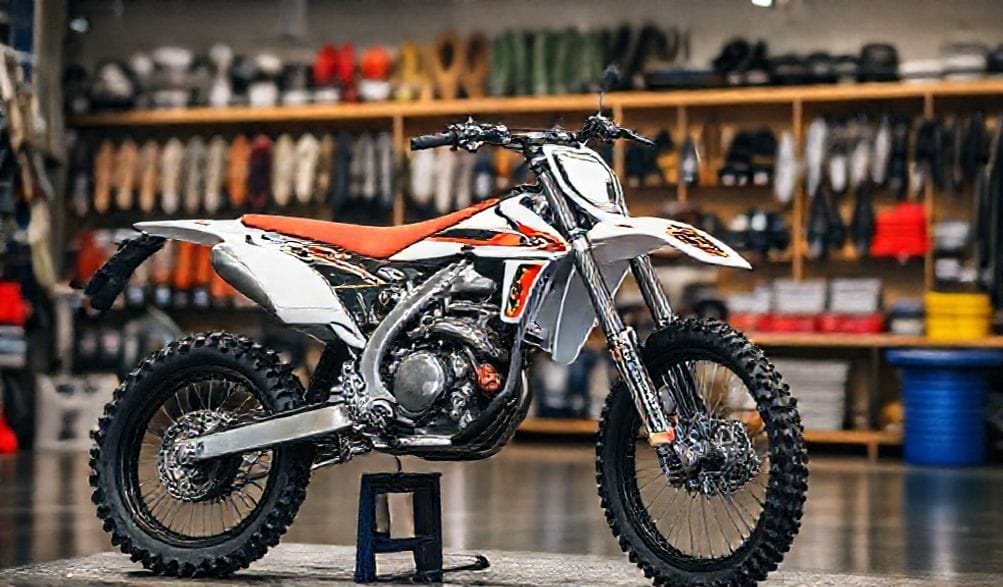
Your Expert Guide to Shopping for Dirt Bikes: Find Your Perfect Ride
Faire l'acquisition d'une moto tout-terrain est une étape passionnante vers l'aventure, mais la multitude de choix peut sembler écrasante. Que vous soyez un acheteur débutant à la recherche trail bike or a seasoned rider seeking a competitive motocross machine, making the right choice is crucial for your safety, enjoyment, and budget. This comprehensive guide, built on years of industry experience and a deep understanding of motorcycle mechanics, will walk you through every critical step. We’ll help you navigate the key considerations—from engine size and bike type to new vs. used and essential gear—so you can invest in a dirt bike with complete confidence and hit the trails ready for fun.
Understanding Dirt Bike Types: Matching the Bike to Your Riding Style
Your riding style is the single most important factor in choosing a bike. Selecting the wrong type can lead to frustration and even danger. The world of off-road motorcycles is diverse, and understanding these core categories is your first step to a successful purchase.
Trail Bikes: For Recreational Off-Roading
Trail bikes are the workhorses of the recreational riding world, designed for fun and accessibility.
* Characteristics: They prioritize ease of use and reliability. You’ll typically find electric start, a wide-ratio transmission (for both slow crawling and faster trail sections), softer and more forgiving suspension, and practical features like a headlight, taillight, and a kickstand.
* Best For: Beginners, family riding, exploring forest service roads, and tackling technical terrain at a manageable pace. They are the quintessential beginner dirt bikes.
* Key Models: Brands like Honda (with their CRF-F series like the CRF250F) and Yamaha (TT-R series) have dominated this category for decades due to their legendary durability and user-friendly nature.
Motocross Bikes: Built for the Track
Motocross (MX) bikes are purebred racing machines designed for one environment: the closed-course track.
* Characteristics: They feature high-performance engines with aggressive power delivery, extremely stiff suspension tuned for absorbing big jumps and whoops, and a focus on minimal weight. You won’t find lights, a kickstand, or a quiet exhaust here.
* Best For: Experienced riders who spend their days on motocross tracks and seek peak performance for jumps, corners, and straightaways. These are competition dirt bikes.
* Key Models: Think KTM SX-F series, Yamaha YZ250F/450F, Honda CRF-R series, and Kawasaki KX models. They require more skill and more frequent maintenance.
Dual-Sport/Adventure Bikes: On and Off the Road
As the name implies, these bikes are designed to legally do both.
* Characteristics: Ils sont street legal dirt bikes, meaning they come from the factory with all necessary equipment: headlights, turn signals, mirrors, a horn, and a license plate bracket. They are heavier than pure off-road bikes but offer the unique freedom of riding on pavement to connect trails.
* Best For: Riders who need to travel on public roads to reach trail networks, commuters who want off-road capability, or those interested in long-distance adventure touring on a mix of surfaces.
* Key Models: The Kawasaki KLX300, Honda CRF300L, and Suzuki DR-Z400S are popular, approachable choices in this dual purpose motorcycles category.
Enduro/Cross-Country Bikes: The Hybrid Warriors
Enduro bikes split the difference between motocross intensity and trail bike practicality, creating incredibly capable off-road tools.
* Characteristics: They have the powerful, responsive engines and quality suspension of an MX bike but are tuned for traction and control over varied terrain. They often include a headlight, taillight, and a wider-ratio transmission. They are the choice for serious woods bikes.
* Best For: Technical single-track trail riding, hare scrambles, enduro racing, and riders who want aggressive performance outside of a stadium track.
* Key Models: European brands like KTM (EXC-F and XC-W lines) and Husqvarna (FE and TE series) are benchmarks in the hard enduro et une cross-country racing world.
Key Specifications to Analyze When You Shop
Once you’ve identified the type of bike for your riding style, it’s time to dive into the specs. Going beyond the brand name and understanding these technical details will empower you to compare models effectively and make an informed decision.
Engine Size (Displacement): CCs and Skill Levels
Engine displacement, measured in cubic centimeters (cc), is the most common shorthand for a bike’s potential power.
* Explanation: Generally, a higher cc number indicates a larger engine with greater power output. However, engine tuning (e.g., a 250cc motocross bike vs. a 250cc trail bike) makes a massive difference. The four-stroke vs two-stroke debate is also critical here, affecting power delivery, weight, and maintenance.
* Recommendations:
* Kids & Absolute Beginners (50cc-125cc): Manageable power for learning clutch, throttle, and balance control. Four-strokes are typically recommended here.
* Teens & Intermediate Riders (150cc-250cc): This is the most popular and versatile range. A 250cc four-stroke is often considered the perfect “do-it-all” size for many adult riders.
* Experienced & Expert Riders (350cc-500cc+): These bikes offer significant dirt bike horsepower and require deliberate, skilled throttle control. They excel in open terrain and demand respect.
Suspension and Ergonomics: The Feel of the Ride
A bike’s suspension and how it fits you are arguably more important than peak horsepower for most riders.
* Pourquoi c'est important : Quality suspension absorbs impacts from roots, rocks, and jumps, keeping the tire in contact with the ground for control and comfort. Ergonomics—how you interface with the bike—directly affect your control, endurance, and confidence.
* What to Check:
* Suspension : Recherchez adjustable suspension (fork compression/rebound, shock preload). This allows you to fine-tune the ride for your weight and terrain.
* Hauteur d'assise : The most critical fit metric. You should be able to touch the ground with at least the balls of both feet on a level surface. Our dirt bike seat height guide would emphasize this as a top priority.
* Rider Triangle: The relationship between the seat, footpegs, and handlebars. A comfortable, neutral riding position reduces fatigue.
Weight, Frame, and Maintenance Schedules
These factors influence handling, durability, and long-term cost of ownership.
* Poids : A lighter bike is easier to maneuver in technical sections, pick up after a fall, and load into a truck. However, very light bikes can feel less stable at high speeds. Compare bike weight within the same category.
* Frame Material: Most modern performance bikes use aluminum frames for their excellent stiffness-to-weight ratio. Some trail and dual-sport models may use steel frames, which are durable and can offer a slightly more forgiving ride. The aluminum frame vs steel choice is often made for you by the bike’s intended purpose.
* Entretien : This is a huge, often overlooked factor. Before buying, research the recommended dirt bike maintenance schedule: oil change intervals, air filter cleaning frequency, and valve adjustment checks. High-performance four-strokes have more complex engines that require more meticulous and frequent care than a simple air-cooled trail bike.
The Buying Process: New vs. Used and Where to Look
Now that you know what to look for, it’s time to navigate how et une where to buy. This stage requires a blend of research, inspection, and trust.
Advantages of Buying a New Dirt Bike
Purchasing from an authorized dealer offers significant peace of mind.
* Garantie : Factory warranty coverage protects against major defects.
* Latest Tech: You get the most current models with updated features, emissions standards, and performance improvements.
* Known History: Zero wear and tear, no hidden damage.
* Dealer Support: Access to professional service departments, financing options, and often a relationship for future parts and advice.
* Ideal For: Those with the budget, beginners who prioritize reliability, and enthusiasts who want the newest technology.
Smart Shopping for a Used Dirt Bike
The used market offers fantastic value but requires diligence. Always use a pre-owned dirt bike checklist.
* Critical Inspection Checklist:
1. Frame & Subframe: Look closely for any cracks, bends, or repaired welds, especially around steering heads and suspension mounts.
2. Suspension : Check fork seals for leaks (oil on the fork tubes) and ensure the rear shock isn’t leaking.
3. Engine: Start the bike cold. Listen for unusual knocking or rattling. Look for excessive blue smoke from the exhaust (indicates oil burning).
4. Drivetrain: Check the chain and sprockets for hooked or worn teeth. A worn drivetrain is a sign of poor maintenance and a future expense.
5. Bearings: Wiggle the wheels side-to-side (wheel bearings), check for play in the swingarm, and feel the steering head for notchiness.
* Questions to Ask the Seller: “Why are you selling?” “What was the maintenance routine (oil, air filter, valves)?” “Can I see any service records or receipts?” “Has the bike been in any major crashes?” “Does it have a clean title in your name?”
Reputable Places to Purchase
- Revendeurs agréés : The gold standard for buying new. They establish E-E-A-T (Experience, Expertise, Authoritativeness, Trustworthiness) through their official manufacturer partnerships, trained staff, and physical location.
- Online Marketplaces (e.g., Cycle Trader, Facebook Marketplace): Offer a vast selection of both new and used bikes. They require maximum due diligence. Never send money without seeing the bike in person.
- Private Party Sales: Can yield the best price but carries the highest risk. Always meet in a safe, public place, conduct a thorough inspection, and ensure the title is properly signed and transferred.
Essential Gear and Initial Costs Beyond the Bike
The true cost of riding begins after you decide on the bike. Never compromise on safety gear. It is a non-negotiable part of the sport.
Mandatory Safety Equipment
- Casque : Your most critical investment. It must be DOT certified at a minimum; Snell or the newer ECE 22.06 certifications offer higher performance standards. A proper full-face motocross or off-road helmet is required. Understanding dirt bike helmet ratings is essential.
- Bottes : Purpose-built motocross boots protect your feet, ankles, and lower legs from impacts, twists, and debris. Do not use work boots or hiking boots.
- Lunettes : Protect your eyes from roost, dirt, and branches. Look for a comfortable fit with a tear-off or roll-off system for muddy conditions.
- Gants : Improve grip, protect your hands from blisters and minor impacts.
- Body Armor/Chest Protector: A roost guard or full upper body armor protects your chest, back, and shoulders from flying rocks and impacts.
Budgeting for Additional Expenses
The out-the-door price is just the beginning. Responsible shopping means budgeting for the full picture.
* Initial Outlay: Sales tax, registration/plate fees (especially for dual-sports), and title transfer fees.
* Coûts récurrents : Insurance (even for off-road bikes, for theft/damage), fuel, routine maintenance (oil, filters, tires, chains/sprockets), and potential repairs.
* Transportation & Storage: You’ll need a way to get your bike to the trails—a truck with a ramp or a quality motorcycle trailer. A secure place to store it is also a must.
FAQ: Your Dirt Bike Shopping Questions Answered
Q: What is the best dirt bike brand for a beginner?
R : Brands like Honda et une Yamaha are renowned for their reliable, user-friendly trail bikes (e.g., Honda CRF250F, Yamaha TT-R230). Their focus on predictable power, low maintenance, and durability makes them excellent, confidence-inspiring choices for new riders.
Q: How much should I spend on my first dirt bike?
R : Pour une moto neuve beginner-oriented trail bike, budget between $4,000 and $7,000 MSRP. A Une moto de trail bike in good condition can range from $2,000 to $5,000, depending on age and model. Crucially, always budget an additional $500 – $1,500 for proper, new safety gear (helmet, boots, etc.).
Q: Is a two-stroke or four-stroke engine better for me?
R : For most beginners and trail riders, a four-stroke is the recommended choice. It provides smooth, linear power that’s easier to control and is typically more forgiving. Two-strokes are lighter, have a distinct “power band” (sudden surge of power), and can be simpler/cheaper to rebuild. They are often preferred by experienced riders for motocross or technical woods riding due to their explosive power and agility.
Q: Can I legally ride a dirt bike on the street?
R : Only if it is a street-legal “Dual-Sport” model from the factory (with a VIN designation for on-road use). Converting a pure off-road bike to be street-legal is complex, expensive, and often impossible in many states due to strict regulations regarding emissions, equipment, and titles. Always check your specific state’s vehicle code.
Conclusion
Shopping for a dirt bike successfully hinges on honest self-assessment of your skill level and riding goals, combined with careful research. Start by defining your primary riding style—trail, track, or adventure—then narrow down the appropriate bike type and engine size. Diligently research both new and used options, always inspecting a used bike thoroughly or building a relationship with a reputable dealer. Finally, remember that the purchase price is just part of the journey; investing in high-quality safety gear is non-negotiable for a responsible and enjoyable riding experience. Take your time, use this guide as a reference, and you’ll be ready to make an informed decision that leads to years of off-road excitement. Now, get out there and start your search.
METADATA_START—
DISPLAY_TITLE: The Ultimate Guide to Shopping for Dirt Bikes: Find Your Perfect Ride
SEO_TITLE: How to Shop for Dirt Bikes | New & Used Buyer’s Guide 2024
META_DESC: Overwhelmed shopping for a dirt bike? Our expert guide covers types, specs, new vs. used, gear, and costs. Learn how to shop for the perfect dirt bike with confidence.
IMG_PROMPT: A detailed, photorealistic image of a person in full motocross gear inspecting a modern dirt bike in a well-lit garage. The bike is on a stand, with tools nearby. The scene conveys research, preparation, and the excitement of choosing the right off-road motorcycle.
—METADATA_END—