
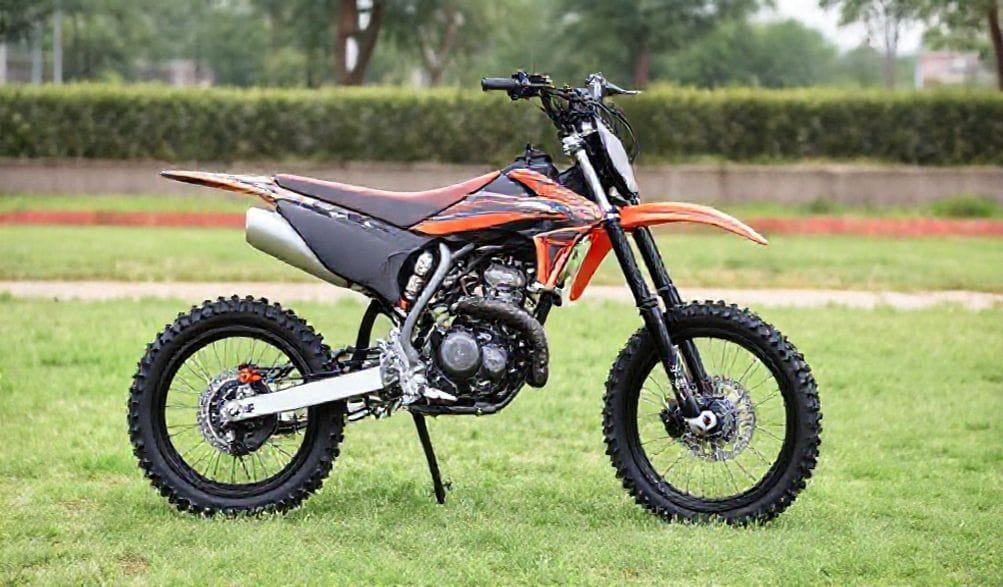
The Ultimate Guide to 72V Electric Dirt Bikes: Power, Performance, and Practicality
引言
The world of off-road riding is undergoing a silent revolution. The familiar roar of two-stroke and four-stroke engines is being joined—and in some cases, replaced—by the futuristic whir of electric power. At the forefront of this shift are 72V electric dirt bikes, machines that are rapidly shedding their “novelty” status to become formidable contenders on trails and tracks. For riders, enthusiasts, and curious newcomers, navigating this new landscape can be confusing, filled with technical jargon and bold marketing claims.
This guide is crafted to cut through the noise. We provide a comprehensive, unbiased, and expert-driven look at high-voltage electric dirt bikes. We’ll move beyond the spec sheets to combine technical understanding, real-world performance analysis, and hard-won ownership advice. Our goal is to empower you with the knowledge needed to make an informed decision, whether you’re considering your first electric bike or looking to upgrade your garage. By drawing on engineering principles, rider experiences, and evolving industry trends, this post serves as your authoritative resource for understanding the true potential, and the practical realities, of 72V electric dirt biking.
1. Understanding the 72V Electric Dirt Bike: Core Technology Explained
Before hitting the trail, it’s crucial to understand what makes these bikes tick. The “72V” designation is more than just a number; it’s the key to a new kind of performance.
1.1 What Does “72V” Really Mean? (Voltage, Power & Torque)
Think of voltage as the electrical “pressure” in the system. In simple terms, a higher voltage system can deliver more power to the motor more efficiently, especially under heavy load. While a 48V or 60V bike might be perfect for lighter trail duty, a 72V electric dirt bike is designed for serious performance.
Here’s the direct impact:
* Power & Top Speed: Higher voltage allows the motor to spin faster, directly influencing potential top speed. A 72V system can sustain high power outputs at speed better than lower-voltage systems, which might “sag” under demand.
* Torque: This is the star of the show. Electric motors deliver maximum torque instantly, from 0 RPM. A 72V architecture supports high-current flow, which translates to that breathtaking, wheel-lifting acceleration that defines the electric riding experience. It means climbing steep hills and powering out of corners with relentless force.
1.2 Key Components: Motor, Battery, and Controller
Three core components define the bike’s character.
-
Motor Types (Hub vs. Mid-Drive): Most performance-oriented 72V bikes use a 中置驱动电机 (mounted centrally near the bike’s crank) or a high-power geared hub motor.
- Mid-Drive: This is the gold standard for off-road. It leverages the bike’s existing chain drive and gearing, allowing the motor to operate in its optimal RPM range. This results in phenomenal torque, better efficiency, and a more natural, motorcycle-like feel with engine braking.
- 齿轮轮毂电机: Mounted directly in the rear wheel, these offer a simple, direct drive. Modern high-power versions can be very potent, but they add unsprung weight to the rear wheel, which can slightly affect suspension performance on rough terrain.
-
The Battery Pack: Heart of the Bike: The 72V lithium-ion battery is the most critical and expensive component. You’ll typically find two chemistries:
- 磷酸铁锂: Known for exceptional safety, longevity (2000+ cycles), and stability. It’s slightly heavier and less energy-dense than NMC.
- NMC(镍锰钴): Offers higher energy density (more range for a given size/weight) and better performance in cold weather, but may have a shorter overall lifespan and requires more careful management.
The capacity, measured in Amp-hours (Ah), determines your range. A 72V 40Ah pack holds more energy than a 72V 20Ah pack. Inside every quality pack is a 电池管理系统, a critical circuit that monitors cell health, prevents overcharging/discharging, and balances the cells for safety and longevity.
-
The Electronic Speed Controller (ESC): This is the bike’s “brain.” It sits between the battery and motor, interpreting your throttle input and precisely regulating the power sent to the motor. A sophisticated ESC enables features like regenerative braking (which recovers some energy when slowing down), multiple ride modes (Eco, Sport, Race), and protects the system from overloads.
2. Performance Deep Dive: Riding a 72V Electric Dirt Bike
How does all this technology translate to dirt, mud, and jumps? Let’s break down the riding experience.
2.1 Acceleration and Torque: The Instant Thrill
This is the single most transformative aspect. Forget clutch work and waiting for the powerband. Twist the throttle on a 72V electric dirt bike, and 100% of the motor’s torque is available 瞬时. The acceleration is linear, forceful, and incredibly controllable. It can feel like being launched from a catapult. On tight, technical trails or out of corners, this immediate power delivery provides a massive advantage, allowing for precise bursts of speed that leave comparable 250cc gas bikes struggling to match the initial hit.
2.2 Top Speed and Sustained Power
While torque is the headline, top speed matters for open trails and fire roads. A typical 72V performance bike, depending on gearing and motor power, can achieve speeds of 50 to 70+ mph. The higher voltage is key here; it reduces current draw at high speeds, meaning less heat buildup and more sustained power for longer stretches at full throttle compared to lower-voltage systems that can overheat or power-limit.
2.3 Handling and Weight Distribution
The handling story is nuanced. The battery pack, often a large slab, is usually mounted low in the frame, creating a very 重心. This makes the bike feel incredibly planted and stable, especially in corners and whoops. However, the overall weight—often 120-180 lbs for the bike itself—can be similar to or slightly less than a full-size gas dirt bike, but the weight is concentrated and non-rotating (except for hub motors).
This can affect “flickability.” The bike may not feel as light to toss sideways as a 200-lb gas bike with a spinning crankshaft and flywheel, but its stability is often superior. It’s a different kind of agility, one that rewards smooth, deliberate input.
3. Critical Considerations for Potential Owners
Excitement aside, practical ownership requires a clear-eyed view of the trade-offs.
3.1 The Range Reality: Factors That Affect Your Ride Time
Manufacturer range claims (often 50-70 miles) are achieved under ideal lab conditions. Real-world trail riding is anything but ideal. Your actual range is a complex equation:
* 地形: Hill climbing is a massive energy drain. Mountainous rides can halve your range compared to flat land.
* 骑行风格: Aggressive, throttle-happy riding consumes battery much faster than a smooth, conservative pace.
* Rider Weight & Gear: 移动更大质量需要更多能量。.
* 温度: Cold weather (below 50°F/10°C) significantly reduces battery performance and range.
* 助力模式: Using a lower power mode (Eco) can dramatically extend range.
Realistic Expectation: For aggressive single-track trail riding, plan for **20至40英里**, on a full charge. For casual fire road exploration, 40-50+ miles is possible.
3.2 Charging Logistics: Time, Cost, and Infrastructure
- 锂离子电池 This is the biggest operational difference from gas. With a standard charger, a full charge from empty can take 充电时间:. Some brands offer optional fast chargers that can cut this to 2-3 hours, but they come at a higher cost and may impact long-term battery health if used exclusively.
- “加油”成本: 这是电动车的优势所在。为72V 40Ah电池充满电大约消耗3千瓦时电量。按美国平均电价约0.15美元/千瓦时计算,每次"加满"仅需 0.45美元。“ 相比之下,一箱高级汽油则需要10-15美元。.
- 骑行规划: 您无法随身携带备用油桶。进行长途或偏远地区骑行时,需要仔细规划路线,确保能返回充电点。便利性从“任意加油站”转变为“您的车库”。”
3.3 维护保养对比:电动与燃油摩托车概览
日常维护大幅减少:
* 无需进行的维护: 无需更换机油、清洗空滤、更换火花塞、调整气门、调整离合器、调试化油器、更换排气填料、预混燃油。.
* 极大减少的项目: 没有需要磨损的齿轮传动系统,没有活塞环,没有凸轮链条。.
仍需进行的维护:
* 电池保养: 长期存放充电、避免极端温度、监控电池健康状态。.
* 其他相同项目: 轮胎、内胎、刹车系统(刹车片、制动液)、悬挂系统(前叉油封、连杆轴承)、链条润滑与张紧、辐条张力以及常规螺栓检查,这些均与燃油摩托车完全相同。.
维护计划更简单、更清洁,但并非完全无需维护。.
4. 市场评估:如何选择您的72V电动摩托车
准备选购?以下是如何筛选各类选项。.
4.1 值得研究的主流品牌与型号(截至2024年)
市场发展迅速。作为研究起点,可考虑在性能电动越野领域已建立声誉的品牌,包括 速珂 (Light Bee X和Storm Bee),, 塔拉瑞亚 (Sting R和MX4),以及 是极简主义、设计导向、极其轻量化的摩托车,专注于精准性和林道纯粹性。它们代表了该品类一种不同的、近乎艺术化的 approach。. 。传统摩托车品牌也正推出自有型号加入竞争。重点关注拥有活跃用户社区和良好零部件/技术支持的厂商。.
4.2 候选清单关键规格对比
建议制作对比表格。比较以下关键指标:
* 电机功率: 寻找 持续功率 实际续航将因以下因素缩减:1)多坡/技术性地形;2)更高骑手体重与装备负荷。 峰值功率 (爆发)额定功率,以千瓦计。8千瓦以上持续功率已属高性能范畴。.
* 电池: 电压(V)与容量(Ah)。. 将两者相乘得到瓦时(Wh),以便更好地进行能量对比(例如:72V x 40Ah = 2880Wh)。.
* 宣称续航 vs. 实际续航: 请应用第3.1节讨论的“实际折扣”系数。.
* 重量: 整备质量(含骑手准备骑行状态)。.
* 悬挂系统: 悬挂行程(毫米)、品牌及可调性。这对操控性至关重要。.
* 刹车: 液压碟刹尺寸与品牌(如Magura、Tektro)。.
* 保修: 需特别关注 电池保修政策 (通常1-2年,有时按比例计算)。.
4.3 新车 vs. 二手车:风险与回报
购买二手车可节省显著费用,但伴随风险。.
* 首要关注点:电池健康。. 电池没有简单的“油尺”可检测。需索要购买凭证、询问充电习惯,如有可能实地测试车辆以确认其能达到合理续航。容量仅为原始容量70%的电池在越野路况下可能只能支持20英里。.
* 控制器与电机: 这些部件通常较为耐用,但需检查是否存在故障码或异常行为。.
* 二手车标准检查项: 车架有无裂纹、悬挂是否漏油、轴承有无游隙、电子部件是否涉水受损。.
5. 骑行体验:社群、地形与改装
拥有一辆72V电动摩托车不仅关乎车辆本身。.
5.1 合法骑行区域
这是本指南中最关键的一点。. 电动越野摩托车的管理法规非常复杂,且因国家、州、县甚至地方公园的不同而有巨大差异。.
* 许多私人赛道欢迎电动摩托车。 在获得土地所有者许可的情况下,通常可以骑行。.
* 指定OHV区域: 许多公共越野车公园有特定规定。有些欢迎电动摩托车,有些则将其归类管理,有些可能不允许骑行。. 您必须核查计划骑行区域的具体法规。.
* 公共小径: 通常由土地管理机构(如USFS、BLM)或州立公园管理。许多非机动化小径(供徒步/自行车使用)严格禁止任何机动车辆进入,无论是否电动。.
免责声明:本网站不提供法律建议。骑行者有责任研究并遵守所有关于使用电动越野摩托车的当地、州及联邦法规。.
5.2 电动越野摩托车社群
发展最迅速的方面之一是社群。在线论坛、专门的Facebook群组和Subreddit是故障排除、寻找骑友和分享改装经验的宝贵资源。电动摩托车团体骑行日益普遍,提供独特而安静的社交骑行体验。.
5.3 热门升级与改装
改装市场蓬勃发展。常见升级包括:
* 控制器: “对电调进行”调校"可释放更多动力、调整油门响应并提高限速。.
* 电池: 升级为信誉良好的制造商生产的高容量(安时)电池组,是延长续航里程的最佳方式。.
* 悬挂系统: 对于体重较重或骑行风格更激进的车手,升级弹簧或整个前叉/减震单元能显著改变操控性能。.
* 这是一个不容妥协的安全问题。标准自行车轮胎的额定性能无法承受持续60英里时速行驶所产生的离心力、热量积聚和负载。 越野轮胎的选择始终取决于具体地形。.
* 必须执行的最终见面流程 灯光、挡泥板、脚踏板和底盘护板。.
常见问题解答
问:一辆72V电动越野摩托车一次充电究竟能跑多远?
答: 尽管有些车型宣传续航为50-70英里,但在激进的越野骑行中,实际续航通常为20-40英里。在平坦地形上保守骑行可以延长续航。务必考虑地形、骑手体重和油门使用情况。.
问:72V摩托车对初学者来说是否动力过强?
答: 有可能。许多车型提供多种动力模式(经济、运动等)。初学者可以从限制动力模式开始学习操控。然而,其重量和瞬时扭矩需要骑手谨慎对待。真正的零基础新手或许从低电压(例如48V)车型开始更为合适。.
问:电池在使用多久后需要更换?
答: 寿命以充电周期衡量。一块优质电池在衰减至原始容量的约80%之前,可经历800-1500次以上的完整充电循环。在典型使用情况下(每周充电1-2次),这意味着电池寿命可达3-5年或更久。正确的保养对于延长寿命至关重要。.
问:电动越野摩托车比燃油摩托车更环保吗?
答: 它们不产生直接排放,能大幅减少越野骑行途中的本地空气和噪音污染。但其整体环境影响取决于充电电力的来源(煤炭与可再生能源)以及锂离子电池的全生命周期(采矿、制造、回收)。.
问:与燃油摩托车相比,最大的缺点是什么?
答: 两个主要的权衡点是: 补充能源的时间 (燃油车需几分钟,电动车需数小时)以及 续航焦虑 ——在无法充电的偏远长途越野骑行中尤其如此。对于大多数在已知越野路网进行的单日骑行,这是一个可以管控的考量因素。.
结论
72V电动越野摩托车不仅仅是燃油摩托车的替代品;它代表了越野摩托车运动中一个激动人心且独特的新分支。它融合了独特的瞬时强劲扭矩、更简化的维护复杂性,以及与周围环境更安静、更紧密的连接感。它在技术性地形上表现出色,并提供令人沉醉的加速体验。.
然而,它并非一个完美且可直接无缝替换的选择。要成功驾驭72V摩托车,需要诚实地将其性能特点——卓越的动力、有限的续航、以家庭为中心的补能方式——与您的骑行风格、当地地形,以及最重要的、合法的骑行地点相匹配。通过进行充分调研、扎实理解技术特性并合理管理对续航的期望来做出购买决策,您就能自信地判断,这强劲而静谧的澎湃动力是否是开启您下一次越野冒险的合适催化剂。越野摩托车的未来已经到来,它充满电趣。 72V electric dirt bike 显示标题:72V电动越野摩托车终极指南:动力、性能与实用性.
METADATA_START—
搜索引擎优化标题:2024年72V电动越野摩托车指南 | 性能、续航与选购技巧
元描述:正在考虑72V电动越野摩托车?我们的2024终极指南涵盖动力、实际续航、维护、热门车型及关键选购建议。了解高压电动是否适合您。
图片生成提示:一张充满动感的高清动作照片,展现一辆现代流线型的72V电动越野摩托车在森林小道的土坡上腾空跃起,骑手装备齐全。摩托车应看起来动力强劲且富有未来感,阳光透过树林滤下。场景传达出速度、性能以及静谧越野骑行的刺激感。.
72V电动摩托车.
—METADATA_END—