
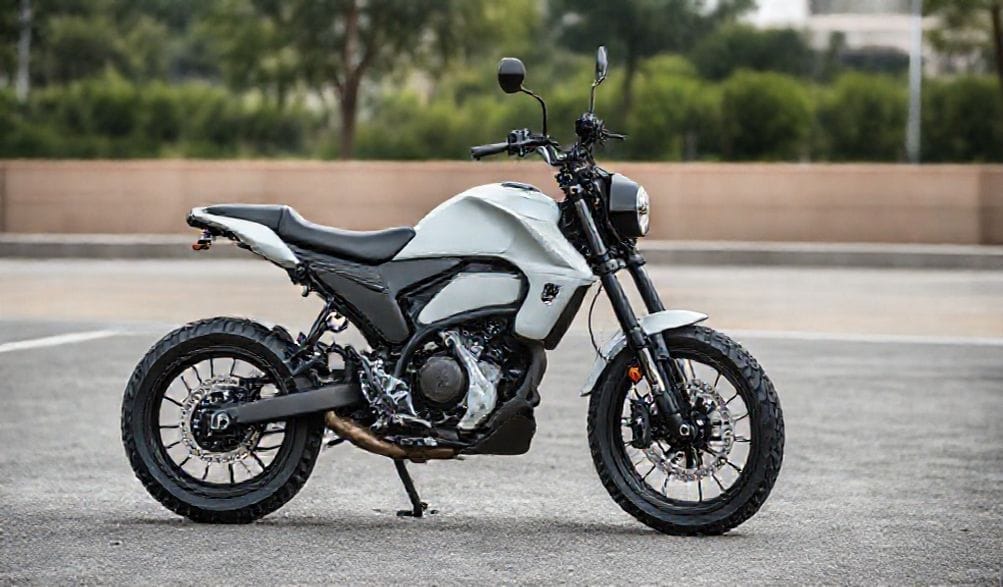
The Complete Guide to 72V Electric Motorcycles: Power, Performance, and Practicality
The electric two-wheel revolution is here, but it’s no longer just about quiet neighborhood scooters or pedal-assist bicycles. A new class of machine is emerging for riders who crave genuine motorcycle performance without the fumes, noise, and complexity of internal combustion. At the forefront of this shift is the 72V electric motorcycle—a platform that has rapidly become the “sweet spot” for serious commuters, enthusiasts, and eco-conscious adventurers alike.
If you’re reading this, you’ve likely outgrown the limitations of standard e-bikes and are asking the critical questions: Is a 72V system the right leap in power for me? How does it truly compare to a 48V model or even a gas bike? What should I know before investing? This guide is designed to answer those questions and more. Based on a deep dive into technical specifications, industry trends, and real-world riding dynamics, we’ll provide a balanced, in-depth look at what 72V electric motorcycles offer. Whether you’re a daily commuter needing reliable highway speed, a weekend rider seeking thrilling torque, or someone looking for a practical car alternative, this guide will help you navigate the landscape of high-voltage electric mobility.
What is a 72V Electric Motorcycle? Understanding the Core Technology
At its heart, the “72V” designation refers to the nominal voltage of the motorcycle’s primary electrical system. This isn’t just a marketing number; it’s the foundational specification that dictates the potential for power, speed, and performance.
Voltage Explained: Why 72V Matters for Power and Speed
Think of voltage like water pressure in a hose. A 48V system is like a standard garden hose—perfect for watering plants. A 72V system is like a pressure washer—it delivers significantly more force, capable of tackling tougher jobs with greater intensity.
In practical terms, moving from common 48V or 60V systems to a 72V architecture allows the electric motor to draw power more efficiently, especially at higher speeds. Voltage, in combination with current (Amps), determines power (Watts). A higher voltage system can deliver more watts without needing excessively high current, which reduces heat buildup in wires and components and improves overall efficiency. For the rider, this translates directly to higher potential top speeds (often 55-80+ mph) and, more importantly, stronger, sustained acceleration that feels genuinely motorcycle-like.
Key Components of a 72V System
A 72V electric motorcycle is more than just a bigger battery. It’s an integrated system of three key components:
- The High-Voltage Motor: This is the heart of the bike. Most 72V motorcycles use powerful 轮毂电机 (integrated into the wheel) for simplicity and direct drive, or **中置电机** (mounted to the frame) that leverage the motorcycle’s gearing for optimized torque and efficiency. The motor’s power rating (e.g., 5000W, 8000W) combined with the 72V supply is what creates the exhilarating performance.
- 电池组: This is the fuel tank. A 72V battery is comprised of many lithium-ion cells wired in series to achieve the 72V nominal voltage. The capacity, measured in Amp-hours (Ah) (e.g., 32Ah, 50Ah), determines how much energy is stored. Common chemistries include NMC(镍锰钴) (Nickel Manganese Cobalt) for high energy density and power, and LFP (Lithium Iron Phosphate) for exceptional longevity and safety. The 电池管理系统 inside is crucial for safety, monitoring cell health, and preventing overcharge or discharge.
- **控制器:** This is the bike’s “brain.” It sits between the battery and the motor, regulating the flow of electricity. When you twist the throttle, the controller interprets that signal and dictates how much power from the 72V battery is sent to the motor. A high-quality controller ensures smooth acceleration, maximizes range through efficient power delivery, and often houses customizable ride modes.
Advantages of Choosing a 72V Electric Motorcycle
Choosing a 72V platform isn’t just about going faster; it’s about accessing a more capable and versatile riding experience.
Superior Performance and Acceleration
This is the most tangible advantage. The instant torque of an electric motor is magnified by the 72V system’s ability to deliver high power. Acceleration from a stoplight is brisk and linear, often surpassing comparable gas-powered motorcycles in the 0-30 mph range. This performance isn’t just for straight lines; it means confident hill-climbing ability and the capacity to carry a passenger or cargo without a significant drop in responsiveness. The bike feels planted and powerful, not strained.
Extended Riding Range Per Charge
While battery capacity (Ah) is the primary factor for range, a 72V system contributes to efficiency, especially at cruising speeds. Because it operates at a higher voltage, it can maintain highway speeds (55-70 mph) more efficiently than a lower-voltage system working at its upper limit. This means your stated battery capacity goes further. While real-world results vary drastically, a well-specified 72V motorcycle can realistically achieve 70 to 120 miles of mixed riding, making it viable for substantial commutes and even weekend exploration.
Future-Proofing and Upgrade Potential
Investing in a 72V platform often means entering a ecosystem built for performance. The electrical system is robust enough to handle potential upgrades, from more powerful controllers to auxiliary lighting and accessories. The frame, brakes, and suspension on bikes designed for this voltage are typically built to a higher standard to manage the speed and weight. This makes a 72V motorcycle a more durable, long-term vehicle capable of handling varied terrain and longer tours.
购买前需审慎考虑的关键事项
With great power comes great responsibility—and a few practical realities. An informed buyer must weigh these considerations.
Upfront Cost and Long-Term Value Analysis
There’s no sugarcoating it: a quality 72V electric motorcycle represents a significant investment, often ranging from $4,000 to $10,000+, positioning it closer to an entry-level gas motorcycle than an e-bike. However, the long-term value analysis is compelling. You eliminate costs for gas, oil changes, air filters, and complex engine maintenance. “Refueling” with electricity is a fraction of the cost. The key is to calculate your Total Cost of Ownership over 3-5 years, including purchase price, insurance, charging, and the eventual battery replacement.
Licensing, Insurance, and Legal Regulations
This is critical: In most jurisdictions worldwide, a 72V electric motorcycle, due to its power and speed capabilities, is classified as a 摩托车或机动自行车. This almost always means you will need:
* A valid 摩托车驾照 (requiring a separate test/endorsement).
* Vehicle registration, license plates, and title.
* Motorcycle insurance.
* Compliance with all standard motorcycle safety equipment laws (DOT helmet, etc.).
You must check with your local Department of Motor Vehicles (DMV/MVD) for specific regulations before purchasing.
Charging Infrastructure and Practicalities
You’ll be charging at home 95% of the time. Most 72V bikes come with a standard charger that plugs into a 110V/120V household outlet. A full charge from empty can take 6 to 10 hours. Faster “Level 2” chargers (using a 220V outlet, like a dryer plug) can cut this time in half or more, but may be an extra purchase. Planning for a secure, weather-protected outlet near where you park is an essential first step. While public EV charging networks are expanding, compatibility for electric motorcycles is still growing, so don’t rely on it for primary charging.
Maintenance and Service Network
While maintenance is drastically reduced (no engine, transmission, or exhaust system), it’s not zero. You must maintain tires, brakes, suspension, and lights. The specialized component—the high-voltage battery and drivetrain—requires attention. 寻找合格的技术人员 进行维修或诊断比燃油摩托车更具挑战性。请研究制造商的保修政策、维修手册的获取途径,以及您所在地区是否有授权服务中心。同时需了解,电池虽然寿命长,但仍属于消耗品。一个优质的锂电池组可能可持续使用 800至1500次完整充放电循环 (大约相当于典型使用条件下的3-8年),但其更换将是一笔重大开支,通常占自行车原始成本的很大比例。.
72V车型的主要适用场景与理想用户群体
这款机器究竟适合谁?以下是能最大程度受益于72V电动摩托车的用户画像。.
追求速度与可靠性的日常通勤者
场景: 您每日往返通勤距离为20-40英里,且部分路段需要在限速55英里/小时以上的道路上行驶。48V电动踏板车在车流中会显得动力不足且不安全。72V摩托车能让您自信地并线、跟上交通流,并且抵达时无需担心“续航焦虑”。低廉的日常使用成本以及安静、无振动的骑行体验,能显著减轻通勤压力。.
性能爱好者与周末骑手
场景: 您热爱骑行的感觉——即时的油门响应、在蜿蜒道路上的切弯体验。72V电动摩托车能提供独特平顺却又爆发力十足的动力输出。无需换挡让您可以完全专注于骑行路线和刹车。这是一种 thrilling、新派的骑行体验,既高性能又出人意料地平易近人。.
配送专业人员或城市商业用户
场景: 您需要一匹能胜任全天城市穿行的“驮马”。您需要载货、频繁启停,并且要求高可靠性。72V系统的高扭矩非常适合负重起步。近乎为零的“燃料”成本直接提升了利润率,而安静的运行在居民区也是一大优势。其续航里程确保您不会在值班中途抛锚。.
常见问题解答
Q1:一辆典型的72V电动摩托车能跑多快?
答: 大多数量产的72V车型最高速度范围在 55英里/小时至80英里/小时以上. 。实际速度取决于电机额定功率(以瓦特计)、控制器程序设定、车身重量及空气动力学。请务必查看制造商的技术规格。.
Q2:我可以期待的实际续航里程是多少?
答: 在理想条件下(中等速度、平坦地形、骑手体重适中),单次充电的预期续航里程在 70至120英里 之间。最大的影响因素是电池容量(以安时Ah计)。激烈的公路骑行、坡道、寒冷天气以及载货可能使此续航减少30%-40%。.
Q3:驾驶72V电动摩托车需要摩托车驾照吗?
答: 在大多数地区,, 需要。. 是的。鉴于其功率和速度性能,法律上将其归类为摩托车。您几乎肯定需要摩托车驾照/认证、车辆注册和保险。. 请务必向您当地的机动车管理部门核实。.
Q4:72V电动摩托车安全吗?
答: 由信誉良好的制造商生产时,它们会包含电池管理系统(BMS)、防水连接器和坚固外壳等关键安全功能。然而,主要的安全因素在于 骑手. 。更高的性能要求更大的责任感。完成摩托车安全课程(如MSF)、穿戴全套防护装备(头盔、夹克、手套、裤子、靴子)以及培养防御性驾驶技能,对于安全操作是必不可少的。.
Q5:电池能用多久,更换成本是多少?
答: 一块高质量的锂离子电池在容量衰减至原始状态约80%之前,可以使用 800至1500次完整充放电循环 800至1500次完整充放电循环 。在典型使用下,这相当于. 3到8年 锂离子电池会衰减。在500-1000次以上充电循环后,您可能会发现续航显著下降。更换电池组的费用可能高达, 。更换是一项重大成本,通常在.
结论
500至1500美元之间 ,具体取决于容量和技术。请将此纳入您的长期持有计划中。 72V电动摩托车代表了电动汽车革命中一个引人注目且成熟的细分市场。它成功填补了实用型电动自行车与全尺寸电动摩托车之间的空白,提供了.
真正的性能、实用的续航以及较低的运营成本.
的融合,这很难被超越。
1. 试骑体验: 最终决定取决于您的需求和优先事项。您是在用更高的前期成本、驾照门槛和充电规划,来换取一种安静、刺激且非常实用的交通方式。.
2. 如果您正在认真考虑这条道路,请完成以下最后三个步骤: 试驾体验:.
3. 亲身感受无可替代。感受加速性能,判断人机工程学,评估制造质量。 仔细研究地方法规:.
不要想当然。联系您的车管所和保险公司,了解确切的要求和费用。.
METADATA_START—
核算成本:
制作一份现实的5年总拥有成本电子表格,包括购买、保险、电费、维护和潜在的电池更换费用。
对于准备好拥抱高性能电动出行的骑手而言,72V电动摩托车不仅仅是一个替代品;它是一种升级。它是一台强大、清洁且精密的机器,重新定义了两轮交通的可能性。
DISPLAY_TITLE: 72V电动摩托车完全指南:动力、续航及须知事项.
—METADATA_END—