
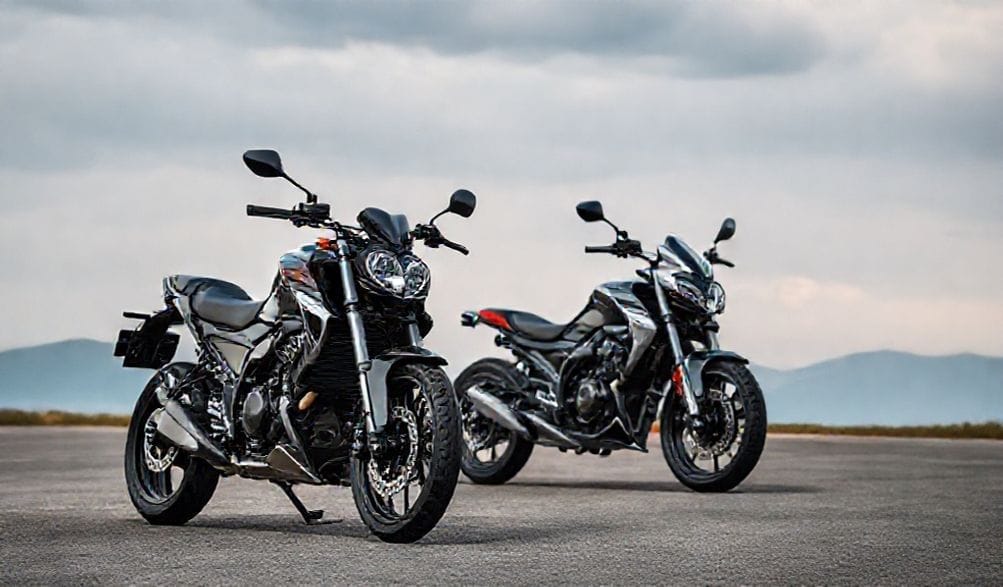
Hybrid Motorcycles Explained: The Future of Riding, Efficiency, and Performance
引言
What if you could slash your fuel costs by 30% or more on your daily commute, without giving up the freedom to embark on a spontaneous weekend tour? As fuel prices fluctuate and environmental awareness grows, motorcyclists are increasingly caught between a love for the internal combustion engine’s roar and the allure of electric efficiency. The motorcycle industry is responding not with an ultimatum, but with an intriguing compromise: the hybrid motorcycle.
This comprehensive guide dives deep into the world of hybrid motorcycle technology. We’ll move beyond the hype to explore how these machines actually work, their tangible benefits and real-world trade-offs, the models you can buy today, and what it’s truly like to own one. Synthesizing insights from engineering white papers, long-term rider reviews, and industry analyst reports, this article aims to provide a balanced, expert perspective. Our goal is simple: to equip you with the knowledge needed to decide if a hybrid motorcycle is the next step in your riding journey, or a fascinating technological detour.
What is a Hybrid Motorcycle? Defining the Technology
At its core, a hybrid motorcycle seeks to offer the “best of both worlds.” But what does that actually mean from an engineering standpoint?
The Core Concept: Combining Power Sources
A hybrid motorcycle integrates two distinct power sources: a traditional internal combustion engine (ICE) that runs on gasoline and an 低沉嗡鸣 powered by a battery pack. The fundamental idea is to use each power source where it is most efficient. The electric motor excels at providing instant, silent, and emission-free power from a stop, while the gasoline engine is more efficient at maintaining higher, constant speeds and refueling in minutes.
This stands in stark contrast to both traditional motorcycles and their electric counterparts. A conventional bike relies solely on its ICE, with all the associated vibrations, noise, and emissions. A pure electric motorcycle (EV) uses only its electric motor and battery, offering sublime smoothness and zero tailpipe emissions but limited by range and charging time. The hybrid sits squarely in the middle, aiming to mitigate the weaknesses of each.
Types of Hybrid Systems for Two Wheels
Not all hybrids are created equal. The technology is adapted from the automotive world into several distinct configurations suitable for two-wheelers:
- Parallel Hybrid: This is the most common type in current production motorcycles. In a parallel system, both the internal combustion engine and the electric motor are mechanically connected to the drive wheel (often via the same transmission). They can work together to provide maximum power or operate independently. For example, the electric motor might assist during hard acceleration, while the ICE takes over at cruising speed. The Honda PCX Hybrid is a classic example of this architecture.
- Series Hybrid: In this setup, the internal combustion engine is completely disconnected from the wheel. Its sole job is to act as a generator, charging the battery pack. The battery then powers an electric motor, which is the only component driving the wheel. This allows the engine to run at its most efficient RPM constantly, but can involve energy conversion losses. It’s less common in current bikes but appears in some concepts.
- Mild vs. Full Hybrid: This distinction refers to the capability of the electric system.
- A Mild Hybrid cannot propel the motorcycle on electric power alone. The electric motor acts strictly as an assistant, providing a torque boost (e.g., during acceleration) and running accessories. It’s primarily for performance and efficiency gains.
- A Full Hybrid has a more powerful electric motor and battery, enabling it to drive the motorcycle for a limited distance in electric-only mode, typically at city speeds. This allows for silent, zero-emission travel in urban environments.
The Pros and Cons: Should You Consider a Hybrid Motorcycle?
Hybrid technology promises a lot, but it comes with inherent compromises. Let’s weigh the advantages against the challenges.
Advantages of Hybrid Motorcycle Technology
- Enhanced Fuel Efficiency & Range: This is the headline benefit. By using regenerative braking and allowing the electric motor to handle low-speed, stop-and-go traffic—where gasoline engines are least efficient—hybrids can dramatically reduce fuel consumption. For the daily urban commuter, this can mean far fewer trips to the gas station and significant cost savings over time.
- Reduced Emissions: While not zero-emission like a pure EV, a hybrid motorcycle produces significantly fewer tailpipe pollutants and less CO2 than a comparable conventional bike, especially in city riding cycles. It’s a tangible step towards greener riding.
- Increased Low-End Torque: Electric motors deliver 100% of their torque instantly from 0 RPM. When this is combined with an ICE’s power band, the result is startlingly quick and smooth acceleration from a standstill, making traffic light getaways both efficient and exhilarating.
- 能量回收制动: This clever system captures kinetic energy that is normally wasted as heat during braking or deceleration, using it to recharge the battery. It not only improves efficiency but can also reduce wear on the traditional brake pads and discs.
Challenges and Considerations
- Added Weight & Complexity: The battery pack, electric motor, and associated control systems add substantial weight. This can affect a motorcycle’s nimble handling, agility, and overall feel. Furthermore, you now have two complex propulsion systems instead of one, which can potentially lead to higher maintenance costs and more specialized repair requirements.
- 较高的前期成本: The advanced technology commands a premium. A hybrid motorcycle will almost always be more expensive than a similarly sized and equipped conventional motorcycle, placing it in a higher market segment.
- Limited Electric-Only Range: If you’re dreaming of silent, long-distance electric touring, a hybrid will disappoint. The electric-only range, if offered, is usually minimal (often just a few miles), designed for low-speed urban crawling rather than替代 true electric travel.
- Model Availability: This is currently a niche segment. Your choices are severely limited compared to the vast arrays of traditional ICE or the growing selection of electric motorcycles. Finding a hybrid that fits your specific style (e.g., sportbike, cruiser) is challenging.
Hybrid Motorcycles in the Market: Models and Makers
While not flooding showrooms, hybrid technology has made its way into production, with more concepts hinting at the future.
Current Production Models
As of 2023, the hybrid motorcycle market is select but notable:
- Honda NC750X DCT (with Hybrid Assist): Perhaps the most prominent “real” hybrid motorcycle available. This adventure-styled model uses a mild parallel hybrid system. Its electric motor integrates into the Dual-Clutch Transmission (DCT) to provide seamless torque fill during acceleration and gear changes. It cannot run on electric power alone but significantly boosts low-end response and fuel economy.
- Honda PCX Hybrid: A pioneer in the scooter world, the PCX Hybrid uses a compact parallel hybrid system to assist its engine during acceleration from a stop, improving fuel efficiency for urban riders.
- Other Notable Mentions: Brands like BMW and Yamaha have explored hybrid concepts extensively, and smaller manufacturers are experimenting, but widespread production models from major brands beyond Honda are still on the horizon.
Concept Bikes and Future Innovations
The concept stage is where the imagination runs wild, showing the potential direction of the industry:
- Yamaha TRICITY 300 Hybrid Concept: This leaning multi-wheel scooter concept showcased a parallel hybrid system aimed at combining the stability of three wheels with enhanced eco-performance.
- BMW CE 04 Hybrid Concept: While BMW is heavily invested in electric (like the CE 04), they have also revealed hybrid scooter concepts that use a range-extender (series hybrid) setup, where a small engine charges the battery for extended range.
- The Industry Trend: The R&D focus suggests hybrids are seen as a pragmatic “bridge technology.” They allow manufacturers to meet tightening global emissions regulations, introduce riders to electrification gradually, and solve the range anxiety issue that still holds many back from pure EVs—all while keeping the familiar sound and quick refueling of gasoline.
The Rider’s Perspective: Practicality, Performance, and Ownership
Who is the Ideal Hybrid Motorcycle Rider?
A hybrid motorcycle isn’t for everyone, but it’s a perfect fit for specific profiles:
* 优先考虑安全性(全盔、护腕)、便利性(背包、快充)及可见性(附加灯光)。 如果您主要在市区交通中骑行,其燃油节省、减排效果以及扭矩辅助起步能力,使其成为极具吸引力的日常出行选择。.
* 环保意识强烈的骑行爱好者: 希望减少环境足迹,但尚未准备好接受纯电动摩托车续航限制和生活方式改变的骑手。.
* 技术早期采用者: 痴迷于工程创新、享受处于全新骑行体验前沿的摩托车手。.
* 务实的长途旅行者(附带说明): 重视长途公路行驶的卓越燃油续航,但在旅行中驶出山路弯道或穿行市中心时,会欣赏电动辅助功能的骑手。.
真实世界骑行体验
那么,实际骑起来感觉如何?像本田NC750X混合动力版这类车型的评测突显了一种独特的无缝体验。电动辅助与汽油动力之间的切换通常难以察觉。其骑行特点包括:
* 安静而有力的起步: 从静止状态起步异常安静,且出人意料地轻快。.
* 振动减少: 电机使动力输出更为平顺,减少了发动机振动。.
* 非传统的声音景观: 熟悉的发动机声有时会伴随着微弱的电动嗡鸣声,形成一种新的听觉特征。.
拥有成本分析
财务状况表现为较高的初始支出与潜在的长期节省并存:
* 购买价格: 预计比同级别非混合动力车型溢价15-25%。.
* 燃油节省: 这是最大的优势。根据您的骑行周期,实现20-40%的燃油节省是现实的,这可以在几年内抵消较高的购买价格。.
* **维护保养**: 由于再生制动,刹车片寿命可能更长。然而,内燃机仍需要按照标准保养周期进行维护。混合动力电池组的长期可靠性及潜在更换成本(很可能在许多年后发生)仍是未知变量。.
* 保险: 由于车辆价值增加和结构更复杂,保险费率可能略高。.
关于混合动力摩托车的常见问题(FAQ)
Q1: 混合动力摩托车可以仅用电模式骑行吗?
答: 这完全取决于系统。目前大多数量产混合动力摩托车,如本田NC750X,属于“轻度混合动力”,无法仅靠电力驱动摩托车——电机仅提供辅助。更为罕见的“强混合动力”系统,确实能提供有限的纯电续航用于低速行驶。.
Q2: 如何为混合动力摩托车充电?
答: 绝大多数是“自充电混合动力车”。其电池通过再生制动和内燃机充当发电机自动补充电量。无需插电充电。真正的插电式混合动力摩托车(配备充电接口)目前大多处于概念阶段。.
Q3: 混合动力摩托车更可靠吗?
答: 这是一把双刃剑。它们包含更复杂的系统(电池管理、双动力总成),这引入了新的潜在故障点。然而,它们可以减轻传统部件的负担——电动辅助减轻了发动机负载,再生制动节省了摩擦制动器。随着这些车型使用年限增长,长期、高里程的可靠性数据仍在收集中。.
Q4: 混合动力摩托车适合新手骑手吗?
答: 有可能适合。平顺、可控的低扭可以使低速控制更容易。许多混合动力车,如NC750X,配备自动变速箱(DCT),消除了学习使用离合器的挑战。然而,对于第一辆摩托车而言,增加的重量和较高的购买价格是显著的缺点,通常建议的起点是一辆简单、轻量且价格低廉的二手摩托车。.
Q5: 混合动力摩托车的未来是什么?
答: 混合动力技术被广泛视为一种过渡性技术。它作为一种务实的折中方案,在纯电动技术(充电速度、基础设施、成本)的难题得到解决的同时,帮助制造商和骑手逐步适应电动化未来。随着电池技术进步,其长期作用可能会减弱,但在未来十年,对于尚未准备好完全转向电动的骑手来说,它们提供了一个极具吸引力的“中间站”。.
结论
混合动力摩托车代表了双轮交通工具演进过程中一个迷人且务实的中间地带。它们兑现了其核心承诺:显著提高燃油效率和减少排放,同时不要求骑手放弃汽油动力带来的长途自由和熟悉的加油方式。其代价是增加了重量、复杂性和更高的初始价格,且目前市场上可供选择的车型仍然很少。.
我们最终给出的平衡建议是:对于需求匹配的特定骑手而言,混合动力摩托车是一个极佳且理性的选择。如果您主要在市区骑行,注重燃油成本,具有环保意识,并对无缝衔接的新技术感兴趣,那么混合动力摩托车值得在您的试骑清单上名列前茅。然而,如果您优先考虑极致的轻量化、运动敏捷性、简单的机械结构,或者您的大部分骑行已经是在开阔的公路上,那么传统的燃油摩托车或纯电动摩托车可能更适合您。.
迈向更清洁、更高效摩托车的旅程正在进行中。混合动力技术是这一进程中的关键篇章,在行业迈向未来的同时,提供了当下切实可行的解决方案。随着电池能量密度提高和更多车型加入竞争,这个连接时代的桥梁只会变得更加引人注目。骑行的未来不仅仅是电动或汽油——对于越来越多的骑手来说,它是两者智能的结合。.
METADATA_START—
显示标题:混合动力摩托车解析:骑行、效率与性能的未来
SEO标题:2024年混合动力摩托车指南:优缺点、车型与未来
元描述:考虑购买混合动力摩托车?我们的2024年指南为您解析技术原理、真实世界的优缺点、现有车型、拥有成本,并帮助您判断它是否适合您。.
图片提示:一辆线条流畅、造型现代的混合动力摩托车,停泊在日落时分的风景山路上,未来感十足的仪表盘显示电动和汽油动力模式均处于激活状态,照片级真实感,动态视角。.
—METADATA_END—