
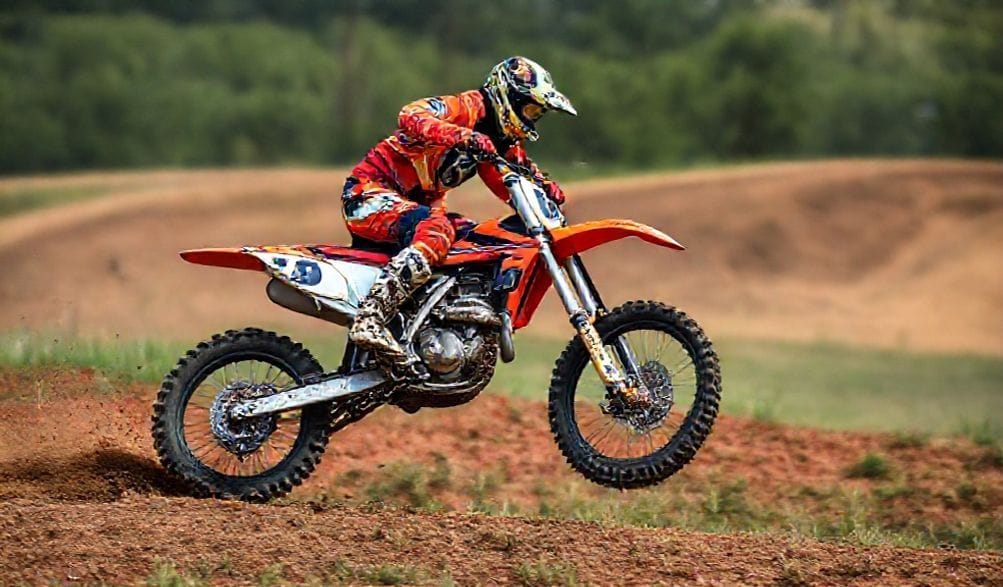
The Ultimate Guide to MX Dirt Bikes: Choosing, Riding & Maintaining Your Machine
The roar of a high-strung engine, the smell of pre-mix and dirt, the feeling of floating over a tabletop—motocross is more than a sport; it’s a visceral experience that captivates riders of all ages. Whether you’re a parent looking to get your kid started, an adult finally chasing a childhood dream, or an experienced rider looking to refine your knowledge, the world of MX dirt bikes can be as complex as it is thrilling. With so many options, technical jargon, and strong opinions, where do you even begin?
This comprehensive guide is written for both aspiring and experienced motocross enthusiasts. Drawing on years of riding, wrenching, and learning from seasoned mechanics and racers, our goal is to be your most trusted resource. We’ll cut through the marketing hype and forum myths to provide clear, actionable, and safety-focused advice. From demystifying the core engineering of these machines to outlining a bulletproof maintenance routine, this guide will help you make informed decisions, protect your investment, and, most importantly, enjoy the sport responsibly and for years to come.
What is an MX Dirt Bike? Understanding Motocross Machines
At its heart, an MX dirt bike is a purpose-built racing motorcycle designed for one environment: the closed-course motocross track. Every component, from the suspension travel to the engine mapping, is optimized for short, intense bursts of speed, high-flying jumps, and aggressive cornering on a groomed dirt circuit. Unlike their street-legal or adventure-oriented cousins, these are not machines for commuting or long-distance trail exploration. They are single-minded athletes.
Core Design & Engineering Principles
The DNA of a modern MX dirt bike is defined by three non-negotiable pillars:
- Lightweight Frame Construction: Every gram matters. Modern frames are primarily aluminum (or high-grade steel on some models), engineered to be incredibly stiff for precise handling while shaving off critical weight. This stiffness allows the suspension to work effectively and gives the rider direct feedback from the terrain.
- High-Performance Suspension: This is arguably the most critical system on the bike. Long suspension travel (often 12 inches or more front and rear) is essential for absorbing the massive impacts of jumps and whoops. But it’s the 入门级车型配备基本的、仅预载可调的前叉。性能级车型则配备全可调悬挂(压缩阻尼、回弹阻尼和弹簧预载),允许你根据自身体重、速度和地形微调操控性。优秀的悬挂是掌控车辆与被车辆折磨之间的区别。 of the components—the damping, spring rates, and adjustability—that separates an MX bike from a trail bike. MX suspension is tuned to handle high-speed compression and rebound from landings, not just plush trail comfort.
- Powerful, Responsive Engine: MX engines are built for peak horsepower and immediate throttle response. They have close-ratio transmissions to keep the engine in its powerband, high-compression ratios, and aggressive cam profiles. They are not designed to idle for long periods or putter along at low RPMs; they are meant to be ridden hard.
MX vs. Off-Road vs. Trail Bikes: Key Differences
It’s easy to lump all dirt bikes together, but the differences are significant:
- 使用目的: 一辆 MX bike is for racing on a track. An off-road or enduro bike (like a KTM XC-W or Honda CRF450X) is built for long-distance, technical trail riding and racing, often requiring lighting, a kickstand, and a wider-ratio transmission. A trail bike (like a Yamaha TT-R230) is for casual recreation, prioritizing low-maintenance and user-friendly power.
- 关键规格: 一辆 MX bike will have no lights, minimal emissions equipment, the stiffest suspension, and the most aggressive engine tuning. An off-road bike adds lights, a spark arrestor, softer suspension for varied terrain, and an engine tuned for tractable low-end power. Gearing is taller on an off-road bike to allow for higher top speeds on connecting trails.
How to Choose the Right MX Dirt Bike for Your Skill Level
Selecting the wrong bike is the fastest way to breed frustration, instill bad habits, or cause an accident. Honest self-assessment of your skill level is the first and most crucial step.
Beginner MX Bikes: Entry-Level Models & Features
For a true novice, the goal is a bike that builds confidence, not fear.
- Recommended Displacements: The classic starting points are a 125cc two-stroke or a 250cc four-stroke. These “full-size” bikes offer enough power to learn on but are typically more linear and forgiving than their larger counterparts. For younger or smaller riders, the 85cc two-stroke and 150cc four-stroke classes are the proving grounds.
- Manageable Power & Handling: Look for bikes known for predictable power delivery and forgiving chassis geometry. A mild engine map and suspension that isn’t overly stiff can make the learning curve much less steep.
- Model Examples: The Yamaha YZ250F and Kawasaki KX250 have long been praised for their rider-friendly nature and bulletproof reliability. For two-stroke fans, the Yamaha YZ125 is a legendary platform that teaches clutch and throttle control masterfully.
Intermediate to Pro-Level Bike Considerations
As skills develop, your bike’s limitations (or your perception of them) will become apparent.
- Stepping Up in Power: Moving to a 250cc two-stroke or 450cc four-stroke introduces a significant jump in horsepower and torque. These bikes demand respect and precise throttle control. The power is less about going faster in a straight line and more about having the explosive force to clear obstacles out of slow corners.
- Suspension Sophistication: Higher-end models feature more adjustable suspension components, allowing fine-tuning for rider weight, track conditions, and personal preference. Understanding clickers, sag, and spring rates becomes part of the performance puzzle.
Critical Fit & Sizing Factors
A bike that doesn’t fit is a bike you can’t control.
- Seat Height & Inseam: You should be able to touch the ground with the balls of both feet when the bike is upright. If you’re tiptoeing or leaning heavily to one side, the bike is too tall. Handlebar bend and position can be changed with aftermarket parts to optimize reach and comfort.
- Suspension Sag: This is the single most important setup adjustment. Setting the “race sag”—how much the bike settles under your weight—properly aligns the chassis and ensures the suspension works in its intended range. An improperly set sag will make any bike handle poorly.
Essential MX Dirt Bike Maintenance for Performance & Longevity
Motocross is brutal on machinery. A rigorous maintenance schedule isn’t just about longevity; it’s a critical safety practice. A failed component on the track can have serious consequences.
Pre-Ride and Post-Ride Inspection Checklist
Develop this habit religiously. A 10-minute check can prevent a catastrophic failure.
- Pre-Ride: Check tire pressure (usually 12-14 PSI for most tracks), inspect for loose spokes, ensure chain slack is correct (consult manual), check coolant and brake fluid levels, look for any fresh leaks (oil, fuel, coolant), and verify throttle and clutch operation is smooth.
- 不合法。在大多数地区,它们超出了定义合法电动自行车的功率(750W-1000W)和速度(20-28英里/小时)限制。它们缺乏作为机动车辆注册所需的设备,如后视镜、转向灯和车辆识别号码。 While the bike is still dirty, do a quick visual inspection. Then, once ready to clean, you have the perfect opportunity to look closer. A post-ride oil change is ideal after a hard day of riding.
Routine Maintenance Schedule
This is the backbone of bike care. Track your engine hours meticulously.
- 空气滤清器: This is your engine’s lungs. In a dusty environment, clean and re-oil it every ride. Use a proper filter oil (not engine oil) and ensure a complete, airtight seal when reinstalling. A dirty filter is the number one cause of premature engine wear.
- 发动机机油与滤清器: 对于高性能四冲程赛车,在比赛条件下,每 5-10 小时. Two-strokes have separate transmission oil, which should be changed every 10-15 hours. Your owner’s manual is the final authority—follow it.
- **悬挂与制动系统:** 前叉和减震器油封应根据使用条件每 30-50 小时进行一次保养(更换油液、替换油封)。定期检查刹车片厚度。受污染或老化的刹车液会吸收水分并降低性能;每个赛季至少彻底更换一次刹车液。.
**发动机与变速箱保养要点**
- **预热与磨合:** 在激烈驾驶前,务必让摩托车怠速运转直至达到工作温度。这使机油得以循环,金属部件均匀膨胀。对于新发动机或大修后的发动机,请遵循制造商的磨合程序,该程序通常要求在最初几小时内变换转速并避免持续高负荷运转。.
- **离合器健康:** 离合器打滑(高转速无相应加速)会产生巨大热量并损坏离合器片。学会使用“扇动”离合器来控制动力输出,而不仅仅用于换挡。保持离合器拉索调节适当,在操纵杆处留有少量自由行程。.
**必备越野摩托车装备与安全设备**
您的装备不是配件;它是您首要的安全系统。在此绝不可在质量上妥协。.
**头盔、靴子、护目镜及护甲**
- 摩托车只是安全方程式的一部分。每次骑行都必须配备合适的装备,这一点不容妥协。 这是不容商量的。寻找最新的 SNELL 认证(或 ECE 22.06)。仅 DOT 认证对于越野摩托车运动是不够的。贴合度至关重要——应贴合紧密且无压迫点。在任何重大撞击后或每 5 年需更换头盔。.
- 靴子: 越野摩托车靴是提供脚踝支撑的刚性护甲。它们防止关节过度伸展、挤压伤以及排气管烫伤。一双合适的靴子从第一天起就应感觉坚硬且具有支撑性。.
- 护目镜: 可撕镜片、防雾涂层和宽广的周边视野是关键。优质的双层镜片对于防止起雾至关重要。.
- 身体护甲: 防溅护板/胸甲是标准装备。对于严肃的车手,强烈推荐配备集成肩部、肘部和背部保护的全防护背心。. **护膝支架** (不仅仅是护垫)是防止灾难性膝关节韧带损伤的最佳投资之一。.
**性能服饰及其功能益处**
- 保护躯干、肋骨和背部免受飞石、摔伤及车把撞击。 现代越野摩托车服饰采用轻质、透气且抗撕裂的材料制成。通风性和灵活性是设计目标。裤子在膝盖处配有皮革补丁以增加抓握力和保护性。.
- 手套: 它们提供抓握力,防止水泡,并为手部提供一定的冲击保护。.
- **核心要点:** 优质装备能减少疲劳,通过保护您免受飞溅物和冲击来提高操控性,并能在发生摔车时显著减轻伤害的严重程度。.
**提升越野摩托车骑行技巧与赛道技术**
速度源于技术,而不仅仅是油门。掌握基础是一个永无止境的过程。.
**基本骑行姿势:进攻姿势、中性姿势和制动姿势**
Your body is a critical part of the bike’s suspension and balance.
- **进攻姿势:** 加速和应对大多数障碍时的默认姿势。脚尖站立,膝盖弯曲,手肘抬起,头部位于车把横杆上方。这使您的重量集中,并允许摩托车在您身下移动。.
- **制动姿势:** 制动时,将体重向后移动并降低身体,以保持后轮抓地力并防止前叉过度下潜。.
- 过弯技巧: 将重量压在外侧脚踏上,内侧脚向前伸出,并将头部和肩膀指向弯道内侧。您的身体姿势与车把同样重要地引导着摩托车。.
**掌握从基础到高级的赛道障碍**
- **边坡与车辙:** 目视前方,保持动量,并相信摩托车的抓地力。用您的脚和膝盖来辅助转向。.
- **跳跃(平顶坡、双峰坡):** 一致性是关键。找到稳定的油门开度方法。为了安全,在尝试有间隙的跳跃前先掌握平顶坡跳跃。目标是以两轮水平着地,后轮稍先着地优于前轮先着地。.
- **连续起伏路:** 动量是您的朋友。将体重后移,用膝盖夹紧车身,让悬挂系统完成工作。有时在前几个起伏处稍带抬头可以设定节奏。.
**越野摩托车市场导航:新车与二手车**
这是一个重大的财务决策,双方各有利弊。.
**购买新车的优势与缺点**
- 优点: 完整的厂家保修、最新的技术和发动机更新,以及原始、明确的保养记录。您还能获得全新机器的自豪感和“气味”。.
- 缺点: 一旦离开展厅即大幅贬值。高昂的前期成本,以及不可避免的第一次摔车在心理上更令人难受。.
**检查二手越野摩托车的分步指南**
购买二手车可能很划算,但需要谨慎。.
- 冷启动测试: 要求卖家在您到达前不要启动摩托车。冷车时容易启动是一个好迹象。倾听是否有异常的敲击或嘎啦声。.
- 车架与副车架: 仔细检查车架是否有任何裂纹,特别是在转向头、后摇臂枢轴和焊接点周围。留意可能隐藏损伤的修复裂纹或新油漆。.
- 悬挂系统: 检查前叉和减震器油封是否漏油。压缩悬挂——它应该运动平顺且回弹无阻滞。.
- **发动机运行小时数:** 询问是否装有计时器。这是最真实的使用量度。如果保养细致,高小时数不一定糟糕,但它决定价格。.
- 整体状况: 查看磨损部件:链轮齿(呈钩状=磨损)、链条(生锈/过紧=疏于保养)、刹车盘(有沟槽?)以及整体清洁度。一辆干净、保养良好的摩托车通常意味着车主有责任心。.
- **索要记录:** 要求提供零件、发动机上部重建或悬挂保养的收据。历史记录非常宝贵。.
**越野摩托车常见问题解答**
What does “MX” stand for in dirt bikes?
MX 代表 场地越野, **越野摩托车**,一种在专门建造的封闭环形泥地赛道上进行的越野摩托车比赛形式,赛道设有跳跃、边坡和其他障碍。.
**最适合初学者的越野摩托车是什么?**
The “best” bike depends on rider size, age, and budget. For a full-size adult beginner, a 250cc four-stroke (like a Yamaha YZ250F) or a 125cc two-stroke is typically recommended due to their manageable power and excellent aftermarket support. The best bike is the one that fits you, is in good mechanical condition, and doesn’t intimidate you.
**我应该多久更换一次越野摩托车的机油?**
对于激进驾驶的现代四冲程竞赛摩托车,发动机机油和滤清器应每 5-10 小时. 二冲程变速箱机油应每10-15小时更换一次。. Always defer to the specific intervals in your official owner’s manual, 因为不同制造商和车型的周期会有所不同。.
二冲程和四冲程越野摩托车哪个更好?
“Better” is subjective. 二冲程车型 are lighter, have a snappier “hit” in the powerband, and have simpler, less expensive engine rebuilds. 四冲程车型 则能提供更宽泛、更易掌控的动力,这使得许多人更容易骑快,并且它们主导着现代职业赛事。初学者通常觉得四冲程车型容错性更高,而有些骑手则偏爱二冲程那种富有参与感的原始驾驭感受。.
在骑乘越野摩托车前,我需要哪些基本装备?
最低限度必须包括: 一顶通过SNELL/DOT认证的越野头盔、专用越野风镜、专业越野靴、手套以及护胸/防溅板。对于严肃的骑行,强烈建议投资购买护膝/护胫和颈托。您的装备与摩托车本身同等重要。.
结论
选择、骑乘和维护一辆 MX dirt bike 越野摩托车是一段极具成就感的旅程,它独特地融合了运动精神、机械亲和力与纯粹的热情。这是一项要求尊重的运动——尊重机器、尊重赛道、也尊重自身的极限。通过优先选择一台真正符合您技能水平的摩托车,坚持有规律的保养习惯,并投资顶级的防护装备,您就为无数小时肾上腺素飙升的乐趣和持续的进步奠定了基础。.
Remember, this guide is a starting point. Your bike’s owner’s manual is your bible for specific procedures. Consider taking a riding school from a certified coach to fast-track your skills safely. The motocross community is vast and generally welcoming—don’t be afraid to ask questions at the track. Now, gear up, do your pre-ride check, and go ride smart. The starting gate awaits.
METADATA_START—
显示标题:越野摩托车终极指南:选择、骑乘与维护
搜索引擎优化标题:2024越野摩托车指南:如何选择、骑乘与维护 | 专家建议
元描述:您的越野摩托车完整指南。了解如何根据您的技能水平选择合适的越野摩托车、基本保养流程、必备安全装备以及来自专家的专业骑行技巧。.
图片生成提示:一张充满动感的高清动作照片,内容为一名装备齐全的越野摩托车骑手,在一个阳光明媚的日子,骑着一辆现代铝合金车架的越野摩托车飞越一个平坡跳台,背景中其他骑手在维护良好的赛道上呈模糊状。摩托车和装备应看起来干净、专业。.
—METADATA_END—