
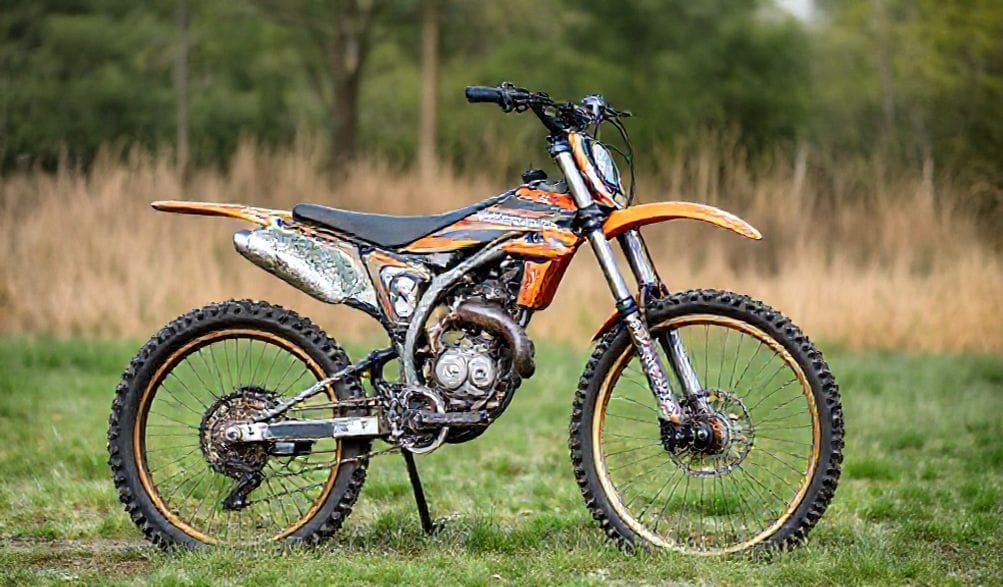
The Ultimate Guide to Dirt Bike Bicycles for Adults: Adventure Awaits
Remember the unbridled freedom of riding a bike as a kid? The wind in your face, the world blurring past, and the sheer joy of exploring beyond your driveway. What if you could recapture that primal thrill, but amplified with modern technology, greater capability, and the strength of an adult? That exhilarating feeling isn’t locked in the past—it’s waiting for you on a trail, just a pedal stroke away on an adult dirt bike bicycle.
As someone who has spent years exploring everything from smooth forest paths to rugged mountain descents, and reviewing countless pieces of off-road gear, I understand the mix of excitement and confusion that comes with re-entering this world. The term “dirt bike bicycle” gets thrown around, often leading to more questions than answers. Is it a motorcycle? A kid’s toy? Something in between?
This guide is here to demystify it all. We’ll clearly define what an adult dirt bike bicycle is, explore the different types tailored for various adventures, and break down the key features you need to understand. Whether you’re researching, comparing models, or seriously considering a purchase, this comprehensive resource will equip you to choose the perfect bike for your skill level, local terrain, and spirit of adventure. Let’s get you ready for a safe and exhilarating return to the dirt.
What is a Dirt Bike Bicycle? Clarifying the Terminology
First things first: let’s clear up the terminology. When most people hear “dirt bike,” they picture a motorized, gas-powered motorcycle built for off-road racing and jumps. The “dirt bike bicycle” is a different, human-powered beast, and understanding this distinction is crucial.
Dirt Bike Bicycle vs. Motorized Dirt Bike
The fundamental difference is the power source. A motorized dirt bike (an off-road motorcycle) uses an internal combustion engine. It requires fuel, regular mechanical maintenance, licensing, registration, and often specific safety gear like motocross boots and body armor. The skillset involves managing a clutch, throttle, and significant weight and power.
A dirt bike bicycle is, at its core, a specialized bicycle. It’s powered by you—your legs, your lungs, and your will. It requires no license, can be ridden on most public trails (where bicycles are permitted), and offers a more accessible, fitness-oriented, and often more community-driven entry into off-road riding. The thrill comes from conquering terrain under your own power, not from raw engine speed.
Core Characteristics of an Adult Off-Road Bike
So, what makes a bicycle qualify as a “dirt bike” for adults? It’s not just any two-wheeler with knobby tires. These machines are engineered for the demands of unpaved terrain:
- Adult-Specific Geometry & Sizing: These bikes come in frame sizes measured in inches or centimeters (e.g., S, M, L, XL) designed to fit adult proportions, ensuring a comfortable, efficient, and controlled riding position.
- Rugged Construction: They are built tougher than road or hybrid bikes, with reinforced frames, stronger wheels, and components that can withstand bumps, jumps, and vibrations.
- 块状花纹轮胎: The tires feature an aggressive, raised tread pattern designed to dig into loose dirt, mud, gravel, and rock, providing the essential traction needed off-road.
- Advanced Suspension Systems: Most feature either a front suspension fork (hardtail) or both front and rear suspension (full-suspension) to absorb impacts, keep the wheels in contact with the ground, and save your body from fatigue.
In short, an adult dirt bike bicycle is a purpose-built off-road bicycle designed to handle trails, mountains, gravel paths, and everything in between.
Types of Adult Dirt Bike Bicycles: Finding Your Perfect Match
The term “dirt bike bicycle” is a broad colloquialism that typically refers to several specific categories of off-road bicycles. Your ideal ride depends entirely on where and how you want to explore.
Mountain Bikes (MTB): The All-Round Off-Roaders
This is likely what you’re picturing. Mountain bikes are the quintessential dirt bike bicycles, designed specifically for technical, unpaved trails. They come in two primary flavors:
- Hardtail: Features a suspension fork in the front but a rigid frame in the rear. They are generally lighter, more efficient for pedaling, simpler to maintain, and more affordable. Perfect for smoother trails, cross-country riding, and riders who prioritize climbing efficiency.
- Full-Suspension (Dual Suspension): Has both front and rear shock absorbers. This design offers superior control, traction, and comfort on rough, rocky, and steep downhill terrain. It’s the choice for aggressive trail riding and downhill parks, though often at a higher cost and weight.
Within these categories, you’ll find further specializations like nimble Cross-Country (XC) bikes, versatile Trail bikes, and burly Downhill machines.
Gravel Bikes: Adventure on Mixed Surfaces
Think of the gravel bike as the adventure-touring cousin of the mountain bike. It blends the drop handlebars and efficient geometry of a road bike with the clearance and stability for wider, knobby tires. Key characteristics include:
- A more relaxed, upright geometry than a road bike for all-day comfort.
- Ample tire clearance for 40mm+ wide tires that handle dirt roads, gravel paths, and rough pavement with ease.
- Mounting points for racks, bags, and bottles, making them ideal for bikepacking and long-distance exploration on mixed surfaces.
If your adventure dreams involve covering vast distances on a mix of pavement, hard-packed dirt, and gravel roads, this is your category.
Dirt Jump and BMX Bikes: For the Park and Pump Track
Built for air, agility, and tricks, these bikes are specialized tools for sculpted terrain.
- Dirt Jump Bikes: Typically have 26″ wheels, a simple single-speed drivetrain, a robust frame, and strong brakes. They are designed for launching off dirt jumps, riding in pump tracks, and performing tricks.
- BMX Bikes: The classic 20″ wheeled bikes built for skateparks, vert ramps, and street riding. They are incredibly strong, agile, and responsive.
These are less about “trail exploration” and more about skill development, play, and progression in a controlled environment.
Key Features to Consider When Choosing Your Bike
Once you’ve narrowed down the type, understanding these core components will help you compare specific models and find the best value.
Frame Material: Aluminum, Carbon Fiber, or Steel?
- 铝合金: The most common material. It offers an excellent blend of light weight, stiffness, durability, and affordability. It provides a responsive, sometimes slightly harsh, ride feel.
- 碳纤维: High-end material known for being extremely light and stiff. Engineers can also “tune” it to absorb vibrations, offering a smoother ride. The primary drawback is cost, and it can be more vulnerable to sharp impacts.
- 钢: Known for its smooth, compliant ride quality that dampens trail chatter. Modern steel alloys are surprisingly light and incredibly durable. It’s often found on boutique, adventure-oriented frames and is beloved for its classic feel and repairability.
Suspension: Hardtail vs. Full-Suspension (Dual Suspension)
This is a major decision point for mountain bikers.
- Hardtail (Front Suspension Only): More efficient for pedaling, as less energy is lost to rear suspension bobbing. They are simpler, lighter, and cheaper. They excel on less technical terrain and teach you vital bike-handling skills.
- Full-Suspension: 在崎岖、陡峭及技术性路线上提供更强的操控性、抓地力和信心。后悬挂系统能有效吸收冲击,减轻疲劳,让你能更长时间地挑战高难度地形。需考虑 悬挂行程 (以毫米计):较长行程(如150-200毫米)适合激进下坡骑行;较短行程(100-130毫米)则适合高效越野骑行。.
轮径选择:27.5英寸、29英寸还是混合轮径?
- 29英寸轮组: 更容易碾过障碍物,保持动量更佳,高速时稳定性更高。在急弯处可能略显灵活性不足。.
- 27.5英寸轮组: 提供更灵动敏捷的骑感。加速更快,在技术性弯道中操控性更优,是理想的折中选择。.
- 混合轮径(Mullet): 前轮29英寸增强通过性,后轮27.5英寸提升灵活度,常见于速降车和激进越野车型。.
传动与制动:掌控是关键
- 传动系统: 现代越野自行车普遍采用 1x(读作“one-by”) 传动系统。单盘牙配搭宽齿比飞轮(如11-50齿)可简化换挡、减轻重量并避免掉链风险,提供爬坡与下坡所需的完整齿比范围。.
- 刹车: 液压碟刹 碟刹是专业越野骑行的公认标准必备配置。它们能以最小手部力量提供强劲、稳定且线性的制动力,并随刹车片磨损自动调节。. 机械碟刹 V刹是经济型选择,但需更多手动调节且制动力稳定性较低。.
入门指南:安全、装备与首次骑行
合适的自行车只是成功的一半。充分准备才能确保骑行乐趣而非惊险体验。.
成人骑手必备安全装备(不可妥协)
作为经验丰富的骑行者,我必须强调: 切勿在安全装备上妥协。. 这是你的首要防护屏障。.
- 摩托车只是安全方程式的一部分。每次骑行都必须配备合适的装备,这一点不容妥协。 选择专业的 山地车专用头盔. 。其脑后覆盖范围大于公路头盔。建议选择配备MIPS系统的型号以增强抗旋转冲击保护。.
- 手套: 骑行手套:摔倒时保护手掌,增强握把力,吸收车把震动。.
- 如果您的头盔没有面罩,则必须佩戴经过认证的风镜或眼镜。 太阳镜或透明镜片:防止灰尘、飞虫和树枝进入眼睛。.
- 合适鞋履: 硬底平踏鞋(如山地车专用鞋或滑板鞋)可在平踏板上提供稳定支撑。锁踏系统则为经验骑者带来更高踩踏效率。.
- 带衬垫骑行裤(内穿或外穿): 优质衬垫能大幅提升长距离骑行的舒适度。.
寻找路线与骑行礼仪
- 路线查询: 使用 Trailforks 或 或MTB Project. 等应用。拜访 本地车店——他们是当地信息的枢纽。寻找本地骑行俱乐部或Facebook群组。.
- 小径礼仪: 遵守礼仪是保持路线开放与人际和谐的关键。.
- 恰当礼让: 上坡骑行者通常拥有优先路权。礼让徒步者与骑马者。.
- 控制车速: 始终保持在可视距离内能安全刹停的速度骑行。.
- 不留痕迹: 不乱扔垃圾、不甩尾滑行(会造成水土流失)、保持在指定路线内骑行。.
- 保持友善: 一个微笑和问候能创造良好氛围。.
延长寿命的基础维护技巧
日常保养可避免大修,请将其纳入例行程序:
- 清洁自行车: 泥泞骑行后用低压水冲洗泥沙(避免直冲轴承)。清洁的自行车性能更佳且寿命更长。.
- 检查胎压: 每次骑行前用落地打气筒检查胎压。轮胎侧壁标注的合理压力范围对抓地力和防爆胎至关重要。.
- 链条润滑: 定期使用自行车专用链条油,并擦去多余油渍以防吸附灰尘。.
- 骑行前安全检查(ABC快速检查法):
- A气压:轮胎充气是否适当?
- B制动:捏刹车手柄——制动是否牢固?
- C链条与变速:链条是否润滑?变速是否顺畅?
- 快拆装置: 轮组和座杆是否固定牢固?
常见问题:山地车疑问解答
问1:购置优质成人山地车的合理预算是多少?
答: 知名品牌的入门级硬尾山地车起价约 $500-$800. 人民币3,000元。这笔投入能让你获得耐用可靠的首辆越野自行车。中端车型(3,000-8,000元)在零部件、悬挂系统和整体性能上有显著提升。高端自行车(8,000元以上)采用碳纤维等顶级材料及专业级组件。中端价位通常最具性价比。.
Q2:我可以将普通山地自行车当作越野自行车使用吗?
答: 当然可以。“山地自行车”是准确的技术术语。“越野自行车”通常是新手使用的口语化搜索词,指代自行车行业所称的山地自行车或越野自行车。.
Q3:如何确定适合我的车架尺寸?
答: 始终以制造商提供的尺寸表为起点,该表将您的身高对应到车架尺寸(S、M、L等)。. 然而,这只是一个起点。. 最重要的一步是 前往本地自行车专卖店. 。专业的调试能确保自行车根据您独特的身体比例进行调整,避免不适和伤害。.
Q4:成年后才开始越野骑行是否太晚?
答: 一点也不晚!这是这项运动最令人欣慰的方面之一。山地自行车社区中充满了在30多岁、40多岁、50多岁甚至更晚才接触它的人。从简单流畅的初级道开始,专注于乐趣而非速度,倾听身体的信号,按照自己的节奏进步。重要的是探险本身,而非领奖台。.
Q5:我该在哪里购买第一辆自行车?
答: 对于您的第一辆正经越野自行车,我强烈建议您支持您的 本地车店. 本地自行车专卖店。好处是巨大的:专家建议、专业组装、合适调试、持续的维修服务支持以及与当地骑行社区的联系。虽然直接面向消费者的在线品牌可能提供性价比高的配置,但它们假定购买者具备一定的组装和机械知识,而这可能是初学者所不具备的。.
结论
选择您理想的越野自行车——无论是灵活的硬尾山地车、性能全面的全避震车,还是为探险准备的砾石公路车——归根结底是将一辆车与您的个人梦想相匹配。这是将您的体能水平、冒险欲望以及当地地形特点与合适的双轮工具连接起来。.
前方的道路很清晰。带上本指南中的知识,拜访您当地的自行车专卖店,并与那里的专家交流。如果可能,试骑几种不同的车型。感受它们的操控。越野骑行社区以其热情友好而闻名,您的下一次伟大冒险——那个能重燃童年自由与探索感的冒险——正等待着您,近在咫尺。.
您最期待骑着新自行车探索哪种地形?在下方评论中告诉我们!
METADATA_START—
显示标题:成人越野自行车终极指南:开启您的越野冒险之旅
搜索引擎优化标题:成人越野自行车:2024年购买指南及如何选择
元描述:对“成人越野自行车”感到困惑?我们的终极指南解释了类型(山地车、砾石车、小轮车)、关键特性以及如何为您的冒险选择完美的越野自行车。立即开始骑行吧!
图片提示:一张动态、专业的照片,内容为一位成年骑手骑着现代山地自行车,位于森林土路小径中途。骑手佩戴头盔和安全装备,处于动态抓拍中,粗齿轮胎扬起尘土。场景传达出冒险、性能与易上手的特点。.
—METADATA_END—