
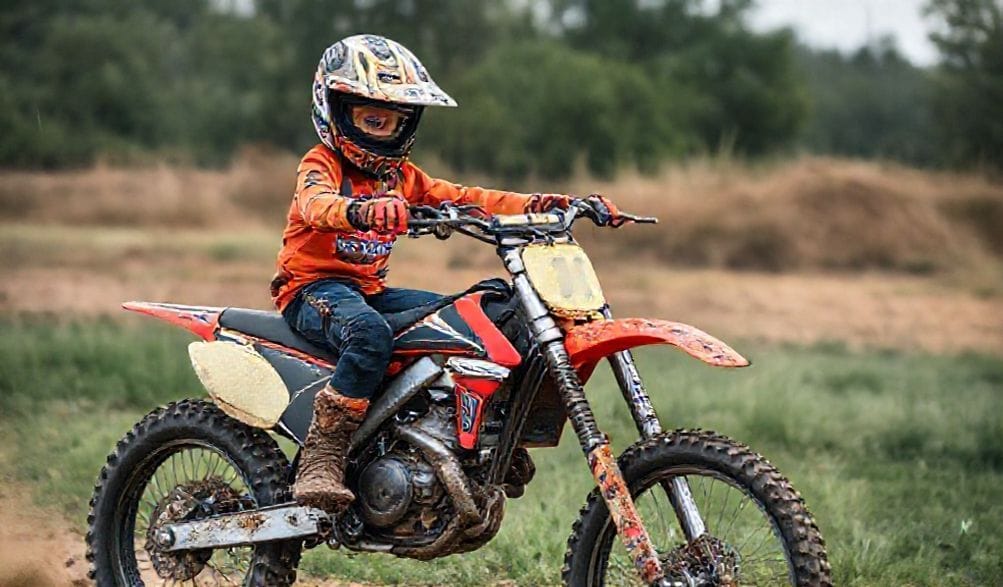
The Ultimate Parent’s Guide to Youth Dirt Bikes: Safety, Selection, and Getting Started
You see it in their eyes first—that unmistakable spark of awe and excitement when a dirt bike rips by or sits gleaming on a showroom floor. For a child, it represents pure freedom, adventure, and a thrilling challenge. For you, the parent, that excitement is almost instantly tempered by a cascade of questions and concerns. Is it safe? How do I even choose one? What if they get hurt? Can we afford this? If you’re feeling this mix of enthusiasm and anxiety, you’re exactly where you should be. This journey is a significant one, and starting with research is the mark of a responsible parent.
From my years of coaching young riders and navigating this path as a parent myself, I can tell you this: the world of youth dirt biking, when approached correctly, is one of the most rewarding activities a family can share. It builds confidence, coordination, and a deep appreciation for the outdoors and mechanical responsibility. But the key phrase is “when approached correctly.” This guide is designed to cut through the confusion, prioritize safety above all else, and provide you with the practical, trustworthy advice you need. We’ll move beyond just picking a cool-looking bike and build a foundation for a positive, thrilling, and safe experience for your young rider. Let’s dive into the essential world of dirt bikes youth.
Understanding Youth Dirt Bikes: More Than Just Small Motorcycles
It’s easy to think of a youth model as simply a shrunken-down version of an adult motorcycle. That misconception can lead to poor choices. In reality, youth dirt bikes are meticulously engineered tools for learning and development.
How Youth Dirt Bikes Are Engineered Differently
Manufacturers don’t just scale down the blueprints. They re-engineer the entire machine with a young, developing rider in mind. This means:
* Lower Seat Heights: To help a child reach the ground and build confidence.
* Significantly Reduced Weight: A lighter bike is easier to pick up, maneuver, and control, which is crucial when learning.
* Governed Engines: Many beginner bikes have restrictors or are tuned for very manageable, linear power delivery, preventing overwhelming bursts of speed.
* Softer Suspension: Set up to absorb bumps for a lighter rider and provide more forgiveness.
* Simplified Controls: Some entry-level models even feature automatic clutches to let the rider focus on balance and throttle control.
These aren’t toys, but they are purpose-built learning platforms designed to grow skill progressively.
Key Types of Youth Dirt Bikes: Motocross vs. Trail
The first major decision point is understanding the two primary categories, as they are built for different purposes.
-
Motocross Bikes (MX): Think of these as the sportscars of the dirt bike world. Models like a Yamaha YZ85 or KTM 65 SX are built for closed-course, competitive racing on manicured tracks. They are typically lighter, have more aggressive, peaky powerbands, and feature stiffer suspension to handle big jumps. For a true beginner, these are often too much bike and can be intimidating and difficult to learn on.
-
Trail/Off-Road Bikes: These are the family SUVs—versatile, user-friendly, and built for exploration. Bikes like the Honda CRF110F or Kawasaki KLX140 are designed for recreational trail riding. They prioritize ease of use with features like electric start, kickstands, softer and more plush suspension for rough terrain, and wide-ratio transmissions that are forgiving in various situations. Their power delivery is smooth and predictable.
For the vast majority of first-time young riders, a trail bike is the unequivocally correct starting point. It allows them to learn fundamental skills in a less stressful, more controllable environment.
The #1 Priority: Safety Gear That’s Non-Negotiable
Let’s be unequivocal: the most critical investment you make is not in the motorcycle itself, but in the gear that protects the rider. This is not an area for hand-me-downs, compromises, or “good enough.” Proper safety gear is the barrier between a minor tip-over and a life-altering injury. It is absolutely non-negotiable, every single time the bike is started.
The Essential Safety Gear Checklist
Consider this your mandatory shopping list before the bike even arrives home:
- 40 – 150美元 This is the most important piece. It must be new (never buy a used helmet), fit perfectly (snug without pressure points), and be certified. A full-face, motocross-style helmet is the only option.
- 护目镜: Clear vision is safety. Goggles protect eyes from dirt, rocks, and branches. Look for anti-fog coating and a comfortable fit with the helmet. Have multiple lenses for different light conditions.
- 靴子(越野摩托专用): Street boots or hiking boots are dangerously insufficient. Motocross boots provide critical ankle support, pivot protection, shin guards, and a sole designed to grip bike pegs. They are rigid for a reason—to prevent hyperextension and crushing injuries.
- 手套: Protect hands from blisters, vibration, and abrasion in a fall.
- 保护躯干、肋骨和背部免受飞石、摔伤及车把撞击。 Motocross-specific gear is made from durable, tear-resistant material and is designed to breathe and provide some padding.
- 胸甲/防溅板: Shields the torso, ribs, and back from impacts with the ground or rocks kicked up (“roost”) by other bikes.
- Knee/Elbow Guards: These are essential for protecting joints during falls. For serious trail or motocross riding, consider upgrading to knee braces, which offer superior ligament protection.
Why Each Piece of Gear Matters: Real-World Protection
This gear isn’t just for looks; each item addresses a specific risk:
* **性能爱好者**, 头盔 protects against traumatic brain injury.
* Goggles prevent temporary blindness or eye injury from debris.
* Boots are designed to prevent the most common dirt bike injuries: broken ankles and crushed feet.
* **性能爱好者**, 胸背护甲 absorbs impact to the sternum and ribs and protects the spine.
* Knee guards prevent painful impacts and lacerations that can sideline a rider.
Dressing your child in full gear before their first ride instills the right mindset: safety is part of the sport.
How to Choose the Right Dirt Bike for Your Child’s Age & Size
A bike that’s too big or too powerful is dangerous and will shatter a beginner’s confidence. One that’s too small will be outgrown quickly and hinder skill development. Finding the “Goldilocks” bike is crucial.
The Golden Rule: Fit Over Age or Experience
Manufacturer age recommendations are a starting point, but children’s sizes vary wildly. The best test is the “sit test.”
* Have your child sit on the bike in riding position.
* They should be able to place the balls of both feet flat on the ground. If they are on their tiptoes or can only get one foot down, the bike is too tall.
* 他们应能轻松触及车把和操控装置,无需费力伸展。.
* 重量至关重要: 他们能否在车旁站立时略微移动车辆?如果车辆过重导致无法扶正或推行,则不利于安全学习。.
青少年越野摩托车尺寸指南(CC与轮径对照)
本图表仅供参考,最终需以实际适配测试为准。发动机排量(CC)的重要性低于车辆物理尺寸。.
| 典型年龄范围 | 发动机排量(四冲程) | 轮径尺寸(前轮/后轮) | 代表车型 |
| :— | :— | :— | :— |
| 4-6岁 | 50cc | 10″ / 8″ | 本田CRF50F、雅马哈PW50、KTM 50 SX Mini |
| 7-9岁 | 70cc – 110cc | 14″ / 12″ | 川崎KLX110、铃木DR-Z70、雅马哈TT-R110E |
| 10-12岁 | 110cc – 140cc | 17″ / 14″ 或 19″/16″ | 本田CRF125F/大轮版、雅马哈TT-R125LE、川崎KLX140 |
| 青少年/身材娇小成人 | 150cc – 250cc | 全尺寸(21″/19″) | 本田CRF250F、雅马哈TT-R230、川崎KLX230R(全尺寸车架搭配易操控发动机) |
新车与二手车:给家长的实际建议
- 新车: 新车提供保修期、可溯历史记录及最新安全/工程技术,让您安心无忧。虽然成本较高,但对忙碌的家长而言是即用型解决方案。.
- 二手车: 二手车是经济高效的入门选择,尤其适合快速成长中的儿童。. 审慎查验至关重要。. 若您不熟悉机械构造,务必邀请懂行的朋友协助。重点检查:
- 车架损伤: 车架:检查裂纹、弯曲或修补焊缝。.
- 发动机状况: 发动机:观察排气是否冒浓烟,倾听异常噪音,询问近期保养情况。.
- 悬挂系统: 悬挂系统:检查前叉油封是否漏油,测试前叉与减震器运作是否顺滑。
- 轴承与车轮: 抬起车轮检查轮轴、转向柱及摇臂轴承是否存在框量。.
- 产权状态: 若所在州有要求,务必确认车辆产权清晰。.
首次骑行准备:安全教育与环境选择
车辆入库,装备齐全。接下来该怎么做?贸然前往最近的沙地是错误选择。充分准备才能奠定成功基础。.
启动发动机前必须掌握的基础技能
将自家车道或庭院作为训练场:
1. 身体姿势: 教授“进攻姿态”——站立于脚踏板,双膝弯曲,手肘抬起,目视前方。.
2. 操控装置熟悉: 在发动机熄火状态下,指导他们练习捏放离合手柄、转动油门以及操作前后刹车。可将练习游戏化。.
3. “紧急弃车演练”: 教导他们在感觉失控时如何安全放倒车辆并迅速撤离,而非紧抓车把导致人车俱损。.
选择最佳首次骑行场地
理想的首次骑行场地应具备:
* 开阔平坦的场地: 草地或硬质土路。避开坡道、沟渠、树木或水域。.
* 合法合规: 始终在指定的非公路机动车区域、获得明确许可的私人土地或规范赛道骑行。在未授权公共场地骑行属违法行为,且会损害这项运动的声誉。.
* 人员稀疏: 最初几次练习应避开其他骑手,避免干扰和压力。.
专业培训的价值
这是保障孩子安全与提升骑行乐趣的最佳投资。来自 参加摩托车安全基金会 或本地信誉骑行学校的认证教练能提供系统化专业培训,这是情感投入的家长往往难以做到的。他们会在受控环境中教授经过验证的刹车、转弯及越障技巧。可将其包装为“越野摩托车学校”——让孩子向专业人士学习炫酷技巧,而非普通课程。.
维护与责任:保障车辆(与骑手)安全
保养良好的车辆才是安全车辆。让孩子参与基础维护能培养责任感,并深化他们对这项运动的认同。.
青少年骑手骑行前基础检查要点
教授他们适用于越野摩托车的“T-CLOCS”检查法:
* T轮胎与车轮:胎压、胎纹、无裂纹或辐条松动。.
* C操控装置:手柄、油门及线缆运作顺畅无损坏。.
* L灯光/电气系统(如配备):紧急熄火开关功能正常。.
* O油液检查:检查发动机机油量。液冷车型需检查冷却液。.
* C车架结构:检查螺栓松动或车架裂纹。.
* S支架:侧支架弹簧张力正常。.
青少年越野骑行的持续成本
除购车款外还需准备以下支出:
* 装备更新: 儿童处于成长期。头盔使用寿命为5年。骑行靴与服装需随成长更换。.
* 消耗品: 常规消耗品:发动机机油、滤清器、空气滤芯、火花塞、燃油。.
* 磨损部件: 磨损件更换:轮胎、链条、链轮、刹车片。.
* 需要皮卡、拖车或挂车式摩托车架。 配备安全与性能装备.
* 相关费用:场地使用费、培训费、赛事报名费等。 越野车公园通行证、俱乐部会籍、赛事报名费。.
培养责任感:让孩子参与车辆维护
从简单的开始。每次骑行后,将一起清洁摩托车变成一种惯例。教他们如何使用胎压计检查胎压、润滑链条以及清洁空气滤清器。这能消除他们对机械的神秘感,传授宝贵的技能,并培养他们对拥有物的自豪感。.
关于儿童越野摩托车的常见问题(FAQ)
Q1: 适合10岁孩子的最佳入门越野摩托车是什么?
答: 对于一般体型的10岁孩子,一台110cc到125cc的四冲程林道车通常是完美的起点。像 本田 CRF125F (特别是“大轮”版本)或 Yamaha TT-R125LE 这类车型以其坚固可靠的品质、平顺的动力和易于掌控的尺寸而闻名。务必先进行“乘坐测试”。.
Q2: 对初学者来说,二冲程还是四冲程发动机更好?
答: 对于初学者而言,, 四冲程发动机几乎总是更好的选择。. 它们以线性、可预测的方式输出动力,使得油门控制更易掌握。它们通常也更容易驾驭,拥有更强的低扭以攀爬障碍,并且维护频率较低(尽管有时维护项目更复杂)。二冲程发动机则有一个“功率带”——一种突然、强劲的动力爆发,这对新手骑手来说可能具有挑战性且令人生畏。.
Q3: 如何确保我的孩子与朋友安全骑行?
答: 设定不容商量的基本规则:1) 禁止单独骑行。. 使用伙伴制度。2) 所有骑手必须穿戴全套安全装备。. 3) 3) 设定明确的地理边界 并严格遵守。4) 必须有成人监督。. 同伴压力可能导致危险行为;成人在场有助于维持安全、有趣的骑行环境。.
Q4: 越野摩托车对孩子来说太危险了吗?
答: 越野摩托车与足球、滑雪或自行车运动一样,是一项具有固有风险的活动。然而,这些风险可以通过系统性的方法得到显著控制。安全骑行的公式是: 专业指导 + 认证安全装备 + 尺寸合适的摩托车 + 成人监督。. 遵循这个框架时,越野摩托车就成了一项可控的、培养技能的运动。其带来的回报——自信、协调能力、对户外活动的热爱以及家庭纽带——往往远远大于可控的风险,这与其他主流的青少年运动相似。.
结论
与您的孩子一同开启儿童越野摩托车的旅程,是一段不可思议冒险的开始。这条路上充满了泥泞的笑容、新鲜空气与汽油的味道,以及掌握新技能后自豪的光芒。通过专注于此处概述的核心原则——投资于必不可少的安全装备,根据适配性而非宣传热度选择摩托车,并致力于专业培训和监督下的练习——您所做的不仅仅是购买一个机动玩具。.
您正在培养一个建立在尊重基础上的终身爱好:对机械的尊重、对环境的尊重,以及最重要的,对维系骑行乐趣的安全规程的尊重。这项运动能教导协调能力、机械原理理解、坚持不懈的精神以及户外玩耍的纯粹快乐。.
您的下一步?带着孩子拜访一家信誉良好的本地经销商。让他们试坐不同的摩托车。向工作人员提问。感受社群氛围。然后,研究一下MSF越野摩托车学校或本地骑行公园的初学者课程。深呼吸,准备好迎接一段终生难忘的骑行。前方的小径正等待着你们。.
METADATA_START—
显示标题:儿童越野摩托车终极家长指南
搜索引擎优化标题:儿童越野摩托车:家长安全、尺寸选择与入门指南
元描述:对儿童越野摩托车感到困惑?我们的家长指南涵盖了安全装备、选择正确尺寸(50cc至250cc)、林道车与越野摩托车的区别,以及如何安全开启孩子的骑行之旅。.
图片提示:一个快乐且装备齐全的儿童,骑着一辆尺寸合适的越野摩托车,在阳光明媚的开阔草地上。一位面带微笑的家长单膝跪在旁边,竖起大拇指。摩托车是本田CRF110F。两人都戴着全盔、护目镜、骑行服和越野摩托车靴。.
—METADATA_END—