
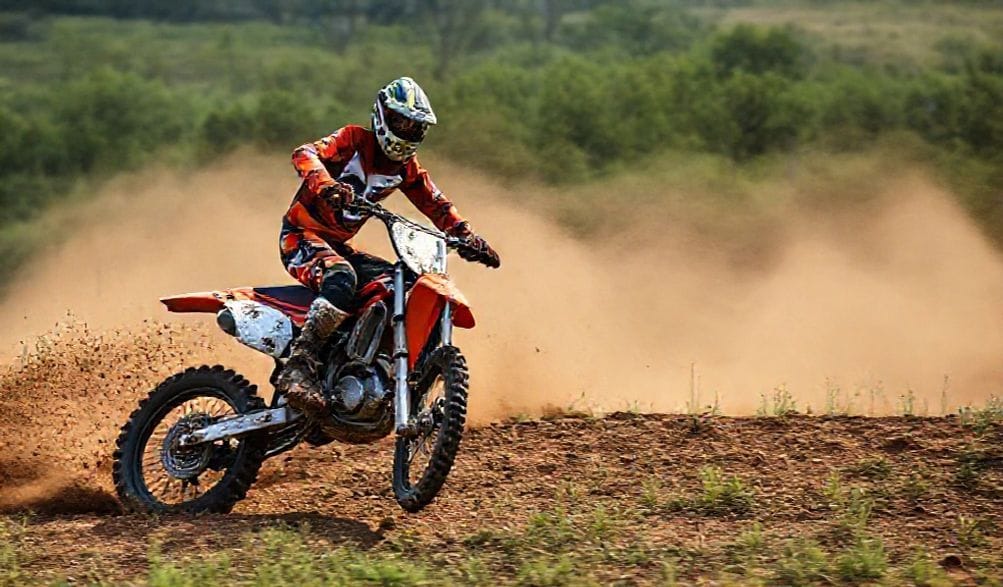
The Ultimate Guide to Dirt Moto: Mastering Off-Road Motorcycling
The roar of a high-revving engine, the smell of pre-mix in the morning air, the feeling of your tires finding grip in loose soil—this is the call of dirt moto. More than just a hobby, it’s a passport to adventure, a demanding physical challenge, and a tight-knit community built on shared passion and mud-splattered grins. Whether you’re a complete novice dreaming of your first trail or a seasoned rider aiming to shave seconds off your lap time, the world of off-road motorcycling is vast and thrilling.
This comprehensive guide is your authoritative resource for everything dirt moto, also known as off-road or 越野摩托车赛事 motorcycling. Built on decades of combined riding experience, mechanical wrenching, and a deep respect for the sport, we’ll cut through the noise. We provide clear, actionable advice to help you choose the right bike, gear up safely, master fundamental techniques, maintain your machine, and ride responsibly. Our goal isn’t just to inform; it’s to equip you with the knowledge for genuine skill progression and a lifelong appreciation for this incredible adventure sport.
What is Dirt Moto? Defining the Sport
At its core, dirt moto is the discipline of riding a motorcycle on unpaved terrain. This encompasses everything from leisurely trail exploration in the woods to the high-flying, adrenaline-pumped world of motocross stadium racing. It’s a sport defined by its connection to the raw elements—dirt, sand, rocks, and mud—and the rider’s skill in navigating them.
Dirt Moto vs. Street Motorcycling: Core Differences
While they share two wheels and an engine, street riding and dirt moto are fundamentally different pursuits.
- Bike Design & Purpose: A street bike is built for stability, comfort, and speed on smooth, predictable asphalt. A 越野摩托车 is a lightweight, agile tool designed to absorb massive impacts, provide immense suspension travel, and offer precise control on shifting surfaces. It has knobby tires for grip, minimal bodywork to reduce damage, and a high-mounted exhaust to ford through water and debris.
- Legal Requirements: Street bikes require licensing, registration, and insurance for public roads. Pure competition dirt moto machines often lack lights, signals, or even a key, making them illegal for street use. Their domain is private land, designated tracks, and sanctioned off-road areas.
- Focus on Terrain: Street riding focuses on traffic, road conditions, and line selection on a fixed surface. Dirt moto is a constant, dynamic conversation with the terrain itself. The rider must actively read the trail, choose lines, and use body position to manipulate the bike over obstacles.
A Brief History of Off-Road Motorcycling
The roots of dirt moto are utilitarian. In the early 20th century, motorcycles were used for transportation and reconnaissance over rough ground. After WWII, lightweight European machines like BSA and Triumph were used for casual off-road scrambling in the UK, which evolved into organized competition.
The sport exploded in the 1960s and 70s. Japanese manufacturers like Honda, Yamaha, Suzuki, and Kawasaki revolutionized the scene with lightweight, high-performance two-strokes. Motocross (MX), a closed-circuit race over natural and man-made jumps, became a global phenomenon. Simultaneously, Enduro—long-distance, time-keeping races on rugged trails—gained popularity, testing durability and navigation. Today, dirt moto includes diverse disciplines like hare scrambles, GNCC, hard enduro, and freestyle motocross (FMX), each with its own unique culture and heroes.
Choosing Your First Dirt Bike: An Expert Buyer’s Guide
Your first bike sets the tone for your entire dirt moto journey. The wrong choice can lead to frustration, fear, or excessive cost. The right one builds confidence and skill.
Critical Factors: Engine Size (cc), Bike Type, and Rider Skill
The mantra for beginners is simple: It’s easier to grow into a bike than to be intimidated by one.
- Engine Size (cc): Displacement isn’t just about top speed; it’s about power delivery. For an adult beginner, a 230cc to 250cc four-stroke trail bike is the gold standard. These engines produce linear, manageable power that’s forgiving of mistakes. A screaming 250cc two-stroke motocross bike, however, has a violent “power band” and is a terrible choice for a novice. For younger or smaller riders, 110cc, 125cc, or 150cc models are perfect starting points.
- Bike Type – Motocross vs. Trail/Enduro:
- Motocross (MX) Bikes: Designed for short, intense bursts on a groomed track. They have stiff suspension, peaky powerbands, and minimal creature comforts. They require aggressive riding and frequent maintenance.
- 林道/耐力越野车型: Built for longevity and versatility on varied terrain. They have softer, more plush suspension, a smoother power delivery, wider-ratio transmissions, and often include electric starters, kickstands, and lights. For 90% of beginners, a trail bike is the correct and most enjoyable choice.
New vs. Used: A Mechanic’s Perspective on Value and Pitfalls
A used bike is a fantastic, budget-friendly entry point, but caution is key.
Inspecting a Used Dirt Bike:
1. 车架与副车架: Check for cracks, especially around weld points and engine mounts. Look for repairs or bends.
2. 悬挂系统: Do the forks and shock leak oil? Do they compress and rebound smoothly without odd noises?
3. 发动机状况: Ask about recent rebuilds. Start the bike cold—a hard cold start can indicate low compression. Listen for knocking or rattling. Check for white smoke (burning oil) or coolant leaks.
4. Wheel & Steering Bearings: Lift the front end and feel for notchiness in the steering. Spin the wheels to check for true spokes and bent rims.
5. General Wear: Look at the condition of the chain, sprockets (hooked teeth are bad), brake pads, and footpegs.
The Real Cost of Ownership: The purchase price is just the start. Budget for gear, tools, maintenance items (oil, filters, tires), potential repairs, and transportation (a truck or trailer). A cheap, clapped-out bike can quickly become a money pit.
Essential Dirt Moto Gear: Safety First from Head to Toe
在 dirt moto, your gear is not an accessory; it’s your primary safety system. Never compromise here.
Non-Negotiable Protective Equipment
- 摩托车只是安全方程式的一部分。每次骑行都必须配备合适的装备,这一点不容妥协。 This is non-negotiable. It must fit snugly without pressure points. Look for current safety certifications: 头盔: is a minimum, 斯内尔 is rigorous for competition, and 或ECE is a strong European standard. A motocross-specific helmet has a chin bar, peak (bill), and is designed for ventilation and goggle compatibility.
- 护目镜: They protect your eyes from roost, branches, and mud. A good dual-pane lens prevents fogging. Always carry a spare tear-off or roll-off system.
- 靴子: MX boots are arguably the second-most important piece of gear. They protect your feet, ankles, and lower legs from impacts, twists, and burns from the exhaust. They provide critical support and feel for the bike. Don’t wear work boots.
- 胸甲/防冲击护板: Protects your torso, shoulders, and back from flying rocks (roost) and impacts in a fall.
- Knee Braces vs. Knee Pads: For serious riders, knee braces are a significant investment that can prevent catastrophic ligament tears (ACL, MCL) by limiting harmful lateral movement. Knee pads offer impact protection from rocks and falls but do not provide the same structural support. For beginners, quality knee pads are a great start.
Gear for Comfort and Performance
- 保护躯干、肋骨和背部免受飞石、摔伤及车把撞击。 MX-specific gear is made from lightweight, breathable, and tear-resistant materials. It’s designed to work in conjunction with your knee braces/pads and boots.
- 手套: Improve grip, protect your hands from blisters and abrasion, and often have padding on the back.
- 水袋背包: Staying hydrated is critical for focus and endurance. A pack with a water bladder allows you to drink on the go and can carry tools, a phone, and a first-aid kit.
- 颈托(Leatt-Brace类型): An advanced safety device designed to help prevent certain catastrophic cervical spine injuries by limiting extreme neck movement.
Proper gear drastically reduces the severity of injuries and prevents fatigue, allowing you to ride longer and safer.
Foundational Riding Techniques for Beginners
Speed comes last. First, you must build a foundation of proper technique. These basics are universal across all dirt moto disciplines.
The Basic Body Positions: Attack, Neutral, and Seated
Your body is your primary suspension and control input.
* Attack/Ready Position: The default for most challenging terrain. Stand on the footpegs (balls of your feet), knees slightly bent, elbows up and out, head over the handlebar crossbar. This centralizes your weight, lowers your center of gravity, and allows the bike to move freely beneath you.
* Neutral Position: A relaxed, standing position for cruising straight sections. Similar to attack, but more upright.
* Seated Position: Used for acceleration on smooth ground, tight corners where you need to grip the bike with your knees, and for resting. When seated, always grip the bike with your knees.
重量分布:
* Climbing: Lean forward, weight over the front wheel to prevent wheelies.
* Descending: Shift your weight back, behind the seat, to keep the front end light and prevent going over the bars.
* 过弯技巧: Weight the outside footpeg, point your inside knee toward the turn, and look through the exit.
Mastering Clutch, Throttle, and Brake Control
- The “Friction Zone”: This is the golden skill of dirt moto. It’s the point where the clutch plates begin to engage and transfer power to the wheel. Mastering smooth modulation of the clutch lever with your throttle allows for precise, low-speed control over obstacles, prevents stalls on hills, and manages power delivery in slippery conditions. Practice finding and using it constantly.
- Braking Off-Road: On loose surfaces, the front brake is not your enemy, but it must be used with finesse. Apply it progressively while in a straight line before a corner. Locking the front wheel on dirt usually means a crash. The rear brake is used for slowing, controlling speed, and sliding the rear end into turns. Practice braking while standing in the attack position.
Dirt Bike Maintenance 101: Keeping Your Bike Trail-Ready
A well-maintained bike is a safe, reliable, and high-performing bike. Dirt moto machines live a hard life and demand consistent care.
骑行前与骑行后检查清单
Pre-Ride (T-CLOCS):
* Tires & Wheels: Air pressure, tread, spoke tension, no cracks.
* Controls: Levers, throttle, clutch, brake pedals—all move freely and are adjusted.
* Lights & Electronics (if equipped): Kill switch works.
* Oil & Fluids: Engine oil, coolant levels. Check for leaks.
* Chassis: Frame, suspension linkage, swingarm bolts—all tight.
* Stand: Kickstand spring is tight (so it doesn’t deploy on a jump).
Post-Ride (The Most Important Habit):
1. 清洁自行车: Gently wash off mud and grime. This lets you inspect for damage and prevents corrosion.
2. 链条润滑: A warm, clean chain accepts lube best. This is the single most important regular task.
3. Check for Loose Fasteners: Vibration shakes things loose. Go over critical bolts.
4. 空气滤清器: If it’s very dirty, service it. A clean air filter is your engine’s lifeblood.
Basic Maintenance You Can Learn at Home
- 空气滤清器保养: Clean with filter cleaner or mild soap, rinse, dry completely, and re-oil with filter oil. This should be done every 1-2 rides depending on dust.
- Engine Oil Change: Follow your manual’s interval (often 10-15 hours). Change the oil 及 the filter. It’s cheap insurance.
- Chain Adjustment & Lubrication: Learn the proper slack measurement for your bike. A tight chain destroys sprockets and can lock the rear wheel; a loose chain can derail.
Recognizing Signs for Professional Help: Unusual engine noises (knocking, screeching), persistent fluid leaks, fork seals that won’t stop leaking, or any electrical gremlins are signs to take it to a trusted mechanic.
寻找骑行地点:赛道、小径与合法性
You’ve got the bike and gear—now, where do you legally and responsibly ride?
How to Locate Legal Riding Areas
- National Resources: The American Motorcyclist Association (AMA) website is a great starting point. They fight for riding rights and list sanctioned events and areas.
- Public Land Agencies: In the western US, the Bureau of Land Management (BLM) and U.S. Forest Service (USFS) manage millions of acres with designated Off-Highway Vehicle (OHV) trails. Check their websites for maps, regulations, and required permits (like the California Green Sticker).
- State & Local: Many state parks and forestry departments have OHV areas. A simple web search for “[Your State] OHV riding areas” is effective.
- Apps & Forums: Apps like “RiderX” and “OnX Offroad” have trail maps. Local and regional rider forums are invaluable for finding unpublicized tracks and trail systems.
Riding Etiquette and Environmental Responsibility
Protecting riding land is a collective responsibility.
* Tread Lightly!: This is the off-roader’s creed. Stay on designated trails. Never cut switchbacks or create new paths. Ride through, not around, puddles to prevent trail widening.
* Right of Way: Uphill riders have the right of way. Slow down and give a wide berth to hikers, horses, and mountain bikers.
* 私人财产: Never ride on private land without explicit permission. It gives all riders a bad name and leads to trail closures.
* Pack It In, Pack It Out: Leave no trace. This includes picking up your own trash and, if possible, others’.
Taking the Next Step: From Trail Riding to Competition
If the bug bites, you might feel the pull of competition. The dirt moto racing community is incredibly supportive of newcomers.
An Overview of Dirt Moto Disciplines
- Trail Riding: The purest form of adventure. Exploring for the sake of exploration.
- Motocross (MX): Short, high-intensity sprint races on a closed, man-made track with jumps and banked turns. Races are typically 10-20 minutes plus two laps.
- Enduro: A time-keeping endurance race on long, rugged trails. Riders must check in at controls within a specific time window. Tests both speed and consistency.
- Hare Scrambles/GNCC: A hybrid. A long-distance race (1.5-3 hours) on a mixed course of trails, fields, and sometimes MX tracks. A mass start and first-to-the-finish wins.
How to Get Started in Local Amateur Racing
- Find Your Local Club: The AMA is divided into geographic “Districts.” Find your district website. They will list all the local clubs (like CMRC, NCHSA, etc.) that organize races.
- Pick an Event: Start with a local hare scramble or amateur MX day. These often have beginner/”C” classes.
- What to Expect: You’ll need an AMA membership (usually available at the event). You’ll sign up, get a number, go through tech inspection (safety wire, etc.), and then race. The atmosphere is friendly. Ask questions! Most riders are happy to help a new racer.
- Your First Goal: Finish. Don’t worry about winning. Learn the process, get comfortable on the starting line, and complete the race. It’s a huge accomplishment.
常见问题解答
问:对于完全的成人初学者,最好的越野摩托车型号是什么?
答: There’s no single “best,” but a 230cc-250cc four-stroke trail bike (like a Honda CRF250F, Yamaha TT-R230, or Kawasaki KLX230R) is often the ideal recommendation. They offer manageable, linear power, a forgiving chassis, low seat height, and are famously reliable with minimal maintenance.
问:越野摩托车运动危险吗?
答: Like any action sport, it carries inherent risk. However, with proper instruction, high-quality safety gear, a bike suited to your skill level, and a progressive, sensible approach to building skills, the risks can be managed significantly. The greatest danger is often a rider’s own poor judgment or lack of preparation.
问:开始玩越野摩托车需要多少钱?
答: Initial costs can range from $2,000-$5,000+ for a decent used bike and a full set of new, quality gear. Ongoing costs include insurance (for theft/damage), state OHV registration stickers, maintenance (oil, filters, tires, parts), fuel, and potential riding area fees. Buying used gear and a used bike is an excellent way to start affordably.
问:骑越野摩托车需要驾照吗?
答: On private property and designated closed-course tracks, typically no. For riding on public lands or trails, requirements vary by state and almost always involve a state-issued OHV (Off-Highway Vehicle) sticker or permit. A standard driver’s license is usually not required for these designated OHV areas.
问:越野摩托车需要多久进行一次保养?
答: Far more often than a street bike or a car. It’s measured in riding hours, not miles. Key items: air filter cleaning (every 1-2 rides, depending on dust), chain adjustment/lubrication (every ride), and engine oil changes (every 10-15 hours for four-strokes, less for two-strokes). Adherence to the manufacturer’s service schedule in your owner’s manual is non-negotiable