
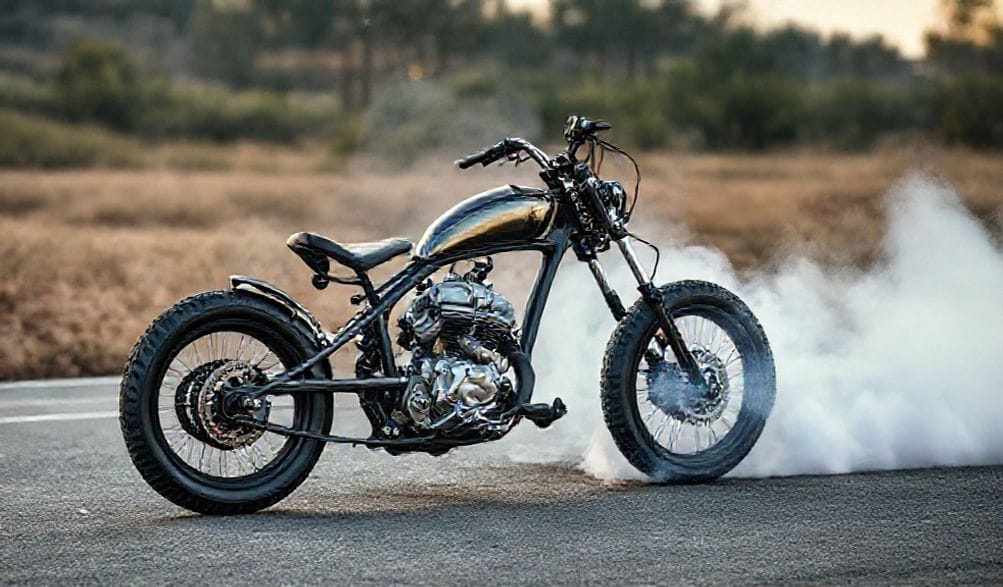
The Ultimate Guide to Ebike Dragster Bikes: Speed, Design & Performance
Imagine the silent, electric whine of a high-performance motor, the sudden, neck-snapping surge of acceleration pinning you to the seat, and the blur of asphalt as you chase a personal best over a quarter-mile. This isn’t a scene from a motorsport event; it’s the emerging, adrenaline-fueled world of the ebike dragster.
This guide is written by a seasoned cycling and micromobility expert with over a decade of experience testing high-performance electric bikes, from urban commuters to extreme custom builds. We combine hands-on mechanical knowledge with in-depth market research to provide you with a trustworthy, comprehensive resource. Here, we’ll demystify the “ebike dragster” niche, exploring its unique blend of raw power, aerodynamic design, and the sheer thrill of acceleration. Whether you’re a speed enthusiast, a custom bike builder, or simply curious about the extremes of e-bike engineering, this guide will provide authoritative insights and practical knowledge.
What is an Ebike Dragster? Defining a Niche Phenomenon
At its core, an ebike dragster is a purpose-built or heavily modified electric bicycle designed for one thing: explosive acceleration over a short, straight distance. It’s the application of classic quarter-mile drag racing ethos to the world of electric two-wheelers, creating a unique and thrilling subculture.
Beyond the Commuter: The Drag Racing Ethos on Two Wheels
The philosophy here is pure motorsport. While standard high-speed e-bikes like the 如 Sur Ron or a modified Super73 are built for versatile fun—capable of trail riding and urban cruising—an ebike dragster has a singular focus. Every component choice, from its geometry to its electronics, is optimized to maximize power-to-weight ratio and minimize aerodynamic drag for that launch off the line. It’s about shaving tenths of a second off your time, not enjoying a scenic ride. This distinction is crucial; these machines are tools for competition (even if just against your own records) and engineering passion projects.
Key Design Hallmarks of a Dragster E-Bike
You can often spot an ebike dragster by its distinctive, function-driven form:
- Extended Wheelbase: For stability at high speeds and to prevent the infamous “wheelie” on launch, the distance between the front and rear axles is often lengthened.
- Aggressive Rider Posture: Think time-trial cyclist, not upright commuter. Riders adopt a forward-leaning, tucked position, frequently using clip-on aero bars to minimize their frontal profile.
- Minimalist, Drag-Focused Bodywork: Comfort features like suspension, wide saddles, or cargo racks are sacrificed. The frame is often sleek, with cable routing internalized, and sometimes even features custom fairings to slice through the air.
- The Heart: High-Output Powertrain: The star of the show is a custom, high-voltage battery pack paired with a powerful motor and a finely tuned controller. This system is designed for massive, short-duration power discharge, not efficient long-range travel.
The Engineering Behind the Speed: Core Components
Building a machine capable of sub-5-second 0-30 mph runs requires careful selection and integration of every part. Let’s break down the engineering that makes an ebike dragster tick.
Powertrain Breakdown: Motor, Battery, and Controller
This trio is the soul of the dragster.
- **电机类型:** While mid-drive motors offer torque advantages for hill climbing, high-performance ebike dragsters often use powerful rear hub motors. Why? They apply power directly to the wheel, can handle immense instantaneous wattage (frequently 3000W, 5000W, or even more), and simplify the drivetrain. The goal is peak power, not mechanical efficiency.
- Battery Specs: This is where the magic happens. Voltage is king for speed. While standard e-bikes use 48V or 52V systems, dragsters jump to 72V, 84V, or even higher. Capacity (measured in Amp-hours, Ah) is balanced against weight. Most critical is the discharge rate (C-rating), which determines how quickly the battery can release its energy. A high-C-rate battery is essential for that explosive launch.
- The Controller’s Role: This is the brain. A programmable, high-amperage controller manages the flow of electricity from the battery to the motor. Tuners adjust parameters like phase current, battery current limits, and throttle response to perfect the launch characteristics and top-end speed, much like tuning an ECU in a car.
Frame & Geometry: Built for the Straight Line
The frame is the foundation that must handle immense stress.
- Material Choices: Lightweight aluminum is common for its stiffness, while chromoly steel is prized in custom builds for its strength, durability, and ease of welding. Carbon fiber is rare due to cost and the specific stress loads involved.
- 重量分布: Geometry is tailored to keep the front wheel down (but not too light) and the rear wheel planted during a hard launch. A longer rear triangle and specific head tube angle help manage this transfer of force.
Wheels, Tires, and Brakes: Handling the Power
Power is useless without control and safety.
- Tire Selection: Street-legal tread patterns are often abandoned for slick or semi-slick tires. These provide maximum contact patch and grip on paved surfaces, crucial for putting all that torque to the ground without spinning out.
- The Critical Importance of Brakes: This cannot be overstated. Speeds of 50+ mph require stopping power far beyond standard bicycle components. High-performance, large-diameter hydraulic disc brakes with quality rotors and pads are non-negotiable. They are a primary safety system.
The Performance Spectrum: What to Expect from an Ebike Dragster
It’s time to talk numbers, but with a heavy dose of reality.
Acceleration and Top Speed: Real-World Numbers
Within the builder community, a well-sorted ebike dragster can achieve staggering performance:
* 0-30 mph: Can be achieved in under 3 seconds in extreme builds, with 4-5 seconds being a common target for serious machines.
* Quarter-Mile Times: Competitive builds aim for the 12-14 second range, which rivals many production sports cars.
* 最高速度: While governed on paper, these bikes are often capable of 45-65+ mph depending on gearing and voltage.
关键注意事项: These speeds are extremely dangerous on a bicycle frame and are almost never legal on public roads. 它们仅适用于封闭赛道和私人直线竞速场地。.
权衡取舍:速度 vs. 实用性
一辆 ebike dragster 是实用型车辆的对立面。.
* 续航里程严重缩减: 高功率消耗意味着,一块在通勤自行车上可能提供50英里续航的电池组,在激进骑行下可能在10-15英里内耗尽。.
* 毫无舒适性可言: 骑行姿势激进,悬挂系统极少或完全刚性,一切设计纯粹为了速度。.
* 法律灰色地带: 在几乎所有司法管辖区,这类自行车都超出了电动自行车的法定定义(通常限制在750W-1000W功率和20-28英里/小时的速度)。它们通常属于未注册的机动车辆(轻便摩托车或摩托车),因此若无适当的注册、保险和驾照,在公共道路、自行车道或小径上使用均属非法——而这些要求它们本身的设计并不满足。.
自建 vs. 购买电动直线竞速自行车
拥有这样一台机器主要有两种途径:一是进行深度、富有成就感的定制构建挑战,二是选择即买即用(但通常昂贵)的预组装专业自行车。.
The Custom Builder’s Route: A Deep Dive
这是该文化的核心所在。该过程通常包括: ebike dragster 起始平台:
1. 选择一个坚固的捐赠车架,通常是老式“直线竞速”风格自行车、速降山地车车架,甚至是定制管材焊接车架。 Choosing a strong donor frame, often a vintage “dragster” style bicycle, a downhill mountain bike frame, or even custom tube fabrication.
2. 选择兼容的高功率电机套件、定制电池组(配备高质量的电池管理系统——BMS——以确保安全),以及可编程控制器。 Selecting a compatible high-power motor kit, a custom battery pack (with a quality Battery Management System – BMS – for safety), and a programmable controller.
3. 这需要焊接(用于电机支架、电池箱)、用于组装的先进机械技能,以及确保安全布线的电气知识。集成BMS并确保所有大电流连接牢固是关键的安全步骤。 可用平台与改装套件.
对于那些不想从零开始的人,存在一些途径:
基础自行车:
* 某些车架因其几何结构和强度而成为热门的起点。 高功率套件:.
* 一些知名制造商销售额定功率3000W+、面向爱好者的电机和控制器套件。将其与来自可信赖制造商的定制电池配对是常见做法。 预组装选项与改装品牌.
完全预组装的市场虽小但正在增长:
性能电动自行车品牌:
* 像Stealth Electric Bikes(以其类似摩托车的性能闻名)或HPC(Hi-Power Cycles)这样的公司提供量产型号,模糊了电动自行车和电动摩托车之间的界限,具备直线竞速车般的性能。 定制工坊:.
* 许多小众制造商会根据您的规格打造即买即用的车辆。对制造商的声誉、组件质量和售后支持进行尽职调查至关重要。 安全、合法性与负责任骑行 ebike dragster 参与这项爱好需要成熟、安全第一的心态。.
在此类速度下,自行车头盔已不足够。您的装备必须与风险匹配:
全脸式摩托车头盔(通过DOT/ECE认证).
骑行时绝不可不佩戴:
摩托车防护夹克、手套及靴子
* 膝盖和肘部护具
* 这些装备与车辆的刹车系统同等重要。
* 了解法律环境
This gear is as important as the bike’s brakes.
* 私有财产(需经所有者许可)
* 直线竞速场地上经批准的直线加速赛活动 ebike dragster * 其他封闭式、受控环境 维护与检查规程. 这些高负荷机器需要勤勉的维护:
检查所有关键螺栓(车轴、电机支架、把立)的扭矩。检查胎压并查看磨损情况。测试刹车手柄手感及刹车片厚度。
定期电气检查:
检查电线是否有磨损迹象、连接是否松动或电池外壳是否损坏。监控电池健康状况和平衡性。
骑行后:
让电池和电机冷却。检查在激烈运行后是否出现任何新的异响或问题。
* 骑行前检查: 问:电动直线竞速自行车的实际速度能有多快?.
* 性能改装版本通常能达到50+英里/小时,有些甚至超过70英里/小时。然而,这完全取决于电机、电池电压和传动比。请记住,这些速度仅适用于受控环境。 问:电动直线竞速自行车在街道上骑行合法吗?.
* 不合法。在大多数地区,它们超出了定义合法电动自行车的功率(750W-1000W)和速度(20-28英里/小时)限制。它们缺乏作为机动车辆注册所需的设备,如后视镜、转向灯和车辆识别号码。 问:构建一辆需要多少钱?.
常见问题解答
成本差异巨大。使用捐赠车架和高质量现成组件的适度改装,起价可能在2000-3000美元左右。采用定制加工零件、优质电池和顶级组件的高端定制改装,很容易超过5000-10000美元。
答: 问:电动直线竞速自行车与大功率电动摩托车有何区别?.
界限是模糊的。通常,一辆……
答: 通常情况下,, 没有. Most exceed the power (750W-1000W) and speed (20-28 mph) limits that define legal electric bicycles in most areas. They lack required equipment like mirrors, turn signals, and a VIN for registration as a motor vehicle.
Q: How much does it cost to build one?
答: Costs vary dramatically. A moderate build using a donor frame and quality off-the-shelf components can start around $3,000-$5,000. High-end custom builds with fabricated parts, premium batteries, and top-tier components can easily surpass $8,000-$12,000.
Q: What’s the difference between an ebike dragster and a powerful electric motorcycle?
答: The line is blurry. Generally, an ebike dragster 保留了自行车式车架、功能性脚踏板(即使使用频率极低)和自行车操控系统。电动摩托车则基于摩托车底盘打造,配备标准摩托车操控装置(油门、离合器、脚刹),且不具备功能性脚踏板。.
问:这个项目适合机械维修新手吗?
答:不建议尝试。. 操作高压(72V以上)电池系统(可能释放致命电流)以及打造追求极致性能的车辆,需要具备高级机械、电气知识,通常还需掌握制造技能。建议从标准电动自行车维护和更简单的项目开始。安全必须是首要考虑因素。.
结论
这 ebike dragster 代表了个人电动车辆性能令人振奋的前沿领域,将自行车文化与直线竞速的纯粹激情相融合。它体现了创新精神、DIY工程理念以及对加速性能的不懈追求。然而,这种追求需要对所涉及的巨大能量保持高度敬畏,坚守不可妥协的安全准则,并清晰理解法律边界。无论您是远观这些机械杰作,还是细致规划建造项目,都应优先掌握专业知识,投资优质部件,并倡导负责任的骑行实践。在 ebike dragster, the true victory isn’t just raw speed—it’s the mastery of complex technology and the skilled, safe control to harness it.
METADATA_START—
显示标题:电动自行车直线加速赛车终极指南:速度、设计与性能
搜索引擎优化标题:电动自行车直线加速赛车指南:打造、速度与安全 | 2024专家评测
元描述:探索电动自行车直线加速赛车的世界。我们的专家指南涵盖极致速度、定制改装、核心部件、安全装备及法律注意事项。在您动手打造或购买前,了解所有必备知识。.
图片生成提示:一张低角度动态摄影照片,展现一辆流线型定制电动自行车直线加速赛车位于直线赛道上。该车具有加长轴距、光头胎、极简车架和附加空气动力学把套。骑手戴全盔穿装甲防护服,身体前倾呈竞速姿态。背景中的起跑线灯光与动态模糊效果共同凸显高速感。.
—METADATA_END—