
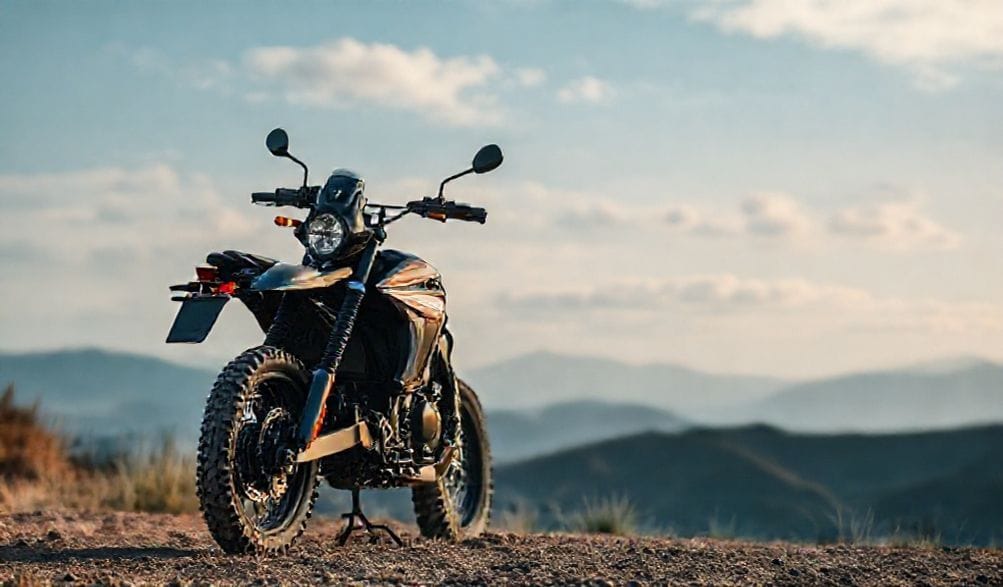
The Ultimate Guide to Electric Adventure Motorcycles: Off-Road Capability Meets Zero Emissions
Imagine cresting a remote mountain pass, the only sounds being the crunch of gravel under your tires and the whisper of the wind. You glide through a silent forest, observing wildlife undisturbed by the mechanical roar of an internal combustion engine. This is the promise of the 电动探险摩托车—a fusion of off-road capability, long-distance touring potential, and zero-emissions exploration. It’s not a distant future concept; it’s a growing segment of the motorcycle industry, redefining what it means to venture into the unknown.
The broader shift towards electrification on two wheels is undeniable, but the adventure segment presents a unique and demanding crucible for this technology. These bikes aren’t just urban commuters; they are built for punishing terrain, variable weather, and journeys far from the comfort of city infrastructure. The transition here is about more than swapping a gas tank for a battery. It’s about reimagining the rhythm of adventure itself.
This guide serves as your comprehensive resource for navigating the exciting, evolving world of electric adventure motorcycles. We’ll move beyond the spec sheets to explore the core philosophy of these machines, evaluate the current models hitting the trails, and dissect the real-world riding experience—the unparalleled joys and the practical puzzles. We’ll cover essential ownership considerations, from charging logistics to cost, and offer concrete advice for planning your first electric adventure tour. Drawing on manufacturer data, rider reports, and industry analysis, this overview aims to provide a balanced, expert perspective for the curious rider ready to explore the silent frontier.
What Defines an Electric Adventure Motorcycle?
Core Design Philosophy: Capability Over Compromise
At its heart, an adventure motorcycle is a tool for exploration. Its design is a deliberate compromise, blending the durability and suspension travel of a dirt bike with the comfort, weather protection, and load-carrying capacity of a touring machine. An electric adventure motorcycle must uphold this same philosophy. It requires robust construction, long-travel suspension, commanding ergonomics for all-day comfort, and mounting points for luggage. The electric powertrain isn’t a gimmick; it’s integrated to serve this core purpose of capable, versatile travel, whether on a paved alpine pass or a rocky desert track.
Key Technical Differentiators from Gas-Powered ADV Bikes
The electric drivetrain fundamentally changes the mechanical experience:
* Instant Torque Delivery: The most transformative feature. Electric motors deliver 100% of their torque from 0 RPM. This translates to effortless, precise power on technical terrain—crawling over obstacles, navigating slippery roots, or climbing steep hills with impeccable control, without the need to manage a clutch or select the perfect gear.
* The Absence of a Transmission: 大多数 电动摩托车s use a single-speed reduction gear. This simplifies operation enormously—there’s no clutch lever and no gear shifting. Engine braking is often managed through regenerative braking systems, which can feel different than the compression braking of a gas engine but offers customizable levels of deceleration.
* Lower Center of Gravity: The heaviest component, the battery pack, is typically mounted low in the frame, often in the traditional engine cavity. This gives many electric adventure bikes a notably low center of gravity, enhancing stability and making them feel less top-heavy than their gas-powered counterparts, especially at low speeds.
How “Range” Means Something Different Off-Road
For an electric car, range is a relatively predictable highway number. For an electric adventure motorcycle, the stated range is merely a starting point. Off-road, energy consumption skyrockets. Variables like:
* 地形: Deep sand, mud, and rocky climbs demand high power.
* 爬升: Slow, technical riding uses energy continuously.
* 海拔爬升: Climbing a mountain consumes battery; regenerating on the descent only recovers a fraction.
* Rider Weight & Luggage: Added mass has a direct impact.
A bike with a 150-mile highway range might deliver only 60-80 miles of aggressive off-road riding. Understanding and planning for this “real-world” range is the first lesson in electric adventure.
Evaluating the Current Landscape of Electric ADV Bikes
Production Models Available Today (2024)
The market is small but maturing rapidly, with a few key players establishing distinct positions.
- Zero Motorcycles DSR/X: Positioned as the premium, full-featured electric ADV tourer. It boasts impressive specs (up to 180 city miles of range), sophisticated software (Cypher III+) with multiple ride modes and customizable regen, and ADV-specific features like standard cruise control and a tall windscreen. It’s the closest electric equivalent to a BMW R 1250 GS Adventure in spirit and capability.
- Energica Experia: The Italian contender focuses on high-performance touring. Its liquid-cooled motor is a powerhouse, and it stands out with true DC fast-charging capability (via CCS), allowing for quicker top-ups on long journeys. Its design leans more toward the sport-touring side of adventure but with the suspension and ergonomics to handle light off-pavement duties.
- Segway Cycle Xyber: A newer, more affordable entrant with a radical, cyberpunk aesthetic. It offers a compelling price-to-performance ratio and brings a fresh design language to the category, appealing to a rider looking for something distinctly different from traditional ADV styling.
The Promise of Upcoming Models & Concepts
The landscape is poised for growth. Brands like Stark Future, which revolutionized electric motocross with the VARG, have clearly demonstrated the potential for high-performance, lightweight electric off-road platforms. An adventure variant from such a company is a logical and highly anticipated next step. Other prototypes and concept bikes from both startups and established manufacturers suggest a future with more options, lighter weights, and longer ranges.
Conversion Kits and DIY Electric ADV Projects
For the true tinkerer, converting an existing gas-powered adventure bike to electric is a niche but passionate pursuit. Companies offer conversion kits that replace the engine with a motor and battery pack. The pros include ultimate customization and breathing new life into a beloved chassis. The cons are significant: high cost, technical complexity, and the challenge of packaging batteries without compromising the bike’s geometry or functionality. It’s a path for experienced enthusiasts, not a turnkey solution.
The Real-World Riding Experience: Pros and Cons
Unmatched Advantages on the Trail
- Silent Exploration: This is the most profound benefit. The quiet operation deepens the connection to the environment, allows you to hear subtle trail sounds, and dramatically increases wildlife sightings. It’s a more immersive, less intrusive way to experience nature.
- 即时可控的动力: The throttle becomes a precision instrument. Power delivery is smooth, linear, and immediate. This builds immense confidence in tricky sections where controlled power is paramount.
- 维护简便: The drivetrain simplification is a huge ownership benefit. Say goodbye to oil changes, coolant flushes, air filter servicing, spark plug replacements, and valve adjustment checks. The chain or belt and brakes still need care, but the list of routine chores is slashed.
- 能量回收制动: This isn’t just for extending range. On long descents, setting a high regen level can provide significant engine braking, saving your physical brakes and offering a unique, one-pedal-like control feel.
The Practical Challenges of Electric Adventure
- Range Anxiety & Route Planning: The freedom of “going wherever the road takes you” requires more forethought. Trips must be planned around energy, not just distance. This can feel restrictive but also adds a new layer of strategic engagement to tour planning.
- Charging Infrastructure in the Wilderness: There are no gas stations on single-track. Success requires identifying charging points at destinations: campgrounds with RV outlets (NEMA 14-50), lodges, or even friendly businesses. Portable solar arrays are an option, but they are slow and best for topping up over a multi-day camp.
- Weight Considerations: While the low CG helps handling, the overall weight of current electric adventure motorcycles (often 500+ lbs) is a factor. Picking up the bike in deep mud or on a steep slope is a physical challenge, and heavy weight can accelerate fatigue in demanding off-road sections.
- Charge Time vs. Refuel Time: A 5-minute gas stop becomes a 1-2 hour fast-charging session or an overnight Level 2 charge. This changes the rhythm of a journey, encouraging longer stops to explore a town or enjoy a meal—a shift some riders welcome and others find frustrating.
Essential Ownership Considerations
Understanding Battery Health and Longevity
The battery is the heart of the bike. Modern lithium-ion packs are durable, but their lifespan is influenced by:
* 充电习惯: Avoiding consistently charging to 100% or draining to 0% for daily use helps longevity. Most BMS (Battery Management Systems) allow setting a daily charge limit.
* 温度: Extreme heat and cold stress batteries. Storing the bike in a moderate climate is ideal.
* 保修: Most manufacturers offer 5-year/unlimited-mile battery warranties, guaranteeing the pack will retain a certain capacity (e.g., 70%) over that period.
The Charging Ecosystem: From Home to Backcountry
- Home Base: A 240V Level 2 charger is highly recommended for convenient overnight charging. A standard 120V outlet (Level 1) works but is very slow.
- On the Road: 公共直流快充(CCS或CHAdeMO)是公路旅行的解决方案。了解您摩托车的插头类型并使用PlugShare等应用程序至关重要。.
- 在偏远地区: 您的工具包需扩展,包括重型延长线、多种适配器(用于TT-30、NEMA 14-50等)以及寻找电源插座的计划。便携式电站或太阳能设备仅用于应急备用,而非主要充电方式。.
计算总拥有成本
电动探险摩托车的前期购买价格较高。然而,TCO分析揭示了不同的情况:
* 节省项: 消除了汽油、发动机机油、滤清器和许多机械服务的费用。.
* 能源成本: “用电”加油”每英里成本显著低于汽油。.
* 未来成本: 多年后可能需要更换电池,这是一项需要考虑的未来成本,尽管届时更换成本很可能已经下降。.
对于高里程骑手,节省的费用会随时间推移抵消初始溢价。.
准备电动探险之旅
行程规划与导航工具
专业工具是您的最佳伙伴:
* A Better Routeplanner: 电动汽车路线规划的黄金标准。它会考虑您摩托车的效率、重量、海拔变化和天气,规划出包含必要充电站的路线。.
* Rever: 一款流行的专注于摩托车的应用程序,正在整合电动汽车充电站数据,允许您将充电点叠加到您喜爱的风景路线上。.
* PlugShare: 社区驱动的充电站数据库,包含用户评论和照片,用于检查插座类型和可访问性。.
电动探险者的必备装备
除了标准的ADV装备(工具、内胎、急救包)外,还需携带:
* 充电线与适配器: 您摩托车的移动充电线,以及用于常见插座类型的适配器(NEMA 5-15转14-50、TT-30等)。.
* 重型延长线: 一根50英尺长、12号线规、户外适用的延长线,用于连接远处的插座。.
* 电池供电轮胎充气泵: 一个紧凑、高PSI的充气泵比试图从摩托车附件端口为12V压缩机供电更轻便、更方便。.
* 大容量充电宝: 用于为手机、GPS和耳机充电,因为您可能不希望为附件耗尽摩托车的12V系统电量。.
掌握高效骑行技巧
- 明智使用能量回收: 在多山地形,下坡时使用高能量回收以回收能量。在平坦路面,较低的能量回收可实现滑行,骑行更高效。.
- 管理速度: 空气阻力是续航里程的主要杀手。稳定、适中的速度远比高速冲刺高效。.
- 预判地形: 预判障碍以保持动量,而非频繁停车和起步。平稳的油门操作是关键。.
常见问题解答
问:在混合地形上,实际续航里程能达到多少?
答: 对于当前量产车型,在铺装路面和越野混合路线上,请按60至120英里规划。激进、低速的技术性骑行会使续航接近下限,而温和、中速的砂石路骑行可使其接近上限。务必规划保守的缓冲里程。.
问:充电需要多长时间,我可以在任何地方充电吗?
答: 充电时间差异巨大。标准的120V家用插座(1级充电)充满可能需要12小时以上。240V的2级充电器可将其缩短至4-8小时(过夜)。直流快充可在约1-2小时内将电池从20%充至80%。您可以在任何能接入兼容插座的地方充电,这既是优势也是后勤挑战。.
问:电动探险摩托车适合初学者吗?
答: 它们具有对初学者友好的特点:无需担心离合器熄火、动力输出平顺、操作简单。然而,其高重量和高昂成本是显著障碍。一辆更轻、更便宜的标准电动摩托车或传统的入门级摩托车通常是更实用的起点。.
问:维护真的少那么多吗?
答: 是的,显著减少。您消除了所有与发动机和变速箱相关的油液、滤清器和调整。您仍然需要维护轮胎、刹车、悬挂连杆、转向头轴承以及最终传动装置(链条或皮带)。电气系统和电池无需车主进行日常维护。.
问:如果在偏远地区电池耗尽怎么办?
答: 预防是关键。使用保守的里程规划和应用程序。如果真的被困,您的选择有限:呼叫平板拖车;或者,如果您有便携电源(例如预先充好电的大型电站),或许能获得足够电力到达下一个插座。务必携带通讯设备(卫星信使)并分享您的行程。.
结论
电动探险摩托车代表的不仅是推进方式的改变,更是一种全新的探索理念。它以内燃机的轰鸣和仪式感,换取了静默的即时响应和机械的简洁性。它提供了一种截然不同、更具连接感的体验小径的方式,并伴有切实的拥有益处。.
目前的结论是平衡的。这些机器尚不能完全替代其燃油动力同类产品,成为无所不能、无处不往的选项,主要原因是能量密度和充电后勤的现实。相反,它们是特定骑手的理想选择:拥抱科技的探险者,他们重视更低的环境影响、最少的维护,并享受将能源管理的战略挑战作为旅程不可或缺的一部分。它们在基于目的地的探险、林务道路探索以及可将充电融入每日停靠点的旅行中表现出色。.
未来是光明的。随着电池技术进步、充电基础设施扩展以及更多制造商加入竞争,妥协之处将减少,能力将增长。电动探险摩托车不仅仅是一个小众产品;它是未来两轮旅行的诱人一瞥。如果您感到好奇,最好的建议是寻找试驾机会。感受即时扭矩,体验静默,然后判断这种新型探险是否在召唤您。前方的道路很安静,它正等待着您。.
METADATA_START—
显示标题:电动探险摩托车终极指南(2024年)
SEO标题:2024电动探险摩托车指南:车型、续航、充电与骑行技巧
元描述:考虑购买电动探险摩托车?我们2024终极指南涵盖Zero DSR/X等顶级车型、实际续航、充电后勤、成本,以及骑行体验与燃油动力ADV摩托车的不同之处。.
图片提示:一辆流线型现代电动探险摩托车在日出时分停放在岩石山道上,背景是群山和森林的全景,突出其坚固设计和清洁的零排放技术。.
—METADATA_END—